
Best Coaching Watches: A First Time Buyer's Guide for 2026
Disclosure: We may earn a commission when you buy through links on this page, at no extra cost to you. As an Amazon Associate I earn from qualifying purchases. Learn more

New to the best coaching watches? Learn stopwatch, timer, GPS, water resistance, and strap basics in this first time buyer guide written in plain terms.
If you coach, your watch is a tool, not jewelry. You start drills, time sprints, watch rest intervals, and keep a whole session on schedule, often with a whistle in one hand and a clipboard under your arm. Choosing among the best coaching watches for the first time is mostly about timing features you can run without looking down for long.
This guide starts with the basics, explains each spec in plain English, and flags the rookie mistakes that waste money. Use the comparison table below for a quick short list, then work through the sections to learn which features your sport and your schedule actually need.




Coaching Watches 101: The Basics
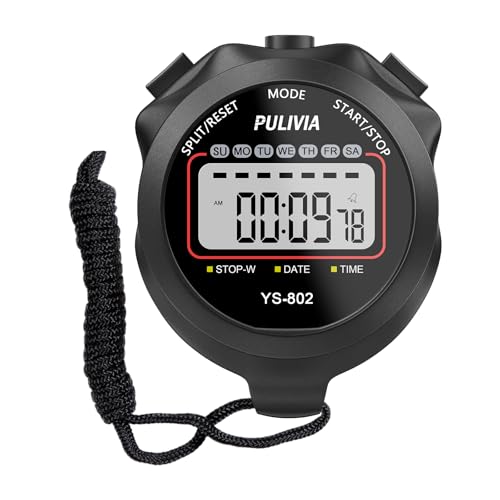
The best coaching watches are built around timing work. At minimum it needs a stopwatch that records laps or splits, a countdown timer you can set in seconds, and an alarm or interval alert you can hear or feel on a noisy field. Many coaches also want a repeat timer for circuits, memory that stores splits for review after practice, and a display that stays readable in bright sun and under gym lights.
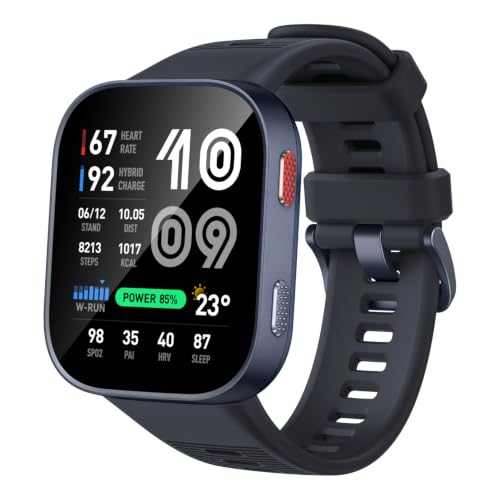
There are three broad families. Basic digital sport watches do timing only and run for years on one battery. GPS sport watches add pace, distance, and heart rate data for endurance sports. Smartwatches add apps, messages, and training platforms, but need frequent charging. None is best for everyone. A youth soccer coach running short drills needs something different from a track coach recording dozens of split times or a swim coach standing on a wet deck all afternoon.
Key Specs Explained in Plain English
Movement Type (Quartz, Automatic, Solar, Smart)
For coaching, movement means how the watch keeps time and powers its features. Quartz digital models are the practical default: accurate, cheap to run, and ready the second you pick them up. Solar models recharge from light and suit coaches who dislike battery changes. Automatic mechanical watches are beautiful but lack stopwatch depth, lap memory, and loud timers, so they rarely serve as a primary coaching tool. Smart and GPS models use rechargeable cells and trade battery life for data. Pick accuracy and timing tools first, and treat style movements as a sideline, not the main event.
Stopwatch, Lap Memory, and Timers
This is the heart of a coaching watch, so check the numbers. A useful stopwatch records at least 30 splits, and track and swim coaches should look for 100 or more. Countdown timers should set to the second and offer a repeat mode for intervals. Vibration alerts help when a whistle, crowd noise, or pool echo would drown a beep. Try the buttons with your eyes on the field: large, textured buttons you can press by feel keep your attention on your athletes, where it belongs.
Water Resistance Rating
Water resistance is written in meters or atmospheres, and the numbers mislead many first time buyers. A 30 meter rating means splash resistance only, fine for rain but not for swimming. A 100 meter rating handles pool work, showering, and heavy rain with confidence, and it is the sensible minimum for swim coaches and anyone who trains outdoors year round. A 200 meter rating adds security for water sports. Whatever the rating, do not press buttons underwater unless the maker says you can, since that is when seals are most likely to let water in.
Strap and Bracelet Options
Silicone and resin straps rule coaching because they shrug off sweat, rain, and sunscreen, and rinse clean in seconds. Look for a quick release strap system if you like to swap between a sport strap for practice and a cleaner strap for meetings. Leather looks sharp off the field but ages fast with daily sweat. Metal bracelets add weight and can pinch during active demos. NATO style fabric straps are light and secure, since the watch stays on the wrist even if one spring bar fails, but they dry slowly after a wet session.
Brand Reputation, Warranty, and Value
A coaching watch takes knocks, so support matters as much as specs. Favor brands with at least a one year warranty, clear battery service, and straps you can replace without special tools. Value is not the lowest price; it is the lowest cost per season. A watch around $50 to $150 that survives three seasons of daily practice beats a bargain watch that fogs or loses buttons in three months. Coaches who also want a watch for general training may enjoy our guide to the best workout watches, which covers heart rate and training load features in depth.
Legibility and Style
Legibility is a coaching feature, not a style extra. Big digits, strong contrast, and a backlight you can trigger with one press let you read a split at a glance. Lume, the glow material on analog hands and markers, helps for early morning or evening sessions but matters less than digital size for timing work. Style still counts if the watch must go from the field to a parent meeting. A clean dark case with a plain strap reads as professional almost anywhere, while bright colors signal sport only.
Crystal and Case Materials
The crystal is the clear cover over the dial. Sapphire crystal resists scratches best and appears on pricier models. Mineral glass is the mid range standard and handles normal knocks well. Acrylic is light and cheap and can be polished, but it scratches easily on gym floors and bleachers. Cases in resin weigh little and absorb impact, while stainless steel and titanium feel more substantial. For daily coaching abuse, a resin case with a mineral or sapphire crystal is a sensible, durable pairing.
Shoppers comparing build quality across price bands can also browse our guide to the best quality watches for notes on case finishing, crystal choices, and warranty terms that apply beyond coaching models.
Rookie Mistakes to Avoid
- Buying for looks first: a handsome watch with a tiny stopwatch display will frustrate you in the first week of practice.
- Ignoring lap memory: if you time a whole squad, a stopwatch that stores only a few splits forces you to write while athletes are still finishing.
- Skipping water resistance: rain, sweat, and pool decks are daily realities, so a splash only rating is a false economy for most coaches.
- Forgetting the charging habit: a smartwatch that dies before evening practice is worse than a basic watch that always works, so be honest about your routine.
- Choosing small buttons: tiny flush buttons are hard to hit at speed and nearly impossible with gloves or wet hands.
Getting Started: Setup and First Use
Start by setting the time, date, and your preferred 12 hour or 24 hour format, then program the timers you use most, such as a 60 second rest interval and a 10 minute drill block. Run one full practice session as a rehearsal, timing real drills and reviewing the split memory afterward to learn the button order. Set alarms for session start and water breaks if your sport needs them.
Care is simple. Rinse the watch in fresh water after saltwater exposure or a sweaty session, and dry the strap before storage. Keep spare strap pins or a spare strap in your coaching bag. If you own an automatic watch for off duty wear, remember the ownership basics still apply: service automatic watches every 5 to 7 years and keep them away from strong magnets. Your coaching watch itself mainly needs a battery or charge check at the start of each season, plus a quick seal check if you swim with it often.
Coaches shopping for a male athlete or a fellow coach as a gift may also find sizing and style notes in our guide to the best watches for guys helpful alongside the timing advice here.
Frequently Asked Questions
Is a smartwatch worth it over a classic watch?
A smartwatch is worth it if you will use its training data, messages, and apps weekly. For pure timing, a basic digital watch starts faster, runs far longer between charges, and costs less to replace. Many coaches keep both: a smartwatch for their own training and a simple timing watch for practice. Decide by your charging discipline. If a nightly charging routine feels easy, smart features can help. If not, classic quartz reliability wins.
What case size fits my wrist?
Most coaches do well with a case diameter of about 40 to 46 mm. Measure your wrist, then check that the lugs, the arms that hold the strap, do not overhang the sides of your wrist. A larger case gives bigger digits and buttons, which helps timing, but an oversized case catches on sleeves and equipment. Women and smaller wristed coaches often prefer about 38 to 42 mm with a shorter strap. Comfort during a full practice is the real measure.
How water resistant should a watch be?
Aim for 100 meters if you coach outdoors or near water. That rating covers rain, sweat, splashes, and pool sessions without worry. A 50 meter rating is acceptable for field sports if you avoid full immersion, while 30 meters is for dry indoor use only. Remember that heat, soap, and aging seals reduce real world protection, so rinse gently, avoid hot tubs, and have seals checked if the watch fogs after a wet day.
Quartz or automatic: which is better?
Quartz is better for coaching, and it is not close. Quartz digital watches offer precise stopwatches, multiple timers, alarms, and lap memory at modest prices, with accuracy that beats mechanical movements by a wide margin. Automatic watches shine as personal timepieces, with craft and heritage that many people love off the field. If your heart wants an automatic for daily wear, enjoy it after practice and keep a quartz timer on your wrist while you coach.
How long does a watch battery last?
A basic quartz coaching watch usually runs about 2 to 5 years on one coin cell, depending on backlight and alarm use. Solar models can run for many years with regular light exposure. GPS and smartwatches are different: expect about 1 to 7 days per charge depending on how much GPS and screen time you use. Plan a battery change or a charging routine before your season starts, not during it.
Wrapping Up
For a first purchase, prioritize a readable stopwatch with real lap memory, a countdown timer you can repeat, and water resistance that matches your venue. The product table above shows how those essentials stack up across price bands. Choose the best coaching watches option that fits your sport, your wrist, and your charging habits, set up your timers before the season starts, and your watch will quietly keep every drill, rest, and rotation on time.


