Best Closed System Breast Pumps: Types Compared and How to Choose for 2026
Disclosure: We may earn a commission when you buy through links on this page, at no extra cost to you. As an Amazon Associate I earn from qualifying purchases. Learn more

Parents compare the best closed system breast pumps by type, from budget plug in models to portable and wearable designs, with safety and cleaning notes.
Pump listings throw around terms like closed system, barrier, and hospital strength without explaining what they mean for your daily routine. The short version is that a closed system keeps milk out of the tubing and motor, which protects hygiene and pump performance. This guide compares the best closed system breast pumps by type, so you can match a style to your budget, your schedule, and where you will actually pump.
You will see how budget, portable, and wearable designs differ, what the safety labels really cover, and which cleaning steps matter most. Use the comparison table below as a starting map, then read the type notes to narrow your choice.


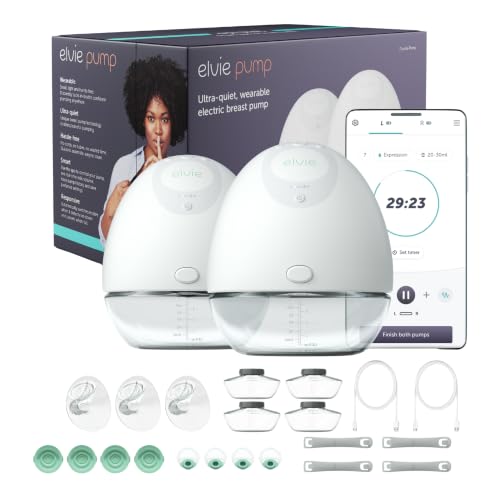
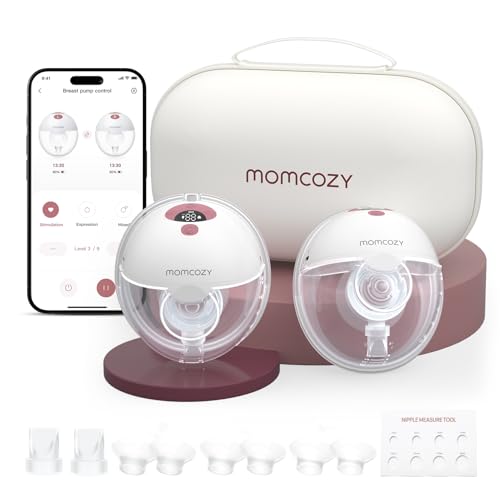


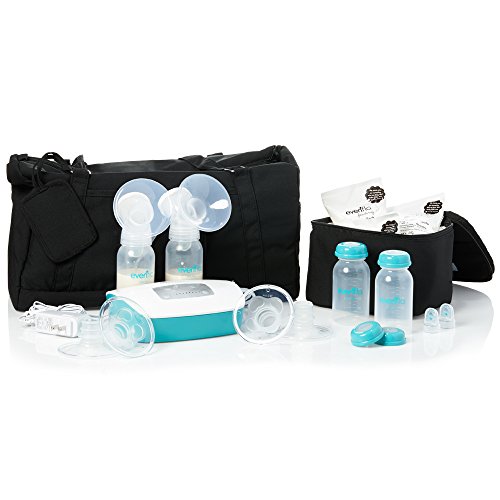

Types of Closed System Breast Pumps Compared
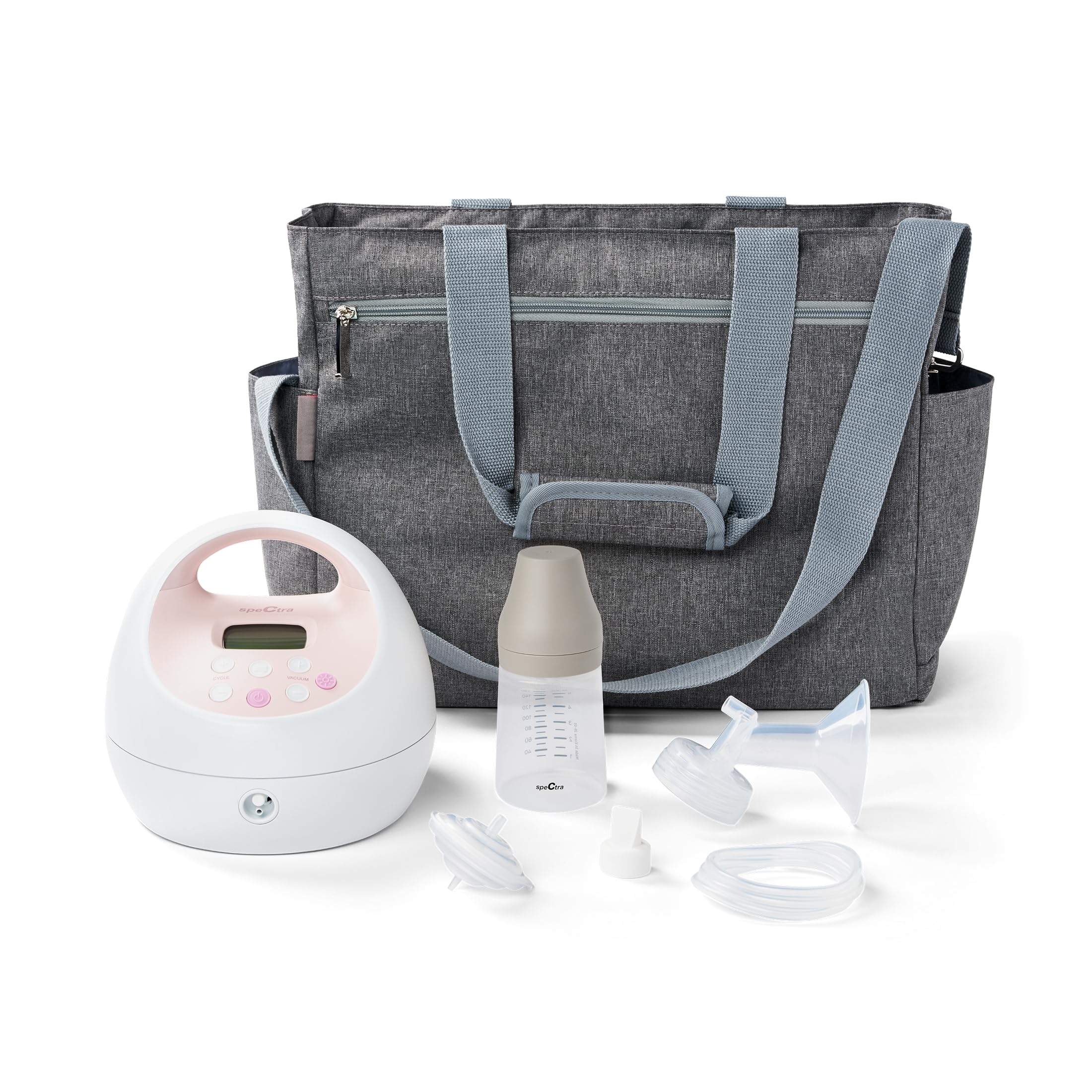
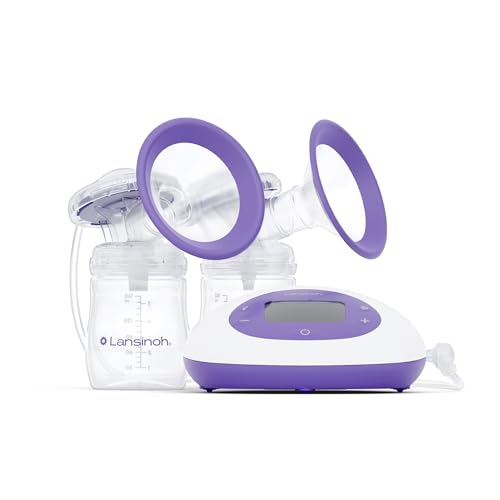
Every closed system design uses a barrier, often a silicone membrane or a sealed collection kit, that stops milk and moisture from reaching the tubing and motor. That single feature is what separates closed system models from open system designs, and it shapes cleaning, sharing rules, and long term reliability. Within the closed system family, three styles cover most families. Budget designs focus on core pumping at home for around $80 to $180, portable designs add batteries and compact motors for about $150 to $300, and wearable designs trade some power for freedom of movement at roughly $200 to $350.
Budget Friendly Options
Budget closed system pumps are usually plug in double electric models meant for a regular spot at home. They offer adjustable suction and cycle speeds, a full barrier in the collection kit, and replacement parts that are easy to find. For a parent pumping a few times a day, this setup covers the essentials without paying for portability.
The limits show up in size, weight, and noise. These pumps are not discreet, and most need a wall outlet, so they suit a predictable routine. If your pumping happens mostly at home on a schedule, a budget model paired with a good pumping bra is often the sensible spend.
Travel/Portable Options
Portable closed system pumps shrink the motor, add a rechargeable battery, and keep the same protective barrier between milk and machine. They fit in a tote or carry on bag, and many include a car adapter or USB charging for trips. Parents returning to work or pumping on the go usually land in this category.
Expect to pay more for the smaller motor, and check battery life against your longest day away from an outlet. Airlines generally treat a breast pump as a medical device that does not count against your carry on allowance, but confirm your airline policy before you fly. A portable pump with strong battery life beats a cheaper one that dies midday.
Hands Free/Wearable Options
Wearable pumps sit inside your bra with no dangling bottles or long tubes, and closed system versions seal the motor away from the milk path. They let you move, work, and care for your baby while pumping, which can be the difference between keeping a routine and giving it up. Our guide to the best handsfree breast pumps explains how these designs differ in fit and capacity.
The trade offs are capacity and suction feel. Wearable cups usually hold less milk per side, and some parents find the suction less effective than a traditional flange setup. Many families use a wearable as a second pump for freedom during the day and a standard pump for main sessions.
Budget Friendly Options vs Travel/Portable Options: Which Should You Choose?
Compare these two on where you pump, not on headline suction numbers. A budget pump wins on price, steady power from the wall, and cheap spare parts. A portable pump wins on battery freedom, smaller size, and quieter use in shared spaces like an office.
Price is the second factor: the portable version of similar performance often costs about $70 to $150 more. Cleaning effort is similar, since both use comparable collection kits. Your routine decides it.
If ninety percent of sessions happen in one chair at home, save the money. If sessions happen at work, in cars, or across two homes, portability pays for itself in kept routines.
How to Choose the Right Closed System Breast Pump
Start with the barrier itself, then work through performance, safety, cleaning, fit, and daily ease of use. If you are comparing widely, our overview of the best ranked breast pumps can help you sort the broader field before you narrow to closed system models.
Performance Features
Look for adjustable suction strength and cycle speed as separate controls, because comfort and milk flow rarely peak at the same setting. A letdown mode with faster, lighter cycles followed by a slower expression mode mirrors how a baby feeds. Suction is often listed in mmHg; stronger is not automatically better, and pumping should never hurt.
Double pumping saves time and can support supply better than single pumping for many parents. If you plan to pump at work daily, also weigh motor noise. A noticeably quieter pump makes shared office pumping far less stressful.
Safety Standards and Certifications
Breast pumps sold in the United States are regulated medical devices, so buy from established makers that list their device registration and provide clear instructions. Milk contact parts should be BPA free, and the closed system barrier should be described plainly: which part blocks milk from the tubing, and is that part replaceable.
Be cautious with secondhand pumps. Only pumps designed and labeled for multiple users, typically hospital grade rentals, are meant to be shared, and even then each user needs a personal collection kit. A standard personal pump, closed system or not, should stay with one user. When in doubt, ask the maker or your clinician before buying used.
Materials and Cleaning
Fewer parts means faster washing at midnight, so count the pieces in the collection kit before you buy. Most parts that touch milk need washing after every use, and many are dishwasher safe on the top rack, which the manual will state. Silicone membranes and valves wear out and quietly reduce suction, so confirm replacements are sold separately and cheaply.
Prefer smooth parts without deep crevices that trap milk residue. A pump that is easy to clean is a pump that actually gets cleaned properly, and that matters more for safety than any single material claim on the box.
Flange Fit and Your Feeding Stage
Flange fit drives comfort and output: your nipple should move freely in the tunnel without rubbing, with little areola pulled in. Many brands include two flange sizes, and separate inserts exist if you fall between sizes. Pain, pinching, or blanching means the fit or settings need attention, not endurance.
Stage matters too. In the early weeks, frequent effective emptying helps establish supply, while later a portable or wearable style may suit a returning to work routine. If you struggle with low supply, persistent pain, or a baby who is not gaining weight as expected, talk with your pediatrician or an IBCLC lactation consultant rather than just buying a stronger pump.
Ease of Use for Tired Parents
You will assemble this pump half asleep, so judge the design honestly. Parts that click together one way only, controls you can work with one hand, and a screen or dial you can read in dim light all reduce daily friction. A memory setting that recalls your last suction level is a small feature you will appreciate at 3 a.m.
Think about where sessions will happen as well. If you will pump in varied places, our guide to the best portable breast pumps covers battery and size trade offs in more depth. Simple assembly also means fewer wrong builds that leak or lose suction.
How to Make Your Closed System Breast Pump Last Longer
Replace valves and membranes on the maker schedule, often every one to three months with regular use, because tired silicone is the most common cause of fading suction. Wash parts after every use, let them air dry fully on a clean towel, and store the kit dry so moisture never sits in the barrier parts.
Register your pump with the manufacturer so you receive safety and recall notices, and keep the manual for its cleaning and part diagrams. If suction drops suddenly, check the cheapest parts first: a stretched membrane, a poorly seated valve, or a low battery explains most cases. Following the maker installation and assembly guide exactly protects both performance and warranty.
Frequently Asked Questions
Is a closed system breast pump covered by insurance?
Often, yes. Many US health plans cover a personal electric pump, and closed system models are commonly included, though the exact brands and upgrade fees vary by plan. Call your insurer before the baby arrives and ask which suppliers they work with.
Keep your receipt if you buy retail, since some plans reimburse. A prescription from your clinician is sometimes required, so ask about that on the same call.
Is a premium closed system breast pump really safer?
Not automatically. Safety comes from the sealed barrier, cleanable parts, and regulated manufacturing, and a well made budget pump can offer all three. Premium prices usually buy quieter motors, better batteries, and refined fit options rather than a different safety level.
Spend more for comfort and convenience you will use daily. Skip paying extra for vague strength claims that no standard defines.
How long can I use a closed system breast pump?
You can use one pump through your whole feeding journey with a baby, and often for a later child too, as long as the motor stays strong and you refresh the wear parts. Most personal pumps are rated for about a year of regular daily use before suction may fade. Replace membranes, valves, and tubing per the manual, and retire the pump if suction stays weak after new parts.
How do I clean and sanitize a closed system breast pump?
Wash every part that touches milk after each use with warm soapy water, rinse, and air dry on a clean surface. The closed system barrier keeps milk out of the tubing and motor, so those parts normally need no washing unless the manual says otherwise. Sanitize parts daily for babies under two months or with immune concerns, using boiling, steam bags, or a dishwasher sanitize cycle as the maker directs.
When should I buy a closed system breast pump before baby arrives?
Ordering in the third trimester is a good target, since it leaves time for insurance paperwork, delivery, and a calm practice assembly before the baby comes. Having the pump ready matters if your baby needs extra feeding support in the first days. Do a trial run of washing and assembling the parts once, and store everything clean and dry. That small rehearsal makes the first real session far less stressful.
The Bottom Line
Choose the type that matches where you will pump, confirm the barrier design and BPA free milk parts, and get the flange fit right. Those three points decide most of your experience with the best closed system breast pumps. Compare your shortlist in the product table above, and if pain, fever, a red painful area on the breast, or worries about your baby's growth appear, talk with your clinician or a lactation consultant promptly about your personal needs.