
Best Breast Pumps to Use by Budget: Smart Picks for 2026
Disclosure: We may earn a commission when you buy through links on this page, at no extra cost to you. As an Amazon Associate I earn from qualifying purchases. Learn more

Best breast pumps to use compared by budget tier and daily use, with practical checks to run before you order.
Prices for pumps range from under $50 for a simple manual option to about $400 for a wearable premium set, and the gap can feel confusing. This budget guide shows where money actually improves comfort, speed, and convenience when you choose the best breast pumps to use for your routine. Start with the comparison table below, then use the tiers that follow to see what you gain and what you give up at each level.
The right budget depends on how often you pump. Occasional use rewards simplicity. Daily use rewards a stronger motor, better fit options, and parts that are cheap to replace.
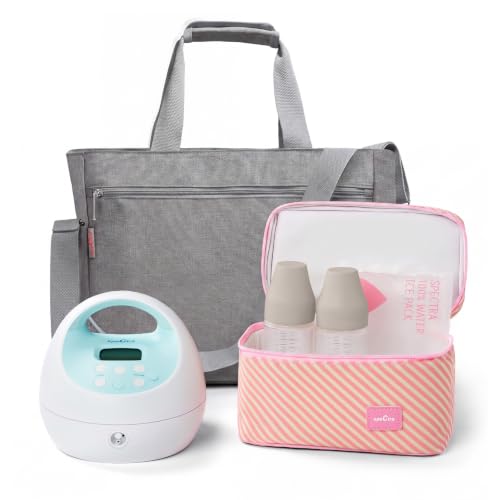
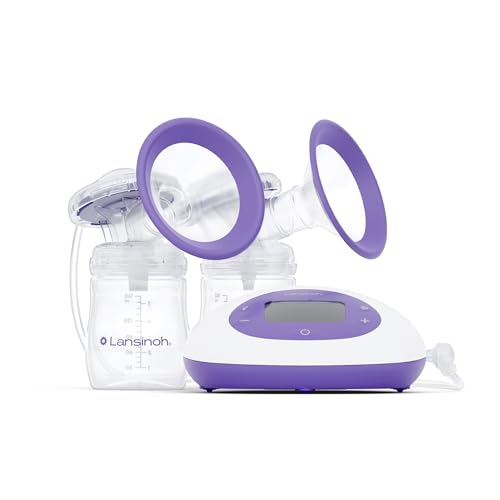


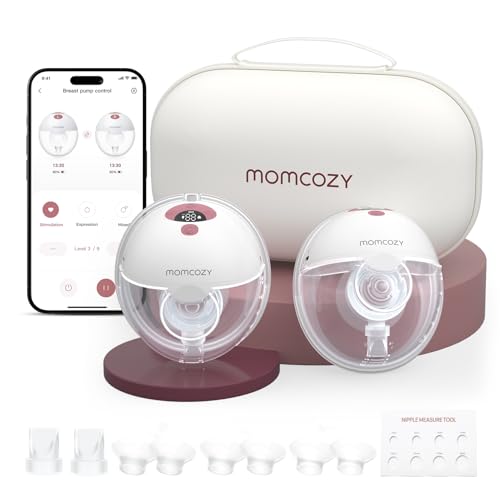
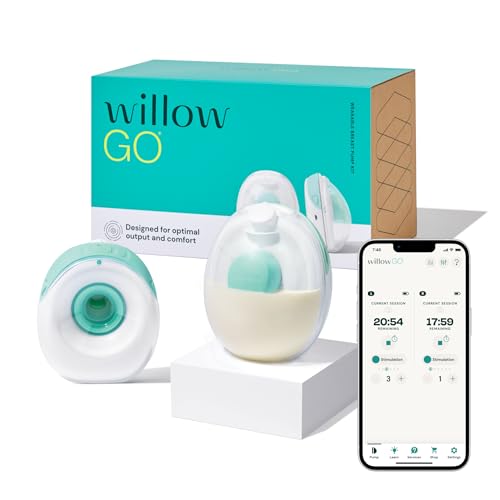


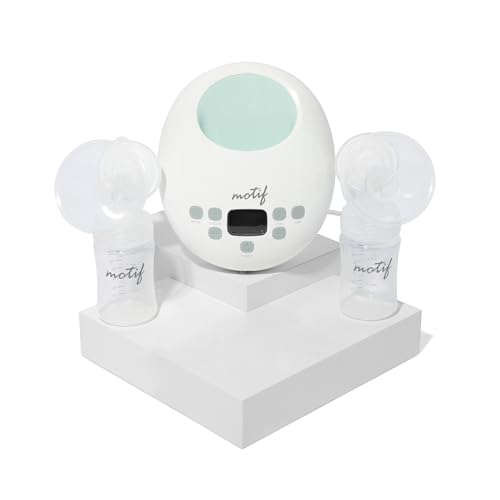
Three Budget Profiles to Compare
Use these profiles as a filter for the product table above. They describe styles and price bands, not specific models, so you can match any listing to the profile it truly fits.
Budget Profile
A budget profile is usually a manual pump or a basic electric pump under $100. It suits occasional pumping, travel backup, or relieving fullness when your baby mostly feeds directly. Expect simple controls, fewer flange sizes in the box, and parts you wash by hand. The strength is low cost and quiet use. The limit is time and effort, because single side pumping and weaker motors make frequent full sessions slow and tiring for most parents.
Midrange Profile
A midrange profile is a double electric pump around $150 to $250, often partly covered by insurance with a modest upgrade fee. It suits daily pumping at home or work because it pumps both sides, offers gradual suction control, and includes a closed system on many designs. Expect better flange choice and available spare parts. The limit is size. Most midrange pumps still need a bag, a power outlet or separate battery pack, and a private space to set up.
Premium Profile
A premium profile costs about $250 to $400 and buys a rechargeable motor, wearable cups, or a very quiet and compact design. It suits parents who pump in varied places, need discretion, or will pump many times a day for months. Expect longer battery life, app or memory settings on some styles, and lighter carrying weight. The limit is value. You pay for convenience, not for better milk safety, and wearable cups can hold less and cost more to replace.
What Your Money Gets You at Each Price Tier
Budget Tier: What to Expect
At the budget tier you get the basics: one pumping mode, limited suction steps, basic bottles, and a short parts list. That can be enough if you pump a few times a week. Check that valves are sold separately at low cost, because a worn valve can ruin suction on a cheap pump. Avoid spending extra here on large accessory bundles with many bottle sizes you may never use. Save that money for a second set of core parts instead.
Midrange Tier: The Sweet Spot for Most Buyers
Midrange is where most parents get the best balance of speed, comfort, and price. You typically gain double pumping, a stronger and more adjustable motor, a closed system, and clearer warranty support. Flange inserts and different shield sizes are easier to find, which helps fit. If you pump daily, this tier often costs less over time than a budget pump because parts last longer and sessions take less time, reducing the urge to buy a second pump later.
Premium Tier: When Spending More Pays Off
Premium spending pays off when time, mobility, or discretion is the real problem. A built in battery removes outlet hunting, wearable cups free your hands, and a quiet motor helps with night or office use. It does not pay off if you mostly pump in one room at home, where a midrange tabletop pump will do the same job for less. Before you upgrade, confirm cup capacity, replacement part prices, and whether insurance treats the model as an upgrade with a large fee.
For a focused look at cord free styles in the premium band, see our guide to the best wireless breast pumps and note how battery claims are measured.
Features Worth Paying For (and Ones to Skip)
Portability and Size
Pay for portability if you pump away from home at least several times a week. A smaller motor, internal battery, and a bag that holds pump, parts, and milk together save real friction. If you want true freedom to move during a session, our guide to the best handsfree breast pumps explains cup fit and capacity limits. Skip paying for ultra compact size if you have a fixed pumping spot, because larger midrange pumps often give stronger suction for less money.
Comfort for Baby and Parent
Comfort spending is worthwhile when it improves fit. Multiple flange sizes, soft rim shields, and gradual suction steps help you find a setting that empties well without pain. Pain is a warning sign, not something to push through. Stop and check fit, lower suction, and talk with a lactation consultant or clinician if pain, blistering, or redness continues. A timer and memory settings are nice, but they matter less than fit and a motor that stays steady through a full session.
Safety Standards and Certifications
Do not pay extra for vague safety language. Look for BPA free milk contact parts, a clear statement of closed or open system, and cleaning instructions that match Food and Drug Administration hygiene guidance. Safety does not rise with price in a straight line. A well made midrange pump with a barrier and new personal parts is a sound choice. Avoid shared use of personal pumps, and use only multi user rental systems designed for sharing with your own kit.
Insurance Coverage and Price
Check insurance before you compare retail prices, because coverage can move a midrange pump into your budget range at little cost. Many plans cover a standard electric pump under the Affordable Care Act, while wearable and premium styles often require an upgrade payment. Ask the supplier for the total you will pay, including parts and shipping, in writing. Among the best breast pumps of any brand, the covered option with available parts often beats a costly model with expensive replacements.
If you know you will pump at work or while traveling, our guide to the best portable breast pumps helps you weigh size against suction before you spend on a premium tier.
Long Term Costs to Factor In
The purchase price is only the start. Budget for replacement valves and membranes every few months with heavy use, extra flange inserts if your fit changes, milk storage bags or bottles, and a spare set of parts so you are not washing after every session. Wearable cups and specialty tubing cost more than standard parts. Add possible battery replacement after the warranty period and the cost of a manual backup, often under $40. A pump with cheap and available parts can be the lower total cost choice even if its first price is higher.
A simple manual option can also serve as that backup. See our guide to the best hand breast pumps for when a low cost manual style makes sense alongside an electric pump.
FAQs
Is it covered by insurance?
Often yes for a standard electric pump, but coverage lists and upgrade fees vary by plan. Call your insurer and an approved supplier, ask what you will pay in total, and confirm whether parts and a larger flange size are included. Order early, keep the written quote, and do not assume a premium wearable model is covered at the same level as a basic double electric pump.
How do I clean and sanitize it?
Wash milk contact parts after every use with warm soapy water in a separate basin, rinse well, and air dry completely. Sanitize daily when your clinician advises it for a young or medically fragile baby. One point many guides miss is brush size: use a small brush that reaches valve bases and narrow bottle necks, because milk film left there can affect odor and hygiene even when parts look clean.
Is a premium model really safer?
No, price alone does not make a pump safer. Safety depends on system design, BPA free contact parts, correct cleaning, and using your own personal kit. Premium models mainly add battery power, quieter motors, and wearable convenience. If a listing uses safety fear to justify a high price without clear design details, treat that as a reason to compare a transparent midrange option instead.
When should I buy this before baby arrives?
Buy or order through insurance about four to six weeks before your due date. That gives time to check flange fit guidance, wash parts, learn assembly, and exchange a size if needed without time pressure. If you plan to return to work soon after birth, also test your bag setup and power plan before the baby arrives so the first work week is not an experiment.
How long can my baby use it?
You can pump for as long as you and your baby need, commonly through the first year. The useful life of the pump depends on motor wear and part condition, not on a baby weight limit. Replace soft parts on schedule, recheck flange fit as your body changes, and seek help from a lactation consultant if output drops suddenly or pumping becomes painful.
The Bottom Line
Set your tier by frequency first. Occasional pumping fits the budget tier, daily pumping fits midrange for most families, and premium only earns its price when mobility or discretion solves a real problem. Confirm insurance, fit, and part costs before you pay for extras. With that order, the best breast pumps to use in the comparison table above are easy to sort by true value. Talk with your clinician or lactation consultant about your personal feeding needs.

