Best Closed Loop CPU Coolers: Every Type Explained Side by Side for 2026
Disclosure: We may earn a commission when you buy through links on this page, at no extra cost to you. As an Amazon Associate I earn from qualifying purchases. Learn more

Builders choose the best closed loop cpu coolers by matching radiator size, mounting and noise to their processor and case, with each type compared.
Closed loop coolers all look alike in photos, yet a compact 120 mm unit and a large 360 mm unit solve very different problems. Choosing the wrong size can leave your processor throttling under load or simply fail to fit inside your case. This guide sorts the best closed loop cpu coolers by the kind of build they serve, so the differences are easy to see.
Instead of chasing names, you will compare radiator sizes, mounting options, noise behavior, and price tiers side by side. By the end, you will know which type matches your build and how the comparison table below lines up with your needs.
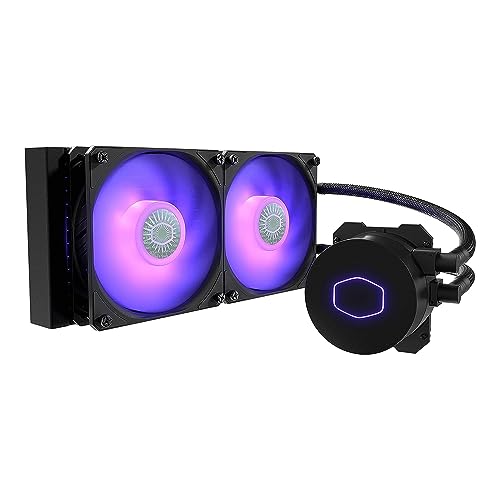
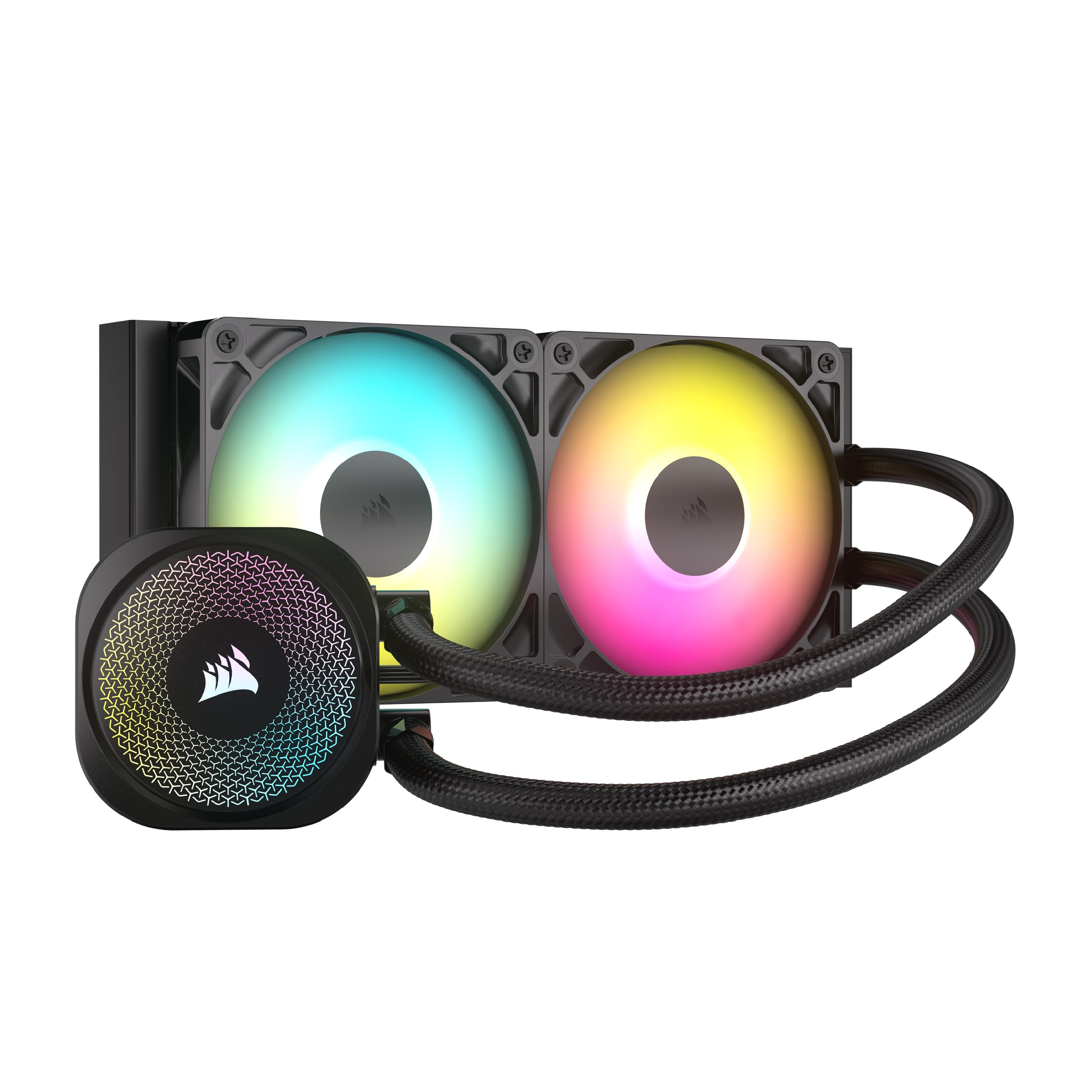


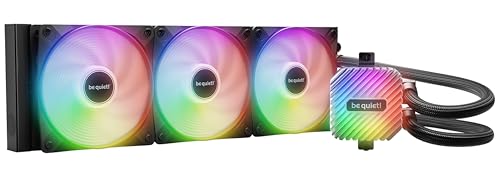


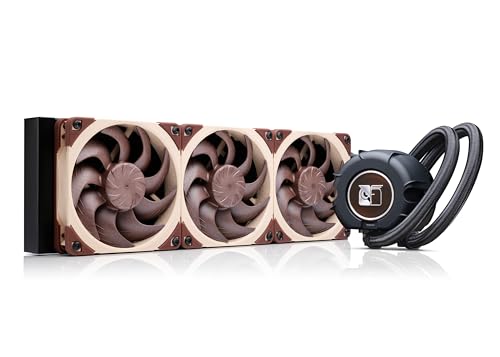
Types of Closed Loop CPU Coolers Compared
A closed loop cooler moves heat from the processor to a radiator using liquid sealed inside tubes, with a pump circulating the fluid and fans pushing air through the radiator fins. The format stays the same across types, but radiator length, tube routing, and fan control change what each type does well. Price rises with radiator size and extras such as displays and bundled fan hubs.
For a liquid only comparison, see our companion guide to the best closed loop liquid cpu coolers. A small unit often costs around $60 to $100, midsize units run about $100 to $180, and large premium units can pass $200. The three build contexts below cover nearly every buying decision you will face.
Custom Built PCs
In a custom build you choose the case first, so you can plan radiator support before buying anything else. Most custom builders land on 240 mm or 280 mm radiators because they balance cooling capacity, noise, and cost. You also gain freedom to route tubes neatly and to set custom fan curves in software.
The trade off is responsibility. You must confirm socket support, radiator clearance above the motherboard, and room for tall memory modules beside the tubes. If you enjoy tuning and plan future upgrades, this route gives you the most control for the money.
High End 4K Builds
High end 4K systems pair flagship processors with powerful graphics cards, and both parts pour heat into the case. A 360 mm radiator is the common choice here because its extra surface area keeps temperatures and fan speeds lower during long gaming sessions. Quiet operation matters more when a system sits beside a large display for hours.
The catch is size and cost. Many midsize cases cannot fit a 360 mm radiator at the top, and thick radiators can crowd the upper motherboard connectors. Choose this type when your processor has a high power draw and your case lists clear support for the radiator length.
Prebuilt Gaming Desktops
Prebuilt desktops arrive with a cooler already installed, usually a 120 mm or 240 mm closed loop unit chosen by the manufacturer. Your decision here is different: judge whether the fitted cooler is adequate, and check what replacements the case and motherboard allow. Some prebuilts use standard mounts and sockets, which makes a later cooler swap simple.
Others use proprietary layouts that limit your options. Before buying, look for the radiator size in the specifications and confirm the case has a second mounting location if you hope to upgrade. A prebuilt with a standard layout and a 240 mm unit serves most players well. If you are weighing replacement options later, our roundup of the best coolers for cpu models covers both air and liquid choices.
Custom Built PCs vs High End 4K Builds: Which Should You Choose?
Start with heat load. A custom build around a midrange processor runs cool and quiet on a 240 mm radiator, while a 4K build with a flagship chip benefits from the extra headroom of 360 mm. Next, compare case support, because the larger radiator only helps if it mounts where airflow is clean and tubes reach without strain.
Noise is the third factor. Bigger radiators spread work across three fans, so each fan spins slower for the same cooling. Budget is fourth: moving up a size usually adds about $40 to $80.
Finally, think about upgrades, since a larger radiator bought today can carry over to a hotter processor later. Match the type to your current processor first, then let case room and noise goals settle the tie.
How to Choose the Right Closed Loop CPU Cooler
The best closed loop cpu coolers for you depend on four checks that take minutes to run before you order. Work through them in order, because each one can rule out models that looked attractive on a product page. Shoppers who prefer the common naming can also browse our guide to the best cpu aio coolers, which covers the same sealed format. Socket compatibility comes first, then case clearance, then cooling headroom for your processor, then the extras you will actually use.
Clearance Around the Socket
Memory modules and drives do not change cooler performance directly, but they share tight space around the socket. Tall DDR5 heat spreaders can clash with tubes leaving the pump block, so check the cooler tube exit direction against your memory height. A top mounted radiator can also sit close to the upper edge of the board.
An NVMe SSD under a heatsink near the socket adds a little local heat, which is one more reason to keep case airflow moving. None of this should scare you off a build. It simply means measuring once beats returning a cooler that almost fits.
Upgradability and Standard Parts
Standard parts decide how long your cooler stays useful. Look for a mounting kit that covers current Intel and AMD sockets, and check whether the maker sells adapter kits for future sockets. A cooler with a widely supported bracket system can move to your next motherboard instead of going to waste.
Standard fan connectors matter too. Fans that use regular four pin plugs can be replaced individually years later. Proprietary connectors and sealed hubs tie you to one brand for spares. When two coolers perform alike, the one built from standard parts is usually the smarter long term buy.
Cooling and Thermals
Match radiator size to processor power draw rather than to the size of your case window. Efficient midrange chips stay quiet on 240 mm, while processors that draw heavy power under all core loads deserve 280 mm or 360 mm. Watch sustained temperatures during a long gaming session, not just the peak in a short benchmark.
Case airflow supports the radiator. Fans need a clear intake path and an unobstructed exhaust, and a radiator mounted with stale warm air will underperform its specifications. If your case has a solid front panel with tiny vents, a top exhaust mount often works better.
CPU and GPU Pairing
Your graphics card shapes the air your radiator breathes. A powerful GPU dumps warm air inside the case, and a radiator set as intake will pull some of that warmth across its fins. At 1440p and 4K, the GPU works hardest, so processor temperatures can climb even when the processor itself is only moderately loaded.
Balance the pairing instead of overspending on one side. A midrange processor with a strong GPU is a fine gaming combination, and it needs less radiator than a flagship processor. Spend the savings on case fans or a quieter fan curve, and the whole system feels more refined.
Care and Maintenance Tips
Closed loop coolers need little care, but a few habits protect performance. Dust the radiator and case filters about every three months, because a clogged radiator raises temperatures slowly enough that you may not notice for a year. Keep the pump at full speed or on its maker recommended setting, since pumps are designed to run steadily rather than ramp with temperature.
Listen for new noises during your first weeks of use. Gurgling that fades after the system runs is usually trapped air settling, while a constant rattle deserves a support call while the warranty is fresh. Mounting the radiator so its top sits above the pump helps air collect away from the pump. Update your BIOS carefully and only from the motherboard maker page, and track temperatures with a free monitoring tool after any change.
Frequently Asked Questions
Air or liquid cooling: which is better?
Neither is better for everyone, because they win in different cases. A large air tower is simple, lasts for many years, and cools midrange processors very well; our guide to the best air coolers for cpu explains what to look for in that format. A closed loop cooler clears space around the socket, suits cases with limited tower height, and handles sustained loads quietly with a big radiator. Decide by your case dimensions, your processor power draw, and how much you value the open look around the memory slots.
How long do closed loop cpu coolers last?
Most sealed units run for five to seven years before the pump wears or enough coolant permeates through the tubing to reduce performance. Makers warrant many models for five or six years, which is a fair guide to the expected life. A slow rise in idle temperatures over months, or a pump that starts to tick or rattle, is the usual sign that the unit is reaching the end. Because the loop is sealed, there is nothing to refill: when it fades, you replace it.
Can a closed loop cooler leak?
Leaks are rare but not impossible, and they usually happen at the fittings on the pump block or radiator, or when a tube is bent sharply during installation. Route the tubes in gentle curves, never twist the block to tension them, and check the fittings for dampness after the first few days of use. Buy from a maker whose warranty states what happens to other parts if a leak damages them, since policies differ.
Should the radiator be mounted as intake or exhaust?
Front intake gives the radiator the coolest air and lowers processor temperatures by a few degrees, while top exhaust keeps the warm radiator air away from the graphics card. In a case with open mesh at the front, either works. In a case with a solid front panel, top exhaust usually wins because the radiator cannot breathe through narrow side vents. Whichever you choose, keep the top of the radiator above the pump so trapped air collects in the radiator rather than in the pump.
Does a 360 mm radiator always cool better than a 240 mm?
Not always in practice. A 360 mm radiator has more surface area, so it can run its fans slower for the same result, which mainly buys quiet. On a midrange processor the temperature difference between the two sizes is often small, while on a flagship processor under sustained load the larger radiator keeps a clear lead. Fan quality, mounting position and case airflow can erase the gap, so size the radiator to the processor and then spend attention on airflow.
Final Thoughts
Size the radiator to your processor, confirm it fits your case with room for memory and tubes, and favor standard mounting parts that survive upgrades. Those three checks do more for your result than any display or lighting extra. Compare your shortlist with the product table above, and the best closed loop cpu coolers for your build should stand out clearly.