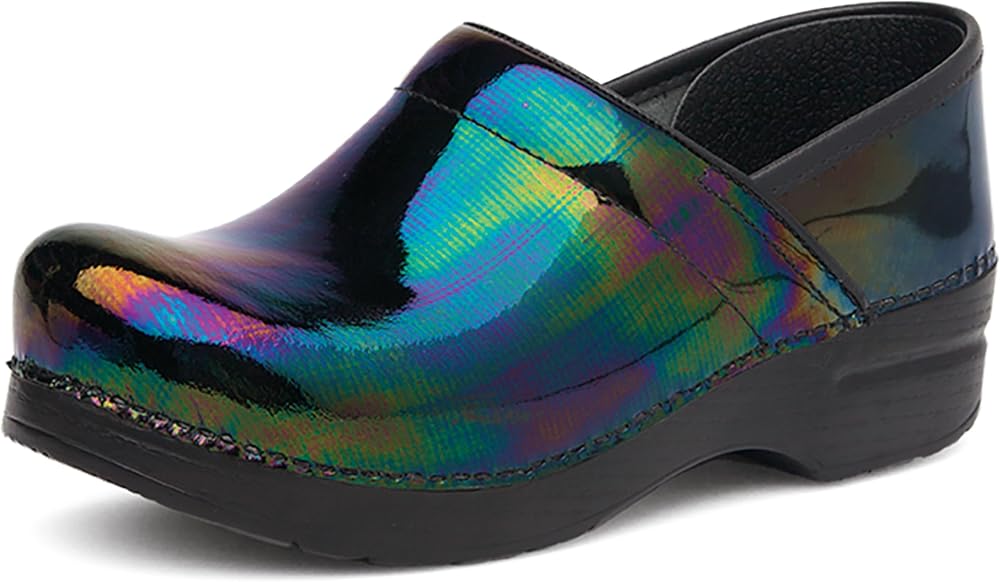
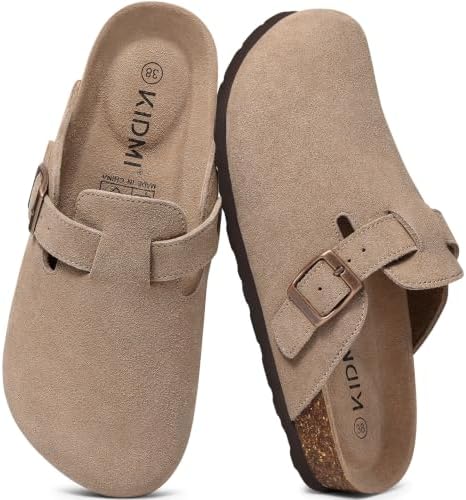
Best Clog Sandals for Men: Everything to Know Before Your First Purchase for 2026
Disclosure: We may earn a commission when you buy through links on this page, at no extra cost to you. As an Amazon Associate I earn from qualifying purchases. Learn more

Shopping for the best clog sandals for men for the first time? Learn the terms, compare options, and avoid rookie mistakes with this easy guide.
A first pair of clog sandals raises fair questions. Will they fit a wider foot, hold up on concrete, and look right with everyday clothes? This guide answers those questions in plain terms, starting with the basics and moving to fit, materials, and care. If you are searching for the best clog sandals for men, the comparison table below gives you a quick overview while you learn how to judge each pair for yourself.
You will not need a long checklist. A few smart checks on size, sole grip, and upper material will rule out most poor matches before you ever reach the checkout.

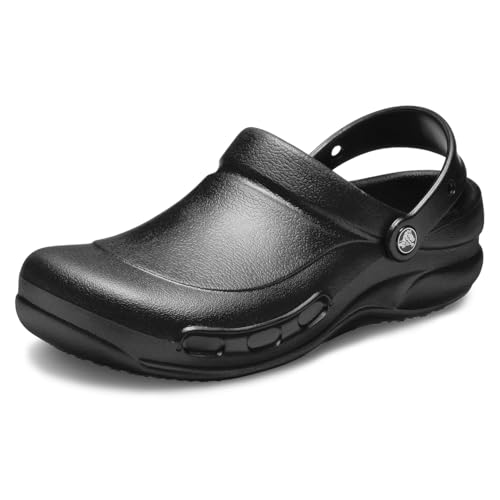
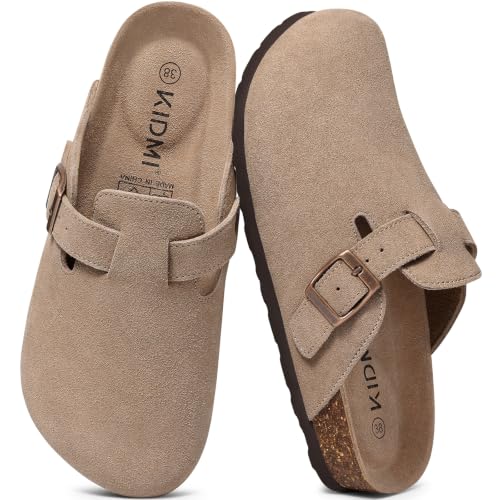


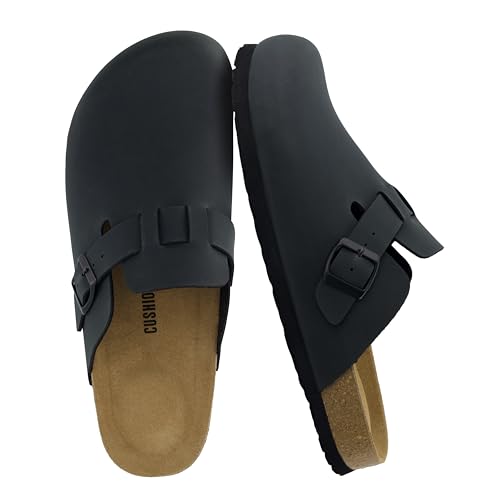


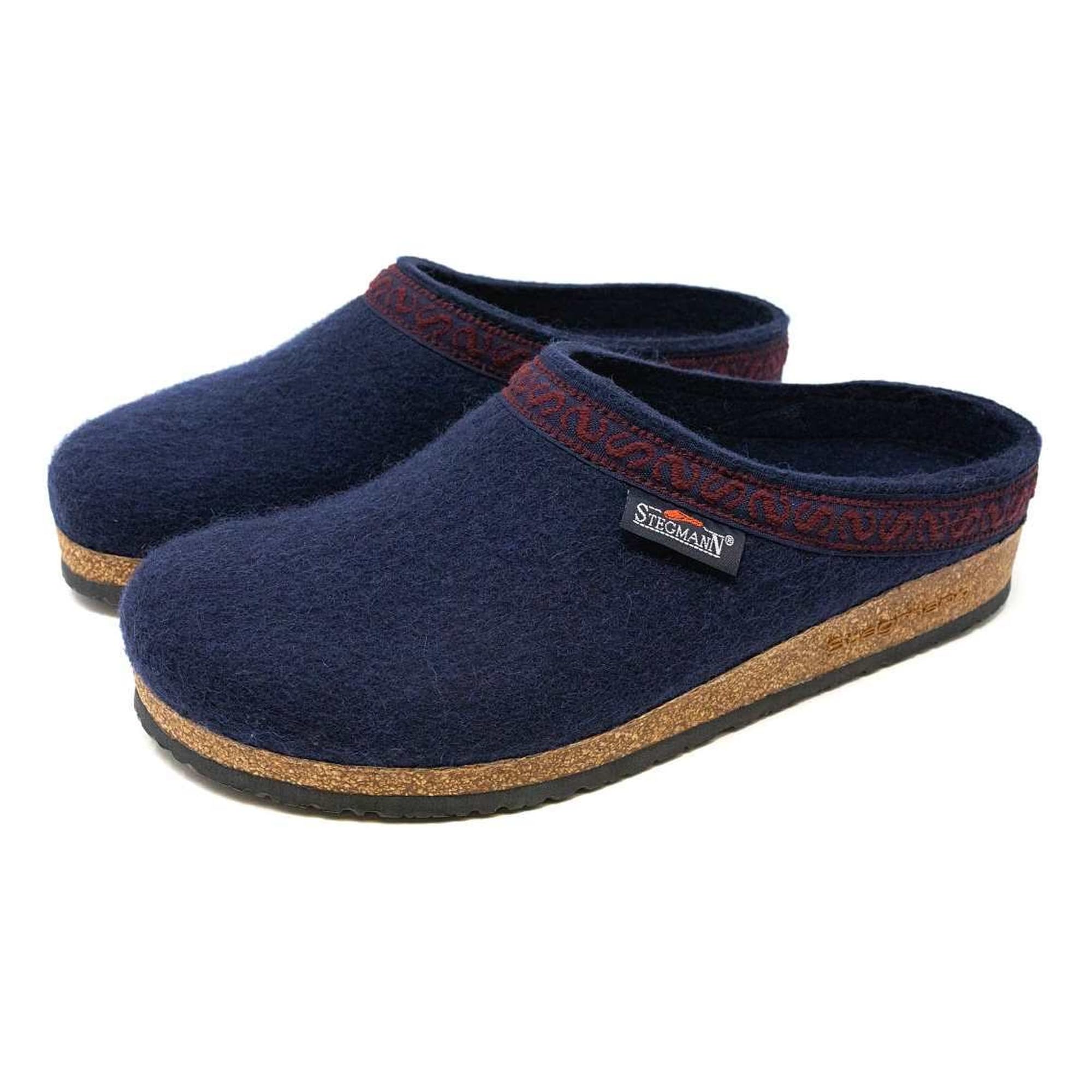
Clog Sandals 101: The Basics
A clog sandal pairs a covered toe front with an open or strapped back, all on a molded footbed that supports the heel and arch. The covered front protects your toes from bumps, cart wheels, and dropped tools, while the open back keeps the shoe easy to slip on and cooler than a full shoe. That blend explains why the style shows up in gardens, kitchens, workshops, and casual offices.
Key terms are simple. The toe box is the room around your toes. The footbed is the shaped surface under your sole, and the outsole is the gripping layer on the ground.
A neutral footbed suits average arches without pushing the foot inward or outward. Arch support, breathability, and outsole grip are the three ideas to carry through every section that follows.
Key Specs Explained in Plain English
What Men Should Look For
Men often need larger sizes, wider fits, and straps and soles built for heavier loads, so start by checking the size range and width options before anything else. A footbed with firm arch support and a deep heel cup keeps the foot stable during long days, and a closed toe with some height gives room for thicker socks in cool weather. Weight matters too, since a heavy pair drags on travel days.
Finally, look at style honesty. A clean leather or matte foam pair pairs with shorts and casual trousers alike.
Fit, Sizing, and Toe Box
Measure your feet in the afternoon, stand while you do it, and trust the length in the brand chart over your usual shoe size. Your heel should sit inside the heel cup, your toes should lie flat, and a small gap should remain at the front. Men with wide feet should choose a wide fit rather than sizing up, because extra length alone lets the foot slide and rub. If one foot is larger, fit that foot and use an insole in the other shoe if needed.
Outsole Traction and Terrain
The outsole decides where the shoe feels safe. Shallow tread on a smooth sole works for indoor floors and dry pavement, while deeper lugs grip grass, gravel, and wet decks with more confidence. Rubber compounds grip better than hard plastic, and some soles use well known tread patterns from outdoor footwear for proven hold.
Think about your ground. Kitchen and workshop floors call for grip on smooth, sometimes slick surfaces, while yard work calls for lugs that shed mud instead of packing with it.
Weight and Flexibility
Foam pairs feel feather light and suit travel, errands, and post workout recovery, while leather pairs weigh more but bring structure and a longer life. Flexibility should match your use. A sole that bends at the ball of the foot walks naturally on long outings, and a stiffer sole shields the foot on rough ground and during long standing.
A quick home check helps. Hold the shoe and twist it gently. A pair that twists like a towel offers little support, while one that resists a little will feel steadier.
Upper Materials and Breathability
Leather uppers look sharp, shape to your foot, and handle daily wear well with simple care. Molded foam uppers rinse clean, dry fast, and laugh off rain, which makes them a favorite for yard and beach use. Fabric and knit uppers breathe the best on hot days but stain more easily and dry slowly.
If your feet sweat, favor open backs, vents, or perforated fronts. Our guide to the best leather sandals for men covers leather grades and care in more depth if that material leads your list.
Rookie Mistakes to Avoid
- Ordering your trainer size blindly. Clog sizing varies by brand, and a size chart check takes one minute and saves a return.
- Picking a flat fashion footbed for work. Long shifts on hard floors demand real arch support, not a thin padded sole.
- Ignoring width. Many men squeeze into a standard fit and blame the style, when a wide fit would have solved the problem.
- Using leather pairs for wet jobs. Soaked leather dries stiff and cracks, so save it for dry settings and use foam for wet ones.
- Judging grip on dry store floors only. A sole that feels fine dry may slide on wet tile, so check the tread pattern and rubber type.
Getting Started: Setup and First Use
Try your new pair at home first, on both hard floors and carpet, and walk for at least half an hour. Your heel should stay in the cup, the strap should hold without pinching, and your toes should never need to grip to keep the shoe in place. Wear the socks you plan to use most, since sock thickness changes fit more than most buyers expect.
Build up wear time over the first week, and air dry wet shoes away from direct heat to protect foam and leather alike. Foam pairs wash with mild soap and water, while leather pairs need a wipe down and an occasional conditioner. Rotation helps any pair last, and the common running shoe guidance of replacing footwear after heavy mileage applies in spirit here too. Once support feels flat or tread looks smooth, it is time to shop again, perhaps starting with the broader best clog sandals guide for the full category view.
Clog Sandals: Your Questions Answered
What makes clog sandals for men different?
Pairs built for men usually offer larger sizes, wider lasts, deeper heel cups, and soles rated for heavier loads. Straps and uppers also tend to sit higher over the foot to suit a larger instep. Style leans plainer, with darker colors and fewer ornaments. Function comes first, so check width and footbed depth rather than assuming a unisex pair will fit the same.
Can I wear them all day?
Yes, a supportive pair suits full days of standing and light walking, and many men wear them for work shifts and travel. Build up gradually during the first week, and take a seated break now and then. If you plan long sightseeing walks, compare features with our guide to the best walking sandals for men, since walking focused designs add firmer midsoles and stronger straps.
How often should I replace my clog sandals?
Most daily wear pairs last one to two years before the footbed packs down and the tread smooths out. Replace sooner if your arches ache in a pair that once felt fine, or if cracks appear near the strap joins. A worn insole can sometimes extend life for a season, but a dead midsole cannot be revived, so fresh support is the real fix.
How should clog sandals fit?
Your heel should rest in the heel cup, your arch should meet the raised support, and your toes should lie flat with a small gap at the front. The shoe should stay on without toe gripping as you walk. On stairs, your foot should not slide forward. If it does, try the strap setting first, then a different size or width.
How long is the break in period?
Foam pairs often feel right within a day or two, while leather pairs may need one to two weeks of short wears. Wear them at home in the evenings, where you can switch shoes if a hot spot forms. Pain that grows rather than fades means the fit is wrong, and no amount of patience will turn a pinching pair into a comfortable one.
Do I need waterproof shoes?
No, most men do better with water friendly clog sandals than with sealed waterproof ones. The open back lets water in anyway, so quick drying foam beats a membrane that traps heat. For rain soaked commutes or fishing, a closed waterproof boot is the honest tool. Save clog sandals for settings where splashes, not submersion, are the norm.
Are expensive clog sandals worth it?
They can be, when the price buys a shaped supportive footbed, durable leather or dense foam, and stitching that survives daily use. Occasional wearers can save money with a simple foam pair. Men with foot pain should also review our guide to the best orthopedic sandals for men, and anyone who wants a dressier open style can browse the best looking sandals for men for style led options.
Final Thoughts
Check width and size first, then footbed support, then the outsole grip for your ground. Those three steps will point you to the right pair in the product table above without guesswork. Choose the best clog sandals for men for your actual routine, break them in gently, and they will earn a spot by the door in no time.