
Best Charcoal Toothpastes: Formats Compared and How to Choose for 2026
Disclosure: We may earn a commission when you buy through links on this page, at no extra cost to you. As an Amazon Associate I earn from qualifying purchases. Learn more
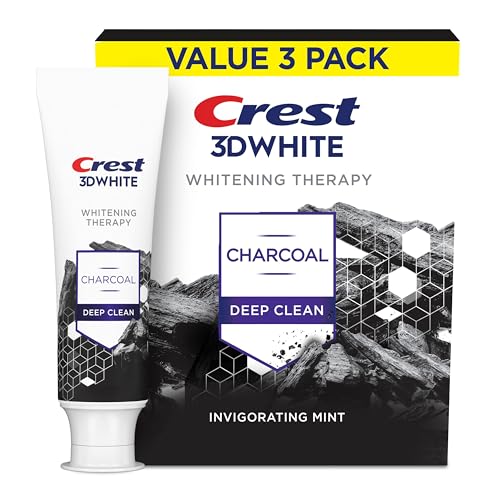
Compare the best charcoal toothpastes by format, fluoride choice, texture and price, and ask your dentist before you switch.
Shopping for the best charcoal toothpastes can feel confusing, because black tubes look alike while the formulas inside differ a great deal. Some are ordinary fluoride pastes with a little charcoal added, some skip fluoride altogether, and some come as chewable tablets instead of a tube. This guide sorts the main formats so you can match one to your routine, your taste, and your dentist's advice instead of guessing from the front of the pack.
Use the comparison table below to see the tubes and tablets currently listed, then read the format notes and the label checklist. If you have sensitive teeth or gums, dental work, or any condition you are unsure about, ask your dentist before you switch products.
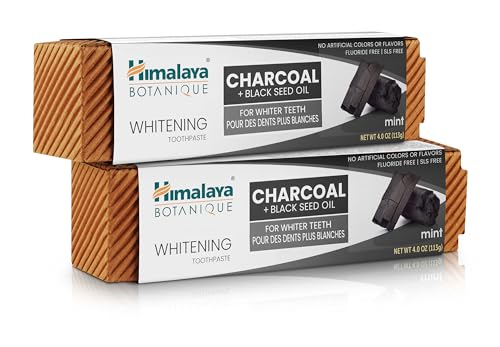


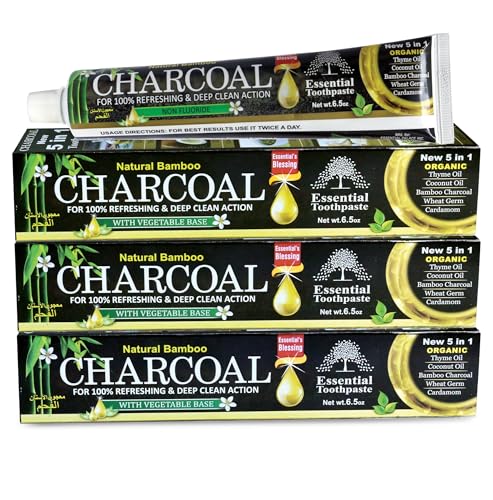

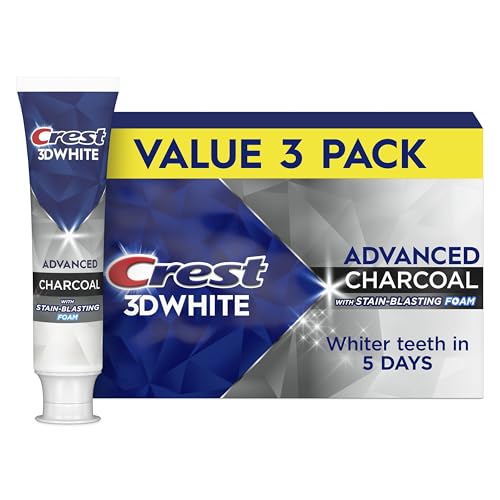
Charcoal Toothpaste Formats Compared
The table sums up the formats most buyers choose between. Treat it as a map rather than a verdict, because the right fit depends on your mouth, your habits, and your budget.
| Format | Best For | Pros | Cons | Typical Price |
|---|---|---|---|---|
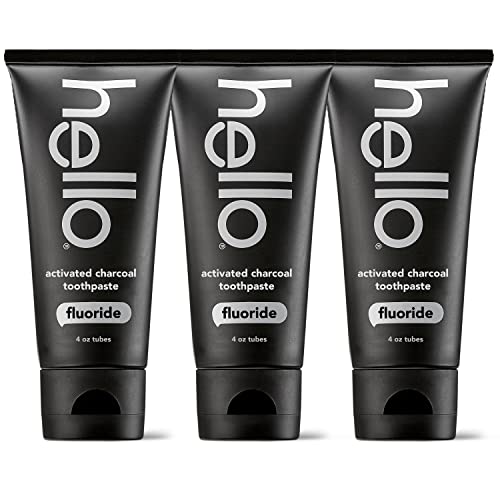
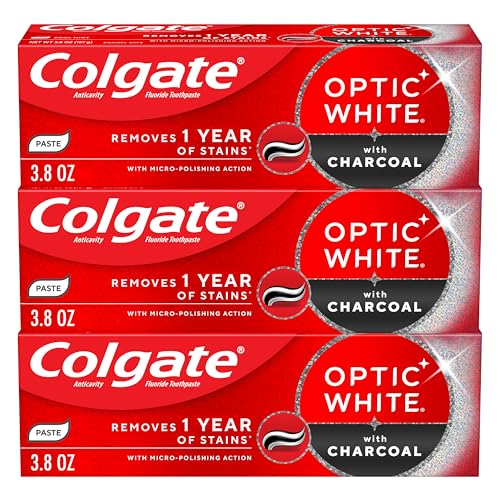
| Fluoride charcoal tube | Daily brushing with a familiar paste | Standard texture and wide flavor range | Dark paste can mark sinks and towels | around $6 to $23 |
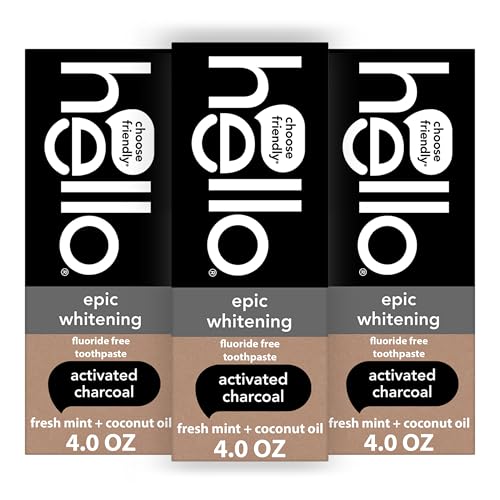
| Fluoride free charcoal tube | Buyers who prefer to avoid fluoride | Natural style ingredient lists | Check with your dentist before switching | around $6 to $18 |
| Charcoal toothpaste tablets | Travel and plastic free routines | Compact, no tube, easy to pack | Higher cost per use, unfamiliar texture | around $12 to $25 |
| Multi pack tubes | Households that use one paste | Lower cost per tube | Needs storage space | around $13 to $18 |
Fluoride or Fluoride Free
This is the biggest choice on the label. Fluoride pastes follow the standard approach most dental professionals describe for daily brushing, while fluoride free pastes appeal to people who prefer to avoid the ingredient. Neither is right for everyone, and the decision belongs with you and your dentist, particularly if you have a history of cavities, weak enamel, or young children in the house. Read the label carefully, because some pastes mention fluoride in small print while others advertise its absence in large print.
Texture, Grit and Daily Comfort
Charcoal is a gritty ingredient, and how that grit feels in your mouth depends on the grind and the base paste. A fine, smooth formula feels close to an ordinary paste, while a coarse one can feel scratchy. People with sensitive teeth or receding gums should favor a gentle texture, brush softly with a soft brush, and stop using any paste that causes lasting discomfort. If a new tube leaves your gums sore or your teeth sensitive after a week, switch back and ask your dentist about it.
Flavor, Foam and Staining
Most charcoal pastes use mint, spearmint, or herbal flavors, and some add a mild sweetener to soften the earthy taste. Foam varies as well: a strong lather feels cleaner to some people, while a low foam paste suits those who dislike it. Because the paste is dark, rinse the sink and cap after brushing, wipe the tube neck, and check whether the paste marks towels or toothbrush bristles. A flavor you enjoy matters more than any claim on the box, because a paste you dislike is a paste you stop using.
Toothpaste Tablets and Travel Formats
Tablets are chewed to a foam and brushed in, with no tube, no water in the formula, and no liquid to carry through airport security. They suit travel and anyone trying to cut plastic waste. The trade offs are a higher cost per brushing and a texture that takes a few days to get used to. Our guide to best toothpaste tablets compares those formats in more detail, including options without charcoal.
Reading the Claims on the Tube
Packaging for charcoal pastes leans on words like detox, natural, and brightening. Those words are marketing, not measurements, so look past them to the ingredient list, the fluoride statement, and any seal or approval a recognized dental body has actually granted. Be skeptical of dramatic promises, because any effect on stains from food and drink is gradual, and no paste changes the natural shade of your teeth. If a brighter smile is your main goal, our guide to best charcoal whitening toothpaste and the wider best whitening toothpaste guide go further.
Price and Value
Tubes in the table run from a few dollars for a single standard tube to around $23 for premium formulas and multi packs. Compare the amount in each tube, not just the shelf price, and work out the cost per month at your brushing rate. A multi pack lowers the cost per tube only if you will use it before the expiry date, and tablets look expensive until you count how many brushings a jar provides.
Care and Storage
Keep the cap closed and the tube upright in a dry place away from heat and direct sun, and wipe dried paste from the neck so the cap seals. Replace your toothbrush or brush head about every three months, because a worn brush cleans less well whichever paste you use. Check the expiry date before opening a tube that has been in the cupboard for a while, and discard any paste that has changed in smell or texture.
Charcoal Toothpastes: Your Questions Answered
Are expensive charcoal toothpastes worth it?
An expensive tube can be worth it if you like its texture, flavor, or packaging and will use it twice a day. It is not worth paying more for claims you cannot verify. Compare tube size as well as shelf price, and try a mid priced tube first if you are unsure what you like.
How much should I spend on a charcoal toothpaste?
Most buyers spend roughly $6 to $18 for a standard tube. Start near the lower end if you are new to charcoal pastes, and move up only if you miss a smoother texture or a wider flavor range.
What features matter most?
Fluoride content, texture, flavor, and tube size matter most, followed by cap style and packaging. Read the whole ingredient list if you have a sensitivity, and ask your dentist about anything you are unsure of.
Can I use charcoal toothpaste every day?
Many people do, but daily use only suits you if the paste feels comfortable. Follow the directions on the label, use a soft brush and gentle pressure, and ask your dentist if you notice sensitivity.
How long does a tube last?
A standard tube often lasts about four to eight weeks for one person brushing twice a day, depending on size and how much paste you use. Track your first tube to learn your own rate.
Our Verdict
For most buyers, a fluoride tube from a known maker in a flavor you like is the simplest starting point, with fluoride free tubes and tablets as alternatives for specific preferences. Check the label, rinse the sink after brushing, and ask your dentist before you change your routine. Use the product table above to compare the formats once more, then choose the best charcoal toothpastes option you will happily use every day.

