
Best Climbing Watches: A Practical Buying Guide for 2026
Disclosure: We may earn a commission when you buy through links on this page, at no extra cost to you. As an Amazon Associate I earn from qualifying purchases. Learn more

Climbers and hikers can compare the best climbing watches by altimeter, GPS, battery life, durability, and readability before choosing one for the mountains.
Choosing the best climbing watches gets confusing fast, because listings mix simple altimeter watches, full GPS mapping watches, and everyday smartwatches under the same label. On a climb, what matters is whether the watch gives you altitude, pressure trend, and direction you can trust, reads at a glance with gloves on, and keeps running for the whole trip. This guide explains those features in plain language so you can compare options with confidence.
The comparison table below lets you scan options quickly, while the sections that follow explain how sensors, battery, case size, and durability change what a watch does for you on rock, snow, and long approaches.


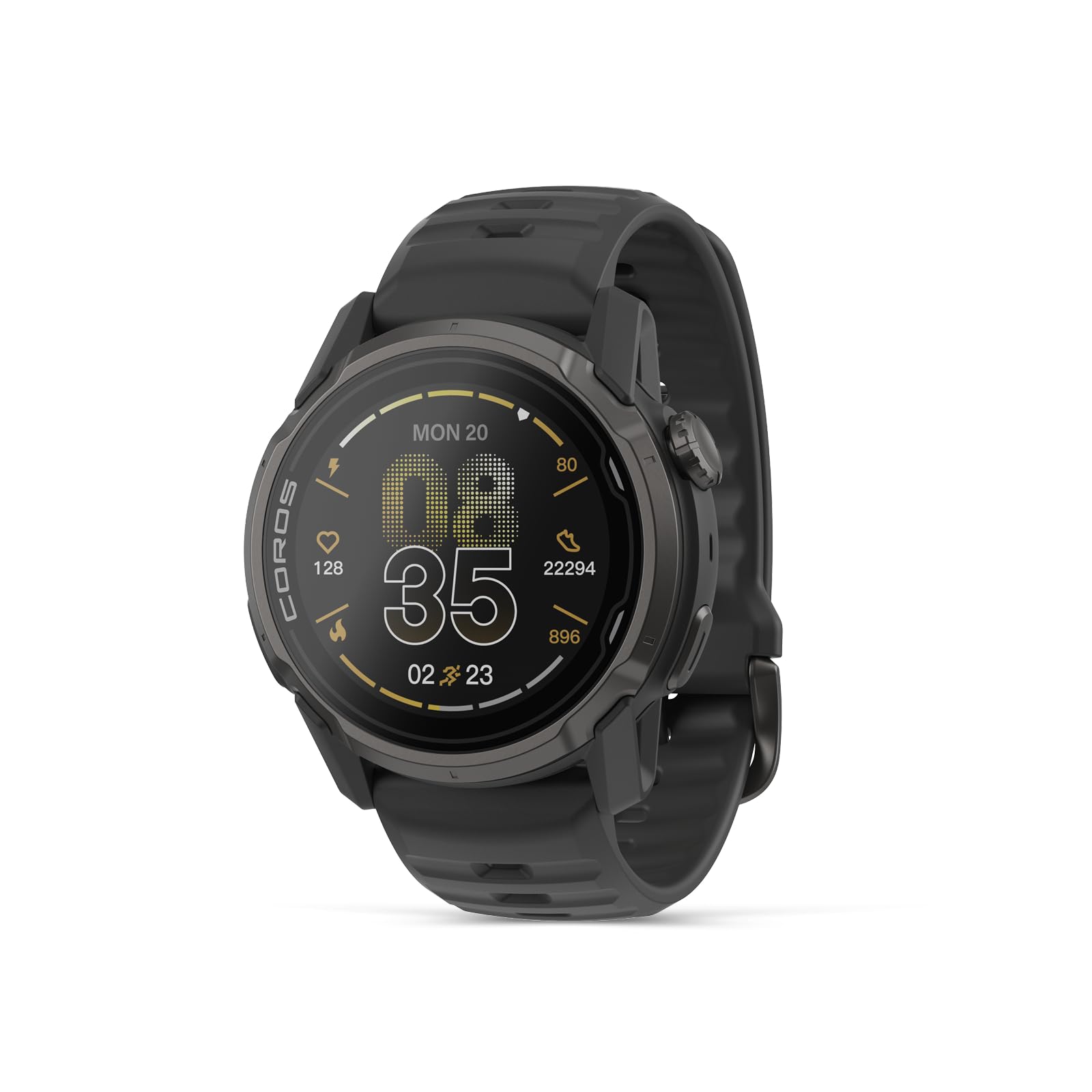


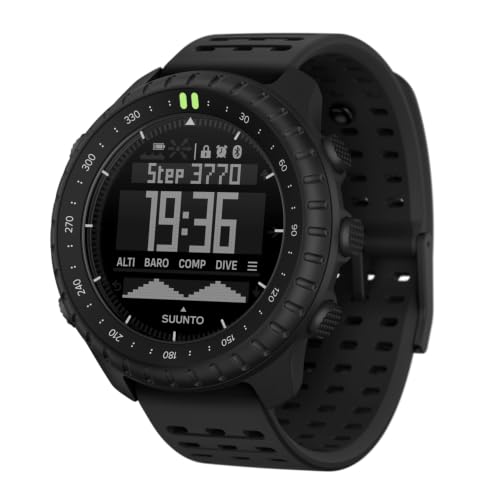

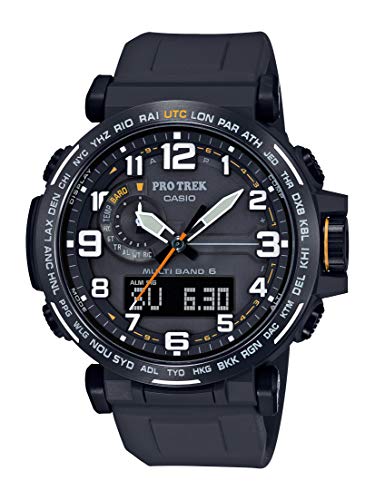


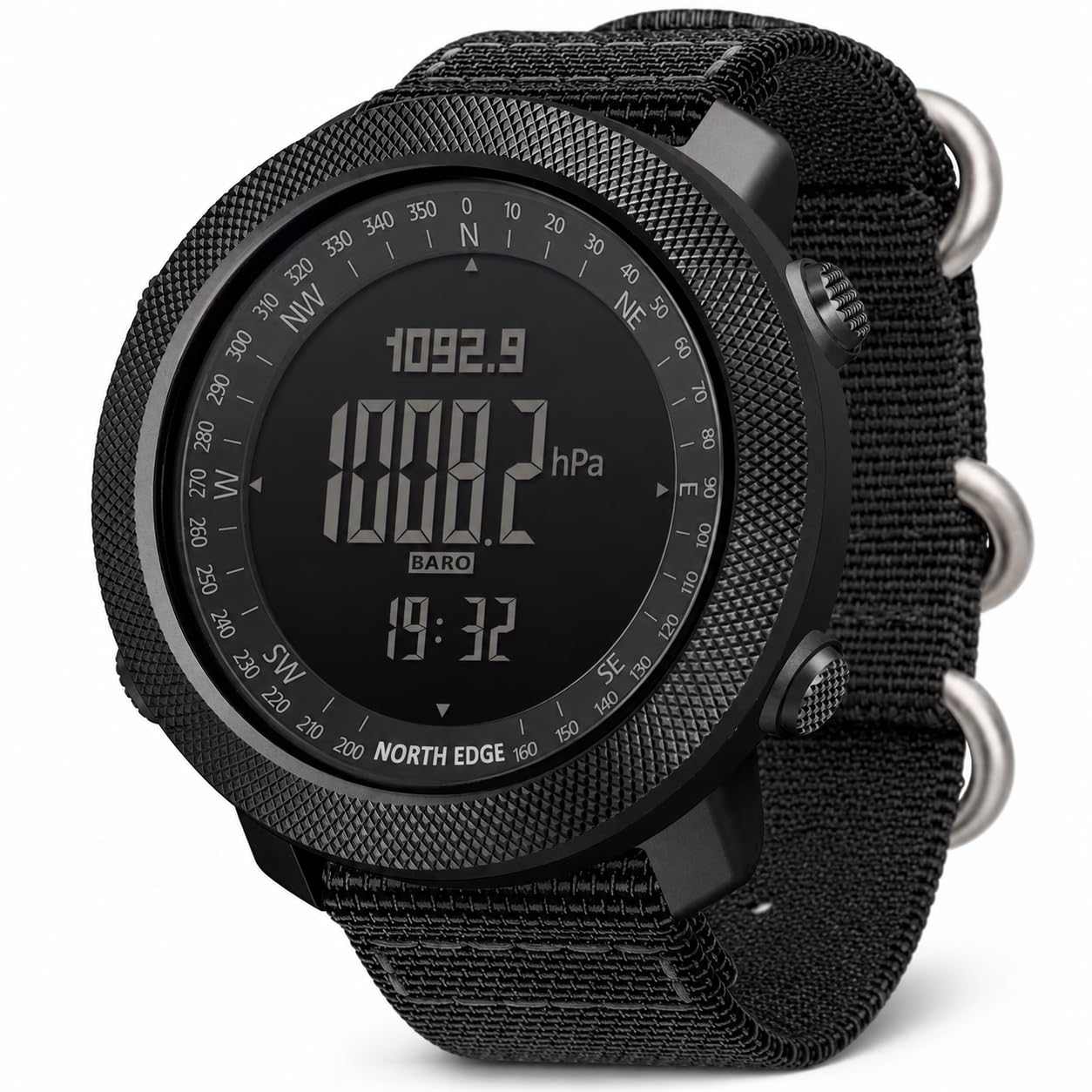
Who Should Buy Which Climbing Watch
Different climbers need different strengths from the best climbing watches, so start with your own routine rather than a general ranking. The groups below cover the most common needs, and the product table above can help you match them to options.
Alpine Climbers and Mountaineers
Alpine routes reward a barometric altimeter, a storm alarm that reacts to a fast pressure drop, and a battery that lasts several days in the cold. Readability with gloves matters more than a long app list, so look for big digits, strong backlighting, and buttons rather than touch only controls. Solar charging helps on multi day trips where you cannot plug in.
Rock Climbers and Boulderers
On rock, a watch mostly needs to stay out of the way. A low profile case that does not catch on cracks or a harness, a scratch resistant crystal, and a secure strap matter more than mapping. Many rock climbers prefer a compact altimeter watch or a tough basic model, since the main jobs are tracking time to the descent and knowing how much daylight remains. Our guide to the best rock climbing watches looks at this use in more detail.
Hikers and Scramblers on Long Approaches
If your climbing involves long approaches and descents, GPS tracking, route back functions, and offline maps earn their cost. A track back feature can guide you to the trailhead in poor visibility, and breadcrumb trails help you retrace a descent in the dark. Battery life in GPS mode becomes the key figure, because a watch that dies at the summit helps nobody on the way down. For high peaks specifically, see our guide to the best watches for mountain climbing.
Key Features to Compare in Climbing Watches
Altimeter and Barometer
A barometric altimeter measures air pressure to estimate height, and pressure also drifts with weather, so the reading wanders over a long day. Calibrate at a known height such as the trailhead or a marked col, and recalibrate at the next known point. A pressure trend graph is more useful than a single number, because a steady fall over a few hours often signals weather change before clouds arrive. Some watches combine GPS and barometric data to limit drift.
Compass and Navigation
A digital compass helps you orient a map and follow a bearing in whiteout conditions, but it needs calibration and sits badly near magnets and metal gear. GPS adds position, speed, and distance, and the better outdoor watches store routes you load before the trip. Check how a watch handles signal in valleys and forests, since narrow canyons and dense trees degrade accuracy. A watch never replaces a map and compass, but it makes both easier to use well.
Battery Life and Charging
Battery claims are usually quoted in standby or watch only mode, so look for the GPS mode figure, which is often a fraction of the headline number. Cold shortens battery life further. Solar charging on some models extends trips when the dial sees sun, and a simple quartz altimeter watch can run for months on one cell. If you take multi day trips, plan a charging strategy or choose a watch whose GPS runtime covers the whole route.
Durability and Water Resistance
Climbing watches take hits from rock, ice tools, and pack straps. Fiber reinforced or metal cases, recessed or sapphire crystals, and raised bezels protect the display, while a strap with a secure keeper stops the watch sliding off when it snags. Water resistance of 100 meters covers rain, snow, and stream crossings comfortably; a 50 meter rating handles splashes and sweat. Follow the maker guidance on buttons underwater and on seal checks when a battery is changed.
Display and Readability
Transflective displays read well in bright sun and sip power, while bright color screens look sharper indoors but drain batteries and can wash out on snow. Large digits, a strong backlight, and physical buttons that work with gloves matter on cold summits. If you climb at night or start early, check that the backlight is easy to trigger by feel.
Case Size and Strap Fit
Cases run from compact models around 40 mm to large ones near 50 mm. A larger case reads easier but catches on cracks and sleeves, so rock climbers often prefer the smaller end. The strap should fit over a base layer and under a jacket cuff, and a silicone or nylon strap handles sweat and cold better than leather.
Types of Climbing Watches
Altimeter Barometer Compass Watches
These watches, often called ABC watches, deliver the core mountain data in a simple durable case with months of battery life. They suit climbers who want altitude, weather trend, and direction without mapping or phone features, and they cost less than GPS models. Their limit is navigation, since they cannot show position or a route.
GPS Outdoor Watches
GPS watches add position, route tracking, track back, and training data to the ABC sensors, usually in a larger case. They suit mountaineers, hikers, and anyone who descends in poor visibility. Battery life in GPS mode and map support are the two figures that separate models at this level.
Smartwatches With Outdoor Modes
General smartwatches now include altimeters, compasses, and GPS alongside notifications and apps. They suit climbers who want one watch for the office and the crag, but shorter battery life and bright screens that struggle in snow make them a compromise for serious alpine days. Choose one only if daily use matters as much as mountain use.
Common Mistakes to Avoid
- Relying on a watch alone for navigation in serious terrain instead of carrying a map and compass as well.
- Judging battery life by the standby claim rather than the GPS mode figure.
- Choosing a large, protruding watch that catches on rock, cracks, and gear.
- Skipping altimeter and compass calibration at the start of the day.
- Buying mapping features you will never load routes onto, when a simple altimeter watch would serve.
How to Choose Step by Step
- List the mountain features you truly need: altitude and weather trend, direction, or full GPS navigation.
- Check the GPS mode battery figure against your longest planned day or trip.
- Decide on case size by the climbing you do most, smaller for rock and cracks, larger for readability on glaciers.
- Confirm the strap fits over your layers and the water rating covers your conditions, then check return terms before ordering.
Care and Long Term Use
Rinse the watch in fresh water after exposure to salt, mud, or heavy sweat, and keep the barometer sensor port clear of grit, since a blocked port gives false pressure readings. Charge with the correct cable, and update maps and firmware at home before a trip rather than at the trailhead. Store the watch away from strong magnets, which can disturb the compass until it is recalibrated.
Check the strap, keeper, and crystal for cracks after hard use. If the display fogs, the battery swells, or GPS fails repeatedly, have the watch serviced before you rely on it outdoors again.
Safety Notes to Keep in Mind
A watch is an aid, not a substitute for a map, compass, route knowledge, and sound judgment in the mountains. Altimeter readings drift, GPS signal fails in canyons, and batteries die in the cold. If weather worsens, visibility drops, or anyone in the party feels unwell, turn back early and seek help promptly rather than trusting a device alone.
Frequently Asked Questions
Do I need GPS on a climbing watch?
Not for every climb. A simple altimeter watch covers most day routes with a clear descent, while GPS earns its cost on long approaches, glaciers, and descents in poor visibility where track back can guide you out. Decide by the terrain you climb most, not by the hardest trip you might take once.
How accurate is a watch altimeter?
Barometric altimeters are accurate to within a few meters right after calibration, then drift as weather changes pressure through the day. Recalibrate at known heights, treat readings as guidance, and use the pressure trend as a weather tool as much as a height tool. Watches that blend GPS and barometric data drift less.
Can I climb with an ordinary smartwatch?
Yes, if the case is low profile, the strap is secure, and the crystal resists scratches. The trade offs are battery life, often a day or two with GPS running, and bright screens that are hard to read on snow. For gym climbing and short crag days a smartwatch is fine; for alpine routes a dedicated outdoor watch is the safer tool.
How long should the battery last outdoors?
It depends on GPS use, backlight, and temperature, so expect less than the standby claim and less again in the cold. Many GPS watches give a day or two of continuous tracking, while solar models and ABC watches run far longer. Carry a small power bank on multi day trips or choose a watch whose GPS runtime covers your route.
What water rating do I need?
A 50 meter rating handles rain, snow, and sweat for most climbing. Choose 100 meters or more if you swim, cross rivers, or want extra margin against seal wear. Ratings describe controlled conditions, so follow the maker guidance on buttons underwater and have seals checked when a battery is replaced.
Final Thoughts
The product table above gives a quick overview, but the right watch comes from matching sensors, battery, and case size to the climbing you actually do. Alpine climbers should put altimeter accuracy and battery first, rock climbers should put a slim durable case first, and hikers on long approaches should put GPS runtime first. When you are ready, choose the best climbing watches option that fits your routes and your budget, and remember that it supports your judgment in the mountains rather than replacing it.


