
Best Climbing Shoes Rei: A Buyer Checklist for 2026
Disclosure: We may earn a commission when you buy through links on this page, at no extra cost to you. As an Amazon Associate I earn from qualifying purchases. Learn more
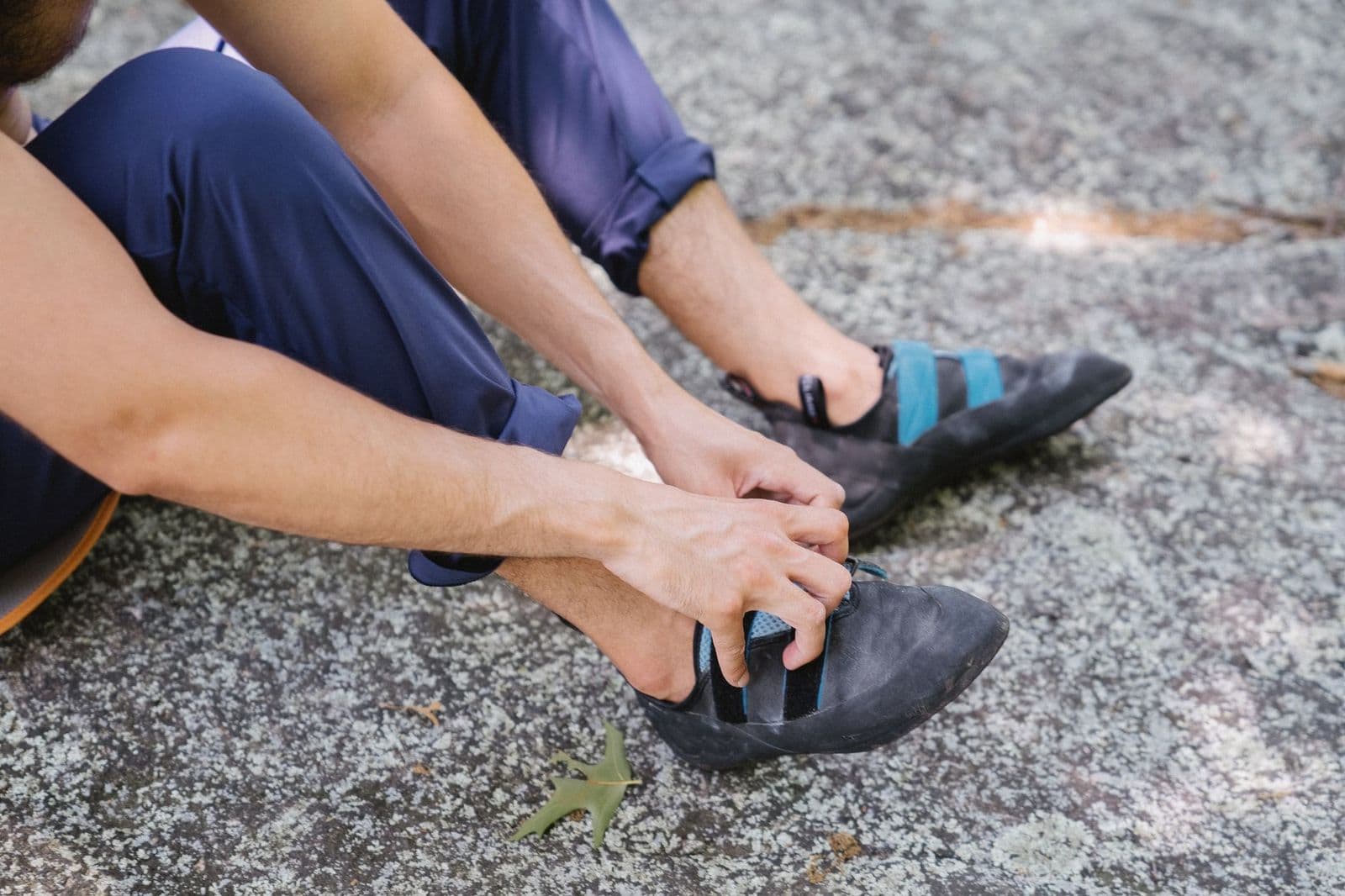
REI shoppers can use this checklist to sort the best climbing shoes rei stores carry by fit, grip, downturn, closure, and value for gym and rock use.
Shopping at a large outdoor retailer gives you many climbing shoes in one place, but that choice can feel confusing without a clear way to judge them. This guide gives you a simple checklist for the best climbing shoes rei shoppers tend to compare, so you can sort options by fit, shape, and intended use before you spend.
Use the checklist first, then score the pairs on the shelf against the points that matter most. A shoe that scores well for your foot shape and your usual walls will serve you far better than a shoe chosen only for its color or price.
How to Evaluate Climbing Shoes at REI
A good evaluation starts before you look at any single pair. Decide where you climb most, how long your sessions last, and how much precision you need on small footholds. Then score each pair against the six criteria below, and let weak scores rule a pair out early.
Skill Level and Intended Use
Your current level should drive the shape you choose. New climbers usually do best in a flat and comfortable shoe that lets the foot work naturally while technique improves. Intermediate climbers often want a mild downturn and a stiffer forefoot for longer routes. Advanced climbers may accept a strong downturn and a tight fit for steep walls, but that same shoe can punish a new climber during a long session.
Performance Characteristics
Look at grip, edging support, and sensitivity as a linked set. Soft rubber and a thin sole feel sticky and let you sense the hold, yet they wear faster and offer less support on tiny edges. A stiffer sole holds an edge with less foot fatigue, though it feels less precise on smears. Forgiveness matters too, because a shoe that tolerates slightly loose foot placement helps you learn without constant slipping.
Value and Included Accessories
Value is more than the lowest price on the shelf. Check what comes in the box, whether a storage bag is included, and how the return and exchange policy handles a sizing mistake. A pair that fits well and lasts a full season costs less over time than a cheap pair you replace early. Also factor in the cost of a future resole, since a shoe that can be resoled often gives better long term value.
Size, Weight, and Fit
Fit is the single factor that can make or break a shoe. Your toes should touch the front without sharp pain, your heel should stay seated when you stand on an edge, and there should be no empty pockets of air around the midfoot. Try shoes late in the day when feet are slightly larger, and compare sizes across brands because size charts differ. If you are between sizes, comfort for your main use should win.
For a closer look at how styling and gym focused designs differ, see our guide to the best looking climbing shoes and notice how often looks trade against pure performance.
Safety and Certifications
Climbing shoes are footwear, not protective gear, so safety here means sound construction and honest labeling. Check stitching, the bond between upper and sole, and any recall or safety notice tied to the brand. Avoid pairs with vague material claims or no clear care guidance. If you climb outdoors, also remember that no shoe replaces careful spotting, sound anchors, and attention to rock quality and weather.
Portability and Storage
A pair you carry to the gym three times a week should be easy to pack and air out. Light shoes with a simple closure travel well in a small bag and dry faster after a session. Look for a heel loop that clips to a harness or pack, and store shoes in a breathable bag rather than a sealed plastic sack. Good airflow between sessions also slows odor and keeps the lining in better shape.
Three Price Tiers That Pass Our Checklist
Instead of naming single pairs, use the tiers below to judge any option on the shelf. Each tier can pass the checklist if the fit is right. Your job is to match the tier to your level, your session length, and how often you climb each week.
Best Overall Tier
The overall tier suits climbers who want one pair for gym routes, bouldering, and occasional outdoor days. Expect a moderate downturn, balanced rubber that both grips and edges, and a closure that lets you fine tune fit during a session. The main strength is versatility across angles and hold types. The limit is that a true all rounder will not match a specialist shoe on very steep walls or on long slab routes where a flat shoe shines.
Best Value Tier
The value tier suits new and returning climbers who want a dependable pair without paying for race level precision. Expect a flatter shape, durable rubber, and a focus on comfort during long wear. That mix helps you build foot strength and technique while spending less at the start. The trade off is less power on small holds and less sensitivity, so progressing climbers may outgrow this tier once they climb harder grades indoors. For that starting point, our guide to the best starter climbing shoes explains the comfort features to prioritize.
Best Premium Tier
The premium tier suits experienced climbers who climb steep terrain and need power through the toes. Expect a clear downturn, high grip rubber, and a close fit that may feel snug for the first few sessions. The strengths are precision on pockets and strong heel hooking support. The limit is comfort and price, plus faster rubber wear. If your climbing is mostly vertical, this tier may add cost without adding much benefit for your routine.
Quick Buyer Checklist
Run through these questions before you buy, and treat any clear no as a reason to pause. A short pause now is cheaper than a pair that sits unused in your closet.
- Does the shoe match the walls and grades you climb most often?
- Do your toes touch the front without sharp or lasting pain?
- Does your heel stay in place during a heel hook in store?
- Is the downturn level right for your current skill and goals?
- Can you adjust the closure quickly between climbs?
- Does the rubber type suit indoor, outdoor, or mixed use?
- Do you understand the return window if the size feels wrong at home?
- Does the price leave room in your budget for chalk and gym fees?
Red Flags to Watch For
Walk away from pairs with vague sizing guidance and no clear exchange path, since fit problems are common and costly. Be wary of reviews that praise every trait with no limits mentioned, or ratings that jump in a short burst with similar wording. Short or unclear warranty terms are another warning sign. Also avoid uppers that feel thin at stress points, soles with uneven bonding, and closures that slip when you pull them snug. When sport routes are your main goal, compare the cautions here with our guide to the best sport climbing shoes before you decide.
Care and Maintenance Tips
Store shoes out of direct sun and away from extreme heat, which can damage rubber and adhesives. Check wear before each use, especially thinning rubber at the toes and loose stitching near the closure. Clean and dry shoes after outdoor use with a soft brush and air drying, never with a dryer. Loosen closures before storage so the shape relaxes, and keep shoes in a dry and ventilated spot between sessions.
Frequently Asked Questions
Is it worth buying premium as a beginner?
Usually no, premium shoes are not the best first step for a beginner. A strong downturn and tight fit can cause pain that shortens sessions and slows learning. Start with a flatter and more forgiving pair, then upgrade once your footwork is clean and you know which wall angles you enjoy most. That order saves money and gives the premium pair a clearer purpose.
How long does it last?
Most climbing shoes last several months of regular gym use before the toe rubber thins. Outdoor use on rough rock, dragging toes on the wall, and frequent use can shorten that span. Watch for a smooth and shiny patch at the toe or fabric showing through the rubber. Resoling early, before the inner layer wears, can extend the life of a pair you love.
What size should I get?
Start near your street shoe size and adjust by brand and shape. Climbing shoes should feel snug with toes lightly curled or flat depending on the model, but never numb or sharply painful. Sizes vary a lot between brands, so use each size chart and try both feet. If one foot is larger, fit the larger foot and use closure tension to help the smaller one.
Indoor vs outdoor: does it matter?
Yes, the setting changes what you need from a shoe. Indoor holds reward soft and sticky rubber and a shape that works on volumes and smears, while outdoor rock often rewards edging support and durability. Many climbers keep one versatile pair for both at first. If you split your time, our guide to the best indoor climbing shoes covers the gym specific traits in more depth. As you progress, a second pair for outdoor days can make sense, and our guide to the best intermediate climbing shoes helps with that next step.
The Bottom Line
Focus on fit, downturn level, and rubber that matches your main setting, and most other choices become simple. Match the price tier to your level rather than your ambition, and use the checklist to rule out poor fits early. When you are ready, score your shortlist against this checklist and choose the best climbing shoes rei shoppers can find for your foot and your routine.


