
Best Climbing Shoes for Trad Made Simple: A Clear Buying Guide for 2026
Disclosure: We may earn a commission when you buy through links on this page, at no extra cost to you. As an Amazon Associate I earn from qualifying purchases. Learn more

Shopping for the best climbing shoes for trad for the first time? Learn the terms, compare options, and avoid rookie mistakes with this easy guide.
Buying your first pair for traditional climbing can feel confusing, because trad routes ask more from your feet than a short gym session does. You place your own protection as you climb, routes often run long, and your shoes stay on for hours at a time. This guide explains the best climbing shoes for trad in plain language, starting with the basics and ending with sizing and care.
Start with the comparison table below to see how models differ in fit, closure, and stiffness, then read on for the reasoning behind each choice. Trad rewards comfort and support over extreme tightness, so details like ankle height and sole stiffness matter more than bold colors. By the end, you will know how to read a size chart, judge rubber and fit, and order with confidence.


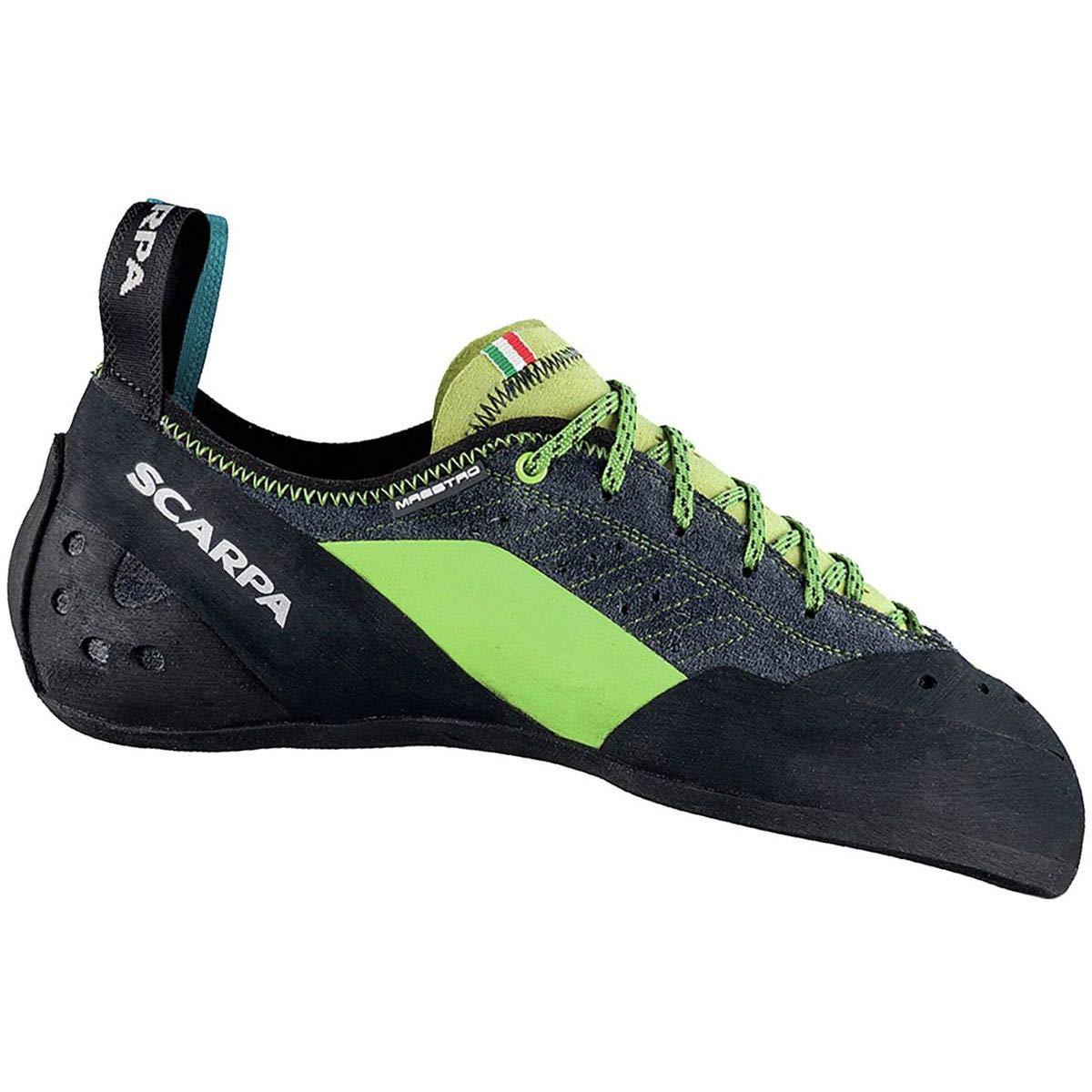

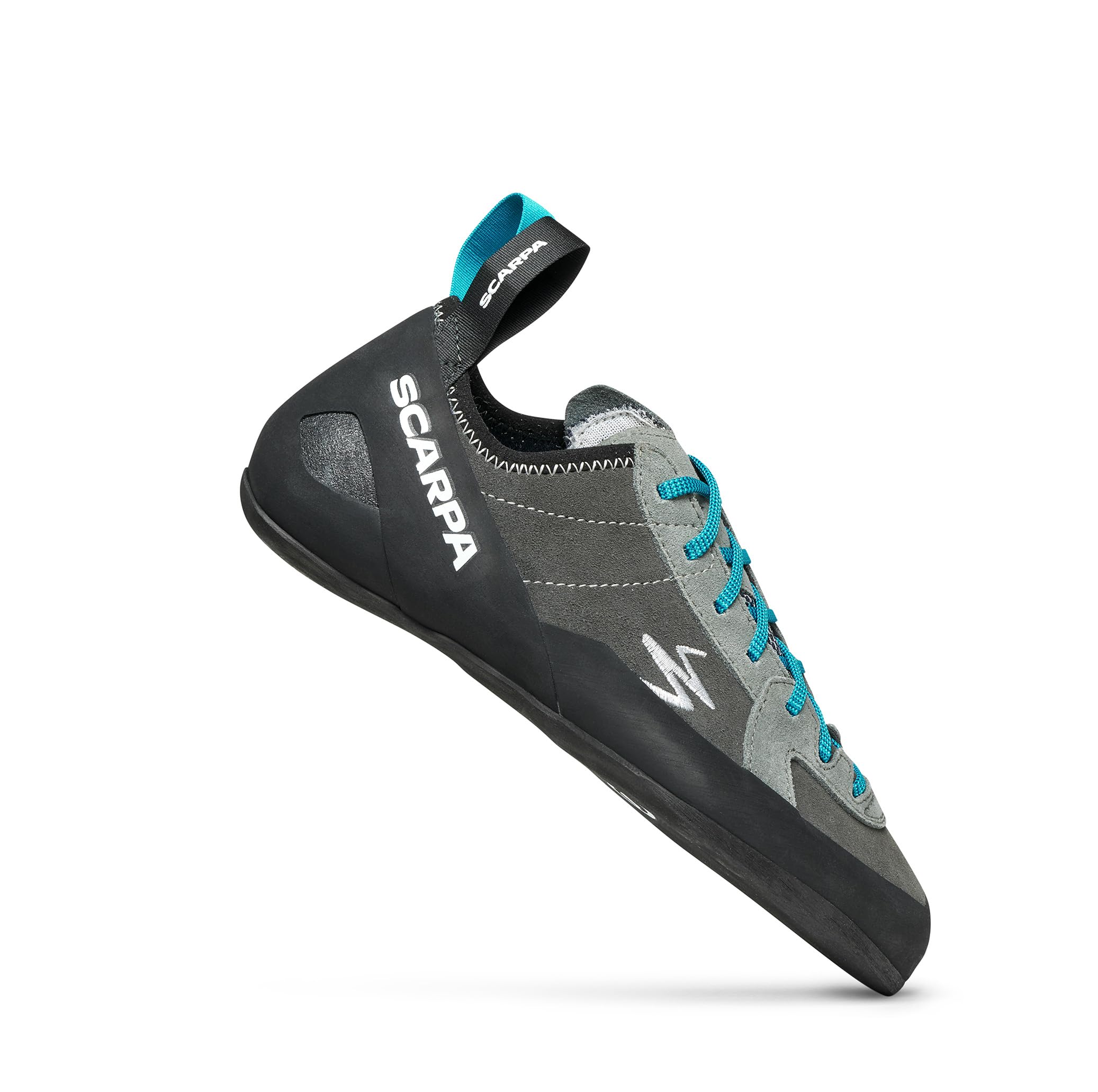

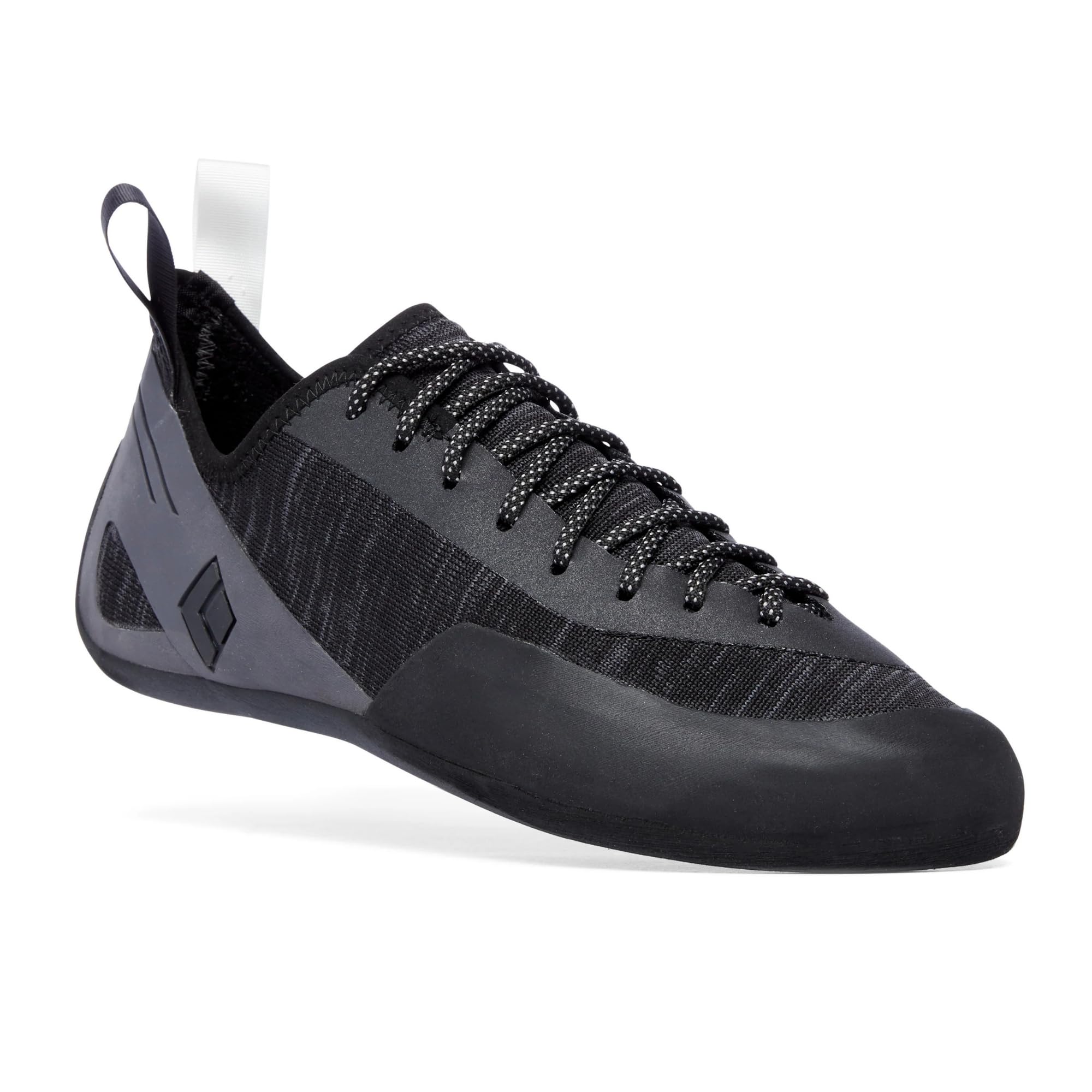


Climbing Shoes 101: The Basics
A climbing shoe is a close fitting shoe built around a sole of sticky rubber that grips rock far better than a trainer or hiking boot can. The snug fit puts your weight directly onto small edges and pockets, and the rubber creates friction on smooth slabs where a normal shoe would skate off.
Trad climbing shapes what you need from that design. Routes are often several pitches long, you may stand on small ledges at belays for long stretches, and you will push your feet into cracks as part of the climbing itself. A flatter profile, a supportive sole, and a fit you can tolerate for hours suit this style far better than a curved gym shoe. If you want a shorter overview of trad models only, see our guide to the best trad shoes.
A few part names will help you read any product page. The upper is the fabric or leather top, the lining is the inner layer against your skin, and the last is the foot shaped form the shoe is built on, which decides whether the fit runs narrow or wide. The midsole is the stiff layer under your toes, and the rand is the rubber band wrapping the toe and sides. When a listing shows a size chart, measure your foot length and match it to that chart, because lasts differ between brands.
Key Specs Explained in Plain English
Choosing the best climbing shoes for trad gets easier once you translate each spec into what it feels like on rock. The product table above gives you the raw numbers side by side, and the sections below explain what they change for your feet and your wallet.
Features That Matter for Trad
Stiffness comes first. A stiffer sole spreads your weight across the front of the foot, so standing on a thin edge uses the shoe structure instead of tiring your calves and toes. On long pitches that support means steady footwork instead of shaking legs near the top. A mostly flat profile works with that stiffness, keeping your foot natural for hours and sliding into cracks easily.
Closure and coverage come next. Laces let you loosen the shoe at a belay, tighten it for a hard pitch, and adjust for a thin sock, in smaller steps than hook and loop straps allow. A higher ankle protects your skin when your foot twists inside a crack, and a generous rand guards the upper during those same jams. Grip comes from soft sticky rubber pressed cleanly onto the rock, so compound and clean contact matter more than deep tread.
Skill Level and Intended Use
If you are new to trad, look for beginner friendly traits: a flat and fairly roomy fit, a durable sole, and a moderate price. A forgiving shoe lets you focus on placing gear and building anchors instead of on sore toes. If you are still deciding on a general first pair for mixed use, see our guide to the best starter climbing shoes for entry level options beyond trad.
Intermediate all around options add a touch more precision, with a slimmer fit and softer rubber that rewards cleaner foot placement. Advanced performance options push asymmetry and downturn further, which helps on steep sport faces but usually hurts in cracks and on long routes. If you also climb steep single pitch routes, see our guide to the best sport climbing shoes for that different fit, and keep your trad pair flat for its own job.
Indoor vs Outdoor Use
Many new climbers train indoors first, building footwork on resin holds in any weather. If that is your plan, see our guide to the best indoor climbing shoes for softer gym focused options. Gym walls are kind to uppers, but textured surfaces polish rubber steadily, so a gym worn edge will feel duller when you first trust it on a real slab.
Outdoors, the rock itself changes the equation. Granite edges reward stiffness, smooth limestone pockets reward a precise toe, and sandy desert cracks scuff uppers and fill every seam with grit. Weather matters too, since rubber firms up on cold mornings and softens on hot afternoons. One pair can cover both settings while you start out, if you wipe the soles clean before stepping onto rock.
Safety and Certifications
Climbing shoes carry no safety certification of their own, and that surprises many first time buyers. Ratings you may have seen belong to other gear, such as helmets, while footwear is sold on fit and materials alone. Your protection while trad climbing comes from the whole system of rope, placed gear, helmet, and judgment. If you are new to leading trad, learn from qualified instruction or an experienced mentor first.
Fit still has a safety side. A shoe that leaves your toes numb or creates sharp hot spots will steal your attention on a pitch where you need it for gear placements. Persistent numbness, swelling, or foot pain that continues after climbing and rest deserves a talk with a clinician rather than a tighter or looser shoe.
Value and Included Accessories
Entry level trad shoes often cost around $100, and that price usually buys everything a beginner needs, including thicker, forgiving rubber. Higher prices tend to buy lighter builds and thinner, stickier rubber, which wears faster in new hands. Judge value across seasons rather than at checkout, because a resole can restore a good fitting pair for far less than a new pair.
Expect little in the box beyond the shoes themselves. Some pairs arrive with a simple storage bag, but a chalk bag, a small brush for cleaning soles, and a helmet are always separate purchases. Color adds no grip at all, so treat looks as a final tiebreaker only. If looks will decide between two pairs that fit you equally well, see our guide to the best looking climbing shoes.
Portability and Storage
Trad shoes travel clipped to the outside of your pack or harness by their heel loops, which keeps sharp gear inside the pack from cutting the uppers. They are light and compact, so the real carrying question is ventilation rather than weight. Sweat soaked shoes sealed in a pack all week smell and age faster than shoes that breathe, so clip them outside on the walk out.
Once home, let them air dry at room temperature with the tongues open before you put them away. Keep them away from loose metal hardware, since a stray cam lobe or nut can nick a rand in storage.
Rookie Mistakes to Avoid
Most first pair regrets come from a handful of avoidable errors. Watch for these before you order.
- Buying the tightest size you can force on, which leaves toes numb and footwork sloppy long before the route ends.
- Choosing a strongly downturned sport shape for crack routes, which makes jamming painful and long pitches miserable.
- Ordering your street shoe size without checking the size chart, which often lands you a full size away from a workable fit.
- Taking brand new shoes straight onto a long route with no break in time, which invites blisters and sore spots high off the ground.
- Storing shoes in a hot trunk between sessions, which ages rubber and glue and quietly shortens the life of the pair.
Getting Started: Setup and First Use
Your first sessions with a new pair set up everything that follows, so treat them as part of the purchase rather than an afterthought. Follow these steps in order.
- Inspect the shoes out of the box for loose stitching, peeling rubber at the edges, and soles that match in shape and length.
- Lace them from the toes upward, snug and even, so pressure spreads instead of pinching one spot.
- Wear them around the house in short spells, then climb easy pitches only for the first few outings while the uppers shape to your feet.
- Stand on a small edge at home for a minute at a time, which tells you whether the fit will stay calm at belays.
Before each use, check wear with a slow look over the toe rand, sole edges, and lace eyelets, and repair or retire anything with a hole, a lifting sole edge, or torn stitching. Store the shoes loose in a cool dry place, out of direct sun and extreme heat, since sunlight and heat soften glue and harden rubber over time.
Frequently Asked Questions
What features matter most in climbing shoes for trad?
Stiffness, a flat comfortable fit, and lace adjustment matter most in climbing shoes for trad. Together they let you edge without tiring, jam cracks without pain, and fine tune fit across a long day. One check no size chart gives you is the belay stance check: stand on a narrow edge in the shop for a full minute. If your feet ache badly in that minute, hours of belay ledges will feel worse, so try another last.
Can climbing shoes for trad be used indoors and outdoors?
Yes, climbing shoes for trad can serve both indoors and outdoors. The settings wear the shoe differently, though, and one point is easy to miss: crack climbing outdoors scuffs and scratches the uppers far faster than any gym session, so a trad pair can look battered within weeks while the sole is still sound. Judge wear by rubber thickness and fit, not by looks.
Is it worth buying premium climbing shoes for trad as a beginner?
No, premium climbing shoes for trad are rarely worth the extra cost for a beginner. Premium models often use thinner rubber, and new climbers tend to drag their toes while learning footwork, which wears that rubber through at the toe surprisingly fast. A mid priced pair, plus the savings spent on instruction, will improve your climbing far more in your first season.
What size climbing shoes for trad should you get?
Start at or near your street shoe size for a trad comfort fit, with toes touching the end but not curled hard. Two details help more than any general rule. Try shoes later in the day, when your feet are slightly larger, and always try both shoes, because most people have one foot measurably bigger than the other. If you plan to wear a thin sock on cold routes, bring that sock to the fitting.
How long do climbing shoes for trad last?
Climbing shoes for trad last as long as their rubber and fit hold up, which depends mostly on how you climb rather than on a fixed calendar. The biggest life extender is quiet footwork: placing your toe once, cleanly, instead of scraping and adjusting on the rock, since every drag shaves rubber you cannot get back. Climbers with tidy foot placements often get far more pitches from a pair than stronger climbers with sloppy feet.
The Bottom Line
Keep your decision simple. Put stiffness and support first, choose a flat fit you can wear for hours, and pick laces so you can adjust as the day changes. Use the product table above to compare pairs that match those three points, and let ankle coverage and price settle the final choice. In short, the best climbing shoes for trad are the ones that edge well, jam without pain, and still feel fine at the last belay.


