
Best Climbing Shoes for Sport Climbing 2026: Everything to Know Before Your First Purchase
Disclosure: We may earn a commission when you buy through links on this page, at no extra cost to you. As an Amazon Associate I earn from qualifying purchases. Learn more

New sport climbers can compare the best climbing shoes for sport climbing by fit, rubber, closure, and shape so a first pair suits steep routes and long days.
If you are shopping for the best climbing shoes for sport climbing for the first time, the choices can feel confusing. Shoes vary in shape, stiffness and closure, and small differences change how your feet feel on steep rock. This guide explains each choice in plain language so you can buy with a clear plan.
The comparison table below gives you a quick overview, and the sections that follow explain what each feature means in practice. You do not need the most aggressive shoe to enjoy sport climbing. You need a shoe that fits well, supports your foot and matches the routes you climb most often. Start by thinking about where you climb, how long your sessions last and how much discomfort you can tolerate while you learn. A shoe that is slightly comfortable will usually help you climb more often, and climbing more often is what builds skill fastest.


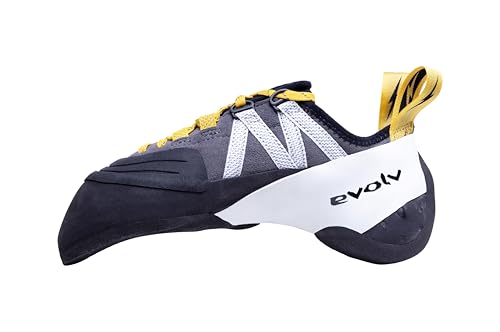


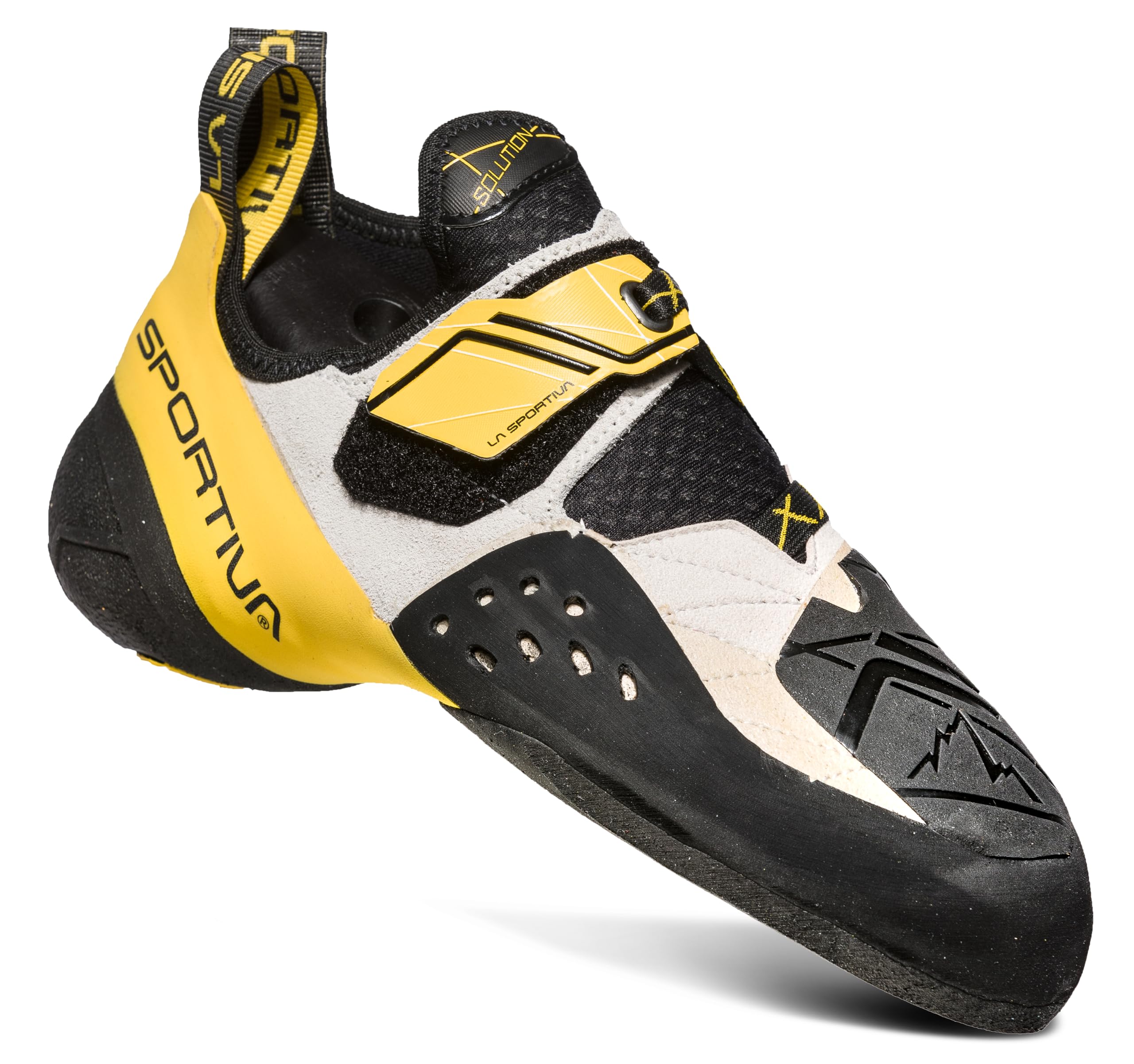


Sport Climbing Shoes Basics Explained
Sport climbing shoes are built to let you stand on small holds with precision. They use sticky rubber soles, a close fit and a shaped toe box that focuses pressure on your toes. Unlike walking shoes, they are meant to feel snug, and many climbers wear them only while they climb, then take them off between routes.
The main terms to learn are downturn, asymmetry and stiffness. A downturned shoe curves downward and helps on steep terrain, while a flatter shoe feels more natural on vertical walls. Asymmetry means the shoe curves toward the big toe, which adds precision but can feel tight. Stiffness affects how much support you get on tiny edges.
Key Features to Compare
Fit and Sizing for Steep Routes
Fit matters more than any other feature in sport climbing shoes. Your toes should touch the end of the shoe without painful curling, and your heel should stay locked in place when you pull with your foot. Try shoes late in the day when your feet are slightly larger, and walk around the shop in them for several minutes. If your heel slips or your toes go numb quickly, try a different size or shape before you commit.
Rubber and Grip on Small Holds
Rubber is what keeps you on the wall. Softer rubber grips better on smooth holds but wears faster, while firmer rubber lasts longer and supports edging. Beginners often benefit from a medium rubber that balances grip and durability. Check how thick the sole feels and whether the rubber wraps around the toe, since toe rubber helps when you hook your foot on steep routes.
Closure Style and Ease of Use
Lace shoes let you adjust tension across the whole foot, which suits climbers with unusual foot shapes. Velcro straps are faster to put on and take off, which is handy between routes at the gym. Slip on shoes feel simple but offer less adjustment. Choose the closure that you will actually use correctly every session, because a loose shoe wastes the precision you paid for.
Shape for Sport Climbing Terrain
Sport routes often move onto steep rock, so many climbers choose a moderately downturned shoe once they feel ready. A very aggressive shoe can feel painful and distracting for a beginner. If most of your climbing is on vertical walls or slabs, a flatter and more comfortable shape may serve you better. Match the shape to your usual terrain, not to the hardest route you hope to climb one day.
Matching the Choice to Your Routine
Think about your weekly routine before you choose. Gym climbers who climb several times a week need a shoe that stays comfortable through a full session and dries well between visits. Outdoor climbers need rubber and a build that handles dust, heat and rough rock. If you climb both indoors and outdoors, pick a versatile shoe rather than a highly specialized one.
Your foot shape also matters. Wide feet need a wider last and a roomier toe box, while narrow feet need a shoe that does not leave empty space around the heel. People with high arches may prefer a shoe with a firmer midsole. Spend time on fit, because no feature can fix a shoe that pinches in the wrong place.
Budget Tiers and What Changes
Budget shoes often use firmer rubber and simpler closures, and they can be a sensible first pair while you learn what you like. Midrange shoes usually add better rubber, more precise shapes and stronger build quality. Premium shoes use softer rubber and more aggressive shapes, but they wear faster and suit climbers who already know their preferences.
Spending more does not automatically make you climb better. A well fitted midrange shoe often beats an expensive shoe that hurts. Set a budget that leaves room for chalk and gym entry, and replace shoes when the rubber wears thin rather than waiting until holes appear.
Care, Fit and Common Mistakes
Break shoes in gradually with short sessions, and air them out after every climb so moisture does not build up. Keep them away from direct heat, which can damage rubber and glue. Check the sole regularly, because resole work is cheaper than a new pair when the upper is still in good shape.
A common mistake is buying shoes far too small in the hope that pain means performance. Another is choosing the most aggressive shape before basic footwork is solid. Comfort, fit and regular practice will help you more than extreme tightness, especially in your first year.
Onsighting vs Projecting: Two Different Shoes
Sport climbers tend to split their time between onsight attempts, where you read the route as you go, and projects, where you rehearse one hard sequence many times. Onsighting rewards a forgiving shoe with a slightly relaxed fit, because you will stand on holds you did not plan for and climb longer between rests. Projecting rewards precision, so a tighter, more downturned pair that you remove between attempts makes sense once you know the footholds exactly.
If you own one pair, lean toward the onsight profile and accept a little less power on the crux. If you own two, keep the comfortable pair for warm ups and volume days and save the precise pair for redpoint attempts. That habit also spreads rubber wear, which keeps the expensive pair sharp for the moves that matter.
Heel Hooks, Toe Hooks and Steep Terrain
Steep sport routes use the whole shoe, not only the toe. A heel cup that stays seated under a hard pull lets you rest on heel hooks instead of hanging on your arms, and a rubber patch over the toes gives purchase on toe hooks under roofs. Check both before buying: pull the heel firmly in the shop and press the top of the toe box against an edge to see whether rubber or fabric makes contact.
Downturn helps most on overhangs, where it keeps your weight over your toes, but it costs comfort on vertical ground. Climbers whose home crag is steep can accept more downturn than those who climb mostly vertical faces, and the shoe that is right for one crag can feel wrong at another. Choose for the angle you climb most weeks, and let the best climbing shoes for sport climbing at your terrain follow from that honest answer.
Related Guides
If most of your climbing happens on real rock rather than gym walls, our guide to the best outdoor sport climbing shoes looks at durability and edging for crag use. If appearance also matters once two pairs fit equally well, our roundup of the best looking climbing shoes shows how style varies within similar shapes. The comparison table above can help you keep the main differences in view while you read.
Before You Buy Checklist
Write down your three most important needs in order, such as heel security, comfort for long routes, or power on steep ground, and check each pair against that list. This stops one attractive feature from outweighing the needs you will live with every session. Try shoes late in the day, stand on an edge, pull a heel hook against a corner, and walk a few steps, because a shoe that fails those simple checks in a shop will fail them on the wall.
Check the practical details too: the brand size chart, the return window, and whether the model can be resoled. A clear return policy matters more for climbing shoes than for most footwear, since a half size often decides whether a pair works, and resole support turns a good fitting pair into a multi season purchase.
Getting the Most From Your Choice
Pair your new shoes with a chalk bag, a stiff brush for cleaning soles, and a breathable shoe bag, since these small items affect how the shoes perform and how long they last. Give yourself a few short sessions to break them in, and note where any pressure appears after the session rather than in the first minute. Honest notes from those first weeks tell you whether to keep, exchange, or adjust your choice before the return window closes.
Frequently Asked Questions
How tight should sport climbing shoes feel?
They should feel snug and secure without sharp pain or numbness that lasts after you take them off. Your toes should reach the end of the shoe and your heel should stay in place. Mild pressure is normal at first, but pain that makes you dread climbing is a sign to try a larger size or a different shape.
Do beginners need aggressive downturned shoes?
No, most beginners do better in a flatter or moderately shaped shoe. Aggressive shoes help on steep terrain, but they can hurt and distract you while you are still learning footwork. Start comfortable, build skill, and move to a more downturned shoe only when steep routes become a regular part of your climbing.
How long do climbing shoes last?
Lifespan depends on how often you climb, your footwork and the rubber type. Gym climbers who climb twice a week may get many months from a pair, while softer rubber wears faster. Watch the sole near the toe, and consider a resole before the rubber wears through to the rand.
Are lace or Velcro shoes better?
Laces give finer adjustment across the foot, which helps unusual foot shapes. Velcro is faster between routes and suits climbers who take shoes off often. Neither is better for everyone, so choose based on how you climb and how much adjustment your feet need.
Can I use sport climbing shoes for other climbing styles?
You can use them for bouldering and gym climbing, but very stiff or aggressive shoes may feel awkward on long trad routes or all day multipitch climbs. A versatile, moderately comfortable shoe is the best compromise if you climb several styles. For long days, comfort matters more than maximum precision.
Final Thoughts
The best climbing shoes for sport climbing are the ones that fit your feet, suit your usual terrain and let you climb often without dread. Use the comparison table above to narrow your options, then judge fit in person whenever you can. A careful fitting session is worth more than any single feature claim.
Take your time, climb in your new shoes for a few short sessions and note what helps and what hurts. That feedback will guide your next pair far better than guesswork, and it keeps your focus where it belongs, on enjoying the routes.


