
Best Climbing Shoes for Small Heels: Which One Fits the Way You Use It for 2026
Disclosure: We may earn a commission when you buy through links on this page, at no extra cost to you. As an Amazon Associate I earn from qualifying purchases. Learn more

Compare the best climbing shoes for small heels with this buying guide on heel fit, sizing, closures and rubber so you can choose a secure pair.
If your heel lifts, twists or pops out on hard moves, the problem is rarely your technique alone. Finding the best climbing shoes for small heels means matching heel shape, volume and closure to the way you actually climb. There is no single model that suits every foot and every style.
This guide sorts your choices by use case first, then walks through fit checks you can do in the shop. Use the comparison table below to narrow your shortlist, then confirm the details in each section.


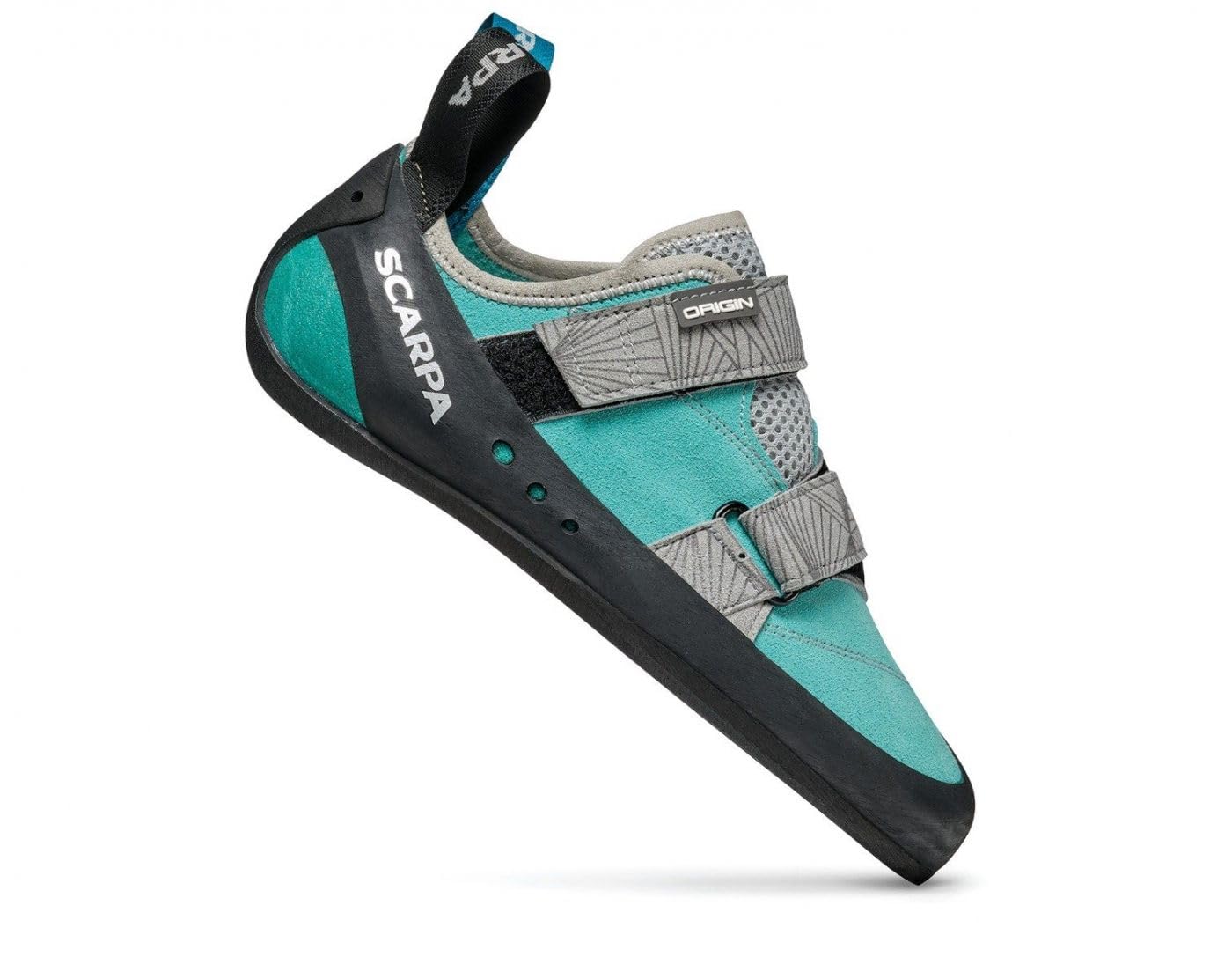
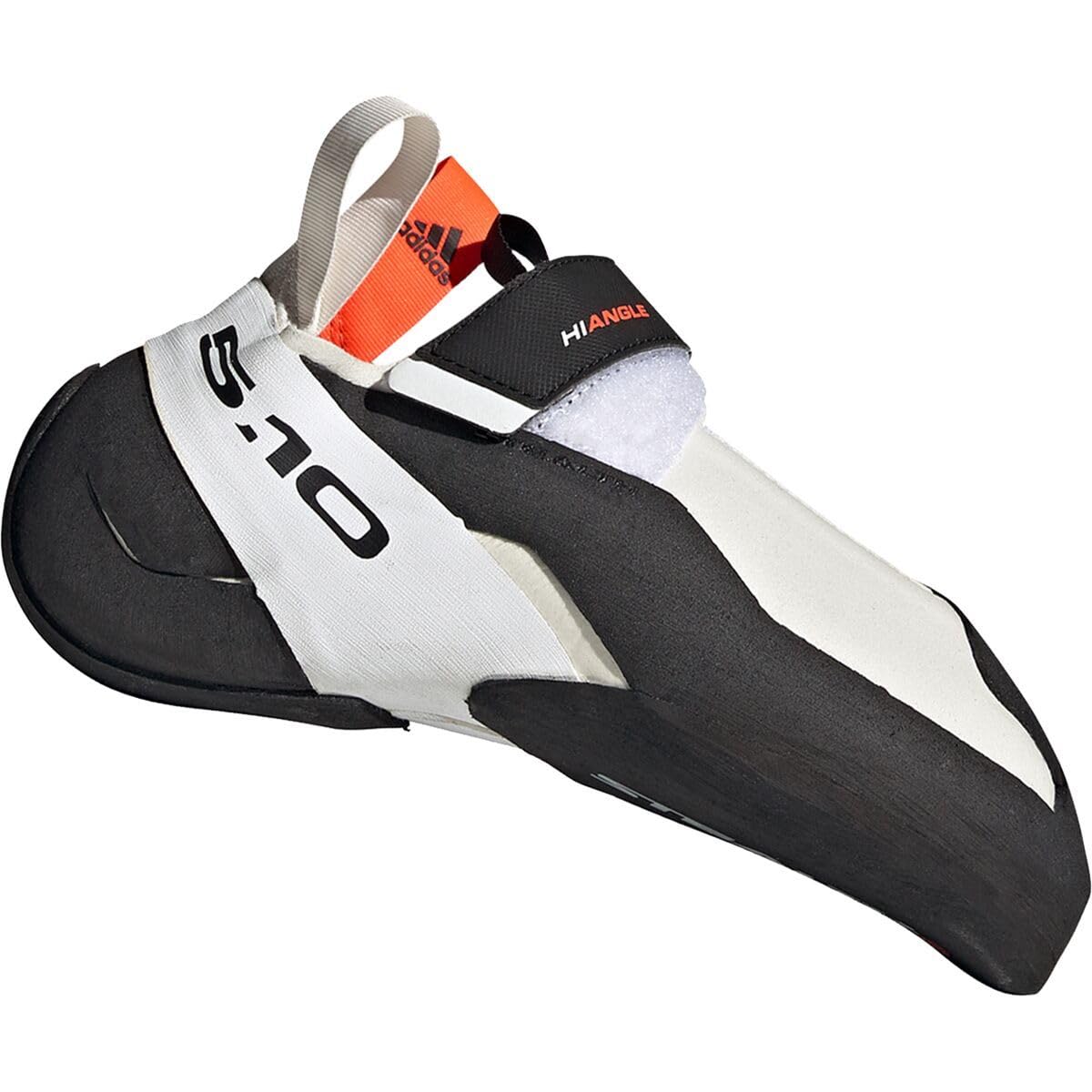


Who Should Buy Which Climbing Shoes?
Start with how often you climb, where you climb and how much discomfort you will accept for performance. A shoe that feels perfect for short boulder problems can feel punishing on long routes. Your heel size matters in every case, but the right balance of tension and comfort shifts with your goals.
For Frequent or Serious Users
You climb several times a week and want a heel that stays planted on hooks and steep ground. Prioritize a snug heel cup with firm tension through the back of the shoe, plus durable rubber that holds its shape. A stronger closure system helps keep the heel seated when you pull hard. Expect a tighter overall fit and a shorter break in period before the shoe feels settled.
For Outdoor and Multi Pitch Days
Outdoor climbers who face damp rock, grit and long approaches need tough uppers and rubber that still grips when conditions are poor. Look for sturdy construction around the heel so grit cannot easily work inside and lift the back of the shoe. A slightly roomier heel with socks for cold days can work, but the shoe should still feel locked when you weight it. Dry your shoes fully after every wet session.
For Boulderers Who Heel Hook Often
Boulderers load the heel harder than anyone, because a steep problem may hinge on one hook that must not shift. Choose a shoe with a tensioned heel rand, rubber that wraps high around the back, and a closure that pulls the midfoot back into the cup. A soft, sensitive sole helps you feel whether the hook is seated, but check that the heel still holds its shape when you press it with your thumb. A heel that collapses in your hand will collapse on the wall.
For Weekend Beginners
Newer climbers need comfort first, because sore feet end sessions early and slow your learning. Choose a moderate shape with a padded heel area and a fit that feels snug without sharp pain. Forgiving rubber and a flatter profile let you practice footwork without fighting the shoe. As your feet get stronger and your technique improves, you can move toward a more downturned and precise option later.
Choosing Climbing Shoes for Your Situation
Think about your main setting before you compare details. Gym climbing rewards soft rubber and easy on and off closures, while outdoor climbing rewards durability and support on long days. If you split your time, pick the setting where fit problems bother you most and solve that one first.
Low Volume and Women's Models for Small Heels
Many shoes with the smallest heel cups are sold as low volume or women's models, and they suit any climber whose heel is small, whatever the label says. These lasts narrow the heel cup, lower the volume over the instep, and often use a slimmer rand that pulls the back of the foot forward. If a standard model fits your toes but gaps at the heel, try the low volume version of the same shoe before changing brands, since the toe box shape you already like usually carries over.
Key Features to Compare
The product table above gives you a quick view of shapes and closures. Use this section to judge what those details mean for a smaller heel, from measuring correctly to picking materials that keep their shape over time.
Measuring for Size and Heel Fit
Measure both feet in the evening, when they are slightly larger, and note the length in millimeters if a size chart offers it. Try shoes on with the socks you plan to climb in, or bare feet if that is your habit. Stand, then press your heel into a step and watch for lifting. Measure heel width too, across the widest point of the heel bone, because two climbers with the same foot length can need very different heel cups.
Features That Matter for Small Heels
A small heel needs a heel cup that is narrow and deep enough to wrap the bone rather than sit behind it. Look for tension bands that pull the heel forward into the shoe and a rand that holds its shape under load. If your heel is also narrow, avoid wide and shallow heel cups even when the toe box feels right. A secure heel should stay still when you twist your foot on a small edge.
Closure matters just as much as shape for this fit problem. Laces let you pull the midfoot tight and stop the foot sliding forward, which keeps the heel seated. Straps are faster but give you fewer adjustment points. If you often climb with the best climbing shoes for heel hooks in mind, check the heel with a firm pull in the shop before you buy.
Size, Weight, and Fit
Use the brand size chart as a starting point, then judge by feel rather than by your street shoe number alone. Your toes should touch the front with a slight curl in performance styles, or lie nearly flat in comfort styles. There should be no empty pocket behind your heel when your toes are loaded. If you are between sizes, choose based on heel hold first, because a loose heel rarely improves with wear.
Materials and Construction
Leather uppers stretch over time and can mold to your foot, which helps some small heels settle in, but too much stretch can also loosen the fit. Synthetic uppers hold their shape longer and often dry faster after sweaty sessions. Rubber thickness affects feel and life, with thinner rubber giving better sensitivity and thicker rubber lasting longer. Check stitching and bonding around the heel, since that area takes heavy stress on hooks.
Skill Level and Intended Use
Beginner friendly shoes use a flatter shape and stiffer sole that support your feet while you build strength. Intermediate shoes add more downturn and softer rubber for steeper walls and smaller edges. Advanced and performance options push tension and precision further, at the cost of comfort on long routes. Match the shoe to the grades and wall angles you climb now, not the ones you hope to climb next year.
Your discipline shapes the details too. Boulderers often want a soft shoe with strong heel tension for dynamic moves. Sport climbers may prefer a balance of edging support and comfort for longer pitches. If tiny footholds are your main challenge, our guide to the best climbing shoes for small holds covers the toe and edge side of that problem in more depth.
Common Mistakes to Avoid When Buying Climbing Shoes
- Choosing on price alone and ignoring heel shape, which leads to lifts and twists on hard moves.
- Skipping the foot and heel measurements, then guessing based on your street shoe size.
- Buying far too small and hoping pain means performance, or too large and accepting a loose heel.
- Forgetting to check the return policy and warranty before you climb outdoors in a new pair.
- Checking fit only while standing flat, without pressing the heel on a step or edge.
How to Make Your Climbing Shoe Last Longer
Store your shoes out of direct sun and extreme heat, since heat softens glue and warps rubber. Check wear before each use, especially thin spots on the toe and heel rand, and stop climbing before you wear through to the upper. Clean and dry after outdoor use by brushing off grit and airing the shoes at room temperature. Rotate two pairs if you climb often, because rest days help materials recover their shape.
Small habits add up over a season. Loosen closures fully before you pull shoes off so you do not tear the heel loop or stretch the opening. Keep shoes in a breathable bag rather than a sealed plastic one. If looks matter to you as well as fit, our guide to the best looking climbing shoes shows how style and function can sit together.
Climbing Shoes: Your Questions Answered
What features matter most in climbing shoes for small heels?
Heel cup shape matters most, followed by closure control and tension through the back of the shoe. A narrow and deep cup with a firm rand keeps your heel seated when you pull. Laces give the finest adjustment if your foot tends to slide forward. Try a firm heel pull in the shop, since a size chart cannot tell you how a cup matches your bone shape.
Is it worth buying premium as a beginner?
Usually not at first, because beginners gain more from comfort and time on the wall than from aggressive shapes. A midrange shoe with decent rubber teaches good footwork without punishing your feet. Premium prices buy tension and sensitivity that new climbers rarely use well. Spend the savings on more sessions, then upgrade once your heel technique and grades show you what you actually need.
What size should I get?
Start from the size chart using your longer foot measured in the evening, then try at least two nearby sizes. Your heel should stay still when you stand on a small edge and twist gently. Toes should feel snug but not crushed, with no sharp pain after a few minutes. If one foot is larger, fit that foot first and use sock thickness to fine tune the smaller one.
Indoor vs outdoor: does it matter?
Yes, because gym walls reward soft and sensitive shoes, while outdoor rock rewards durability and support. Indoor shoes often use thinner rubber that grips volumes well but wears faster outside. Outdoor shoes handle grit, cracks and long approaches with tougher uppers. Many climbers keep one pair for each setting once they climb often, which also spreads wear and extends the life of both pairs.
How long does it last?
Most climbing shoes last about six months to a year of regular use before the rubber thins or the fit loosens. Frequent gym climbing on abrasive walls shortens that span, while careful footwork extends it. Resoling can restore grip if the uppers and heel structure are still sound. Retire a pair when the heel cup no longer holds its shape, since no new rubber can fix a stretched and loose back end.
Wrapping Up
Focus on three things and your choice gets much simpler, a heel cup that truly wraps your heel, a closure you can adjust with care, and a shape that matches your current climbing. Check heel hold under load, not just standing still. When you find the best climbing shoes for small heels for your own feet and goals, hard moves feel calmer and more controlled. Compare your finalists in the product table above and choose the pair you will enjoy wearing often.


