
Best Climbing Shoes for Sandstone: What Actually Matters Before You Buy for 2026
Disclosure: We may earn a commission when you buy through links on this page, at no extra cost to you. As an Amazon Associate I earn from qualifying purchases. Learn more

Use a clear checklist to choose the best climbing shoes for sandstone, covering rubber, fit, stiffness, durability, and value before you buy any pair today.
Sandstone rewards trust in your feet and punishes sloppy choices. Its friction can feel superb on clean rubber, yet its soft, gritty surface wears soles fast and fills every seam with fine dust. This guide uses a clear checklist to judge any shoe before you buy, covering rubber, stiffness, fit, and durability in that order. If you are searching for the best climbing shoes for sandstone, use the checklist below on every pair in the comparison table below before price even enters the decision.
Sandstone areas also vary widely, from pocketed walls to blank slabs and splitter cracks, sometimes on the same route. A good checklist keeps you from buying a shoe that suits only one of those styles while failing the rest of your season.


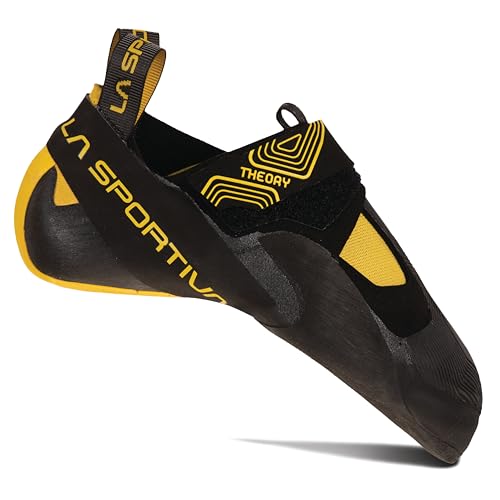
How to Evaluate Climbing Shoes
Features That Matter for Sandstone
Sandstone demands sticky rubber that stays grippy when warm, a sole thick enough to resist abrasive wear, and a shape that smears with confidence. Friction slabs are common on this rock, so sole contact and sensitivity rank high, but pure softness wears out too fast. Aim for rubber around 4 mm, a medium soft midsole, and a rand that protects the toe during jams. Shoes that pass this part of the checklist feel secure on blank sections without skating.
Skill Level and Intended Use
Beginners on sandstone need a supportive, durable shoe, because early footwork errors grind rubber quickly on gritty stone. Intermediate climbers can move toward softer, more sensitive shoes as placements get cleaner. Advanced climbers may choose a downturned shoe for pocketed, steep sandstone, but should still keep a flatter pair for slabs and cracks. Score any shoe against your real grade range and style mix, not against the hardest pitch you dream about.
Indoor vs Outdoor Use
Indoor holds are clean and uniform, while sandstone adds dust, heat, and fragile rock etiquette. Outdoor shoes for this rock need soles you can clean quickly and uppers that tolerate grit without tearing. Using a gym pair outside is possible, but expect rapid wear and poor grip once dust coats the rubber. Our guide to the best indoor climbing shoes explains why many climbers protect a separate indoor pair and keep outdoor rubber dedicated to rock.
Performance Characteristics
Judge performance on sandstone with three checks. First, smearing: a good shoe spreads rubber across a blank slab and holds under slow, steady pressure. Second, edging: pockets and small edges still appear on this rock, so the forefoot needs enough support to stand without folding. Third, forgiveness: a shoe that tolerates a slightly dusty placement without sudden skating will save falls and energy. Clean the sole, then repeat the smear, since sandstone grip depends heavily on a clean contact patch.
Portability and Storage
Sandstone trips often involve desert heat, long approaches, and dusty camps, so portability means protection. Choose shoes with solid heel loops for clipping to a pack, and carry them in a breathable bag that keeps grit away from other gear. Never store them in a hot vehicle, because heat ages rubber and glue. At home, brush out sand before storage, since trapped grit keeps grinding the lining and rand long after the trip ends.
Materials and Construction
Leather uppers mold to your foot and tolerate crack jams well, but they absorb dust and stretch, while synthetic uppers hold shape and rinse clean more easily. Check stitching around the rand, the quality of the toe cap, and whether the sole edge is cleanly bonded. A well built shoe shows even rubber thickness and no glue gaps at the toe. On sandstone, construction quality decides whether a pair survives to a second resole or fails early at the seams.
Three Tiers That Pass Our Checklist
The tiers below describe what a passing shoe looks like at each price and purpose level, without naming models. Use them to read the product table above with a clear standard in mind.
The Balanced Tier
Balanced shoes around $130 to $190 pass the checklist for most sandstone climbers. They combine medium soft rubber for smearing, enough forefoot support for pockets, and a fit you can wear across several pitches. This tier suits climbers who mix slabs, faces, and cracks in one area and want one dependable pair. The main limit is steep, hard pocket pulling, where a more downturned shape adds power that a balanced last cannot match.
The Value Tier
Value shoes around $80 to $130 pass when they keep thick rubber, a supportive sole, and a secure heel, even if uppers are simple. They suit beginners and high mileage climbers who accept slower wear as the main benefit. If you are new to the rock type, our guide to the best starter climbing shoes helps you spot entry level shoes that still meet the durability bar. Skip value shoes with very hard rubber, since poor friction on slabs is a safety issue, not a saving.
The Light and Precise Tier
Light, precise shoes around $170 to $220 pass the checklist only for focused uses: steep pockets, hard slabs where sensitivity decides success, and short sessions. They trade rubber life for feel, so score them lower on durability and plan resoles sooner. Strong climbers often pair this tier with a balanced pair and choose by route each day. If most of your climbing is steep sport on varied rock, our guide to the best sport climbing shoes shows how those priorities shift away from sandstone slabs.
Quick Buyer Checklist
- Does the rubber feel sticky when you press and twist it on a smooth floor?
- Can you smear on a low angle surface without the sole skating or folding?
- Does the forefoot support you on a small edge for ten seconds without sharp pain?
- Do your toes lie flat enough for crack use, with no hard curl or stacking?
- Is the rubber thick enough, around 4 mm, to survive abrasive stone for a season?
- Can you clean the sole quickly with a brush and a damp cloth?
- Does the heel stay seated when you step down and twist gently?
- Is there a fair return or exchange option if the fit fails at home?
Red Flags to Watch For
- Vague rubber claims with no compound or thickness information from the maker.
- Soles that feel hard and plasticky in the shop, which usually smear poorly on slabs.
- Uneven glue lines, loose stitching, or a rand that already lifts at the toe.
- Sizing advice that urges extreme downsizing, which risks numbness on long routes.
- A very short warranty or no resole support, which raises the true cost of ownership.
Style can still play a small role once a shoe passes the checklist. If two passing pairs fit equally well, our guide to the best looking climbing shoes can help you compare designs. Never let looks rescue a shoe that failed the smear or edging checks, because sandstone exposes weak grip faster than almost any other rock.
Tips to Get the Most From Your Climbing Shoe
Store shoes out of direct sun and extreme heat, and brush sand from seams after every trip. Check wear before each use, since sandstone thins the toe sole faster than smoother rock. Clean and dry after outdoor use, wiping soles before hard pitches and airing uppers in shade. Keep toenails trimmed, place feet quietly to reduce rubber loss, and avoid walking on sandy ground in climbing shoes, which grinds grit straight into the sole.
Frequently Asked Questions
What features matter most in climbing shoes for sandstone?
Sticky, cleanable rubber and a shape that smears with confidence matter most. Add enough forefoot support for pockets and a rand that survives crack work. One point many buyers miss is sole sensitivity on warm rock: as temperatures rise, very soft rubber can feel vague, so a medium compound often grips more predictably across a full desert day than the softest option.
What size should I get?
Get a snug size with toes flat or gently bent, since sandstone smearing needs the whole forefoot in contact. A painful curl reduces contact and control on slabs, which is the opposite of what this rock rewards. Try shoes later in the day, try a smear and an edge, and fit the larger foot first. Keep an exchange option, because brand sizing varies a lot.
How long does it last?
On abrasive sandstone, a busy climber may need a resole within a single season. Precise footwork, clean soles, and keeping shoes off sandy ground extend life a lot. Check the toe area every few trips with a thumb press and visual check against the light, since thin rubber can look fine from above while the contact patch is nearly gone.
Is it worth buying premium as a beginner?
Usually not, because premium shoes wear fastest on this rock and beginners wear rubber fastest of all. A durable balanced or value tier shoe teaches smearing and edging without pain or rapid cost. Move up a tier when your placements are clean and you climb steep pockets often. Fit remains the exception: pay more only when the pricier last clearly fits your foot better.
Indoor vs outdoor: does it matter?
Yes, it matters because sandstone dust and grit destroy gym rubber habits quickly. A shoe used on plastic stays cleaner and grips indoors, while an outdoor pair needs brushing and wears faster. Many climbers split pairs by setting to protect both. If you use one pair for both, clean the soles well before gym sessions and expect a shorter life on rock.
Our Verdict
Let the checklist lead: sticky and durable rubber, a smearing friendly shape with real edging support, and a fit you can trust for hours. Beginners should start with the value or balanced tier, while experienced climbers can add a light, precise pair for hard projects. Compare the product table above against each checklist item, then choose the best climbing shoes for sandstone that passes every check on your own feet.


