
Best Climbing Shoes for Outdoors: Types Compared and How to Choose for 2026
Disclosure: We may earn a commission when you buy through links on this page, at no extra cost to you. As an Amazon Associate I earn from qualifying purchases. Learn more

Outdoor climbers can compare the best climbing shoes for outdoors by type, rock texture, fit for swelling feet, and price range in this clear buying guide.
Outdoor climbing exposes a shoe to sun, dust, sharp crystals, cracks, and long walk offs, and that mix confuses many buyers. A shoe built for clean gym plastic may feel slick on gritty granite or wear out in a single season on coarse stone. This guide compares the main types clearly, then shows how to choose by fit, terrain, and skill. If you want the best climbing shoes for outdoors, think first about the rock you climb most and how many hours each session lasts.
The comparison table below lays out types, typical users, and price ranges side by side. Use it as a map, then read the sections that follow for the details that a table cannot show, such as stretch, heat, and how a shoe behaves on a descent.


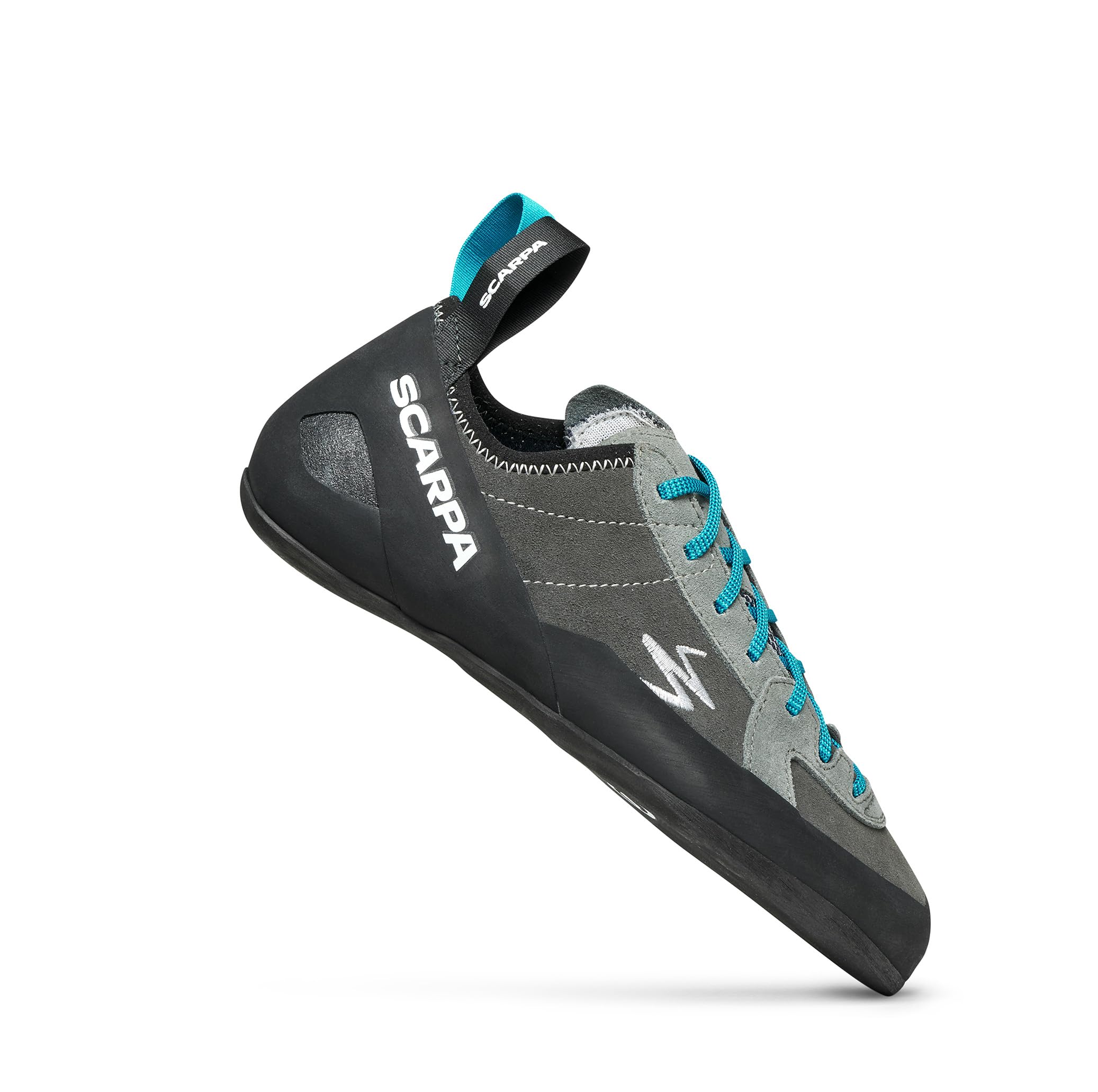


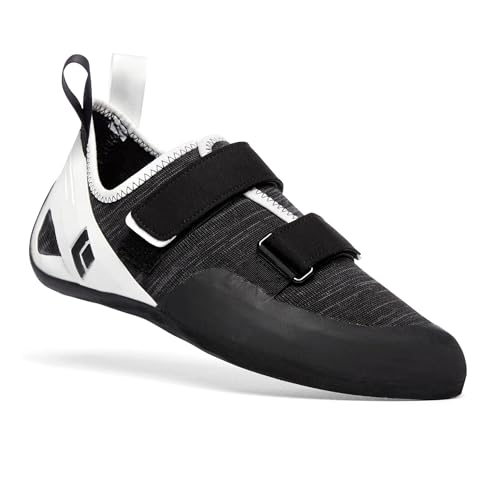


Types of Climbing Shoes Compared
Outdoor shoes fall into three broad types that matter for most buyers. They differ in toe shape, stiffness, rubber thickness, and tolerance for long days. Price rises with lighter materials and more specialized lasts, but fit and rubber condition matter more than price on real rock. Start with the type that matches your terrain, then refine by foot shape.
Advanced and Performance Options
Performance shoes use a downturned, asymmetric shape that concentrates power at the big toe. Soft midsoles and sticky, thinner rubber help on steep limestone pockets and hard boulder problems. On outdoor sport routes with short approaches, strong climbers can exploit that precision and then remove the shoes right after each pitch.
The costs are comfort and wear. Thin rubber grinds down fast on coarse outdoor stone, and a tight performance fit becomes hard to tolerate during long belays or multi pitch days. Prices often run about $170 to $220. Choose this type for hard, steep projects, and keep a second, flatter pair for volume days, easy routes, and walk offs where an aggressive shoe only adds risk of sore feet.
Kids and Youth Options
Youth outdoor shoes use smaller lasts, softer uppers, and simple closures that are easy to manage at a busy crag. They favor comfort and durability over edging power, which fits how children actually climb: short routes, frequent breaks, and lots of scrambling between climbs. A little growing room is sensible, but a sloppy heel will slide on slabs and teach poor habits.
Check fit at the start of each season and again mid summer during growth spurts. Thick rubber at this tier, usually in shoes around $50 to $90, survives playground style scrambling better than thin performance rubber. Parents should also plan for sun, water, and supervision at the crag, since the shoe is only one small part of a safe outdoor day for a young climber.
Intermediate and All Around Options
All around shoes balance a mild curve, a supportive midsole, and rubber thick enough for regular outdoor use. They edge on vertical faces, smear on slabs, and tolerate crack jams better than soft gym shoes. For most outdoor climbers, from weekend sport routes to long trad days, this type gives the fewest regrets and the longest useful life.
Prices usually sit around $120 to $190, and both lace and strap versions work well outdoors. Laces adjust better as feet swell in heat, while straps come off faster at belays. If you climb outside more than inside, start your search here. Our guide to the best outdoor sport climbing shoes goes deeper on how this balance shifts for bolted routes specifically.
All Around vs Performance Shoes: Which Should You Choose Outdoors?
For most outdoor climbers the real decision sits between an all around shoe and a performance shoe, so compare them on five points: rubber thickness, toe shape, closure, fit tolerance in heat, and cost per season. The all around shoe carries thicker rubber that survives coarse stone, a toe that still fits cracks, and a fit you can keep on for a full pitch and the belay after it. The performance shoe delivers precision on steep pockets and tiny crystals, but its thin rubber wears quickly outdoors and its tight fit becomes hard to tolerate as feet swell in the sun.
Choose performance only when you climb steep routes often, your footwork is clean enough to protect expensive rubber, and you can remove the shoes between pitches. Choose all around for weekend sport routes, long trad days, slabs, and any trip where you will walk between climbs. Many outdoor climbers eventually own both and use the all around pair for warm ups and mileage, saving the performance pair for the project pitch where its power actually matters.
How to Choose the Right Climbing Shoe
Size, Weight, and Fit
Fit outdoors must account for heat and swelling. Try shoes late in the day, stand on a thin edge, and check that the heel stays seated when you lower off a step. Toes should be snug without a painful curl, and there should be no empty pocket above the toes that lets the foot roll. Ignore size charts based on height or weight, since foot shape decides fit, not body size.
Weight matters most when you carry shoes on a long approach. A lighter shoe may use thinner rubber, so weigh that saving against faster wear on rough stone. If approaches are long and rough, a separate sturdy shoe for the trail protects your climbing rubber; our guide to the best outdoor shoes covers trail footwear for that walk in and walk out role.
Features That Matter for Outdoors
Outdoor use rewards durable rands, rubber around 4 mm thick, and uppers that tolerate dust and brief rain. A low profile toe fits cracks, a stiff forefoot supports edging on small crystals, and a padded tongue spreads lace pressure. Look for a heel design that stays put on descents, since many outdoor days end with a scramble where a loose heel becomes a blister or a stumble. Dark uppers hide dirt, but light colors stay cooler in strong sun.
Indoor vs Outdoor Use
Gym climbing happens on clean, predictable holds with short efforts and easy shoe removal. Outdoor climbing adds grit that dulls friction, temperature swings that change fit, and rock textures from polished limestone to coarse sandstone. A shoe that feels perfect inside may need a half size more room outside for swelling. Many climbers keep separate pairs, using softer, tighter shoes inside and sturdier, more supportive shoes outside, which also spreads wear across two pairs.
Skill Level and Intended Use
Beginners outdoors need flat, durable shoes and patient footwork practice on slabs and easy cracks. Intermediate climbers should choose the all around type and focus on rubber care and fit as grades rise. Advanced climbers can justify performance shoes for steep projects but should still protect them from walk offs and gritty warm ups. At every level, choose the shoe for the routes you climb weekly, not for a single dream route.
Best Climbing Shoes for Specific Needs
Best Rock Climbing Shoes for Outdoors
The phrase best rock climbing shoes for outdoors points to shoes tuned for natural stone rather than gym holds. Prioritize a supportive forefoot for edging, rubber that grips through light dust, and a toe that fits cracks without folding. Lace closures earn their keep on rock because you can tighten the forefoot for a hard pitch and loosen it for the belay, all without removing the shoe on a small ledge.
Best Moderate Climbing Shoes for Outdoors: Which Type Works Best
Shoppers asking about best moderate climbing shoes for outdoors usually want the middle path: more support than a beginner shoe, less pain than a performance shoe. That is exactly the all around type. Choose a mild curve, medium stiffness, and a fit you can wear for an hour at a time. If appearance also matters on your short list, our guide to the best looking climbing shoes shows style options within similar shapes, but let fit and rubber decide first.
Setup and Care Tips
Store shoes out of direct sun and extreme heat, since car trunks and sunny windowsills age rubber and glue quickly. Check wear before each use, especially the toe sole and rand, and plan resoles early. Clean and dry after outdoor use by brushing off grit, wiping soles with a damp cloth, and airing shoes in shade. Stuffing them loosely with newspaper after a wet day helps draw moisture from linings without heat.
Two outdoor specific habits help a lot. First, step out of your climbing shoes onto a mat or flat rock between routes instead of walking in them on dirt, which grinds grit into the rubber. Second, carry a small brush and clean soles right before a hard pitch, because a thin layer of dust is often the real reason a trusted shoe suddenly feels slick.
Frequently Asked Questions
What features matter most in climbing shoes for outdoors?
Durable rubber, a supportive forefoot, and a fit that tolerates swelling matter most outdoors. Add a secure heel for descents and a closure you can adjust with cold or tired hands. One overlooked feature is rand coverage around the toe, because crack climbing and coarse stone chew that area first, and a strong rand can double the time before a resole becomes urgent.
What size should I get?
Get a snug size with toes flat or slightly bent, no sharp pain, and no heel lift when you step down from an edge. Try sizes in the afternoon and, if possible, after a walk, since outdoor feet swell. Brands size very differently, so use your current well fitting pair as a reference and keep returns in mind when ordering. Fit the larger foot first if your feet differ.
Indoor vs outdoor: does it matter?
Yes, it matters for fit, rubber wear, and comfort. Outdoor sessions are longer, hotter, and dirtier, so outdoor shoes should be a little roomier and sturdier than gym shoes. Using one pair for both is fine for casual climbers, but expect faster wear and plan cleaning after outdoor days. A dedicated outdoor pair also keeps gritty rubber off clean gym holds, which gyms appreciate.
How long does it last?
A regularly used outdoor pair often needs a resole within one to two seasons, faster on coarse stone. Footwork is the biggest factor: precise placements preserve rubber, while dragging and twisting destroy it. Check the toe monthly with a thumb press, and resole while the rand is intact. Uppers cared for with shade drying can survive several resoles, which makes a good fitting pair a long term value.
Is it worth buying premium as a beginner?
Not usually, because premium outdoor shoes wear faster and fit tighter, which punishes learning habits. A durable mid priced pair lets you climb more days and build technique without pain. Spend first on fit, a helmet, and time outside with experienced partners. If you later project steep routes, a performance pair makes sense as a second shoe, not as your only outdoor pair.
The Bottom Line
For outdoor climbing, start with the all around type, fit for swelling and descents, and choose rubber and rands built for real stone. Beginners should stay flat and durable, while strong climbers can add a performance pair for steep projects. Check the product table above for current tiers and shapes, then pick the best climbing shoes for outdoors that match your rock, your feet, and the length of your typical day.


