
Best Climbing Shoes for Multi Pitch: Every Type Explained Side by Side for 2026
Disclosure: We may earn a commission when you buy through links on this page, at no extra cost to you. As an Amazon Associate I earn from qualifying purchases. Learn more

Long route climbers can compare the best climbing shoes for multi pitch by type, comfort over hours, closure, and price range in this clear buying guide.
Choosing shoes for a route with many pitches feels confusing because every type promises grip, comfort, and precision at once. A shoe that feels great for twenty minutes in a gym can become painful after six hours on granite. This guide compares the main types side by side so you can match a style to your routes, your feet, and your budget. If you are hunting for the best climbing shoes for multi pitch, start with how long you will wear the shoe, not with how tight it looks.
The comparison table below gives you a quick view of shapes, closures, and price tiers. The sections after it explain what those details mean on a real route, where you may climb, belay, and sometimes walk in the same pair for most of a day.


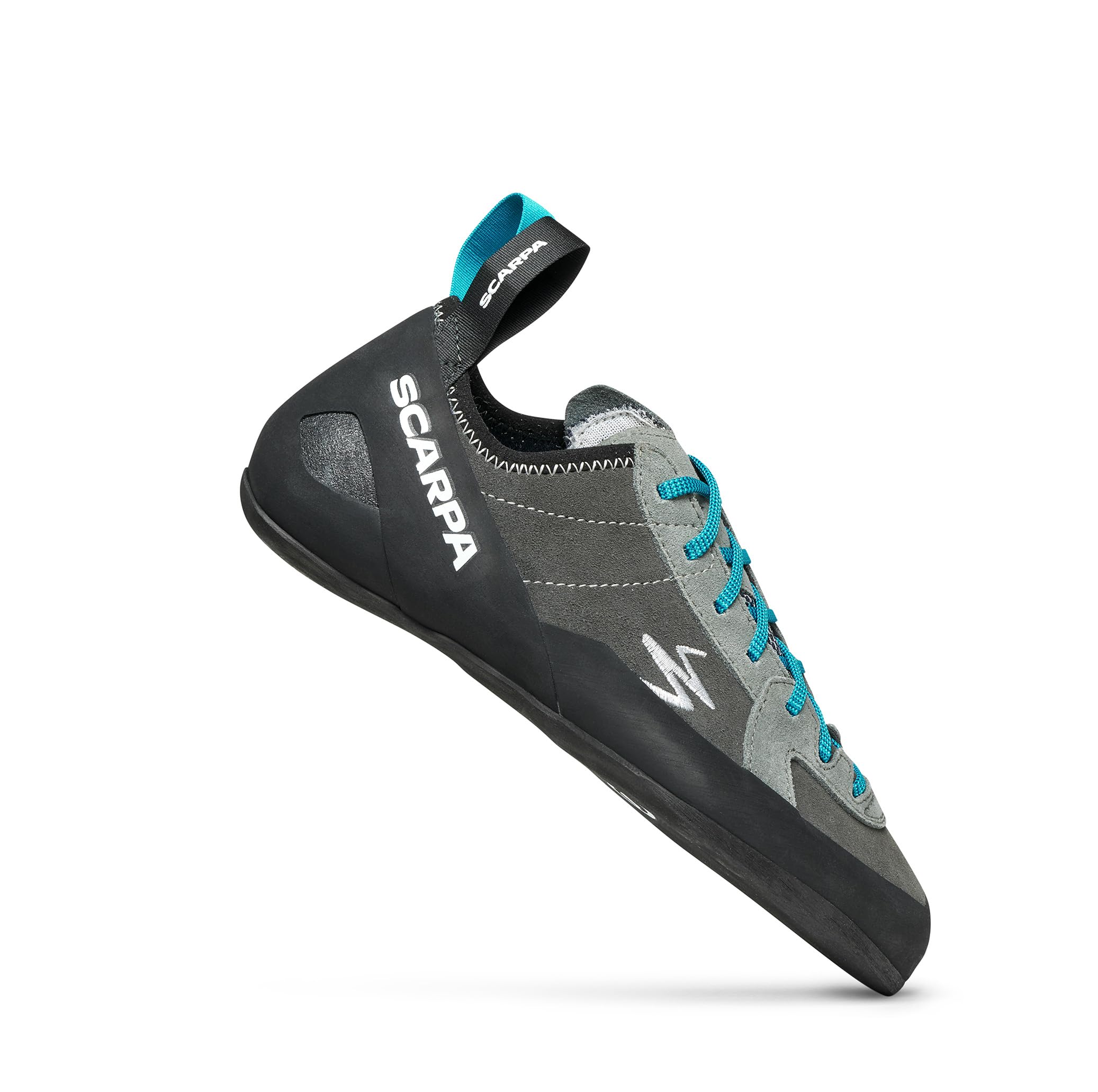


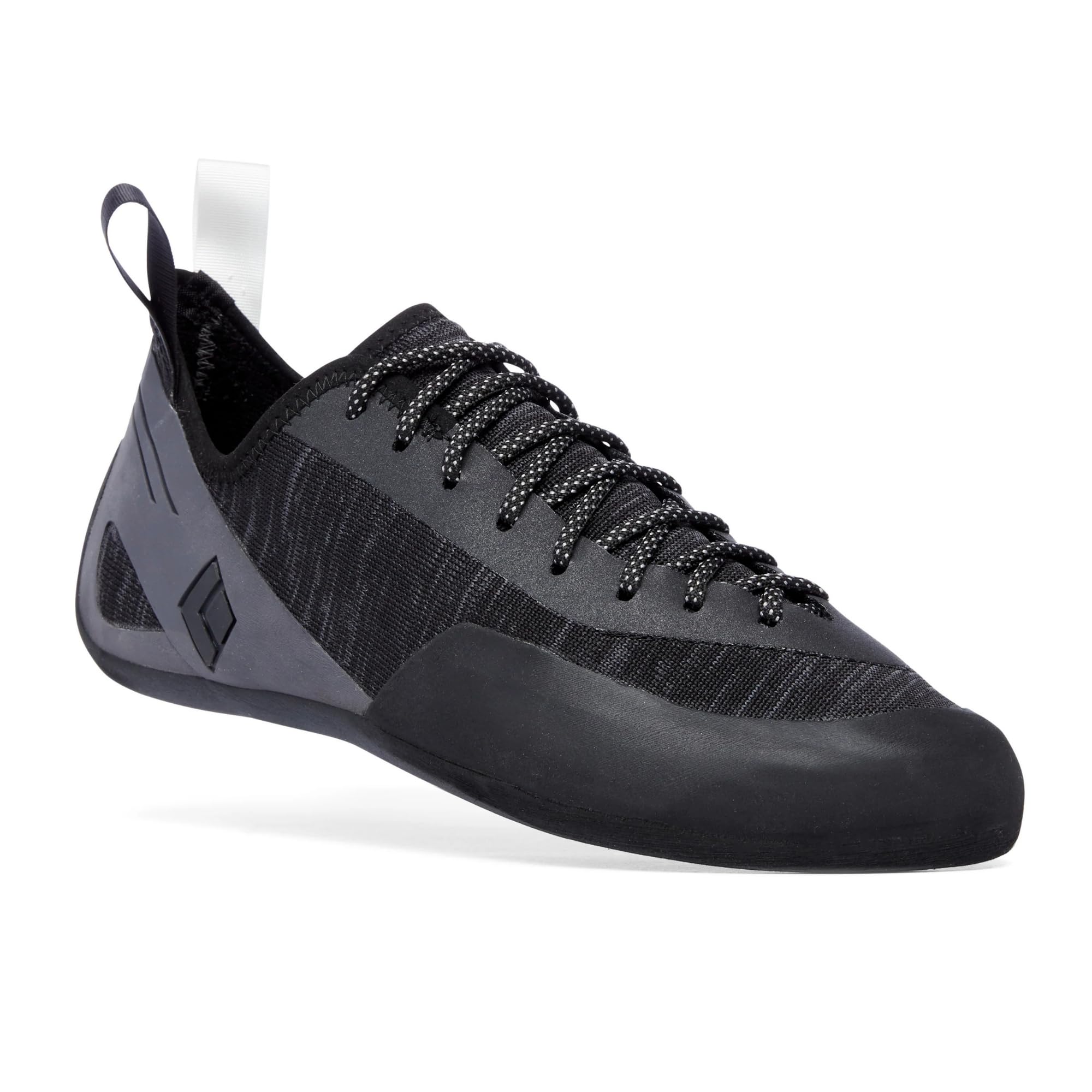


Types of Climbing Shoes Compared
Four broad types cover most needs. They differ in toe shape, stiffness, closure, and how much comfort they trade for precision on small edges. Price generally rises as materials get lighter and lasts get more specialized, but a higher price does not fix a poor fit. Use the type descriptions below as a filter first, then use the fit advice later in this guide to narrow your final choice.
Intermediate and All Around Options
All around shoes use a mildly curved last, a medium stiff midsole, and a flat to modest toe profile. They edge well on slabs and vertical walls, yet they still smear and fit into medium cracks without forcing your toes into a hard curl. For most climbers doing long trad or sport routes, this balance is the sweet spot.
The main strength is versatility across a full day. The main limit is that they will not match a very aggressive shoe on steep pockets or a very soft shoe on pure friction slabs. Expect typical prices of about $120 to $190, with leather uppers stretching a little more than synthetic uppers during the first weeks of use.
Kids and Youth Options
Youth shoes are built on smaller lasts with softer materials, simpler closures, and room for growing feet. They favor comfort and easy entry over edging power, which suits young climbers who are learning movement and spending long sessions at the crag with family. A snug but not painful fit matters more than a downturned shape at this stage.
Parents should check fit often, because a shoe that fit in spring may cramp toes by autumn. Resale and hand down value can be good when uppers stay clean and rubber stays thick. Typical prices run about $50 to $90, and adjustable heel straps on some styles can extend useful life a little, though they never replace a proper size check.
Beginner Options
Beginner shoes use a flat last, thick rubber, and a relaxed fit that you can wear for a full session without rushing to take them off at every belay. Thick soles wear slowly and hide small footwork errors, which helps new climbers build habits without paying for thin rubber that vanishes quickly. Laces give the most adjustment for varied foot shapes.
The trade off is sensitivity. You will feel less through the sole, and precision on tiny edges will lag behind stiffer or more curved models. That is a fair exchange for your first seasons on long routes. Typical prices sit around $80 to $130, and durability at this tier is often better than at any other tier.
Advanced and Performance Options
Performance shoes use a downturned, asymmetric last that drives power into the big toe. Soft midsoles let the shoe bend around features, while sticky rubber and a close fit reward precise placement. On steep sport pitches or hard bouldery cruxes, that design can feel like a clear step up in control.
On long routes, the cost shows up as fatigue and sore toes at hanging belays. Many experienced climbers carry a performance pair only for one hard pitch and wear a flatter pair for the rest. Prices often run about $170 to $220, rubber wears faster, and sizing down aggressively is a common cause of numbness that ruins a day.
All Around vs Performance Shoes: Which Should You Choose for Long Routes?
Most climbers shopping for a long route end up choosing between an all around shoe and a performance shoe, so compare them on the points that matter over many pitches: time on the foot, edging support when calves are tired, crack comfort, closure adjustment at belays, and rubber life on coarse rock. An all around shoe wins four of those five. Its flatter last keeps toes relaxed through hanging belays, the medium stiff midsole edges without constant calf effort, and a lace closure can be loosened on a ledge without taking the shoe off.
The performance shoe wins only on steep, technical cruxes, where the downturn drives power into small holds. If your route has one hard pitch and six moderate ones, many climbers carry the performance pair clipped to the harness and switch for that pitch alone. If every pitch sits near your limit, a slightly roomier performance fit can work, but size it so toes bend gently rather than curl hard. For a first long route pair, choose the all around type and let the performance pair wait until a specific project demands it.
How to Choose the Right Climbing Shoe
Skill Level and Intended Use
Match the shoe to the routes you climb most, not the hardest route you hope to try once. New climbers need a flat, durable shoe that supports learning on slabs and easy cracks. Intermediate climbers benefit from a moderate curve and a stiffer forefoot for longer vertical routes. Advanced climbers can justify a softer, downturned shoe for steep ground, but most will still want a second, flatter pair for easy pitches and descents.
Materials and Construction
Leather uppers stretch and mold to your foot over time, often gaining about half a size, while synthetic uppers hold their shape and dry faster after rain. A lined leather shoe stretches less than an unlined one. Midsoles range from stiff boards that support edging to thin inserts that favor sensitivity. Look at rand thickness around the toe, stitching quality at high wear points, and whether the sole rubber can be replaced by a resoler later.
Performance Characteristics
Grip comes from rubber compound, contact area, and how clean the sole stays. A stiffer shoe edges with less calf effort but smears less well on blank slabs, while a softer shoe conforms to rock and demands more foot strength. Forgiveness matters on long routes: a shoe that tolerates slightly sloppy placements without skating will save energy across many pitches.
Safety and Certifications
Climbing shoes carry no special safety certification that replaces good judgment, so treat fit and condition as your safety checks. Inspect rubber, rands, and straps or laces before every outing, and retire a shoe when the sole wears through to the rand. On long routes, numb feet reduce balance and judgment, so loosen laces or straps at belays when it is safe to do so. If you notice lasting numbness, tingling, or color change in toes after climbing, stop wearing that fit and talk with a clinician about your feet.
Features That Matter for Multi Pitch
Long routes add needs that a single pitch shoe never faces. You want a closure you can loosen quickly at a hanging belay, a heel that stays put during descents, and enough stiffness to edge when your calves are tired late in the day. A padded tongue and a smooth interior reduce hot spots over hours. Low profile toes fit cracks better, and a durable rand matters when you jam and twist repeatedly. If your route needs an approach walk, consider how the shoe carries on a harness loop and whether you need a separate approach shoe.
Best Climbing Shoes for Specific Needs
Best Rock Climbing Shoes for Multi Pitch
When people say best rock climbing shoes for multi pitch, they usually mean a pair tuned for natural rock rather than plastic holds. Prioritize a stiff forefoot for edging on small crystals, a low profile toe for cracks, and rubber that grips in dust and heat. A lace closure earns its place here because you can fine tune fit pitch by pitch as feet swell during the day.
Style still matters to some climbers, and if that is you, our guide to the best looking climbing shoes shows how color and design vary across similar shapes. Choose function first, then pick the look you like within the shape that fits. A good looking shoe that makes your toes numb by pitch three is the wrong shoe, no matter how well it photographs at the summit.
Tips to Get the Most From Your Climbing Shoe
Store your shoes out of direct sun and extreme heat, because heat softens glue and ages rubber faster than normal use. Check wear before each use, especially at the toe where the sole meets the rand, and plan a resole before you wear through the cap. Clean and dry after outdoor use by brushing off grit, airing the shoes at room temperature, and keeping them away from heaters. Never leave them in a hot car trunk.
Two habits extend comfort on long days. First, trim toenails short and straight before a big route to reduce pressure in a snug toe box. Second, break in a new pair on short routes before trusting it on a long one, so you learn where it rubs while retreat is still easy. Rotate pairs if you climb often, since rubber and foam recover better with rest days between uses.
Frequently Asked Questions
What features matter most in climbing shoes for multi pitch?
Comfort over hours, a supportive forefoot, and a closure you can adjust at belays matter most. Add a low profile toe for cracks and rubber thick enough to survive a full season. A useful extra check is heel fit during a simulated descent step, because many climbers judge only the toe and then suffer heel lift and blisters on the walk down from the top.
Indoor vs outdoor: does it matter?
Yes, it matters because outdoor rock adds dust, heat, cracks, and long wear time that gym sessions rarely match. Gym shoes can be softer and tighter since you take them off often. Outdoors, choose a little more stiffness and room, and expect leather to stretch more in heat. Also plan for grit in the shoe after walk offs, which can change fit on later pitches.
How long does it last?
Most pairs last one to three seasons of regular use before the sole needs new rubber. Life depends on footwork, rock texture, and how often you climb, with coarse stone wearing rubber fastest. Watch for a thin spot you can feel with a thumb press at the big toe. Resoling early, while the rand is intact, costs less than waiting until the upper itself is damaged.
Is it worth buying premium as a beginner?
Usually not, because premium shoes trade durability and comfort for sensitivity you may not use yet. A mid priced, flat, durable pair teaches footwork and survives beginner habits like dragging toes. Spend the savings on more days out and, later, a second pair for harder routes. If a premium pair is the only one that truly fits your foot shape, fit can justify the cost, but tightness alone is not a premium benefit.
What size should I get?
Get a size where toes lie flat or bend only slightly, with no sharp pain and no empty space at the heel. Street shoe size is only a starting point, since brands size very differently and leather stretches. Try sizes late in the day when feet are slightly swollen, as they will be on a route. If one foot is larger, fit the larger foot and use a thicker sock or lace tension to adjust the smaller side.
The Bottom Line
For most climbers, an all around shoe with a moderate shape, lace closure, and a supportive forefoot covers the widest range of long routes. Beginners should lean flatter and more durable, while advanced climbers can add a downturned pair for hard pitches only. Fit over hours beats every other detail, so judge a pair with time, movement, and swollen feet in mind. Compare the product table above once more, then choose the best climbing shoes for multi pitch that you can happily keep on from the first pitch to the last.


