
Best Climbing Shoes for Bunions: Our 2026 Checklist and Buying Guide
Disclosure: We may earn a commission when you buy through links on this page, at no extra cost to you. As an Amazon Associate I earn from qualifying purchases. Learn more

Use this checklist to choose the best climbing shoes for bunions, covering fit, toe box room, stiffness and closure, plus care tips for comfortable climbs.
A bunion changes how a climbing shoe should fit, because the joint at the base of your big toe needs room that tight performance shoes rarely offer. This guide gives you a clear checklist for judging the best climbing shoes for bunions before you spend money, covering toe box shape, stiffness, closure, and rubber. You will learn which compromises protect your joint and which warning signs mean a shoe is wrong for your foot.
Scan the comparison table below to see how styles differ, then work through the checklist sections in order with your current pair beside you.
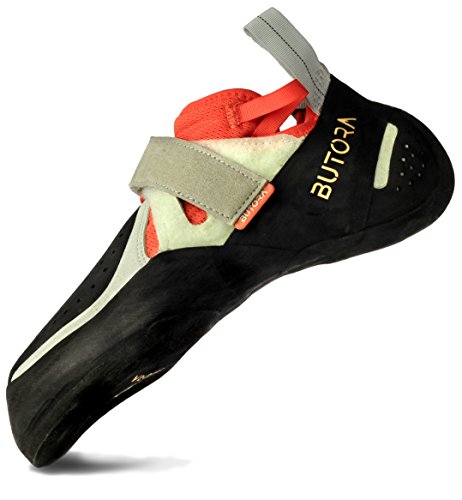
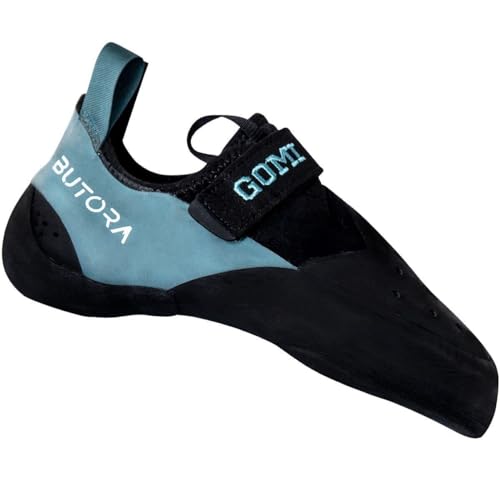


How We Evaluate the Best Climbing Shoes for Bunions
The criteria below score a shoe the way a bunion owner actually experiences it: pressure at the big toe joint, control on small holds, and comfort across a full session. Use each threshold as a pass or fail check when you try shoes on.
Features That Matter for Bunions
A bunion is a bony bump at the big toe joint, and climbing shoes push that joint inward by design, so shape matters more than size alone. Look for a rounder, more symmetrical toe box that follows your forefoot instead of forcing your toes toward the center. Soft or stretchy upper material over the joint reduces pressure points, while a stiff pointed toe box concentrates force exactly where it hurts. A low volume heel and secure midfoot let the front of the shoe stay roomier without your foot sliding. If pain in everyday shoes is a wider problem for you, see our guide to the best shoes for bunions for daily wear advice.
Skill Level and Intended Use
Beginners with bunions should start with comfortable all around shoes built for long sessions and moderate grades, because tight aggressive shoes add joint stress you do not need yet. Intermediate climbers can add a slightly more precise shoe for harder routes while keeping a relaxed pair for volume training. Advanced climbers with bunions often rotate two pairs, using the snugger one only for short hard attempts. Match the shoe to the climbing you do most, not the hardest route you hope to try once. Comfort that keeps you climbing weekly builds more skill than pain that cuts sessions short.
Performance Characteristics
Grip comes from soft sticky rubber and good contact with the hold, and a bunion friendly shoe can still grip well if the sole is not overly thick. Stiffer shoes support your foot on small edges and reduce calf and toe fatigue on vertical walls, while softer shoes flex and smear better on slabs and volumes. Forgiveness matters too: a shoe with some padding and a less extreme shape tolerates foot swelling during a session. Sensitivity drops as soles get thicker, so choose the balance by wall angle. Steep bouldering favors soft and sensitive, while long vertical routes favor support.
Safety and Fit Checks
No climbing shoe carries a medical certification for bunions, so treat any claim that a shoe treats or fixes a bunion with skepticism. Your safety checks are personal: no numbness, no sharp pressure on the joint, and no hot spots after twenty minutes of wear. Stop climbing and change shoes if your toe goes numb or the joint throbs, because pushing through can inflame the tissue around the joint. See a podiatrist if you notice redness that lasts into the next day, swelling that does not settle, skin breakdown over the bump, or pain that changes how you walk. Those signs mean the problem needs medical advice, not just new gear.
Indoor vs Outdoor Use
Indoor climbing means warm rooms, smooth holds, and frequent breaks where you can slip your shoes off, which is easier on a sore joint. Outdoor routes add cold rock, longer time in the shoe, and approaches that punish a poor heel fit. A slightly roomier shoe often works better outdoors because feet swell on warm approaches and long belays. Rubber compounds also differ, with softer rubber gripping gym plastic and volumes well but wearing faster on rough rock. If you climb in both settings, buy for the one where your bunion complains most.
Portability and Storage
Climbing shoes travel in your pack toe to heel, and a pair that holds its shape packs more neatly beside a harness and chalk bag. Keep them out of a hot car trunk, because heat softens glue and can warp the fit you chose so carefully. Store them at room temperature with the closures loose so uppers relax between sessions. A breathable shoe bag limits odor in your pack and keeps chalk dust off the linings. Small habits like these protect the precise fit that makes a shoe work for your joint.
What Each Price Tier Should Offer
Rather than naming specific models, use the tiers below to judge whether a shoe earns its price for a bunion prone foot. Prices are approximate and vary by season and retailer.
Best Overall Tier: What to Expect
Around $120 to $190, an overall tier shoe should give you a rounded toe box, quality sticky rubber, and a closure system that adjusts across the forefoot, usually laces or wide straps. Laces deserve special attention from bunion owners because you can leave the lowest section looser over the joint while keeping the midfoot secure. The midsole should feel supportive on small edges without forcing your toes into a hard curl. At this price, expect durable stitching, a lined or padded tongue, and resole potential that extends the life of a fit you like. This tier suits regular climbers who want one dependable pair.
Best Value Tier: What to Expect
Around $70 to $120, value tier shoes focus on comfort and durability for gym sessions and easy outdoor routes. Uppers are often synthetic or simple leather with a flat, relaxed last that suits bunions well. Rubber may be slightly harder, which trades a little grip for a much longer life, a fair deal while you are learning footwork. The main limits are less precise edging and fewer fit adjustments. For style conscious climbers on a budget, our guide to the best looking climbing shoes shows that comfort first shapes can still look sharp.
Best Tier for Heavy Use
For climbers training three or more days a week, a heavy use pick should offer thick durable rubber, a sturdy rand, and construction that a resole shop can rebuild. Around $150 to $200, this tier buys longevity rather than extra aggression. A flat to mildly downturned shape protects your joint across long sessions, and replaceable straps or strong lace eyelets matter because closures fail before soles on hard working shoes. Rotate two pairs if you train daily, since even durable shoes last longer with a rest day. Sport climbers can compare shapes in our guide to the best sport climbing shoes.
Quick Buyer Checklist
- Does the toe box look rounded and wide enough that your big toe can lie nearly straight?
- Can you loosen the closure over the joint while keeping the midfoot and heel secure?
- Is the upper soft or stretchy where it crosses your bunion, with no seam on the bump?
- Can you stand on a small edge for ten seconds without sharp joint pain?
- Does your heel stay seated when you pull down on a hold, with no lifting or rolling?
- After twenty minutes of wear, do you feel pressure but no numbness or throbbing?
- Is the shoe flat or mildly downturned rather than aggressively curved for your main climbing?
- Does the price tier match your weekly climbing volume and resole plans?
Red Flags to Watch For
- A sharply pointed toe box. Pointed shapes drive the big toe inward and load the joint, which is the opposite of what a bunion needs.
- Vague sizing advice. If a seller cannot state whether a shoe runs narrow or wide, you cannot judge fit for a wider forefoot.
- Medical claims in the listing. Shoes can reduce pressure, but claims to correct or cure bunions are a warning sign of careless marketing.
- A very short warranty or no returns. Fit for bunions is personal, so a seller that blocks exchanges raises your risk.
- Seams or stiff overlays on the joint. Hard material crossing the bump creates a pressure point that worsens as the shoe warms up.
Setup and Care Tips
Put new shoes on at home first and walk, edge on a stair, and sit with them on for twenty minutes before a gym visit. Store them out of direct sun and away from heaters, because heat and ultraviolet light age rubber and glue. Check the toe area, straps, and rand for wear before each session, and clean grit off the soles with a damp cloth after outdoor use, then let them air dry fully. A sprinkle of plain foot powder can limit odor without harming linings.
Frequently Asked Questions
What features matter most in climbing shoes for bunions?
A rounded roomy toe box, an adjustable closure, and soft material over the joint matter most. These features let your big toe sit straighter and spread pressure across the forefoot instead of one sore spot. Stiffness should match your climbing style, with support for edging on vertical walls. Women comparing everyday and climbing options may also find our guide to the best women's shoes for bunions useful, and our guide to the best shoes for people with bunions covers daily wear in depth.
Does indoor vs outdoor climbing matter for bunions?
Yes, because outdoor days keep you in the shoe longer and add approach hikes that swell your feet. A touch more room and a supportive sole usually feel better outside. Indoors, you can remove shoes between climbs, so a slightly snugger fit is easier to tolerate. If one pair must do both, buy for the outdoor fit and use heel socks or thicker socks indoors when needed.
How long do climbing shoes for bunions last?
With regular gym use, expect about six to twelve months before the rubber thins at the toe or the fit stretches enough to change pressure on your joint. Outdoor use on rough rock shortens that span. Resoling once is often worthwhile if the upper still fits your foot well. Retire a pair when the rand shows through or your toes feel the hold through the sole.
What size climbing shoes should I get with bunions?
Start at your street shoe size or a half size up, rather than downsizing the way many climbers do. Your toes should touch the front without a hard curl, and your big toe should not be forced strongly inward. Try shoes late in the day when your feet are slightly swollen, and try both feet because bunions often differ by side. Pain that grows during a twenty minute trial means try another shape, not just another size.
Is it worth buying premium climbing shoes as a beginner with bunions?
Usually not at first, because beginners gain more from a comfortable mid priced shoe they can wear for full sessions. Premium prices often buy aggressive shapes and soft thin rubber, which can hurt a bunion and wear out fast on novice footwork. Spend on fit and a return friendly seller instead. Upgrade later when you know your style, your grades, and the exact shape your joint tolerates.
The Bottom Line
Judge every candidate by joint comfort first, closure control second, and rubber and stiffness third, and let pain veto any shoe no matter its reputation. Talk with your clinician or podiatrist about your personal needs, especially if pain persists off the wall, because shoe choice cannot replace medical care. When you are ready, compare the product table above against your checklist and choose the best climbing shoes for bunions that lets you climb a full session and walk out comfortably.


