
Best Climbing Boots for 2026: How to Pick the Right One for Every Need
Disclosure: We may earn a commission when you buy through links on this page, at no extra cost to you. As an Amazon Associate I earn from qualifying purchases. Learn more

Compare climbing boots by use, fit, waterproofing, and support. Learn what matters for rough ground, long days, and bad weather before you buy.
There is no single boot that suits every climb, because best climbing boots is really a family of boots built for different ground, weather, and loads. A light boot that feels great on a dry trail can feel thin and unstable on loose rock, while a stiff, heavily insulated boot can feel clumsy and hot on an easy approach. This guide matches boot types to real uses, so you can judge fit, support, waterproofing, and weight against the ground you actually walk on. Use the comparison table below as a starting point, then work through the sections on fit and features to narrow your choice.
Start by picturing your most common outing: how rough is the ground, how far do you walk, how much weight do you carry, and how often do you face rain, snow, or mud? Those four answers point to the right stiffness, sole grip, ankle height, and waterproofing far better than price or looks alone. A boot that fits well and suits your ground will feel better after a long day than a more expensive boot built for a different job.


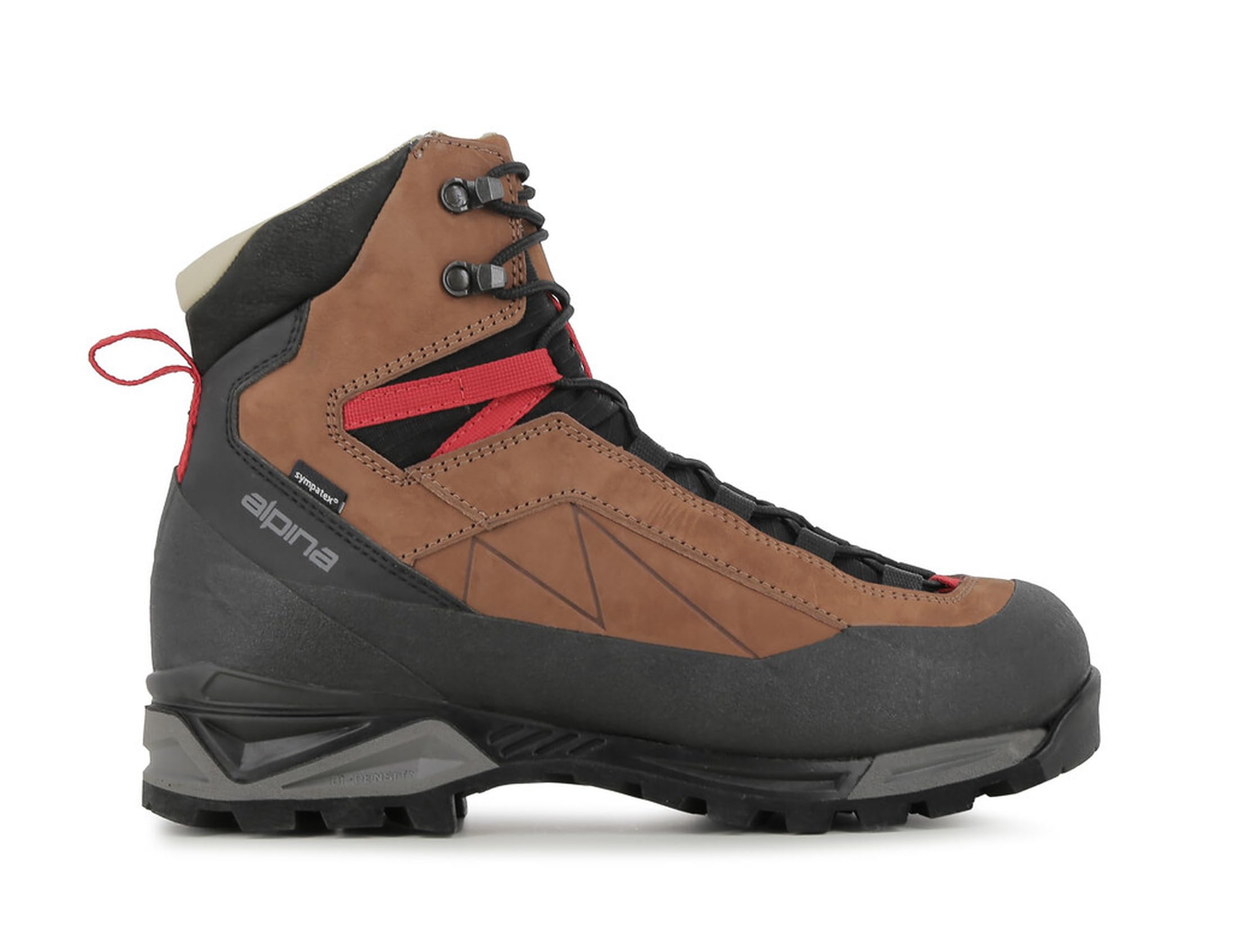

Who Should Buy the Best Climbing Boots?
Climbing boots differ mainly in how much protection, stiffness, and weather resistance they offer. The groups below describe the most common buyers, and each one favors a different balance of those qualities.
For Bad Weather and Tough Conditions
If you regularly face rain, snow, mud, or cold wind, prioritize a waterproof membrane, sealed seams, and a deep lugged outsole that grips wet rock and soft ground. A higher ankle helps keep debris and water out, and a stiffer midsole gives steadier footing when the ground shifts underfoot. These boots run warmer and heavier than light trail boots, so they suit buyers who value protection over speed. Look for a gusseted tongue, which blocks water and grit from entering through the laces, and check that the boot still flexes enough for a natural step.
For Frequent or Serious Users
Buyers who climb often, carry heavier loads, or cover rough ground for many hours need durability and support first. A sturdy upper, a firm midsole, and a durable outsole hold up better under repeated use, and a well built boot keeps its shape instead of collapsing at the ankle. Fit becomes even more important here, because a small pressure point on a short walk can become a painful blister on a long day. Pay attention to warranty and repair options too, since a boot you can resole or repair costs less over time than a boot you must replace often.
For Small Spaces and Easy Storage
If you travel light, store gear in a small home, or want a boot that packs easily, look for a lighter, more flexible boot with a lower profile and a compressible upper. These boots suit easier trails, dry conditions, and shorter outings where agility matters more than heavy protection. They break in faster and feel comfortable sooner, but they offer less ankle support and less insulation than a full weight boot. Keep a second pair for rough or wet days if you climb in varied conditions, rather than expecting one light boot to do every job.
Key Features to Compare
Use the features below as a checklist when you compare boots side by side. Each one changes how a boot feels on the ground, and the right choice depends on your usual terrain and load.
Weight and Flexibility
Weight affects fatigue more than most buyers expect, because every extra ounce is lifted thousands of times over a long walk. Light, flexible boots feel nimble on smooth trails and are easier to break in, but they give less protection against sharp rocks and less stability under a heavy pack. Stiffer, heavier boots protect the foot and support the ankle on uneven ground, yet they demand more effort on flat sections and take longer to soften. Match stiffness to terrain: choose flexibility for smooth, dry paths and stiffness for rocky, loose, or steep ground.
Break In Period and Comfort Out of the Box
Some boots feel comfortable on the first wear, while others need several shorter walks before the upper softens and molds to your foot. A boot that pinches, rubs, or presses on the toes in the shop is unlikely to improve enough with wear, so treat early discomfort as a warning rather than a normal stage. Break a new pair in gradually with short walks around home and on easy ground before a long outing, and wear the socks you plan to climb in. If hot spots appear during break in, adjust lacing, try a different insole, or consider a different size before committing to a long day.
Cushioning and Support
Cushioning absorbs impact on hard ground, while support keeps the foot stable on uneven surfaces. A thicker midsole cushions longer walks but can feel less precise on narrow ledges, where a thinner, firmer sole gives better ground feel. Arch support matters most for buyers with flat feet or high arches, and a removable insole lets you swap in an insole that matches your arch. Heel to toe drop, the height difference between heel and forefoot, changes how your stride feels, so compare boots with the same socks and load rather than judging drop from a spec sheet alone.
Waterproofing and Membranes
A waterproof membrane blocks rain and shallow water from reaching your foot, but it also traps heat and moisture inside the boot, so waterproof boots feel warmer on dry days. For wet climates, stream crossings, and snow, that trade off is usually worth it, especially when seams are sealed and the tongue is gusseted. For dry, warm conditions, a breathable non waterproof boot dries faster and feels cooler, and you can pair it with gaiters for occasional wet sections. If you buy waterproof boots, dry them slowly away from direct heat after wet outings to protect the membrane and the leather or fabric upper.
Fit, Sizing, and Toe Box
Fit decides comfort more than any other feature, so measure your feet in the afternoon, when they are slightly swollen as they would be during a climb, and wear your usual climbing socks. Your toes should have room to wiggle without sliding forward on descents, and the heel should stay in place without lifting on each step. A roomy toe box helps on long descents and suits wider feet, while a narrow toe box gives precision on rock but can cramp toes over time.
Try both boots, walk on an incline if the shop offers one, and check for pressure on the little toe and the top of the foot before you buy. See our guide to best tree climbing boots if your work involves climbing trees rather than rocky ground, since that job favors different grip and protection.
Common Mistakes to Avoid When Buying Climbing Boots
- Choosing by price alone, which can leave you with a boot that is too soft for rocky ground or too stiff for easy trails.
- Ignoring weight and flexibility, so a boot that looks protective feels exhausting after a few miles.
- Buying a size too large or too small, which causes blisters on descents when toes slide forward or heels lift.
- Skipping the warranty and repair check, which matters most for boots you plan to use often or resole later.
- Assuming waterproof means breathable, when a membrane that keeps water out also traps heat on warm, dry days.
Another common mistake is breaking in new boots on a long, hard outing instead of several short walks. A boot that feels fine for an hour can reveal pressure points after three hours, and by then you are far from home with sore feet. Walk new boots on easy ground first, carry a spare pair of socks, and stop to adjust lacing at the first sign of a hot spot rather than pushing through it.
How to Make Your Climbing Boot Last Longer
Clean mud and grit from your boots after each outing, since dried dirt stiffens leather and wears stitching faster. Air dry wet boots away from direct heat, stuff them loosely with newspaper to hold their shape, and remove insoles so the inside dries fully. Rotate two pairs for daily wear when you can, because a boot that dries fully between outings lasts longer than a boot worn damp day after day.
Replace a boot when the outsole tread is worn smooth, the midsole collapses, the upper cracks, or the boot no longer supports your ankle on uneven ground. For icy conditions, see our guide to best ice climbing boots, and for utility pole work see our guide to best lineman climbing boots, since those jobs need specialized protection this general guide does not cover.
Climbing Boots: Your Questions Answered
How long is the break in period for climbing boots?
The break in period for climbing boots usually runs from a few short walks to a couple of weeks of regular use, depending on stiffness and material. Light, flexible boots often feel comfortable within a few outings, while stiff leather boots take longer to soften around the ankle and forefoot. Break them in with short walks on easy ground, wearing your usual socks, and increase distance gradually. If a boot still causes sharp pain after several short walks, the fit is likely wrong rather than merely stiff.
How should climbing boots fit?
Climbing boots should fit snugly around the heel and midfoot while leaving room for your toes to wiggle and spread. Your heel should not lift on uphill steps, and your toes should not hit the front on descents, even when you wear thicker socks. Try boots in the afternoon, when feet are slightly swollen, and walk on an incline if one is available. A boot that feels tight across the little toe or the top of the foot in the shop will usually feel worse after hours on the trail.
Do I need waterproof climbing boots?
You need waterproof climbing boots if you regularly face rain, snow, mud, or stream crossings, since a membrane and sealed seams keep water out far better than untreated fabric. For dry, warm conditions, a breathable non waterproof boot feels cooler and dries faster after sweating. Consider your local climate and season rather than buying waterproof by default, because a waterproof boot that stays damp inside from sweat can feel clammy on a long dry walk. Gaiters can add splash protection to a breathable boot for occasional wet sections.
Can I wear climbing boots all day?
You can wear climbing boots all day if the fit is right, the weight suits the terrain, and you break them in gradually before a long outing. A boot that is too stiff, too heavy, or too tight will cause fatigue and blisters over a full day, even if it feels fine for an hour. Choose cushioning and ankle support for the distance and load you expect, and take short breaks to adjust lacing and air your feet on long days. If you plan to wear boots daily, rotating two pairs helps each pair dry fully and last longer.
Are expensive climbing boots worth it?
Expensive climbing boots are worth it when the extra cost buys durable materials, better stitching, a resoleable outsole, and a fit that stays comfortable over long distances. For occasional easy trails, a mid priced boot often performs just as well, since you do not need heavy protection or extreme durability. The value lies in longevity and comfort on rough or frequent use, not in price alone. Compare outsole durability, upper construction, and warranty before deciding, and spend more only where those features match your ground and frequency.
How often should I replace my climbing boots?
Replace climbing boots when the tread wears smooth, the midsole collapses, the upper cracks or tears, or ankle support fades on uneven ground. Frequency of use matters more than calendar time, so a boot worn weekly on rocky ground wears out far sooner than a boot worn monthly on smooth trails. Inspect the outsole, midsole, and stitching after muddy or wet outings, and retire a boot that no longer grips or supports reliably. Keeping boots clean and dry between outings extends their life, but no boot lasts forever under hard use.
Wrapping Up
Choose by ground, load, and weather first, then by fit, and price last, and you will end up with a boot that feels right after a long day rather than only in the shop. Light and flexible suits smooth, dry trails, stiff and waterproof suits rough, wet ground, and a roomy toe box with a secure heel suits long descents. Check the product table above once more against your most common outing, and pick the boot type that matches that outing rather than the toughest looking option. With that match in mind, the best climbing boots become a practical choice you can make with confidence, in comfort, and without paying for protection you do not need.


