
Best Clear Shoes at Every Price: What Your Money Really Gets You in 2026
Disclosure: We may earn a commission when you buy through links on this page, at no extra cost to you. As an Amazon Associate I earn from qualifying purchases. Learn more

Compare the best clear shoes by price tier, fit, material clarity, and comfort, and learn which upgrades are worth paying for and which to skip.
Clear shoes run from under $25 novelty pairs to polished designer styles over $150, and the price gap is not always obvious from a product photo. Knowing where the money actually goes helps you spend on the parts you will feel: fit, material clarity, and sole comfort. This guide to the best clear shoes breaks down each price tier, the features worth paying for, and the costs that show up after purchase. Start with the comparison table below, then use the tiers to set a budget that matches how often you will wear them.
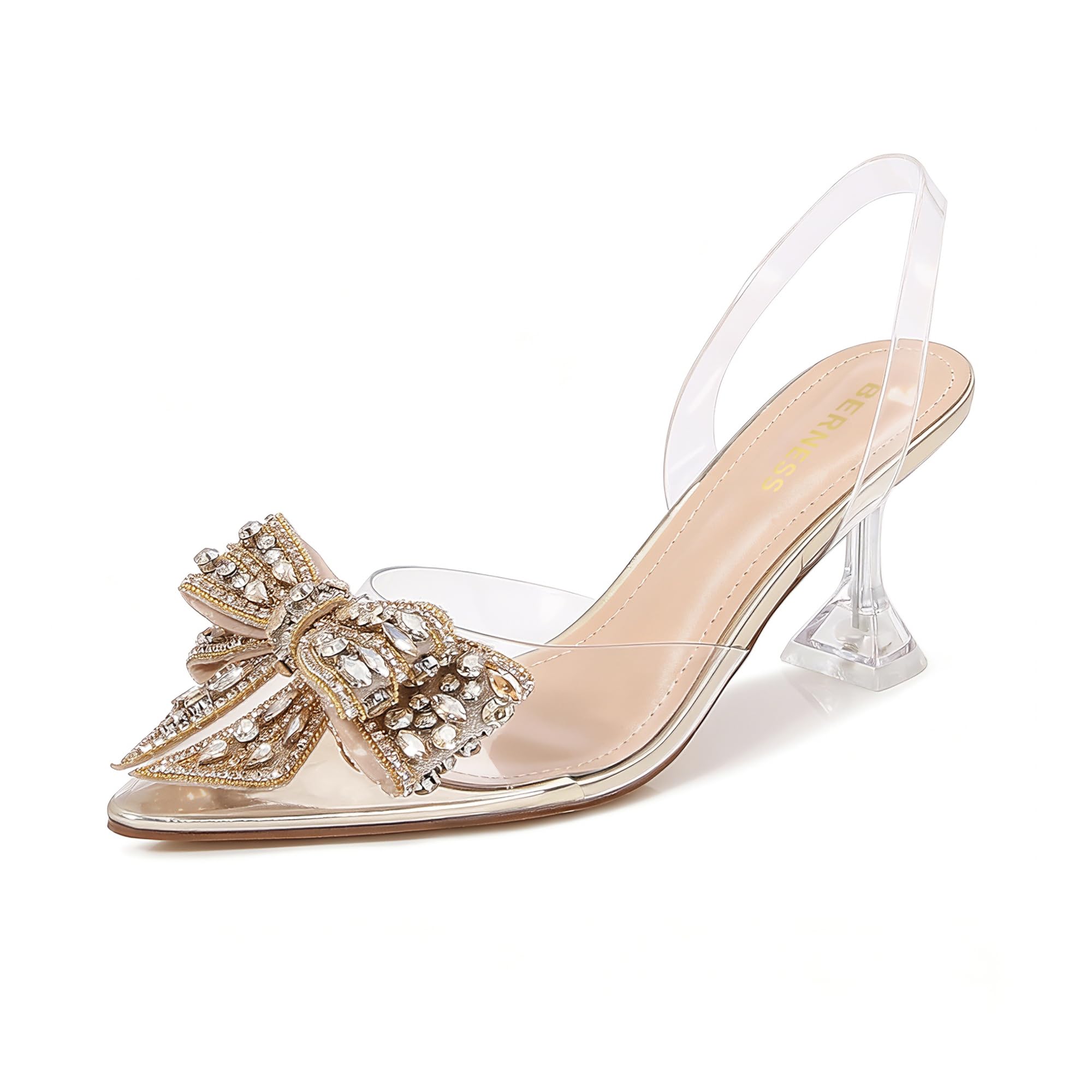
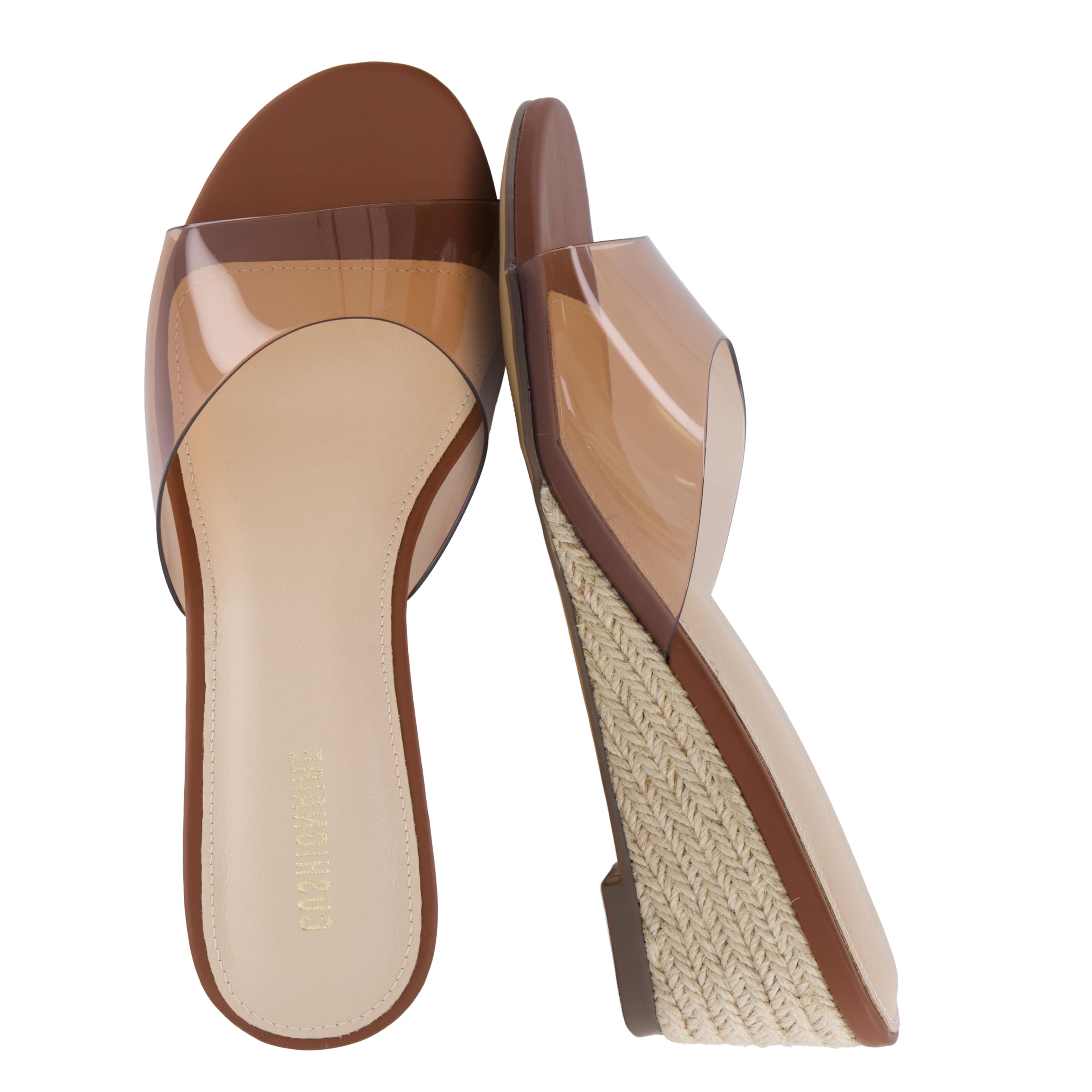

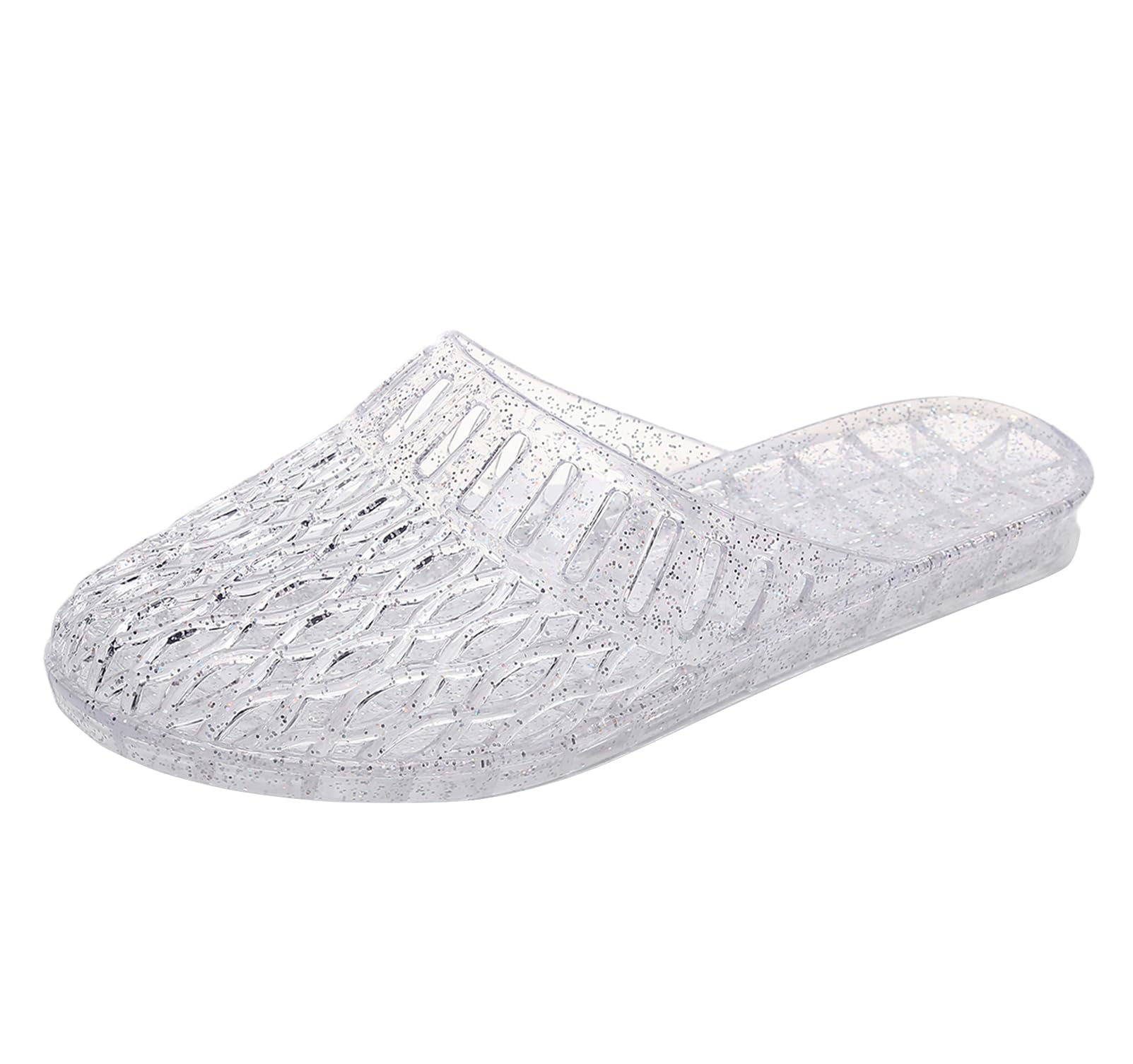
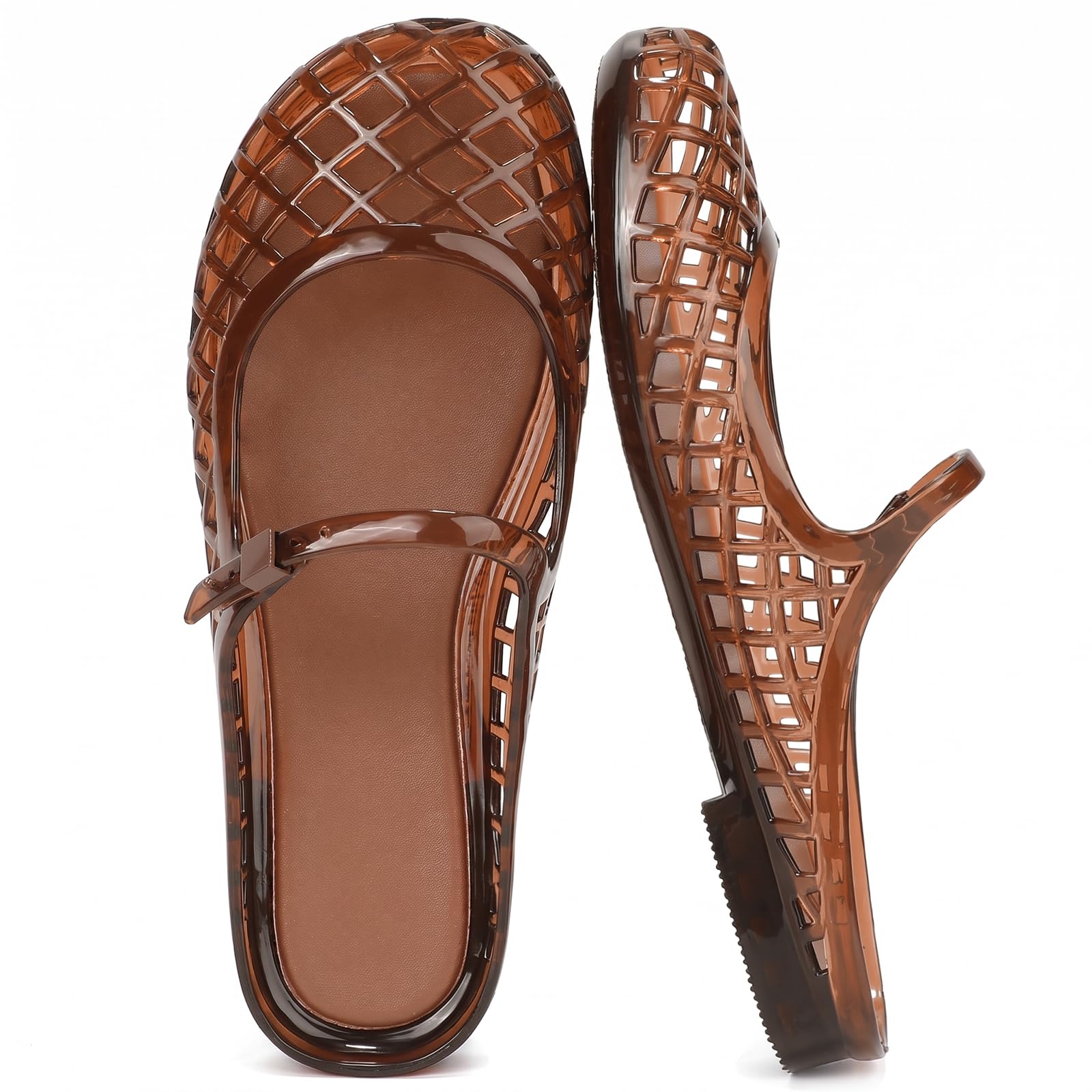
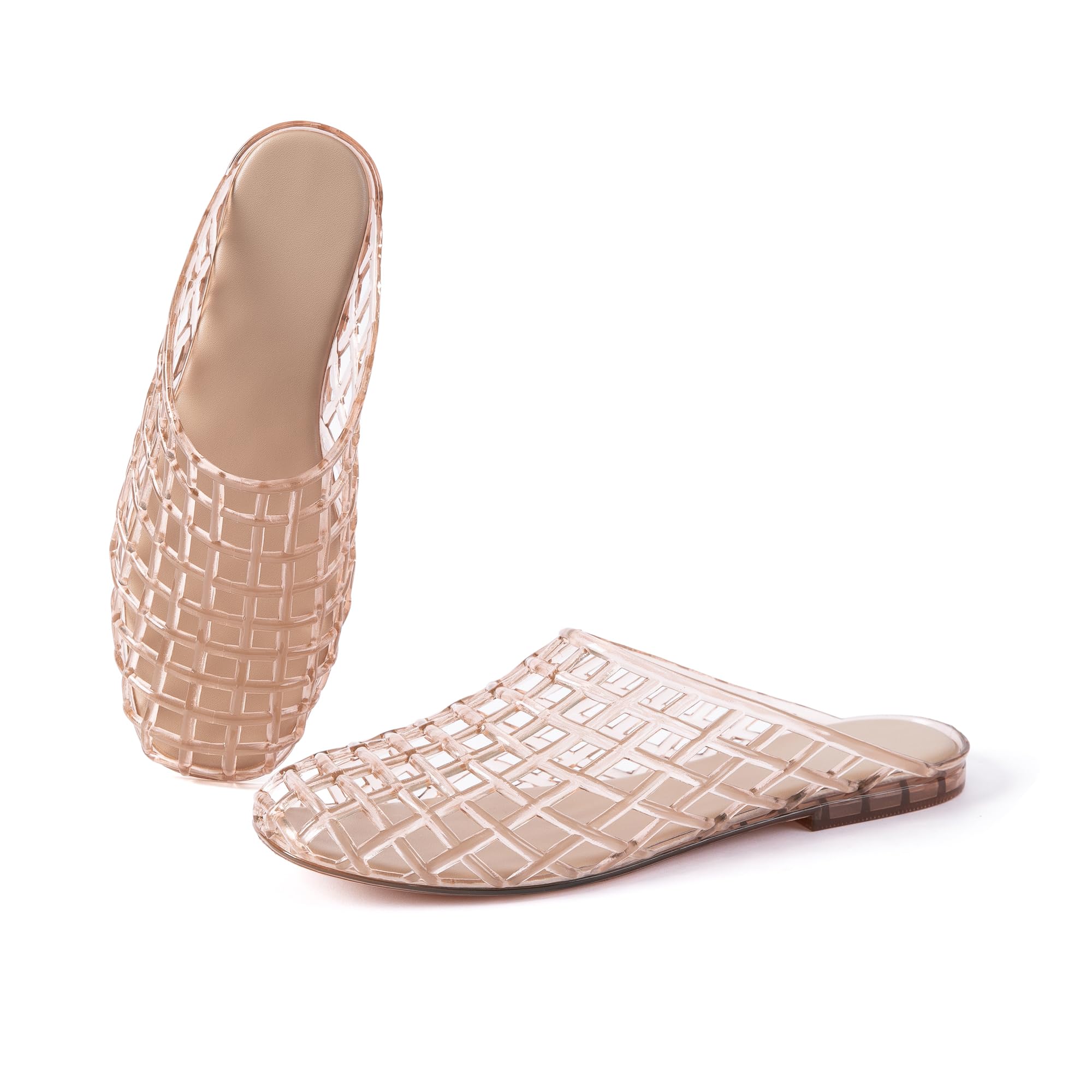

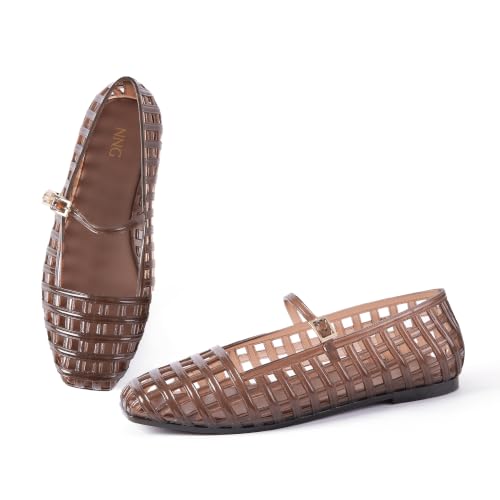


Best Clear Shoes Price Tiers at a Glance
Budget Tier: Trying the Look
Budget clear shoes, usually under $35, use thinner transparent uppers, basic flat insoles, and simple molded soles. They are a sensible way to try the style for an event or a holiday without much risk. Comfort is the main compromise, since thin straps and minimal cushioning suit a few hours rather than a full day. At this tier, a generous return policy matters more than any single feature, because sizing and strap placement vary widely between cheap molds.
Midrange Tier: Comfort Features Arrive
Midrange pairs, about $35 to $90, add padded insoles, clearer and thicker upper material, and soles with real tread and flex. This is the tier most people should buy for weddings, nights out, and regular summer wear, since the comfort jump from budget pairs is large and immediate. Strap edges are usually finished, which cuts down on rubbing, and sizing runs closer to standard shoe charts. One good midrange pair often outlasts two budget pairs, which makes it cheaper over a couple of seasons.
Premium Tier: Finish and Footbed Quality
Premium clear shoes, often over $90, focus on refinement: glass clear uppers with polished edges, leather or cushioned footbeds, and heels or soles shaped for a dressy profile. You also get more consistent sizing and better construction at the strap anchors. The premium makes sense when the shoes must complete a formal outfit or you plan years of regular wear. It buys finish and comfort polish rather than a different look, so judge it by photos of the edges and footbed, not the silhouette alone.
What Your Money Gets You at Each Price Tier
Budget Tier: What to Expect
Expect a fun look, light cushioning, and material that may show creases or slight clouding after repeated wear. Budget clear shoes work best indoors, on smooth floors, and for short stretches. Keep expectations matched to the price and they can be a cheerful addition to a party outfit. Just inspect the pair as soon as it arrives, while returns are easy, because flaws like bubbles in the upper or crooked straps are most common at this level.
Midrange Tier: The Sweet Spot for Most Buyers
The midrange is where clear shoes become genuinely wearable. Uppers stay clearer longer, insoles gain arch contour, and soles grip instead of skating on smooth floors. You will also find more styles here, from clear flats and mules to block heel sandals with transparent straps. If you are torn between two pairs, spend the difference on the one with the padded footbed and finished strap edges, since those two details decide whether you reach for the shoes again next month.
Premium Tier: When Spending More Pays Off
Spending more pays off when clarity and comfort both matter for long events. Premium uppers resist the yellowing that sun brings out in cheaper blends, and cushioned footbeds keep a long evening from ending in sore feet. Construction details improve too, with straps anchored through the footbed rather than surface glued. For a once a year outfit piece, premium pricing is hard to justify, but for a signature style you wear monthly, the cost per wear drops quickly.
Features Worth Paying For (and Ones to Skip)
Fit, Sizing, and Toe Box
Fit decides everything in a shoe you cannot break in the usual way, because transparent uppers stretch very little. Measure your feet late in the day and trust the brand size chart over your usual number. Look for a toe box that lets your toes lie flat without the sides pressing them together, since clear material displays every squeeze and can fog where it presses. If you are between sizes, size up and add a thin insole rather than enduring a strap that digs from the first hour.
Cushioning and Support
A molded, padded footbed is the single upgrade most worth buying. Flat plastic insoles transmit every step, while a cushioned footbed with a gentle arch rise and a stable heel cup keeps clear heels and flats comfortable far longer. Stability matters in clear heels especially: a block heel and a sole with modest grip beat a narrow stiletto on polished floors. Skip paying extra for novelty extras like glitter fill or light up soles if the footbed underneath stays flat and hard.
Weight and Flexibility
Clear shoes should feel light and bend where your foot bends, at the ball, not in the arch. Thick rigid soles look chunky and can fight your stride, while a sole that folds in the middle offers no support at all. Flex the shoe in your hands when it arrives: a smooth bend at the front third is what you want. Weight is rarely a problem in this category, but heavy platform styles can tire your legs at long events, so weigh style against the hours you will stand.
Break In Period and Comfort Out of the Box
Clear shoes should feel close to comfortable straight out of the box, because the upper will not soften and stretch like leather. A short break in of two or three indoor wears is normal while your feet adjust to strap placement, but pain, pinching, or red marks that last past an hour signal a wrong size or a poor strap position. Adhesive cushion strips can fine tune one rubbing spot, yet they cannot rescue a shoe that squeezes across the toes.
If sandals are more your style than closed shoes, the same tier logic applies, and our guide to the best clear sandals walks through a fit and clarity checklist made for open styles.
Long Term Costs to Factor In
The purchase price is only the start. Add the cost of adhesive cushion strips or replacement insoles, cleaning supplies, and possibly a second pair in rotation so uppers can rest and air out between wears. Cheap pairs replaced every season quietly cost more than one midrange pair kept for years, especially once event day shipping for a last minute replacement enters the picture. Storage matters too: keep clear shoes in their box or a cloth bag, away from sun and heat, because warmth and light yellow the material even when you are not wearing them. Budget a few minutes of care after each wear, wiping the uppers with a soft damp cloth and mild soap, and the clarity you paid for will last.
FAQs
How long is the break in period for clear shoes?
Plan on two or three short indoor wears over about a week, mostly so your feet adjust to the straps rather than the material stretching. Clear uppers soften only slightly with warmth and wear. If a spot still rubs after several outings, add a cushion strip or accept that the fit is off, because continued rubbing leads to blisters that no insert will fully prevent.
How should clear shoes fit?
Clear shoes should fit close without squeezing, with toes lying flat, the heel seated without lifting out, and straps lying flat against the skin. Fogging or white pressure marks where a strap crosses usually mean the fit is too tight. Walk across a hard floor and check for sliding forward, which strains the toes in closed styles and loosens heels in open ones.
Can I wear clear shoes all day?
You can wear cushioned midrange or premium clear shoes for a long day if the footbed has arch contour and the heel height suits you. Thin budget pairs are better for a few hours at a time. Bring a familiar backup pair for events that mix standing, dancing, and a walk home, and your feet will thank you more than any style rule will.
Are expensive clear shoes worth it?
Expensive clear shoes are worth it for frequent wearers who value lasting clarity, finished strap edges, and real cushioning. The value shows up over seasons, not in the first photo. For a single event, a midrange pair usually delivers the same look for far less, and the money saved covers tailoring or accessories that complete the outfit better.
How often should I replace my clear shoes?
Replace clear shoes when the uppers yellow, crack, or crease white, when straps loosen, or when the insole feels flat and hard. Occasional pairs stored in the dark can serve for years, while a favorite pair worn weekly through summer may be ready for retirement after two seasons. Do not push a worn pair into a big event, since strap failure tends to happen under exactly that stress.
Do I need waterproof clear shoes?
Most clear shoes already shrug off rain and splashes because their uppers and soles are synthetic, so waterproofing is rarely a feature you need to buy. What matters more is sole grip on wet floors, since smooth clear soles can skate on tile and marble. After a wetting, dry the shoes in shade and check metal buckles or leather footbeds, which are the parts water can stain or tarnish.
The Bottom Line
Set your tier by how often you will wear them, then judge fit and clarity before style extras. For most readers, the best clear shoes sit in the midrange, where cushioning and clear, well finished uppers arrive without premium pricing. Compare your finalists in the product table above, try the winner indoors while returns are open, and store it away from sun so it stays clear for the next outing.


