Best Cleaner for Smartphones: A Budget to Premium Buying Guide for 2026
Disclosure: We may earn a commission when you buy through links on this page, at no extra cost to you. As an Amazon Associate I earn from qualifying purchases. Learn more

Fingerprints, skin oil and shared screens need safe cleaning. Compare sprays, wipes and UV options to choose the best cleaner for smartphones for your routine.
A phone screen collects fingerprints, pocket lint, makeup, and a film of skin oil every day, yet the wrong liquid can strip the coating that helps that glass resist smudges. Prices also stretch from a few dollars for a simple spray to well over one hundred dollars for a sanitizing case. Choosing the best cleaner for smartphones comes down to how you use your phone, how often you clean it, and whether plain cleaning is enough or you also want germ reduction.
This guide walks through each price tier, the formats worth paying for, and the habits that keep a cleaner safe for glass, cameras, and charging ports. Use the comparison table below to match a format and price range to your routine before you buy.
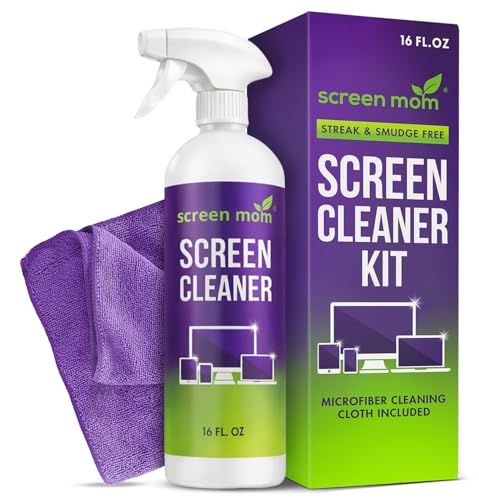


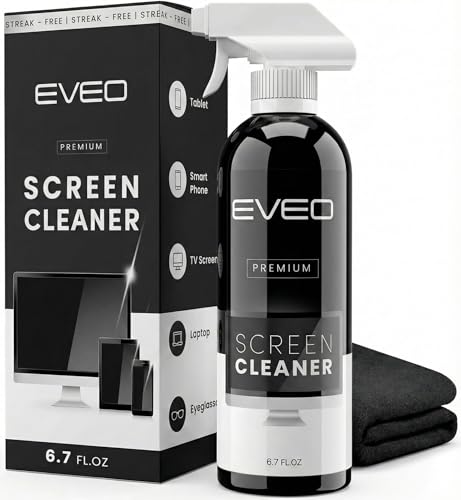
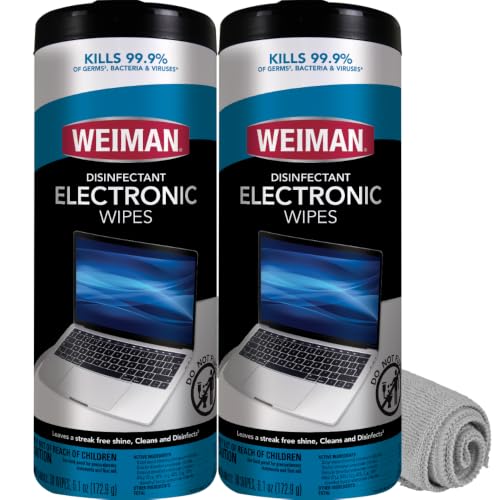

Who Should Buy Which Type of Smartphone Cleaner?
Start with your daily routine rather than the label on the bottle, because the right format follows from how and where your phone gets dirty.
Everyday Users Who Mostly Fight Fingerprints
If your screen mainly collects smudges from calls, scrolling, and texting, a small spray bottle paired with a microfiber cloth covers nearly everything you need. This pairing removes skin oil without leaving residue, and it slips easily into a desk drawer or bag pocket. You do not need sanitizing claims or powered gadgets for routine grime, and one bottle lasts through hundreds of light cleanings when you spray the cloth rather than the phone.
Parents, Caregivers, and Anyone Sharing a Phone
Phones that pass between hands, ride in stroller trays, or sit on kitchen counters pick up far more than fingerprints. If your phone is shared or handled by kids, look for a cleaner that can disinfect the surface, or consider a UV sanitizing case that treats the whole device at once. Check the label for contact time, since a disinfecting liquid only works when the surface stays wet for the stated period. Fragrance free formulas are a sensible default here, because strong scents linger on a device held close to the face.
Travelers, Commuters, and Field Workers
A phone that travels on trains, job sites, and airport trays needs cleaning that works away from a sink or desk. Individually wrapped wipes suit this group best, because each wipe is fresh, sealed, and ready in seconds. Wipes cost more per use than a spray, but the convenience means you will actually clean the phone instead of postponing it. Choose wipes described as streak free and safe for coated glass, and keep a few in your bag and car console.
What Your Money Gets You at Each Price Tier
Smartphone cleaners cluster into three broad price bands, and each band buys a different mix of convenience, capacity, and extra features.
Budget Tier: What to Expect
Budget options, usually under $10, include small spray bottles, basic wipe packs, and plain microfiber cloth bundles. These products clean oil and dust well, and for many owners they are genuinely all that is required. The tradeoffs are small bottle sizes, thinner cloths that lose softness sooner, and labels with little detail about coating safety. If you go budget, spend your attention on the ingredient list and cloth quality rather than on bold claims on the package.
Midrange Tier: The Sweet Spot for Most Buyers
Midrange kits, about $10 to $30, typically bundle a larger spray with several better cloths, a travel bottle, or both full size and pocket size containers. This tier tends to offer the clearest labeling about use on coated screens, plus refill options that lower the cost of your second year of cleaning. Most households land here because the quality jump is real while the price stays modest, and the directions are usually clearer too.
Premium Tier: When Spending More Pays Off
Premium options, about $40 to $150, are usually UV sanitizing cases or lights, sometimes bundled with charging. You are paying for germ reduction across the entire phone, including buttons and edges that a cloth can miss, plus a set routine that runs while the phone rests. This tier makes sense for shared devices, health conscious households, and phones that spend time in clinics, gyms, or classrooms. It does not remove visible grime, so a premium sanitizer still pairs with a basic cloth for fingerprints.
Features Worth Paying For (and Ones to Skip)
Some features genuinely change how well or how cheaply you clean, while others only decorate the package. The points below sort one from the other.
Format: Spray, Gel, Wipes, and Concentrate
Sprays give you the most control, because you mist the cloth and decide how much liquid touches the screen. Gels cling to vertical glass and drip less, which helps when you clean a phone held in a stand. Wipes trade a higher cost per use for speed and sealed freshness. Concentrates and refills stretch a single purchase across months, since you dilute or top up the same bottle. Pick the format you will use daily without thinking, because consistency matters more than any single deep clean. Judged by cost per use, the best cleaner for smartphones for a daily user is often a refillable spray rather than the biggest box of wipes.
Cost per Use and Value
The sticker price alone misleads, so divide the price by the number of cleanings the package realistically delivers. A spray bottle that handles about 500 light cleanings can cost a few cents per use, while a box of 30 wipes at about $12 costs far more each time. Heavy daily users save real money with sprays and concentrates, while occasional users may never finish a large bottle before it dries out. Match the package size to your actual pace instead of buying the biggest container by default.
Eco Friendly Packaging
Refill pouches, concentrates, and washable cloths cut the plastic and packaging that single use products generate. A biodegradable wipe is a better choice than a standard wipe if you rely on disposables, though even those belong in the trash rather than the toilet, since wipes can clog plumbing. Look for credible marks such as EPA Safer Choice on liquid formulas, which signals that the ingredients were screened under that program. One durable cloth washed regularly can replace hundreds of disposable sheets.
Features That Matter for Smartphones
Phone glass carries an oil resistant coating that harsh chemicals slowly wear away, so coating safety is the feature that matters most. Choose formulas described as safe for coated screens, and be cautious with strong alcohol solutions, ammonia, and bleach, which phone makers commonly warn against. A cleaner should also dry without residue, because streaks on a bright display are obvious. If you are also shopping for a handset itself, browse our best smartphones ranked guide to compare models, then check the maker page for that model and its cleaning guidance.
Effectiveness on the Specific Mess
Different messes need different responses, and no single product handles all of them. Skin oil and fingerprints yield to a dry or lightly misted microfiber cloth. Sticky residue from food may need a cloth dampened with a small amount of cleaner and a second dry pass. Dust in speaker grilles and port edges responds better to a soft dry brush than to any liquid. Limescale and hard water spots belong to bathroom fixtures, not phones, so a cleaner promising to dissolve them is solving a problem your screen does not have.
Picking the Right Cleaners for Different Uses
Most owners only need surface cleaning, but one situation calls for a different standard and a different kind of product.
Best Virus Cleaner for Smartphones: Where Your Money Goes
When germ reduction is the goal, your money goes toward verified disinfection rather than shine. Look for a disinfecting product with clear label directions, a stated wet contact time, and language that the formula is safe for electronics. UV C sanitizing cases are the other route, and they treat the whole phone without any liquid, which removes coating worries entirely. Disinfection and cleaning are separate jobs, so wipe visible grime away first, because dirt on the surface can shield germs from both liquids and light.
Long Term Costs to Factor In
The purchase price is only the first cost. Wipes and small spray bottles need regular replacement, so estimate a year of your normal routine before choosing a format. UV cases draw a small amount of power and their lamps or batteries eventually wear out, and a case shaped for one phone may not fit your next one. Cloths are the cheapest item to maintain, since washing restores them, but replace a cloth that turns rough before it drags grit across the glass. Refill systems cost more at first and less over time, so they reward owners who clean daily.
Common Mistakes to Avoid
Most screen damage from cleaning comes from habits rather than from any single product. Household sprays are a frequent culprit, because formulas built for tile and fixtures are far too harsh for coated glass. Keep bathroom and kitchen sprays away from your phone entirely.
- Spraying liquid directly onto the phone, which lets moisture seep into speaker openings and ports and can damage internal parts.
- Scrubbing with paper towels or tissues, which can drag grit across the glass and leave fine scratches over time.
- Using bleach, ammonia, or strong solvents, which strip the oil resistant coating and leave the screen smudging faster than before.
- Cleaning while the phone charges with a wet cloth nearby, which mixes moisture with a live cable connection.
- Pressing hard on stubborn spots, which risks harming the display instead of loosening the residue.
- Sharing one grimy cloth for months, which spreads the collected oil and dirt back onto the freshly wiped screen.
How to Make Your Smartphone Cleaner Last Longer
Store spray bottles upright with the cap closed, away from heat and direct sun, so the formula does not evaporate or weaken. Wash microfiber cloths in warm water without fabric softener, because softener coats the fibers and turns a good cloth into a smearing one, then let them air dry. Keep wipes sealed tightly after opening, since a dried out pack cleans nothing. Dust matters too, because a phone on a dusty shelf gets dirty again within hours, so wipe the charging spot when you wipe the phone. Replace any cleaner that changes smell, color, or texture.
Cleaners for Smartphones: Your Questions Answered
What features matter most in a cleaner for smartphones?
Coating safety matters most, followed by a streak free finish and clear directions for use on electronics. A formula that protects the oil resistant layer keeps the screen easier to clean for the life of the phone. One point many buyers miss is nozzle control on sprays, because a fine mist prevents the puddles a coarse sprayer can leave on the cloth. If two products look equal, choose the one whose label names coated glass.
Which cleaning products should never be mixed when cleaning a smartphone?
Never mix household chemicals such as bleach and ammonia or bleach and vinegar, because those combinations can release gases that harm your lungs. For a phone, the simpler rule is stronger still: use one product at a time, exactly as its label directs, and never layer two liquids on the same cloth. If you switch products, rinse and dry the cloth first, and store strong chemicals away from your phone cleaning kit.
Are natural cleaners as effective as regular cleaners for smartphone screens?
For everyday oil and fingerprints, a plant based or otherwise gentle cleaner works about as well as a conventional one, because the microfiber cloth does most of the lifting. The gap appears with disinfection, since many natural formulas are not registered to kill germs and should not claim that job. Check whether the label carries an EPA Safer Choice mark if ingredient screening matters to you.
How often should I use a cleaner on my smartphone?
A light wipe with a dry microfiber cloth can be a daily habit, while a cleaner assisted wipe once or twice a week suits most owners. Clean sooner after travel, illness in the household, or a day when the phone sat on shared surfaces. One useful cue is the screen itself: when fingerprints stop wiping away cleanly with a dry cloth, the oil buildup calls for a proper cleaning session.
Is a smartphone cleaner safe to use around kids and pets?
Most screen cleaners are low risk when used as directed, but you should still store bottles and wipe packs out of reach, because the liquids are not meant to be swallowed. Let the phone dry fully before handing it back to a child, which takes only a minute or two. Fragrance free products reduce the scent that draws curious toddlers toward a freshly cleaned device. If a child does swallow a cleaning liquid, call poison control or your doctor right away.
Final Thoughts
Match the format to your routine, protect the coating on your glass, and judge value by cost per use rather than sticker price. The product table above pulls those tradeoffs together, so compare the tiers there against how often you really clean. Chosen with those points in mind, the best cleaner for smartphones is simply the one you will use often, safely, and without a second thought. Prices and availability can change, so check the product page before ordering.