Best Cleaning Solution for Toilets: Every Type Explained Side by Side for 2026
Disclosure: We may earn a commission when you buy through links on this page, at no extra cost to you. As an Amazon Associate I earn from qualifying purchases. Learn more

Gel, tablet or eco friendly: see which best cleaning solution for toilets suits hard water, septic systems and a weekly brush routine, with typical prices.
Toilet cleaners range from thick gels you brush on to tablets that work while you sleep, and each type handles stains, germs, and hard water very differently. This guide compares the main types in plain language so you can pick the best cleaning solution for toilets for your bowl, your plumbing, and your routine. You will see what each format does best, where it falls short, and what it usually costs.
Start with the comparison table below for prices and formats at a glance, then read the sections that follow before you stock your bathroom cabinet.
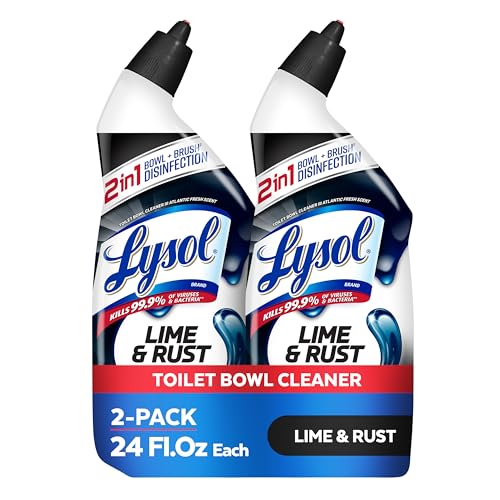


Types of Cleaning Solutions Compared
Three broad families cover most homes. They differ in how long the cleaner stays in contact with the bowl, how much effort you supply with a brush, and how kind they are to septic systems and the environment. Contact time is the hidden variable in toilet cleaning, because most formulas need several minutes on the surface to dissolve mineral scale and kill common bathroom bacteria. A fast spray and flush rarely matches a gel that clings for ten minutes.
Eco Friendly Picks
Eco friendly toilet cleaners rely on plant based acids such as citric acid and gentler surfactants instead of strong bleach or hydrochloric acid. They handle fresh stains, light rings, and everyday grime well, and they are usually the safest choice for septic tanks and homes with kids or pets nearby. Their limit is heavy mineral scale, where they may need a longer soak or a second application. Expect to pay about $5 to $12 per bottle, a little more than basic gels. Choose this family if low odor, safer storage, and septic safety matter more to you than maximum stain power.
Everyday Value Picks
Everyday value cleaners are the standard gels and liquids sold in large bottles, often with bleach or mild acid for stain removal. They cling reasonably well under the rim, cut through typical stains, and cost the least per clean, often about $3 to $8 per bottle. A weekly brush with one of these keeps most bowls in good shape without special effort. The trade offs are stronger fumes and more care needed around colored grout, chrome fittings, and clothing. For a general overview of methods beyond bottled cleaners, see our guide to the best for cleaning toilets for tools and routines.
Space Saving Picks
Space saving formats include concentrated refill pouches, drop in tank tablets, and small bottles of thick gel that store in tight cabinets. In tank tablets clean a little with every flush and reduce how often you need a deep scrub, which suits small bathrooms and guest toilets. Concentrates cut plastic waste and shelf clutter because one small bottle makes several full strength refills. The caution is plumbing: some in tank products can wear rubber flappers and seals over time, so check that a tablet is safe for your toilet parts. If that format appeals to you, compare options in our guide to the best toilet cleaning tablets.
Eco Friendly Picks vs Everyday Value Picks: Which Should You Choose?
Choose eco friendly cleaners when your home has a septic system, young children, or anyone sensitive to strong chemical smells, because their gentler formulas trade a little stain power for much safer daily use. Choose everyday value gels when your water is hard and rings build up fast, because their stronger acids and bleach remove scale and stains with less soaking and scrubbing. Cost also differs: value gels are cheaper per bottle, while eco friendly products cost a bit more but often need no gloves and ventilate faster. Many homes keep both, using the gentle cleaner weekly and the strong gel once a month for a reset. Your water hardness and your tolerance for fumes should make the final call.
How to Choose the Best Cleaning Solution for Toilets
Labels, Safety Marks, and Septic Safety
Read the label before the marketing claims. Look for clear directions, a list of surfaces to avoid, and a statement about septic safety if your home uses a septic tank. Third party programs such as EPA Safer Choice mark products whose ingredients meet stricter safety standards, which helps when you want lower toxicity without guesswork. Bleach based cleaners disinfect well but must never be mixed with acids or ammonia, because the mix creates dangerous gas. Store any strong cleaner locked or on a high shelf away from children, and open a window or run the fan while you use it.
Bowl Material and Surface Safety
Most toilet bowls are glazed porcelain, which tolerates standard gels and mild acids well. Abrasive powders and hard scouring pads can scratch that glaze over time, and scratched areas stain faster, so favor chemical contact time over force. Keep strong acids off chrome hinges, metal flush parts, and natural stone floors nearby, since splashes can etch or discolor them. If your bathroom has marble or stone tiles, wipe drips at once and choose a gentler formula. Colored gels help you see coverage inside the bowl, which improves results without extra scrubbing.
Format, Scent, and Storage Options
Angled neck bottles reach under the rim where stains and bacteria collect, so format matters as much as formula. Thick gels cling to vertical surfaces longer than thin liquids and usually clean better per application. Scent is a real choice too: heavy fragrance can linger in small bathrooms, while unscented or lightly scented products suit sensitive noses. Match the bottle size to your storage space, because a bulky value bottle is no bargain if it lives on the floor. Households comparing general tools as well can also see our guide to the best thing for cleaning toilets.
Features That Matter for Toilets
Toilets need a cleaner that handles three jobs: dissolving mineral scale from hard water, removing organic stains, and reducing bacteria under the rim and at the waterline. Check whether a product targets limescale specifically if you see chalky rings, because disinfecting alone will not remove mineral deposits. Dwell time on the label, often five to ten minutes, tells you how patient the formula expects you to be. A cleaner that works with your brush routine beats a stronger one you dread using. If you prefer the toilet to handle more of the work itself, our guide to the best self cleaning toilets explains those systems.
How to Make Your Cleaning Solution Last Longer
Use the measured amount on the label rather than a heavy pour, because excess gel mostly rinses away and wastes money. Apply cleaner, then wait the full dwell time before brushing, so the formula does the work and each bottle covers more cleans. Keep the brush itself clean by rinsing it in fresh bowl water after a final flush and letting it air dry in its holder, since a dirty brush spreads grime back onto the bowl. Store bottles upright in a cool cabinet, and descale nearby fixtures such as shower heads with vinegar on the same day to batch your bathroom chores.
Cleaning Solutions: Your Questions Answered
What features matter most in cleaning solutions for toilets?
Scale removal, cling time, and safe use on porcelain matter most. A gel that clings under the rim gets long contact with the dirtiest area instead of sliding straight into the water. If your area has hard water, limescale dissolving acids matter more than fragrance or color. Clear safety directions and septic guidance on the label are also worth checking before price.
What strength is best for hard water stains in toilets?
Stubborn chalky rings usually need an acid based cleaner and a full ten minute soak, sometimes repeated twice. Start with the mildest acid product, often citric acid based, and move to stronger formulas only if rings remain. Let the cleaner work rather than scrubbing harder, because force scratches glaze and makes future stains worse. For very old scale, lower the bowl water level first so the cleaner touches the ring undiluted.
How do I keep a toilet bowl fresh longer between deep cleans?
A quick brush every few days with a small amount of your regular cleaner prevents rings from hardening. Good ventilation lowers humidity and slows mildew on nearby surfaces. In tank or rim block products add a light clean with each flush, which stretches the gap between deep cleans. Fix a running toilet promptly, because constant water flow lays down mineral lines much faster.
Are premium toilet cleaning solutions worth it?
Premium products can be worth it when they save time, through thicker gels that cling longer or formulas that remove scale in one pass. They make less sense if your water is soft and a basic gel already keeps the bowl clean. Compare cost per clean rather than bottle price, since concentrates often win that math. Pay for performance you can see, not for fragrance alone.
How often should I replace my toilet brush and cleaning supplies?
Replace a toilet brush about every six months, or sooner if bristles bend, splay, or hold odor after rinsing. Swap it at once after cleaning up any illness in the household. Bottled cleaners keep well for about a year in a cool cabinet, but discard any that separate, thicken oddly, or lose their label. Restocking brush and cleaner together on a set month keeps the routine simple.
Final Thoughts
Match the formula to your water and your plumbing first: gentle eco friendly cleaners for septic homes and light soil, stronger value gels for hard water scale, and compact formats where storage is tight. Apply, wait, then brush, and let contact time do the heavy lifting. Check the product table above for current options, and choose the best cleaning solution for toilets that fits your bathroom and your weekly routine.