Best Cleaning Solution For Bathtubs 2026: What to Look For
Disclosure: We may earn a commission when you buy through links on this page, at no extra cost to you. As an Amazon Associate I earn from qualifying purchases. Learn more
Clean bathtubs safely with the right solution for soap scum, stains, and material type, plus tips for grout, drains, and regular care for a fresher bathroom.
Choosing the best cleaning solution for bathtubs depends on your tub material, the type of buildup, and how much scrubbing you want to do. A good solution should dissolve soap scum and stains without damaging acrylic, porcelain, or stone surfaces. It should also rinse cleanly and leave no slippery residue that makes the next shower unsafe.
The comparison table below gives a quick side by side view of the main solution types to compare. Use it with the guidance in this article to match a product to your tub, your water hardness, and your household needs. Always test a new product in a small hidden area first, especially on older or refinished tubs.



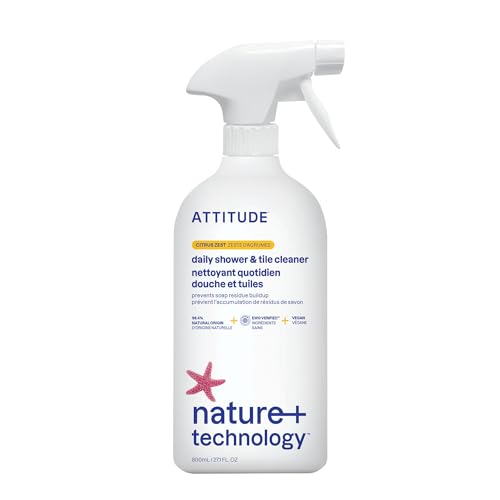


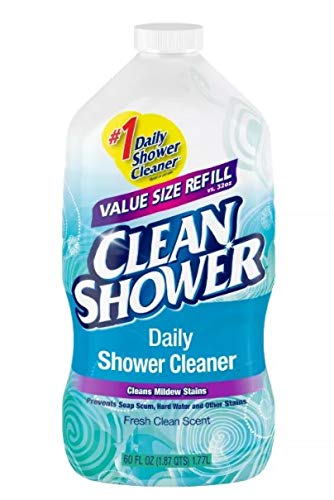
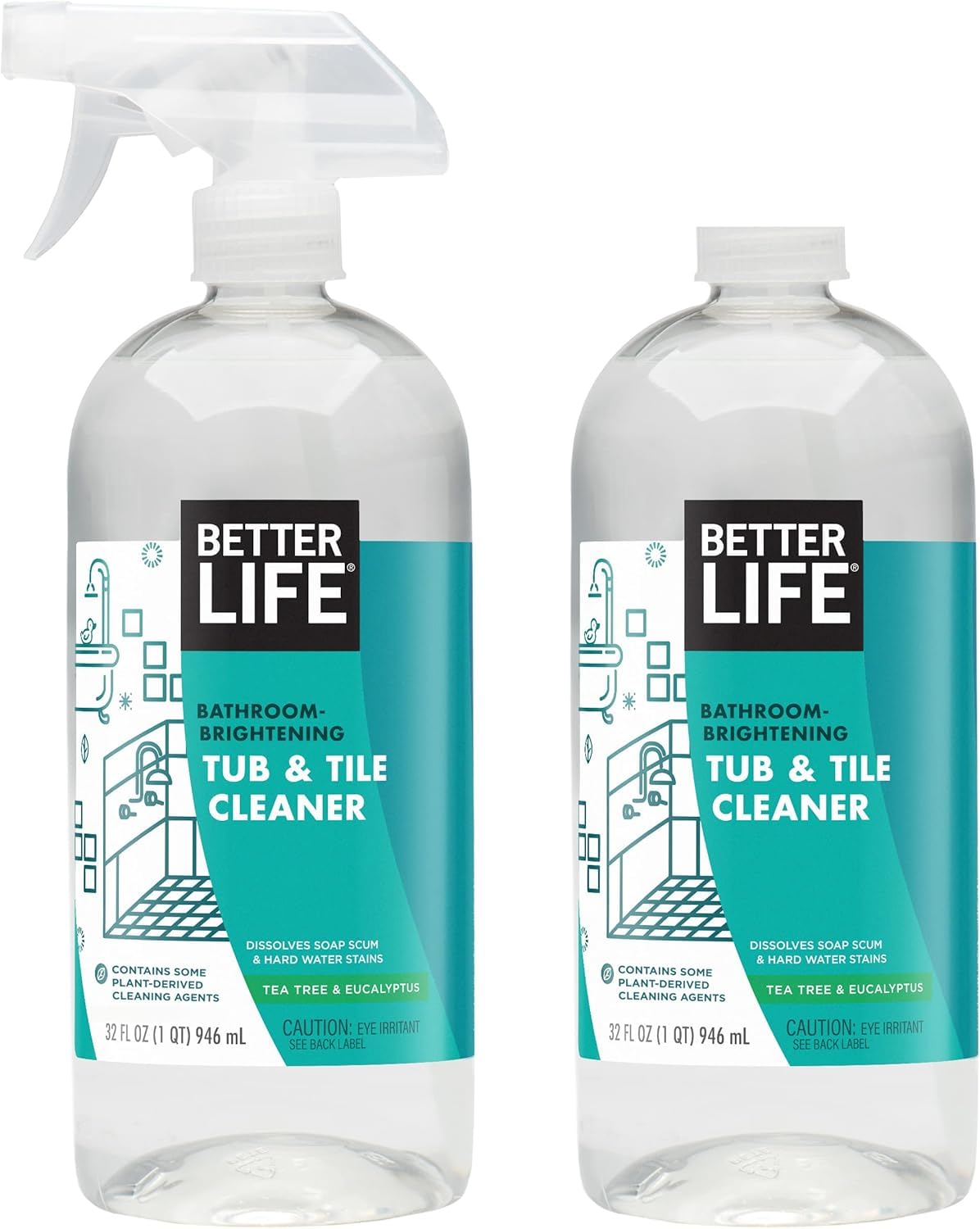
Matching Solutions to Tub Materials
Acrylic tubs need gentle, non abrasive cleaners, since harsh scouring pads and strong solvents can dull or scratch the surface. A mild bathroom cleaner or a diluted vinegar solution often works well for light soap scum. Avoid acetone based products and abrasive powders on acrylic unless the maker specifically allows them.
Porcelain enamel tubs handle stronger cleaners better, but chips in enamel expose metal that can rust if harsh chemicals sit too long. Use a bathroom cleaner made for porcelain, and rinse well after scrubbing. Avoid letting strong bleach solutions sit on chipped areas for extended periods.
Natural stone and refinished tubs need the most care, since acids and abrasives can etch or dull finishes. Use a pH neutral stone safe cleaner, and avoid vinegar, lemon, and harsh descalers on stone. When in doubt, check the tub maker or refinisher guidance before trying a new product.
Tackling Soap Scum, Stains, and Hard Water
Soap scum forms when soap mixes with hard water minerals, leaving a dull film on walls and tub surfaces. A cleaner with a mild acid or surfactant can dissolve that film, but it needs contact time to work. Spray, wait by label instructions, then wipe with a soft cloth or non scratch sponge.
Hard water stains and mineral rings often need a descaling product or a paste made for mineral deposits. Apply to the stain, allow dwell time, and rinse thoroughly. For stubborn rings, repeat a gentle treatment rather than scrubbing hard with an abrasive pad that can damage the finish.
Colored stains from hair dye, bath products, or rust need different approaches, so identify the stain before choosing a strong product. A baking soda paste can lift light stains, while rust stains may need a rust specific cleaner safe for your tub material. Test any stain remover in a hidden spot first.
Safety, Ventilation, and Household Needs
Ventilate the bathroom during cleaning, wear gloves, and keep cleaners away from eyes and mouth. Never mix bleach with vinegar, ammonia, or other cleaners, since mixing can create harmful fumes. Use one product at a time, rinse between products, and follow label safety instructions carefully.
Households with children, pets, or sensitive skin should favor milder and well rinsed products, and store cleaners out of reach. Rinse the tub thoroughly after cleaning, especially before baths for babies and young children. A slippery residue can be a fall risk, so rinse until the surface feels clean and not slick.
Septic system users should check whether a cleaner is septic safe, since harsh chemicals can affect septic bacteria. Use the smallest effective amount, and avoid pouring large amounts of strong cleaners down drains. Regular light cleaning often needs less product than infrequent deep cleaning.
Routine Care and Buying Tips
Routine cleaning every week or two prevents heavy buildup and reduces the need for strong chemicals. Wipe the tub after showers when possible, and squeegee walls to reduce water spots. A quick rinse after baths with oils or bath bombs prevents residue from hardening.
Cost per use matters more than bottle price, since concentrated products may need only a small amount per cleaning. A good bathroom cleaner often costs about $5 to $15 per bottle and lasts many weeks with routine use. Compare coverage and dwell time, not just scent or brand name.
Keep a simple kit with a soft sponge, a non scratch scrub pad, gloves, and your chosen cleaner in one place. Replace worn sponges regularly, since old sponges can harbor bacteria and scratch surfaces. A consistent routine keeps the tub clean with less effort over time.
Related Choices Worth Comparing
Toilet cleaning uses different surfaces and stains, so our guide to best cleaning solution for toilets explains bowl safe formulas and brush routines.
General toilet cleaning tips overlap with tub care on rinsing and ventilation, and our guide to best for cleaning toilets covers product types and safety basics.
Tub material and finish drive cleaner choice, so our guide to best quality bathtubs can help you identify acrylic, porcelain, and stone options before buying a solution.
Keeping a Bathroom Fresh Between Deep Cleans
A quick daily wipe after showers prevents soap film from building into a stubborn layer that needs strong chemicals later. Keep a squeegee or a soft cloth near the tub, and spend one minute wiping walls and the tub rim after use. That small habit saves much more time than a monthly deep scrub.
Ventilate the bathroom after baths and showers, since moisture feeds mold on grout and caulk. Run the fan for a while after use, and leave the door slightly open when possible to improve airflow. Dry grout lines are less likely to darken and less likely to need harsh treatment.
Check caulk and grout regularly for cracks or gaps, since water can seep behind tiles and cause damage out of sight. Recaulk small gaps promptly, and clean grout with a gentle brush rather than a harsh abrasive. Early attention to seals protects both the tub and the wall behind it.
Dealing With Grout and Drains
Grout lines collect soap and mildew faster than smooth tub surfaces, so brush them gently with a soft brush and a mild cleaner. Avoid harsh abrasives that can erode grout and create gaps for water. Sealing grout after cleaning can slow future staining, though sealers need reapplication over time.
Drains benefit from regular hair removal and a flush with hot water, since buildup slows drainage and causes odors. Use a simple drain screen to catch hair before it enters pipes. Avoid pouring grease or strong chemicals down drains, since both can cause problems deeper in plumbing.
Frequently Asked Questions
Can I use vinegar to clean a bathtub?
Vinegar can help dissolve soap scum and mineral deposits on acrylic and porcelain tubs, but it can damage natural stone and some refinished surfaces. Dilute vinegar, test in a hidden area, and rinse well after cleaning. Avoid mixing vinegar with bleach or other cleaners. For stone tubs, use a pH neutral stone safe cleaner instead of vinegar.
How do I remove a hard water ring from a tub?
Apply a descaling cleaner or a mild mineral deposit paste to the ring, allow the label dwell time, then wipe with a soft cloth and rinse. Repeat a gentle treatment rather than scrubbing hard with an abrasive pad. Regular wiping after baths prevents rings from hardening. For stubborn rings, check your water hardness and consider a water softener for long term control.
Is bleach safe for bathtubs?
Bleach can disinfect and whiten, but it can damage some finishes and irritate skin and lungs if used poorly. Ventilate well, wear gloves, dilute by label instructions, and never mix bleach with vinegar or ammonia. Rinse thoroughly after use, especially before baths for children. For routine cleaning, a milder bathroom cleaner often works well without bleach.
How often should I clean a bathtub?
Clean the tub every week or two for routine use, and wipe after baths with oils or bath products to prevent residue buildup. Households with hard water may need more frequent light cleaning. A quick weekly wipe prevents heavy soap scum that needs strong chemicals later. Deep clean grout and drains monthly, or sooner if odors or slow drainage appear.
What cleaner is safe for a refinished tub?
Refinished tubs need gentle, non abrasive cleaners and should avoid harsh acids, solvents, and scouring pads. Use a mild bathroom cleaner approved by the refinisher, and test any new product in a hidden area. Avoid bleach soaks and strong descalers unless the refinisher allows them. Gentle routine cleaning protects the new finish far longer than aggressive deep cleaning.
Final Thoughts
Choose a solution that matches your tub material, tackles your usual buildup, and rinses cleanly without leaving a slippery film. The product table above can help you compare solution types side by side. Test new products in a hidden area, ventilate well, and never mix cleaners.
With routine light cleaning and the right product for your tub, you can keep the bathroom fresh with less effort, making your choice a strong match for the best cleaning solution for bathtubs. Rinse thoroughly, store cleaners safely, and address stains early before they harden.