
Best Cleaning Products for Tubs 2026: Checklist and Guide
Disclosure: We may earn a commission when you buy through links on this page, at no extra cost to you. As an Amazon Associate I earn from qualifying purchases. Learn more
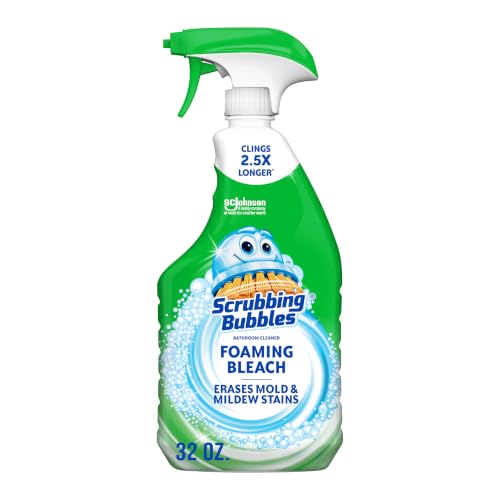
Cleaning a tub? Compare sprays, gels, and concentrates by stain type, surface safety, and scent so you pick a product that works without damage.
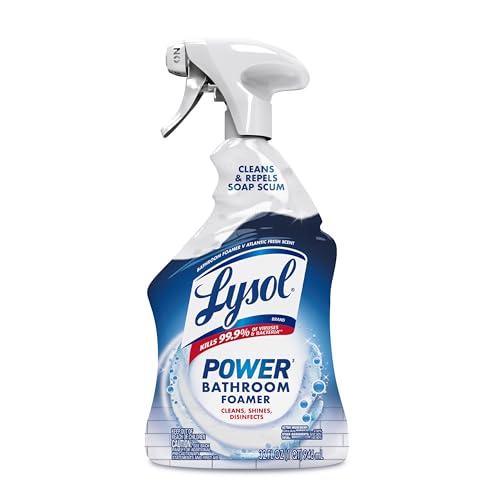
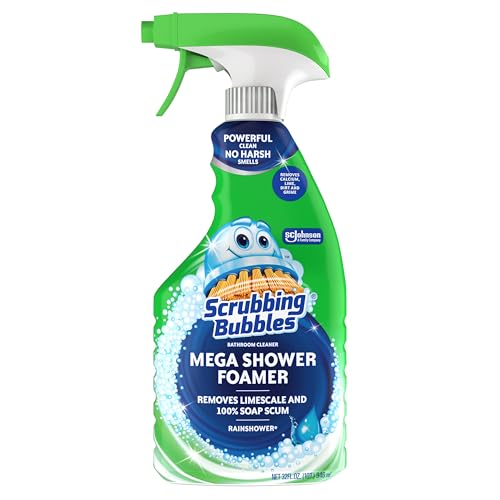
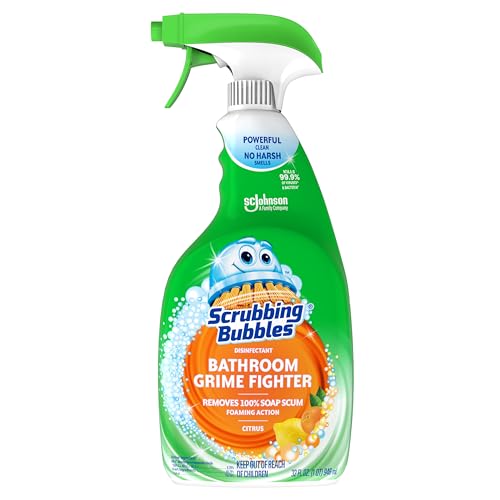
Tubs collect soap scum, hard water stains, mildew, and body oils, and the wrong cleaner either fails or damages the finish. When you choose best cleaning products for tubs, you need a product matched to your tub material and your stain type. The comparison table below shows the main product formats side by side, so you can compare them quickly.
A useful checklist keeps the decision grounded: stain type, surface compatibility, format, cost per use, scent sensitivity, and eco impact each matter. This guide explains each factor in plain terms, so you can clean effectively without harming acrylic, enamel, stone, or fiberglass surfaces.



Features That Matter for Tubs
Tub cleaning starts with identifying the stain, since soap scum, hard water scale, mildew, and rust each respond to different cleaners. Soap scum needs a surfactant that cuts fatty residue, hard water scale needs a mild acid that dissolves minerals, and mildew needs a disinfecting formula. Using the wrong type wastes effort and can set stains deeper.
Surface compatibility matters just as much. Acrylic and fiberglass scratch easily and dislike abrasive powders, while enamel tolerates more scrubbing but chips if struck. Natural stone needs pH neutral cleaners, since acids etch the surface. Always check the label for your tub material before applying any product.
Effectiveness on the Specific Mess
For soap scum, a spray or gel that clings to vertical surfaces gives the cleaner time to work, so let it dwell for the label time before scrubbing. For hard water stains, a mild acid formula dissolves scale, but test it in a hidden spot first, especially on stone or colored grout. For mildew, a disinfecting cleaner kills spores, yet ventilation matters as much, since damp bathrooms regrow mildew quickly.
Rust stains need a dedicated rust remover used carefully, since general cleaners rarely shift them. For general weekly cleaning, a mild all purpose bathroom cleaner prevents buildup and avoids harsh chemicals. Match the strength to the mess: gentle products for maintenance, stronger formulas for neglected buildup, and always rinse thoroughly.
Surface Compatibility and Safety
Check your tub material before buying: acrylic, fiberglass, porcelain enamel, cast iron, and stone each have different tolerances. Abrasive powders scratch acrylic and fiberglass permanently, while acidic cleaners etch stone and damage some grouts. When unsure, test any new product on a hidden area and wait a full day before general use.
Safety extends to you as well. Ventilate the bathroom, wear gloves, and never mix cleaners, especially bleach with acids or ammonia, since the fumes can be dangerous. Keep products away from children and pets, store them upright, and rinse surfaces fully before bathing, since residue can irritate skin.
Format, Cost per Use, and Value
Formats suit different habits. Sprays cover quickly and suit weekly cleaning, gels cling to vertical walls and suit heavy scum, wipes suit quick touch ups, and concentrates cost less per use but need diluting. Pods offer convenience but cost more per clean and suit small households.
Cost per use beats sticker price: divide the price by the number of cleans the bottle delivers, and compare that figure across formats. A concentrate that seems pricey may cost least per use, while single use wipes add up fast. Choose the format you will actually use regularly, since the best cleaner is the one that gets used.
Scent, Sensitivity, and Eco Choices
Scent matters in a small, steamy bathroom, where strong fragrances linger and can trigger headaches or breathing discomfort. Fragrance free options suit sensitive users, while light citrus or herbal scents suit those who enjoy a fresh smell. If anyone in the household has asthma or fragrance sensitivity, choose fragrance free and ventilate well.
Eco choices include refillable bottles, biodegradable formulas, and concentrates that reduce plastic waste. Check for credible eco labels rather than vague green claims, and note that plant based formulas can still irritate skin or damage stone, so surface compatibility still rules. Balance eco goals with effectiveness, since a product that fails leads to repeat cleaning and more waste.
A Final Check Before You Order
Before buying, identify your tub material and your main stain type, then match a product to both. Test new products in a hidden spot, check the care label for dwell time and rinsing, and confirm the scent suits your household. Keep the product stored safely and never mix cleaners.
Prices for tub cleaners often run about $5 to $15 per bottle, with concentrates offering lower cost per use. Spending more helps when it buys surface safe effectiveness for your specific stains, not just a stronger smell. Choose the product you will use weekly, and the tub will stay clean with less effort.
A Weekly Tub Cleaning Routine
A simple weekly routine prevents most tub problems before they start, saving scrubbing time and harsh chemicals. After the last shower of the week, spray a mild bathroom cleaner over the tub, let it dwell for a few minutes, wipe with a soft cloth, and rinse thoroughly. Dry the surface with a towel or squeegee to slow water spots and mildew growth.
Once a month, add a deeper pass: clean grout lines with a soft brush, check the drain cover for hair buildup, and inspect caulk for cracks or mildew. Catching caulk problems early prevents water damage behind walls, which costs far more than a tube of caulk. Replace worn caulk promptly and let it cure fully before showering.
Keep supplies together in a caddy under the sink, so cleaning takes minutes rather than a hunt for products. A routine that is easy to start gets done, while a complicated one gets postponed. Ten minutes weekly keeps a tub looking fresh and avoids the heavy scrubbing sessions that damage finishes over time.
For households with hard water, add a quick scale check to the monthly routine, since mineral buildup dulls finishes and traps soap scum. A mild acid cleaner used carefully on suitable surfaces dissolves scale before it hardens. Always test new products in a hidden spot, rinse well, and ventilate the room during cleaning.
One last habit makes the whole routine easier: keep a small spray bottle of your daily cleaner and a soft cloth within reach of the tub, so a quick wipe takes seconds rather than a search through cupboards. Wiping the tub after the final shower of the day prevents soap scum from hardening overnight, which is when it becomes hardest to remove. Small daily habits like this one turn tub cleaning from a dreaded chore into a quick, almost automatic part of your routine.
Frequently Asked Questions
What removes soap scum from a tub best?
A cleaner with surfactants that cut fatty residue works best, applied as a spray or gel that clings to the surface for the label dwell time before scrubbing. Letting the product sit matters more than scrubbing hard, since dwell time dissolves the scum. Rinse thoroughly and dry the surface to slow regrowth. For heavy buildup, repeat the application rather than switching to an abrasive that could scratch the tub.
Can I use vinegar on all tub surfaces?
No, vinegar is a mild acid that suits porcelain and fiberglass for scale removal but can etch natural stone and damage some grouts and finishes. Test it in a hidden spot first and avoid it on marble, granite, and travertine. For stone tubs, use a pH neutral stone cleaner instead. Always rinse well after any acid cleaner, and never mix vinegar with bleach.
How often should I clean my tub?
A quick wipe weekly prevents soap scum and mildew from building up, while a deeper clean every two to four weeks handles grout and stubborn stains. Households with hard water or heavy use may need more frequent attention. Squeegeeing walls after showers and ventilating the bathroom reduce buildup between cleans. Regular light cleaning beats infrequent harsh scrubbing for both the tub and your time.
Are natural tub cleaners effective?
Plant based and natural cleaners handle light weekly cleaning well, especially for soap scum and general grime, but they may struggle with heavy scale, rust, or mildew. Check the label for active ingredients and surface compatibility, since natural does not always mean gentle on stone. For tough stains, a targeted conventional cleaner used carefully may work better. Match the product strength to the mess rather than to marketing claims.
How do I clean mildew in a tub safely?
Use a disinfecting bathroom cleaner, ventilate the room, wear gloves, and let the product dwell for the label time before scrubbing and rinsing. Improve ventilation and dry surfaces after showers to prevent regrowth, since mildew returns quickly in damp bathrooms. Never mix bleach with other cleaners, and avoid inhaling fumes in a closed room. If mildew persists behind walls or under the tub, consult a professional, since hidden growth needs more than surface cleaning.
Final Thoughts
Choosing a tub cleaner comes down to stain type, surface safety, and a format you will use regularly. Test new products, ventilate well, and never mix cleaners. The product table above can help you compare formats before you decide.
A clean tub needs the right product, not the strongest one, and regular light cleaning beats harsh occasional scrubbing. Match the cleaner to your tub and your stains, and the job gets easier every week. That practical match matters most among best cleaning products for tubs.