
Best Cleaner for Suede Shoes at Every Price in 2026: What Your Money Really Gets You
Disclosure: We may earn a commission when you buy through links on this page, at no extra cost to you. As an Amazon Associate I earn from qualifying purchases. Learn more

See what the best cleaner for suede shoes costs at each level, from brushes and eraser kits to full kits with protector spray, and what each step up buys.
Suede cleaner prices look scattered until you sort them by what is actually in the box. A few dollars buy a brush, a little more buys a kit, and the top shelf bundles cleaning with protection. This guide walks through each price level so you can see where the money goes and where it stops helping. It will help you pick the best cleaner for suede shoes for the pairs you own without paying for extras you will never use.
One honest limit before the prices: a cleaner lifts soil and refreshes the look of suede, but it does not restore crushed nap fully and it cannot redye faded suede back to its original color. Keep that in mind as you compare the levels in the comparison table below.
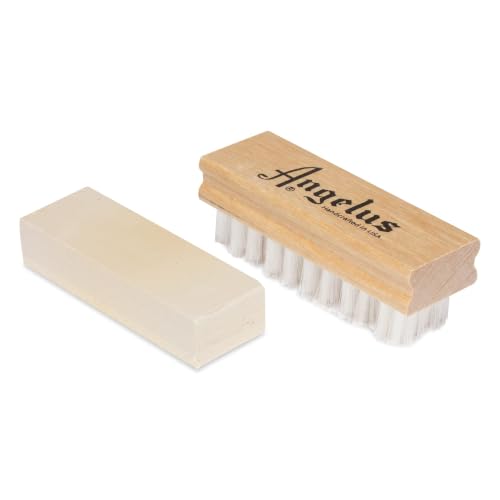


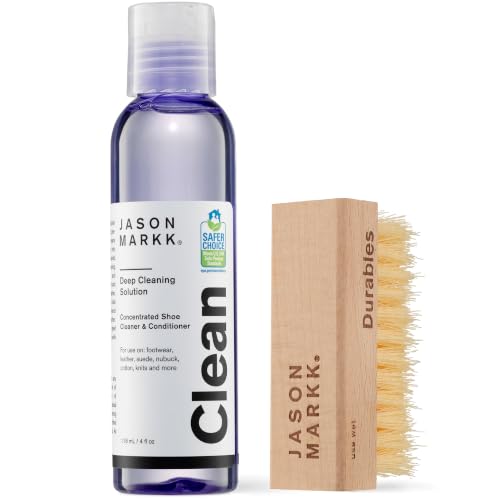

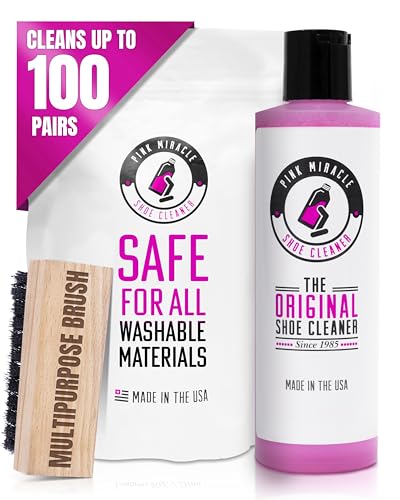

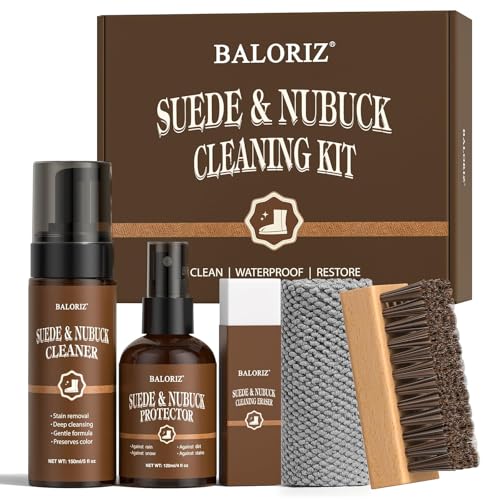
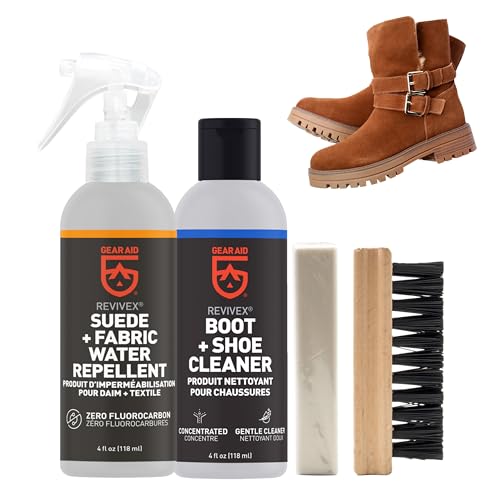
Suede Cleaner Price Levels: What Each Step Up Buys
The market splits into three natural levels, and the jump between them is about tools, not magic. Every level below assumes you already own the shoes; readers who are still shopping for best suede shoes should remember that the right cleaner extends the life of whatever pair they buy. The product table above groups common options by price, and the levels below explain the trade offs.
Under About $10: Brushes and Eraser Blocks
The lowest level buys a dry tool: a suede brush, an eraser block, or a simple two sided brush with an eraser on the handle. These handle the most common jobs, which are dust, dry mud and light scuff marks. Used regularly, a brush alone keeps everyday suede looking cared for, because most of what dulls suede is surface dirt sitting on the nap.
What this level cannot do is treat stains. There is no cleaning liquid, no stain remover and no protection, so water spots and oily marks stay put. It suits one or two pairs worn in dry weather. If your shoes only need freshening between wears, this is the honest place to stop spending.
About $10 to $20: Eraser and Brush Kits
The middle level pairs the eraser and brush with one liquid product, usually a gentle foaming cleanser or a stain treatment for marks the dry tools leave behind. This is the level most owners need, because it covers both routine care and the occasional real stain without asking you to build a shelf of bottles.
Kits at this level vary in how much guidance they include. Clear directions matter with suede, since the wrong method does more harm than the wrong product. Look for a kit that explains the order of work: dry brushing first, spot treatment second, and a full rest for the shoes while they dry away from heat.
Also check what the liquid is meant for. Some middle level kits include a cleanser for the whole shoe, while others include a spot treatment only, and the two are not interchangeable. A spot treatment used everywhere wastes product and can leave uneven color, while a mild whole shoe cleanser may be too gentle for a set in salt line. Match the liquid to the job you actually have.
About $20 to $35: Full Kits With Protector Spray
The top level adds a protector spray to the cleaning kit, sometimes with a second brush or a storage bag. The spray does not clean anything; it lays down a water resistant finish that makes future stains easier to brush away and slows down water spotting. That prevention is the real product at this price.
This level pays off when you own several pairs or wear suede through wet seasons. It is poor value for a single pair worn twice a year, because the spray will outlast your interest in it. Buy the full kit when prevention, not cleaning, is the job you actually need done.
Features Worth Paying For (and Ones to Skip)
The Hidden Area Test Comes First
Before any cleaner touches the whole shoe, test it on a hidden area such as the inside of the heel or the tongue edge, let it dry fully, and check the color and nap. Suede dyes vary, and a cleaner that is safe on one pair can lighten another. This step costs nothing and prevents the one mistake that cannot be undone.
Skip any product that tells you to skip the test or to soak the shoe. Suede should never be saturated with water or cleaner, and strong solvents can strip dye and stiffen the nap. Gentle products with clear test instructions are worth more than aggressive claims on a label.
Effectiveness on the Stains Suede Actually Gets
Judge a cleaner by the stains suede really collects. Salt lines from winter streets brush out partly and need a treatment step for the rest. Water spots are a limit of the material: cleaning can even them out, but a badly spotted shoe may keep a faint outline whatever you spend. Oil marks are the hardest class and often only fade rather than disappear.
Boots face the same stains in heavier form, and owners comparing a best suede cleaner for timberland boots will find the same kit levels apply, since Timberland style suede and nubuck boots take the same brushes, erasers and sprays as shoes. Pay for stain range, not for a longer list of shoe types on the box.
Cost per Use and Value
A kit that costs about $15 and cleans a pair twenty times costs well under a dollar per cleaning, which makes even the middle level cheap against the price of the shoes. The real waste is buying products that overlap: a second foam cleanser adds nothing once you own one. Spend on the missing tool in your routine instead of a stronger version of a tool you have.
Refills and concentrates stretch value further where they exist, since you pay for the brush and bottle once. Fragrance and fancy packaging add nothing to cleaning power, and disinfecting claims aimed at hard surfaces have no place on suede. Judge every extra by whether it changes the result on the shoe.
Eco Friendly Packaging and Refills
This is one extra that can be worth having. Refill pouches and concentrates cut plastic waste and usually lower the cost per use at the same time. Some makers label gentler formulas with recognized safer choice standards, which is a reasonable tie breaker between two similar kits.
Do not let an eco label excuse a weak product, though. A refill of a cleaner that fails on salt stains is still a failed cleaner. Check the tool list and the stain guidance first, then let packaging break the tie.
How to Use Suede Cleaner Without Ruining the Nap
Work dry before you work wet. Brush the whole shoe to lift dust and raise the nap, then use the eraser on marks and scuffs with light strokes in one direction. Only then, if a stain remains, apply the liquid cleaner sparingly to the spot, work it gently, and blot rather than scrub. Stuff the shoes with plain paper so they hold their shape while they dry.
Dry suede slowly at room temperature, away from radiators and direct sun, because heat stiffens the leather and can set a water line. Once dry, brush again to restore the nap direction. Protector spray, if you use it, goes on last, on clean and fully dry shoes, in light coats outdoors or in moving air.
Long Term Costs to Factor In
The cleaner itself is the small cost; the recurring costs are protector spray refills, replacement brushes as bristles wear, and the occasional professional cleaning for a stain that home kits should not chase. A brush lasts a year or more of weekly use, and eraser blocks wear down slowly, so budget for one kit refresh a year if you wear suede often.
Set against the price of replacing a pair of shoes, even the full kit level is minor. The expensive outcome is neglect: salt and ground in dirt left for a season can mark suede past what any cleaner in these price levels can fix.
Storage counts as a long term cost too, in a quieter way. Suede kept in a damp closet can grow mildew that no brush removes cleanly, and shoes stored crushed lose nap where they fold. Keep pairs in a dry, airy spot with their shape supported, and the cleaner you bought will only ever face ordinary dirt instead of damage control.
Frequently Asked Questions
What features matter most in a cleaner for suede shoes?
A matched brush and eraser matter most, because dry tools handle the great majority of suede care. After that, look for a gentle liquid cleanser for the stains dry tools leave, and clear instructions that begin with a hidden area test. Protector spray is a bonus for wet climates. Skip products built around soaking, strong solvents or long lists of miracle claims, since suede rewards gentle methods and punishes aggressive ones.
How often should suede shoes be cleaned?
Brush suede shoes after every few wears, or whenever dust dulls the nap, since a quick brush is what keeps dirt from settling in. Use the eraser on marks as they appear, and reserve liquid cleaning for real stains rather than a routine. A deep clean a few times a season is plenty for most owners. Cleaning too often with liquids wears the nap down faster than the dirt would.
Can household cleaners be used on suede shoes?
They should not be. Dish soap, laundry detergent and general purpose sprays are made for hard surfaces or fabric, and on suede they can strip dye, leave tide lines and stiffen the nap once dry. Even plain water used freely will spot suede. If a stain defeats a proper suede kit, the next step is a shoe repair shop, not a stronger bottle from under the sink.
Are suede shoe cleaners safe to use around kids and pets?
Used as directed, these products are household items, but they should still be handled with care. Apply sprays outdoors or in ventilated air, keep bottles and eraser blocks stored out of reach, and let treated shoes dry fully before anyone wears them or a pet investigates them. Check the label for any specific warning, and if a child or pet swallows a product, contact a doctor or vet rather than waiting for symptoms.
Do natural suede cleaners work as well as standard ones?
For dry care, the question barely applies, since a brush and eraser are already simple tools with nothing to make natural or otherwise. For liquid cleansers, gentler plant based formulas handle light soil and freshening about as well as standard ones, but they can be slower on salt lines and oil marks. Whichever you choose, the hidden area test matters more than the label, because dye response varies from shoe to shoe.
Wrapping Up
Sort your choice by tools, not by claims: dry brushes and erasers at the low level, a stain capable kit in the middle, and protector spray at the top. Test on a hidden area first, respect the limits of the material, and spend where your actual stains and climate say to spend. With those checks in mind, the product table above will point you to the best cleaner for suede shoes at the price that fits your shelf.


