
Best Cleaner for Suede Boots: Types Compared and How to Choose for 2026
Disclosure: We may earn a commission when you buy through links on this page, at no extra cost to you. As an Amazon Associate I earn from qualifying purchases. Learn more

Salt lines, scuffs and water spots need a dry first approach. Compare brushes, foams and kits to choose the best cleaner for suede boots for your pairs.
Suede boots pick up salt lines, water spots, and gray scuffs faster than any smooth leather pair, and the usual response of grabbing a wet cloth makes every one of those problems worse. The best cleaner for suede boots works mostly dry, uses very little liquid when liquid is needed, and comes with the brush and eraser that do most of the real work. This guide compares the main cleaner types, explains what each one handles, and shows how to match a product to the boots you own. The comparison table below lines up the options so you can shortlist quickly.
One honest limit first: a cleaner lifts dirt and evens out the nap, but it cannot bring back a crushed finish fully or redye suede that has faded in the sun. Keep that in mind, and judge each product by what it does for the stains your boots actually collect.



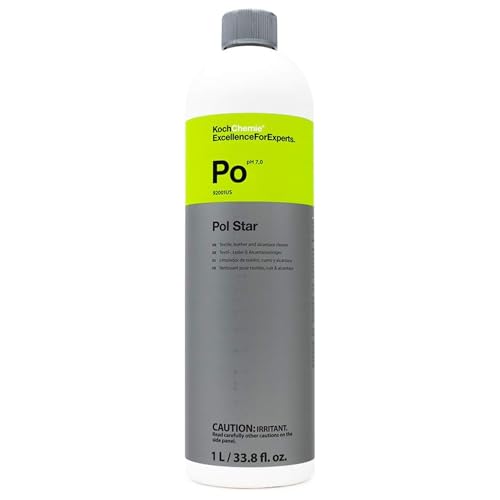


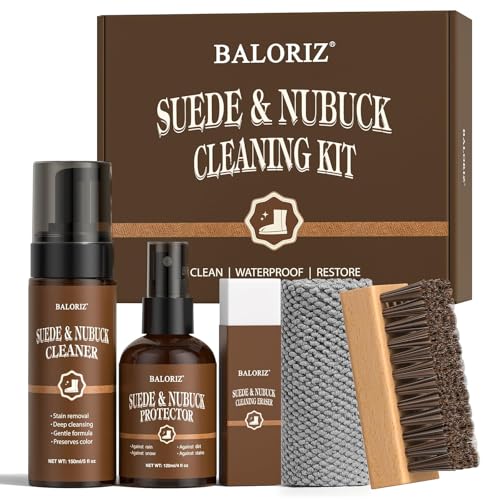
Types of Cleaner for Suede Boots Compared
| Type | Best For | Strength | Limit | Typical Price |
|---|---|---|---|---|
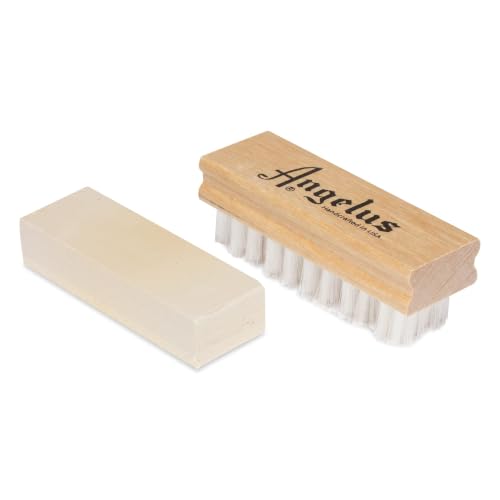
| Brush and eraser set | Dust, scuffs, dry mud, light salt | No moisture risk, works on every color | No help on oil or set in stains | About $8 to $15 |
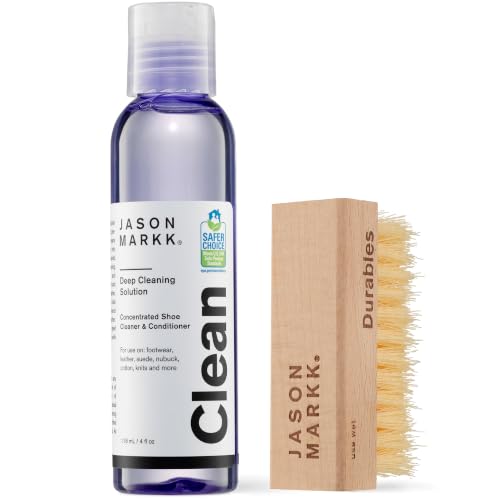
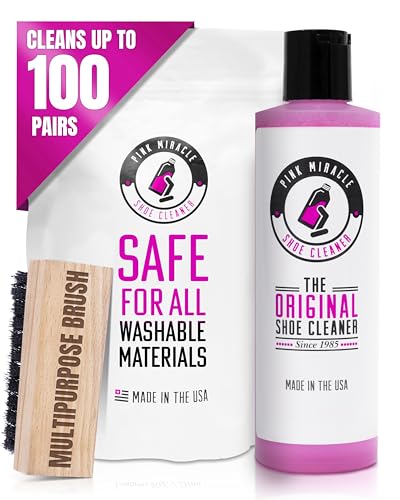
| Foam or spray cleaner | Overall dinginess, drink spills, salt rings | Cleans a whole boot evenly | Needs a hidden spot check and slow drying | About $10 to $20 |
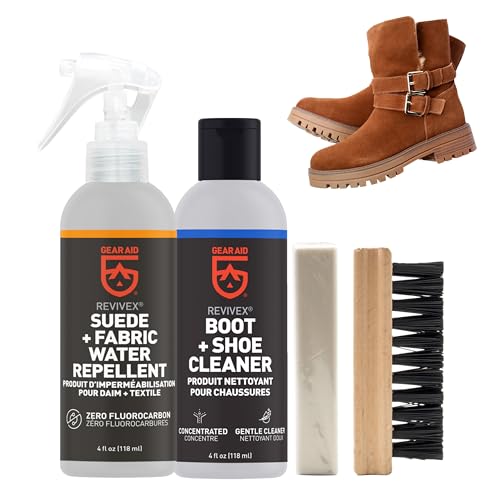
| Full care kit | Several pairs, wet winters | Cleaner, tools, and protector in one box | Costs more than one pair needs | About $20 to $40 |
Brush and Eraser Sets
A suede brush has stiff nylon or brass bristles on one side and often a rubber crepe side on the other, and the eraser block works like a pencil eraser on scuffs and shiny patches. Together they handle the dirt that makes up most of what dulls suede: dust in the nap, dried mud, and the first stage of a salt line. Because nothing gets wet, there is no risk of rings or color change, which makes this type the safe starting point for a pair you care about. Buy this set first even if you plan to add a liquid later, since every liquid cleaner expects you to brush before and after.
Foam and Spray Cleaners
Foam and spray cleaners made for suede and nubuck use mild surfactants in a formula that is meant to be worked in with a brush and then left to dry without rinsing. Foam is the easier of the two to control, because it sits on the surface instead of soaking in, which matters on thin suede and on pale colors that show water marks. Sprays cover a tall boot shaft faster but need a light hand and a steady distance from the boot. Either format handles the jobs the dry tools cannot: a gray film across the whole boot, a drink spill, or a salt ring that brushing only lightened.
Full Care Kits
Kits bundle a cleaner with a brush, an eraser, a cloth, and usually a protector spray, and the better ones add a card that shows the order of work. The protector is the piece that changes long term care, since it makes the next salt line or rain spot brush out instead of soaking in. A kit makes sense for anyone with two or more suede pairs or a wet winter commute. For one pair worn on dry days, the brush set plus a small foam cleaner covers the same ground for less money.
What Separates a Good Suede Cleaner From a Risky One
Suede and Nubuck Named on the Label
The first check is the material list. A label that names suede and nubuck was formulated for a napped surface, while an all leather or all footwear cleaner was usually blended for smooth leather and canvas and may contain conditioners or oils that darken suede permanently. Boot owners run into this most with Timberland style nubuck, and our guide to the best suede cleaner for timberland boots covers the extra care that wheat colored nubuck needs. If the label does not say suede, treat the product as a risk rather than a bargain.
Low Moisture and No Rinse
Suede should never be saturated, so the right cleaner works with a damp brush and a small amount of product, then dries without a water rinse. Look for wording such as no rinse, dry foam, or apply with brush. Products that ask you to flush the surface with water, or that come as a thick gel meant to be scrubbed and rinsed, belong on smooth leather or rubber, not on a suede upper. A short, clear drying instruction is a good sign that the maker understands the material.
Stain Range That Matches Your Boots
Match the cleaner to the marks you see most. Salt lines from winter sidewalks need a cleaner that can dissolve mineral residue, followed by a full brush once the boot dries. Water spots respond to an even clean of the whole panel rather than a dab on the spot, since the goal is one uniform tone. Oil and grease are the hardest case, and a cleaner that names oil stains may still only fade them. A label that promises to remove every stain from suede is overselling, because the material itself sets the ceiling. That is also why the best cleaner for suede boots for a city commuter fighting salt differs from the one a hiker needs for mud.
Scent, Ingredients, and Household Safety
Fragrance lingers in suede and in the lining, so a fragrance free formula is the better default if the boots dry indoors or anyone at home dislikes strong smells. Check for plain ingredient information and clear storage warnings, keep bottles capped and away from children and pets, and work with a window open when using sprays. Bleach has no place in any suede cleaner, and no product for boots should be mixed with another cleaner in hopes of extra strength, since combinations can damage the dye and release fumes.
Cost per Clean
Cleaner prices look scattered until you count uses. A brush and eraser last for years of weekly care, a small foam bottle covers many full cleanings, and a kit spreads its price across every pair in the closet. Spend on the tool your routine is missing rather than a stronger version of one you own. A second foam adds nothing once you have one; a protector spray or a better brush usually adds a lot.
How to Clean Suede Boots Without Ruining the Nap
Start dry every time. Brush the whole boot in one direction to lift dust and raise the nap, then rub the eraser over scuffs, shiny spots, and the top edge of any salt line. Many boots look finished after this step alone. If marks remain, apply foam or spray to the brush or a cloth rather than to the boot, work the whole panel in light strokes so the color dries evenly, and blot rather than scrub.
Stuff the boots with plain paper, stand them away from radiators and direct sun, and give them a full day to dry. Heat sets water lines and stiffens the leather. Once dry, brush again to restore the nap direction, and only then apply a protector spray in light coats outdoors or in moving air. Spot check any new product on the inside of the ankle or under the tongue first, and wait for that spot to dry before you judge it.
Mistakes That Leave Boots Looking Worse
- Scrubbing a wet stain with a stiff brush, which tears the nap and spreads the mark wider.
- Using a smooth leather cream, saddle soap, or mink oil on suede, which darkens the surface for good.
- Soaking the boot or rinsing under a tap, which leaves tide lines and can shrink the leather.
- Drying next to a heater, which bakes in water marks and cracks the flex points.
- Spraying protector over dirty suede, which seals the dirt in until the next deep clean.
- Letting salt sit for weeks, since dried salt stiffens the leather and bleaches the color as it sets.
Frequently Asked Questions
What features matter most in a cleaner for suede boots?
A label that names suede and nubuck, a no rinse low moisture formula, and a matching brush and eraser matter most. Those three cover the great majority of suede care safely. Protector spray is a useful fourth item for wet climates. Skip any product built around soaking, strong solvents, or oils, since suede rewards gentle methods and punishes aggressive ones.
Can household cleaners or dish soap be used on suede boots?
They should not be. Dish soap, laundry detergent, and general purpose sprays are made for hard surfaces or washable fabric, and on suede they strip dye, leave tide lines, and stiffen the nap once dry. Even plain water used freely will spot suede. If a stain beats a proper suede cleaner, a shoe repair shop is the next step, not a stronger bottle from under the sink.
How often should suede boots be cleaned?
Brush them after every few wears, or whenever dust dulls the nap, and use the eraser on marks as they appear. Reserve the foam or spray for real stains and for a full clean a few times a season. Cleaning too often with liquid wears the nap faster than the dirt would, while a quick brush costs nothing and keeps soil from settling in.
Are natural suede cleaners as effective as standard ones?
For dry care the question barely applies, since a brush and an eraser are simple tools with nothing to make natural or otherwise. For liquids, gentler plant based formulas handle light soil and freshening about as well as standard ones but can be slower on salt lines and oil marks. Whichever you choose, the hidden spot check matters more than the label, because dye response varies from pair to pair.
Is suede boot cleaner safe to use around kids and pets?
Used as directed, these products are ordinary household items, but they still need care. Apply sprays outdoors or in a ventilated room, keep bottles and eraser blocks out of reach, and let treated boots dry fully before anyone wears them or a pet investigates them. If a child or pet swallows a product, call a doctor or vet rather than waiting for symptoms.
Final Thoughts
Sort your choice by tools, not by claims: a brush and eraser for weekly care, a suede specific foam or spray for real stains, and a kit with protector when you own several pairs or face wet winters. Check the material list, work dry first, and let boots dry slowly. With those habits, the best cleaner for suede boots in the product table above is simply the one that matches your stains and your routine. If a pair is worn past saving, our guide to the best suede boots can help you choose the next one with easier care in mind.


