Best Cleaner for Outdoor Rugs in 2026: Types Compared and How to Choose
Disclosure: We may earn a commission when you buy through links on this page, at no extra cost to you. As an Amazon Associate I earn from qualifying purchases. Learn more

Choose an outdoor rug cleaner by mess, fiber and safety. Compare spray, concentrate, eco friendly and fragrance free types for patios and decks.
Outdoor rugs collect a mix that indoor rugs never face, from mud and pollen to mildew in shaded corners and grease near the grill. Picking the best cleaner for outdoor rugs starts with matching the cleaner type to that mess and your rug fiber. The comparison table below groups the main types so you can narrow your choice fast.
Price alone tells you little, because a cheap spray used weekly can cost more over a season than one bottle of concentrate. The sections below compare types first, then walk through effectiveness, ingredients, scent and format, so you can match a type to a small balcony rug, a large deck rug or a rug in damp shade.




Types of Cleaners Compared
Most outdoor rug cleaners fall into three broad types. They differ in strength, cost per use and work on cleaning day, so read each description against your own mess before you look at prices.
Natural and Eco Friendly Options
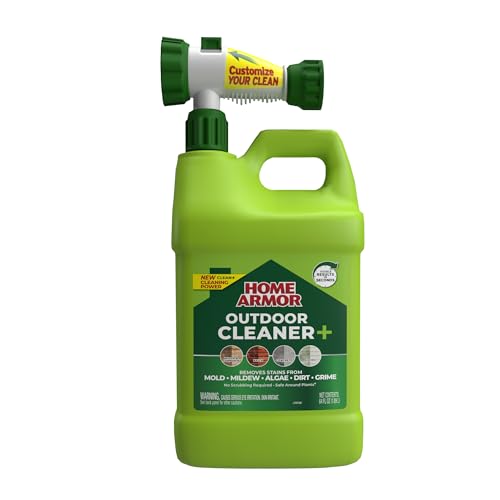
Natural and eco friendly cleaners use plant based cleaning agents instead of harsh solvents, and many are biodegradable so rinse water is kinder to nearby soil and planting beds. They handle fresh dirt, pollen and light food spills well, and they suit homes that clean often. Heavy mildew or old grease may need two applications. Most bottles cost about $12 to $20, and the trade off is slower action for gentler ingredients.
Concentrates and Refills
A concentrate is a strong solution you dilute with water in a bucket or spray bottle, so one bottle makes many batches across a season. Concentrates and refills cut cost per use and plastic waste, which suits owners of large rugs. Measure the dilution with care, because a mix that is too strong can leave residue and a mix that is too weak wastes effort. Bottles often cost about $15 to $25.
Everyday Cleaners
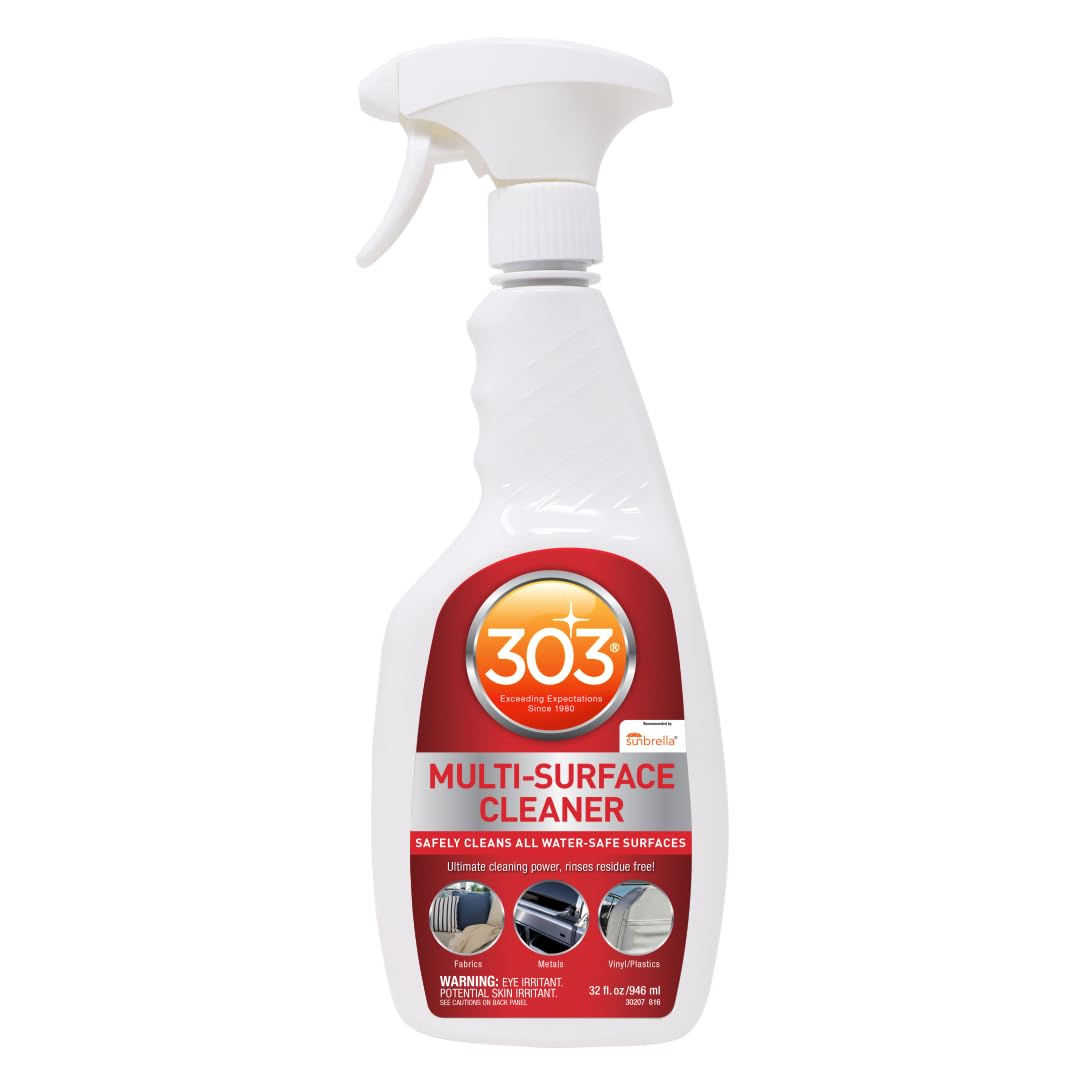
Everyday cleaners come ready to use, with no measuring or mixing, and they are made for routine dirt rather than severe buildup. You spray or pour, wait a few minutes, scrub lightly and rinse, which suits quick cleanups before guests arrive. That convenience costs more per use than a concentrate, and a small bottle may not cover a large rug. Expect to pay about $8 to $18 per bottle.
Natural and Eco Friendly Options vs Concentrates and Refills: Which Should You Choose?
These two types overlap, since many concentrates are also plant based, but they solve different problems. A natural ready to use cleaner wins on simplicity around garden beds, while a concentrate wins on cost when you clean often. Judge them on strength on old stains, cost across a season and how much measuring you tolerate.
Choose the natural option for a small rug and patios edged with herbs or flowers. Choose a concentrate if your rug is large or you clean monthly. If mildew is your main problem, check that either type states mildew and odor control on the label, because a gentle formula without that claim may only lift surface dirt.
How to Choose the Right Cleaner
Work through the five factors below in order, starting with the mess itself. That is why choosing the best cleaner for outdoor rugs depends less on brand claims and more on how the formula matches your fiber, your water supply and barefoot use by people and pets.
Effectiveness on the Specific Mess
Name your worst mess before you shop, because each mess responds to a different cleaning action. Mud and pollen lift with general cleaning agents and agitation, mildew and algae need a formula that states mold and mildew control, and grill grease needs a degreasing agent. Sprinkler water can leave pale mineral marks on dark rugs, which respond to rinsing rather than strong acids. Indoor cleaners assume gentler dirt, and our guide to the best cleaner for rugs covers those choices.
Features That Matter for Outdoor Rugs
Outdoor rugs are usually polypropylene or polyester, and a good cleaner must lift dirt without fading color or softening the backing. Look for color safety stated for synthetic fibers, a rinse that leaves little residue and performance in cool hose water. If you are still selecting the rug itself, see our guide to the best quality outdoor rugs to compare fibers first.
Ingredients and Safety
Read the ingredient panel with care, because rinse water runs into soil, drains or lawn. Avoid chlorine bleach on colored rugs, and treat any product that says disinfect as a stronger chemical that needs the full contact time and rinse the label states. Formulas carrying the EPA Safer Choice mark meet a reviewed standard for safer ingredients, which helps when kids and pets use the patio.
Scent and Fragrance Free Options
Scent is a practical choice outdoors, because a strong perfume lingers in warm sun and can bother guests at a dining table. A fragrance free cleaner leaves no added scent once rinsed, which suits scent sensitive households and covered porches where air moves slowly. Lightly scented formulas can help a rug in damp shade smell fresher between cleanings.
Format: Spray, Gel, Concentrate and Ready to Use Liquid
Format decides how evenly you can cover the rug and how much the season costs you. A spray suits spot work and small rugs, a gel clings to a single stain, and a concentrate mixed in a bucket suits a full wash of a large rug. Ready to use liquid sits between spray and concentrate on price and effort.
Best Cleaners for Specific Needs
Some readers already know their format and only need the right type inside it, and sprays vary widely in strength and coverage.
Best Spray Cleaner for Outdoor Rugs: Which Type Works Best
A spray works best when the dirt is recent, the rug is small or only one area near a door or grill needs attention. Choose a spray with a stream setting for single spots and a wide mist setting for even coverage, because a fixed nozzle does one of those jobs poorly. For mildew spots, pick a spray that names mildew control rather than a general freshener.
Common Mistakes to Avoid
Most outdoor rug damage during cleaning comes from a short list of repeat errors.
- Using chlorine bleach on a colored outdoor rug fades the pattern and weakens the fibers.
- Scrubbing a delicate loop pile with a stiff brush frays the surface and spreads the stain wider.
- Leaving cleaner residue unrinsed on an outdoor rug attracts fresh dirt and dulls the rug within weeks.
- Rolling up an outdoor rug while it is still damp traps odor and lets mildew return.
- Mixing two cleaners in one bucket to boost strength can release harmful fumes and damage the rug.
- Cleaning an outdoor rug in place on a wood deck traps dirty water that can stain the boards below.
How to Apply Cleaner and Care for Outdoor Rugs
Start dry, because loose grit turns into mud once you add water. Shake the rug, sweep both sides and remove leaves and soil first, and our guide to the best vacuum cleaner for rugs can help you pick a tool for that dry step. Then spot test the cleaner on a hidden corner before you treat the full rug.
Apply the cleaner at the strength and contact time on the label, work from the outer edge of a stain toward its center and rinse until the water runs clear. Never mix bleach with ammonia or acids, and keep kids and pets off the rug until it is dry. Hang the rug over a rail to dry both sides.
Cleaners for Outdoor Rugs: Your Questions Answered
What features matter most in cleaners for outdoor rugs?
Color safety for synthetic fibers, mildew control and a clean rinse matter most in cleaners for outdoor rugs. Those three decide whether the rug looks better after cleaning or simply smells better for a day. Check one more point in the small print: a formula made for warm indoor water may work slowly with cold hose water, so allow extra contact time outdoors.
Are natural cleaners as effective as standard cleaners for outdoor rugs?
Natural cleaners are as effective as standard cleaners on fresh dirt and pollen, but they usually work more slowly on mildew and grease. Give a plant based formula more contact time and a second pass rather than scrubbing harder, which protects the pile. Treat shaded corners first, since those areas stay damp longest.
What cleaning products should never be mixed when cleaning outdoor rugs?
Bleach should never be mixed with ammonia or with acidic cleaners when cleaning outdoor rugs, because those mixtures release gases that can harm your lungs. If one product fails, rinse the rug fully and let it dry before you try a different product, so no residue remains to react with the second.
How often should outdoor rugs be cleaned with a rug cleaner?
Most outdoor rugs need a full cleaner wash two or three times a season, with spot cleaning as spills happen. A rug under trees or near a pool needs that wash more often, because sap and sunscreen build up faster there. If you prefer heat over chemicals, see our guide to the best steam cleaners for rugs and check the rug label first, since heat can warp some backings.
Is outdoor rug cleaner safe to use around kids and pets?
Outdoor rug cleaner is safe around kids and pets once the rug has been rinsed as directed and has dried completely. The risk window is during application and drying, when paws and small hands can pick up wet residue. Block the patio while the rug dries if your household cannot stay away, and store the bottle where children cannot reach it, even when the formula is plant based.
Our Verdict
Match the cleaner to the mess first, the fiber second and the format third, and most choices become simple. A concentrate serves large rugs and frequent cleaning, a natural cleaner serves small patios and garden edges, and a spray serves single spots. Use the product table above to compare types against your budget and rug size.
Buy the simplest formula that handles your worst mess, rinse it out fully and let the rug dry in open air. Chosen that way, the best cleaner for outdoor rugs keeps your patio welcoming without harsh residue, wasted bottles or faded color.