Best Cleaner for Glass Cooktops in 2026: Every Type Explained Side by Side
Disclosure: We may earn a commission when you buy through links on this page, at no extra cost to you. As an Amazon Associate I earn from qualifying purchases. Learn more

Compare cream, spray, paste and pad forms, see which messes each one handles, and pick the best cleaner for glass cooktops without risking scratches or streaks.
Walk down any cleaning aisle and you will find creams, sprays, pastes and boxed pad kits all promising a spotless cooktop. They are not interchangeable, and the wrong one can leave marks that never come off. This guide sets the forms side by side so you can match a cleaner to the messes your cooking actually makes. Choosing the best cleaner for glass cooktops starts with one fact: the surface you are protecting is a sheet of smooth glass, and glass keeps a record of every mistake.
Rule one comes before any shopping. A glass cooktop can be scratched or dulled for good when a cleaner or a pad is too abrasive, and powdered scouring products are the highest risk class of all. Only use cleaner and pad classes that your cooktop maker approves for the surface. The comparison table below lines up each form by the jobs it handles best, what it does well, where it falls short and what a bottle or kit usually costs.

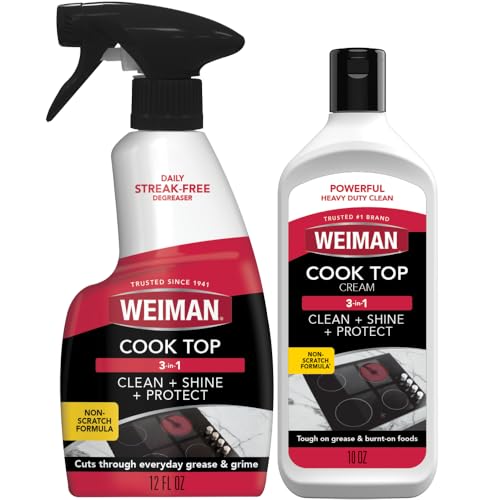
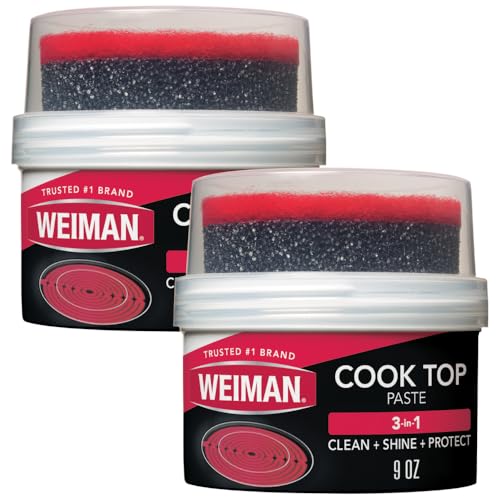
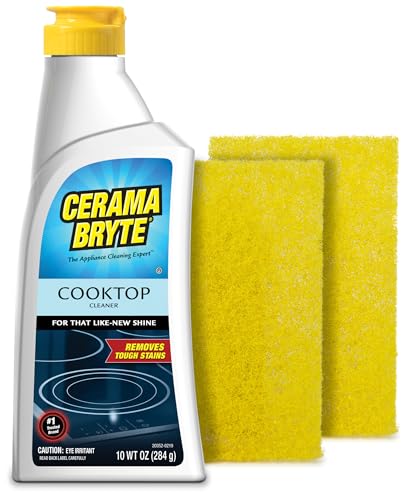
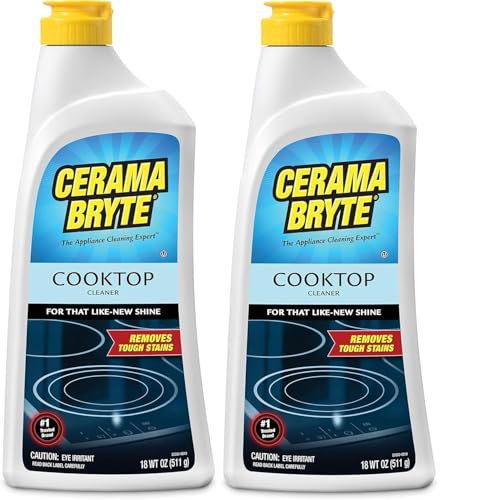
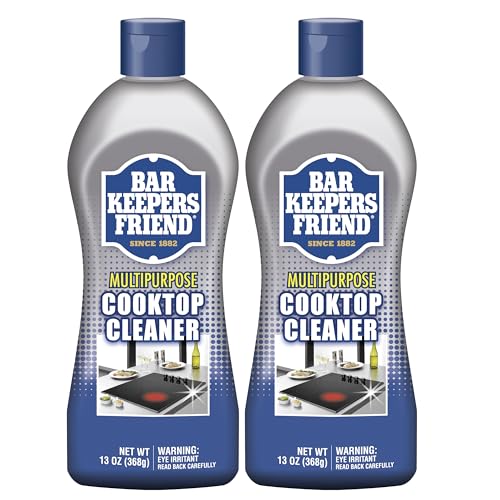
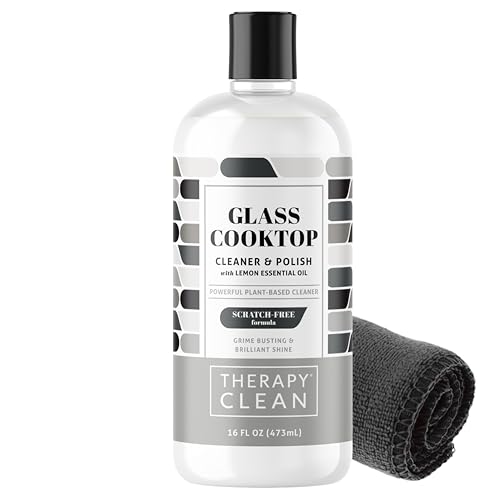
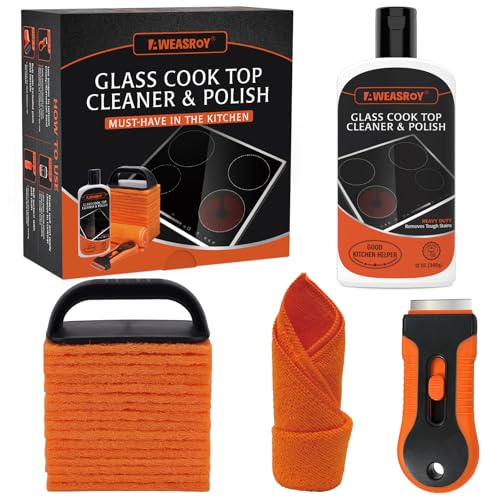
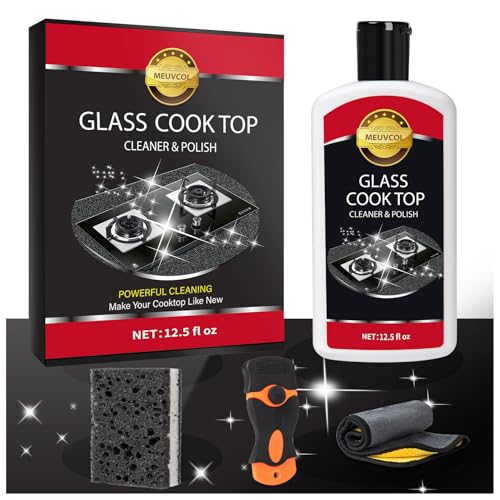
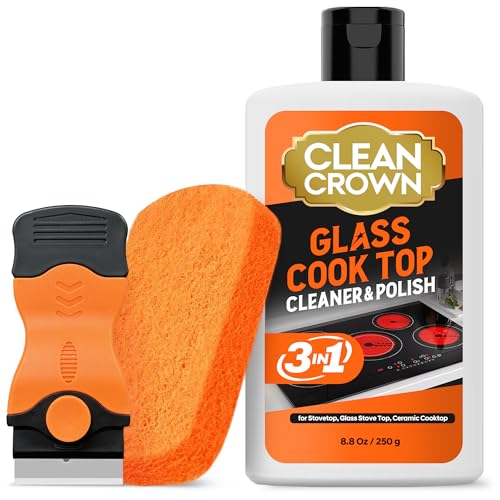

Cleaner Forms Compared: What Each Type Actually Does
Cleaners for this surface are a consumable, so you will buy them again and again rather than once. That makes cost per clean and shelf life worth a thought, but form matters more. A form decides how long the product stays in contact with a spill, how much rubbing the job takes and how much risk your glass carries while you work.
| Type | Best For | Strengths | Tradeoffs | Typical Price |
|---|---|---|---|---|
| Cream | Weekly polishing and light burnt rings | Mild polishing action, spreads evenly, easy to control | Needs a soft cloth and a few minutes of dwell time | about $5 to $9 |
| Spray | Daily grease films and fingerprints | Fast wipe downs, no rinsing step | Too weak for baked on residue | about $4 to $8 |
| Paste | Stubborn burnt on food and dark carbon rings | Thick cling gives long contact time on one spot | Slower to use, easy to apply more than you need | about $6 to $11 |
| Pad and kit sets | Heavy cleanup days and deep cleans | Cleaner and matched pad sold together | Pad must be the approved non scratch class | about $9 to $16 |
Cream Cleaners: The Polish Most Glass Tops Are Built Around
Cream is the form most cooktop manuals name first, and for good reason. A cream carries very fine polishing particles in a thick liquid, so it lifts light burnt rings and cloudy patches while it spreads the work over a wide, even layer. You apply it to a cool surface, let it sit for a few minutes, then buff with a soft cloth or paper towel in small circles.
The tradeoff is time. A cream is a poor match for a quick wipe between tasks, and it does little for fresh grease that a spray would clear in seconds. Think of cream as the weekly reset that keeps the surface glossy, rather than the product you reach for after every meal.
Sprays and Thin Liquids for Everyday Grease
Sprays are the maintenance form. A light mist cuts the grease film that frying leaves behind, along with fingerprints and water spots from wiped up spills. Most need no rinsing, so the whole job takes under a minute once the surface is cool. Keep one near the stove and small messes never get the chance to bake into hard ones.
What a spray cannot do is soften carbon. If a ring has cooked through several meals, a spray will shine the area around it and leave the ring untouched. Sprays also vary in scent strength, and a few leave a faint film that shows under bright kitchen light until you buff it dry.
Pastes for Burnt On Rings and Baked On Spills
A paste is the heavy contact form. It is thicker than a cream, so it stays where you put it and keeps working on one bad spot instead of running across the glass. That long contact time is what loosens dark rings from boil overs and the crust left by sugary spills.
Burnt on residue is a patience job, not a force job. Let the paste sit, wipe, and repeat if the ring is still there. Pressing harder with each round is how surfaces get dulled, because grit trapped under the cloth starts to do the scrubbing. Two calm rounds with a paste beat one hard round every time.
Pads, Cloths and Kit Sets: The Tool Half of the Job
Half of cleaning a glass top is the tool in your hand. Approved cleaning pads are made to be softer than the glass, and kit sets pair a cream or paste with pads the maker has cleared for the surface. A soft microfiber cloth or plain paper towel handles creams and sprays well.
One tool sits in a class of its own. A razor style scraper is a neighboring tool class, not a cleaner, and it lifts raised spills when held at a shallow angle with a fresh blade and a light touch. It belongs on cooled, soapy glass only, and it should never be swapped for a knife or a metal spatula.
Plant Based Formulas vs Heavy Duty Formulas: Which Should You Choose?
These two formula families solve different kitchens. Plant based and low impact formulas lean on gentler ingredients, carry little or no added scent, and suit households that clean often and lightly. They handle fresh grease and light marks well, rinse clean, and are the comfortable choice around sensitive noses. Their limit shows up on old, dark rings, where they may need several applications to make progress.
Heavy duty formulas trade gentleness for bite. They soften carbon faster and ask less of your arm, which matters if the cooktop sees a wok, a cast iron skillet and a stockpot every day. The costs are stronger smells, a greater need for ventilation, and labels that demand more care in storage. Choose by your real pattern: frequent light cooks do well with the gentle family, while heavy cooks who clean weekly will use the strong family less often and with better results.
How to Choose the Right Cleaner for Your Surface
Start With the Mess, Not the Bottle
Name the mess before you name a product, because the best cleaner for glass cooktops in your kitchen depends on the soil you make most. Fresh grease films call for a spray. Light rings and cloudy patches call for a cream. Dark carbon rings and baked on sugar call for a paste and time.
Pale crusty marks near the edges are often limescale from boiled over water, and they respond to an acidic cleaner class rather than a polishing one.
One mark fools many owners. Gray streaks that look like scratches are often metal transfer from aluminum pan bases, and a cream usually lifts them. If your pans are the source, our guide to the best skillets for glass cooktops explains which smooth, flat bases glide over glass without marking it.
Check the Label Against the Maker Manual
Your cooktop manual is the authority here. Most makers list approved cleaner classes and warn against steel wool, scouring powders and oven cleaners, which are far too harsh for glass. If your manual calls the surface ceramic glass, you are shopping the same shelf, and a guide to the best cleaner for ceramic glass cooktops covers your top as well. Readers still choosing the appliance itself can see how the surfaces differ in our guide to the best glass cooktops.
The same caution runs through radiant models in particular. Shoppers comparing the best electric glass cooktops will find manuals that name gentle cleaner classes again and again. When a bottle promises oven level degreasing, treat that promise as a warning sign for this surface, not a selling point.
Fragrance Free and Low Scent Options
Cleaning happens where food is cooked, so scent is a real buying factor. Fragrance free creams and sprays exist in every form class, and they suit households with asthma, scent sensitivity or a simple dislike of perfume hanging over dinner. An unscented product also makes it easier to notice the smell of a spill burning, which is useful information.
Check the wording on the label. Fragrance free means no scent was added, while unscented products sometimes use a masking scent to cover the base smell. If sensitivity is the reason for shopping, the fragrance free wording is the safer of the two, and a small first bottle lets you try it at home.
Concentrates, Refills and Packaging Waste
Because this is a repeat purchase, packaging adds up. Concentrates cut cost per clean and shipping weight, and you dilute them into a spray bottle you already own. Refill pouches and larger bottles reduce plastic per ounce for creams and pastes. A few brands also sell the pad and cleaner as one kit, which trims guesswork even if the unit price runs higher.
Balance waste against storage. A bulk concentrate is no bargain if it sits open for years and loses strength. Buy the size your cooking pace will finish in a reasonable stretch, keep the cap clean, and store the bottle where heat from the oven cannot reach it.
Safe Use and Storage Habits
Always read the label before the first use and try any new cleaner on a small, low visibility area near an edge. Never mix bleach with ammonia or acids, and never layer two different cleaners on the same spot; rinse and dry the surface between products instead. Open a window or run the hood fan while you clean, since even mild formulas are easier to breathe around with moving air.
Never clean a hot surface. A cleaner on warm glass can steam, streak and bake into a film that is harder to remove than the original spill, so wait until the top is fully cool to the touch. Keep bottles capped, upright and out of reach of children, and wipe your hands before handling food.
Your Questions Answered
Can the wrong cleaner permanently damage a glass cooktop?
Yes, it can. Scouring powders, steel wool and rough pads cut fine lines into the surface that no polish can remove. The damage often shows up as a dull gray haze that only appears when light hits the glass at an angle, which is why a top can look fine at night and tired in daylight. Once that haze is there, the only real fix is living with it, so prevention is the whole game.
What should never be mixed together when cleaning a cooktop?
Bleach should never be mixed with ammonia or with acids such as vinegar, because those combinations release harmful gases. The quieter risk is layering products: spraying one cleaner over another on the same ring can neutralize both or leave a stubborn film. Pick one product for the job, finish it, rinse the surface with a damp cloth, and only then switch if the mess is still there.
How often should a glass cooktop get a full cream clean?
For most kitchens, a full cream clean about once a week keeps rings from building up. A quick spray wipe after cooking handles the daily grease in between. Homes that fry often or use high heat daily may need the cream twice a week, while light cooks can stretch it further. The real trigger is a visible ring that a spray no longer clears, not the calendar alone.
Are plant based cleaners strong enough for daily cooking messes?
Yes, for fresh messes they are, and plant based sprays and creams clear grease films, fingerprints and light splashes about as well as standard formulas. Where they fall behind is on old carbon rings, which they soften slowly over repeated applications rather than in one pass. If your cooking is mostly fresh, light messes, the gentle family covers you. Save a heavy duty paste for the rare baked on spill.
Is cooktop cleaner safe in a kitchen with small children and pets?
It is safe when it is used and stored with care. Apply the cleaner, then buff and wipe the surface fully so no residue stays behind to transfer onto hands, paws or dropped food. Store every bottle capped in a closed cabinet or on a high shelf, well away from snacks and pet bowls. If a spill of the cleaner itself happens, clean it up at once and wash hands before cooking.
Final Thoughts
Matching form to mess is the whole decision. Keep a spray for daily grease, a cream for the weekly polish, and a paste in reserve for the rings that patience can fix. Respect the first rule above all: only approved, gentle classes ever touch the glass. Pick the best cleaner for glass cooktops for the way you actually cook, and the product table above will help you compare the forms side by side before you buy.