Best Coffee Bar Mat: A First Time Buyer's Guide for 2026
Disclosure: We may earn a commission when you buy through links on this page, at no extra cost to you. As an Amazon Associate I earn from qualifying purchases. Learn more
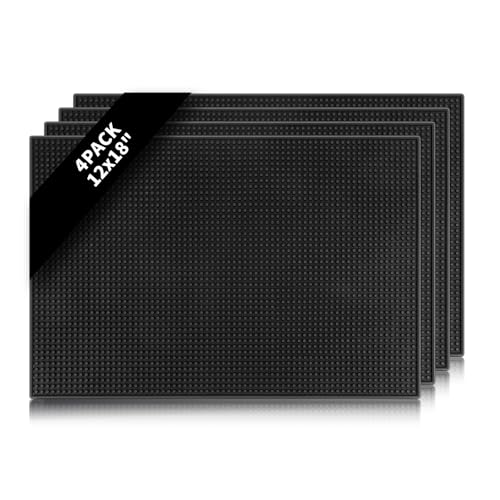
Shopping for your first coffee bar mat? Learn about size, thickness, grip, spill containment, and cleaning so you can protect your counter and keep it tidy.
If you are buying your first mat, the best coffee bar mat for you is the one that fits your counter, stays put under your machine, and catches the drips you actually make. The product table below lists mats to compare, but size and grip matter more than looks alone. A mat that slides, curls, or leaves puddles near your machine will frustrate you every morning.
This guide explains mats in plain language, from basic terms to the specs that affect daily use. You will learn how to measure your space, compare materials, avoid rookie mistakes, and set up your first mat correctly. No prior coffee gear knowledge is needed, so you can judge every option by fit and function.



Coffee Bar Mats 101: The Basics
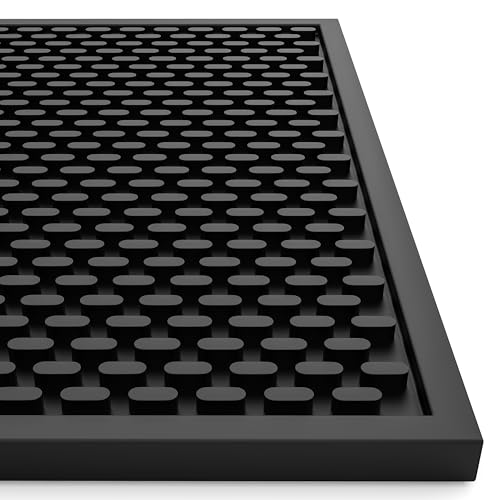
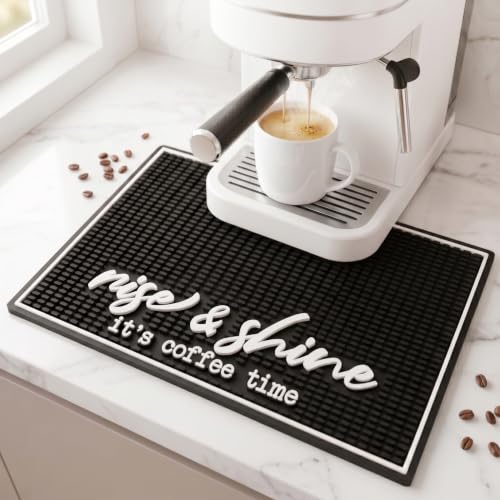
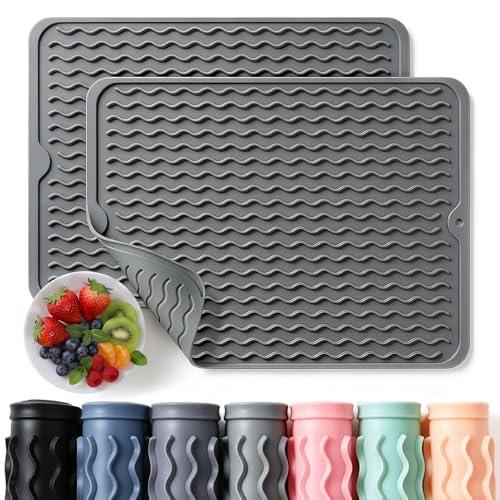
A coffee bar mat is a flat, grippy pad that sits under a coffee machine, grinder, or tamping area to protect the counter and catch drips. Most mats are made from rubber or silicone, with a textured top that holds cups and tools in place and a raised edge or grooved surface that channels small spills. Some mats are thin and flexible, while others are thick and heavy, and that difference affects how stable your machine feels during use.
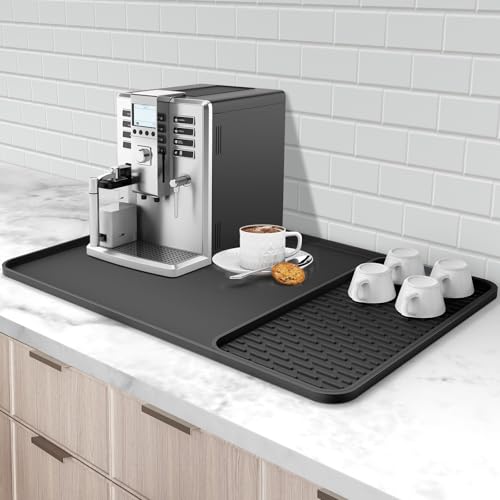
First time buyers often confuse a bar mat with a drip tray or a coaster, but the jobs differ. A drip tray is usually part of a machine and catches water from one spot, while a bar mat covers a wider work area and protects the whole surface beneath it. Think of the mat as a work zone: it should cover the machine feet, the area where you set a cup down, and enough space for a tamper or a small tool, without hanging over the counter edge.
Key Specs Explained in Plain English
Size and Coverage
Size is the first spec to get right, because a mat that is too small leaves your counter exposed and a mat that is too large may curl at the edges or crowd nearby items. Measure the width and depth of your machine, then add room for a cup, a tamper, and a little movement space on each side. A good starting point is a mat at least a few inches wider than the machine base, with the full footprint sitting flat on the counter.
Thickness and Cushioning
Thickness affects stability, comfort, and how the mat handles small spills. Thin mats, often about 2 to 4 mm thick, are easy to roll up and store, but they may shift under a heavy machine. Thicker mats, often about 5 to 10 mm thick, tend to stay put and cushion the counter better, yet they can raise the machine height slightly. Choose thickness by machine weight: heavier machines benefit from a thicker, heavier mat, while a light pour over station can use a thinner one.
Material and Grip
Most bar mats use rubber or silicone, and each material has a different feel. Rubber usually offers strong grip and a firm base, which suits heavy machines and frequent tamping. Silicone is often lighter, easier to wipe clean, and more flexible for storage, but it may slide more on a very smooth counter unless the base is textured. Check that the underside is described as slip resistant or textured, and avoid a mat with a slick, glossy base if your counter is polished stone or glass.
Spill Containment and Drainage
Spill containment decides whether a small drip stays on the mat or runs onto your counter. A raised lip around the edge holds liquid in place, while grooves or channels guide drips toward the center and away from the edge. A flat mat with no lip can still work for light use, but it needs more frequent wiping and suits a careful brewer better than a busy household. If you brew several drinks a day, favor a lip or a grooved design, and pair the mat with a best coffee tamper mat in the tamping area, where grounds and drips are most common.
Cleaning and Care
Cleaning ease matters because coffee, milk, and syrup leave sticky residue that builds up fast. Smooth silicone mats usually wipe clean with a damp cloth, while deeply grooved rubber mats may need a rinse and a brush to clear trapped grounds. Check whether the maker allows rinsing or hand washing, and avoid harsh scrubbers that can wear down the textured surface. A mat that dries quickly and resists staining will look better and last longer in daily use, especially if best coffee syrups are part of your routine and sticky drips are likely.
Rookie Mistakes to Avoid
- Buying by looks alone and skipping measurements, which leads to a mat that is too small, too large, or curls at the edges.
- Choosing a slick base for a polished counter, which lets a heavy machine slide when you press down or move a cup.
- Ignoring the tamping area, so grounds and drips land on bare counter even though the machine itself sits on a mat.
- Picking a mat with no spill lip for a busy household, then wiping puddles off the counter after every brew.
- Leaving a wet mat on a wood counter for days, which can trap moisture and mark the surface underneath.
Getting Started: Setup and First Use
To get the most from the best coffee bar mat, start by clearing and wiping your counter, then lay the mat flat and check that it sits fully on the surface without hanging over the edge. Place the machine on the mat, press down gently to settle the feet, and check that nothing rocks or slides when you move a cup. Rinse or wipe the mat before first use, following maker guidance, and let it dry fully so no moisture is trapped underneath.
Next, set out your usual tools in their spots: grinder, tamper, and cup area, and brew one drink to test the layout. Watch for drips, sliding, or crowding, and shift the mat or tools slightly until the work zone feels natural. Keep the mat dry between brews, lift it weekly to wipe the counter beneath it, and replace it when the surface wears smooth or the edges curl and no longer lie flat. Follow maker safety guidance, and keep small parts and packaging away from children.
Coffee Bar Mats: Your Questions Answered
Can I cut a coffee bar mat to fit my counter?
You can cut some rubber and silicone mats, but check maker guidance first, since cutting may void a warranty or weaken a raised edge. If cutting is allowed, measure twice, mark the cut line with a straight edge, and use a sharp blade on a cutting board, away from the counter. Cut only the side that does not carry a spill lip, so the remaining lip still holds liquid. A better first step is often to buy the closest standard size, since a clean factory edge usually looks tidier and lasts longer than a home cut edge.
How do I clean a coffee bar mat?
Clean a coffee bar mat by wiping it with a damp cloth and mild soap after daily use, then rinsing and drying it fully before putting it back. For grooved mats, use a soft brush to clear trapped grounds from the channels, and avoid harsh scrubbers that can wear down the grip texture. Let the mat air dry completely, since a damp mat left on a counter can trap moisture underneath. If stains or odors persist after washing, soak the mat briefly in warm soapy water, rinse well, and dry it flat.
Will a coffee bar mat protect a wood counter?
A coffee bar mat can protect a wood counter from drips, heat marks, and scratches, but only if the mat itself stays dry underneath. Lift the mat regularly to wipe the counter beneath it, and never leave standing water trapped between mat and wood for days. A mat with a raised lip helps by holding spills on top, where you can wipe them away quickly. For extra care, dry the counter after a large spill and check the wood for damp spots before replacing the mat.
Do coffee bar mats work on every counter type?
Coffee bar mats work on most counter types, including laminate, stone, and wood, but grip varies with the surface. Smooth stone and glass may need a heavier mat or a textured base to prevent sliding, while a slightly rough laminate surface usually grips well. Test the mat with your machine in place before committing to a layout, and move it if it shifts during tamping or pouring. If sliding persists, a thicker mat or a different base texture often solves the problem better than adding adhesive pads.
How often should I replace a coffee bar mat?
Replace a coffee bar mat when the surface wears smooth, the edges curl and no longer lie flat, or stains and odors remain after washing. For daily home use, that often means every one to three years, depending on material and care. Heavy tamping, frequent rinsing, and harsh cleaning can shorten that life, while gentle wiping and full drying can extend it. A worn mat is worth replacing promptly, since a sliding or curling mat protects the counter less well and can make brewing less safe and less pleasant.
Our Verdict
For a first mat, favor fit, grip, and spill containment over looks. Measure your machine and work area, choose a material that suits your counter, and pick a lip or grooved design if you brew often or use syrups. Keep the mat clean and dry, lift it weekly to check the counter beneath, and replace it when it wears smooth or curls. With those basics covered, the best coffee bar mat for your kitchen is the one that stays put, catches drips, and makes your daily brew simpler, as shown in the product table above.