The Best Cleaner for Ceramic Glass Cooktops: Buying Guide and Top Picks for 2026
Disclosure: We may earn a commission when you buy through links on this page, at no extra cost to you. As an Amazon Associate I earn from qualifying purchases. Learn more

Learn how to choose the best cleaner for ceramic glass cooktops, from scratch safe daily care to burned on food, scent, safety, and cost per use.
A ceramic glass surface can look spotless from across the room and still show cloudy rings, dried sauce, and faint gray streaks up close. Choosing the best cleaner for ceramic glass cooktops matters because this surface needs soil lifted without grit, pressure, or harsh chemicals that can dull the finish. Sugary spills bake into hard spots that plain water cannot remove.
This guide explains how to match a cleaner to the messes you actually cook, from daily splashes to dark burned on rings. Start with the comparison table below, then read the sections that match your cooking habits.
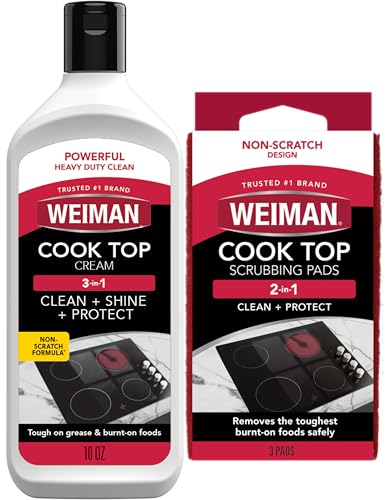

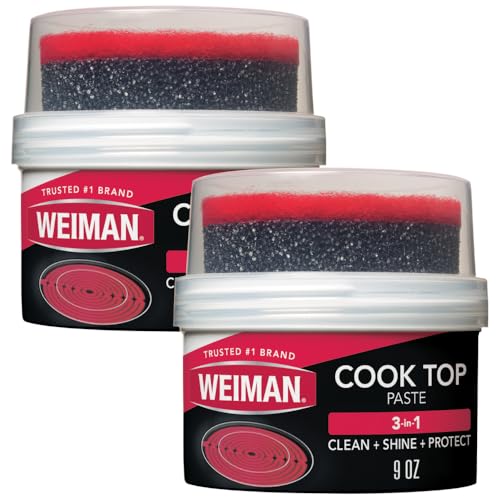


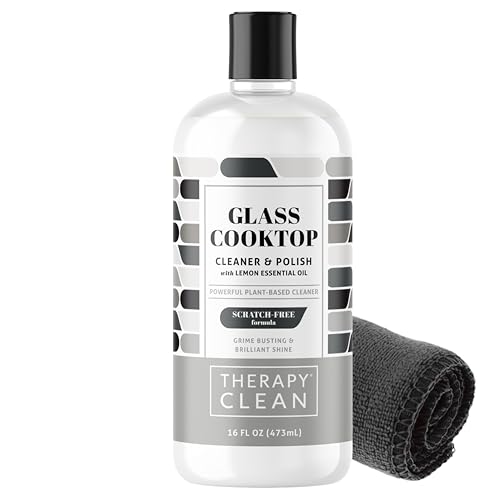

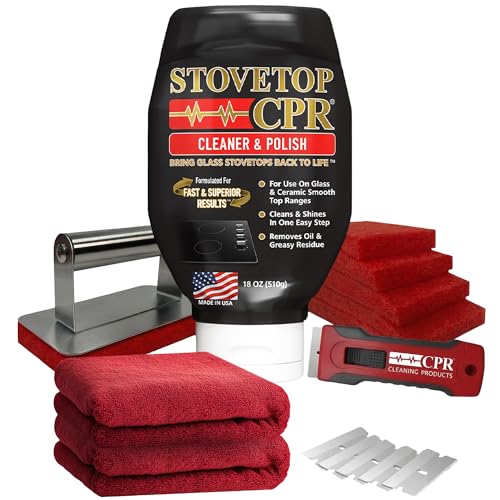
Start With the Mess You Clean Most Often
No single format is ideal for every kitchen, because the soil on your cooktop depends on what you cook and how often you cook it. A household that fries most nights fights grease film, while a household that boils pasta and makes jam fights starch and sugar.
For Light Daily Soil and Fingerprints
If you wipe the surface after most meals, a gentle liquid or spray cleaner is usually enough for fresh splashes, steam spots, and fingerprints. You want a formula that spreads thin, lifts light grease, and buffs to a streak free shine without leaving a soapy film behind. Pick the mildest option that handles your normal mess, and save stronger products for deep cleaning days.
For Baked Sugar and Burned On Food
Jam, caramel, melted cheese, and boil overs leave hard, dark deposits that a daily spray rarely softens on its own. For this soil, look for a cream or paste cleaner made for ceramic glass, since the thicker texture stays on the spot during dwell time instead of running off. Clear directions for dwell time matter more than bold claims on the front label. Repeated gentle passes protect the surface better than one hard scrub.
For Homes That Prefer Low Scent and Simple Ingredients
If cooking smells already fill your kitchen, a strong added scent can feel like one layer too many. Fragrance free formulas and products with short, plainly listed ingredients suit these homes well. You give up little cleaning power by skipping scent, since fragrance does not lift grease or sugar.
How to Choose a Cleaner That Protects the Surface
The best cleaner for ceramic glass cooktops is the one that matches your soil, your water, and your tolerance for scent and extra steps. The factors below help you read past marketing and spot the formula your kitchen will actually use well.
Features That Matter for Ceramic Glass Cooktops
The first feature to confirm is an explicit statement that the cleaner is safe for ceramic glass, since general kitchen sprays may contain grit or strong alkalis meant for tougher surfaces. A cleaner that rinses clean with a damp cloth and buffs dry without haze will save you time after every meal.
Effectiveness on the Specific Mess
Grease, sugar, starch, and mineral film respond to different cleaning actions, so a product that shines on one mess may disappoint on another. Grease needs surfactants that lift oily soil so it wipes away instead of spreading. Pale chalky rings are often limescale from boiled hard water, and they respond to cleaners made for mineral deposits.
Scent and Fragrance Free Options
Scent is a comfort choice, not a cleaning measure, and a strong smell does not mean a surface is cleaner. Fragrance free products are made without added scent, while unscented products may include a masking scent that covers the base smell, so read the wording closely if scent bothers you. If anyone in your home has sensitive airways, choose the lowest scent option and ventilate the room while you clean.
Cost per Use and Value
A low shelf price can hide a high cost per use if the formula is thin and you pour on more at every cleaning. To compare fairly, note how many full cooktop cleanings a bottle gives you over a month of normal cooking, not just the bottle size.
Surface Compatibility
A cleaner made for ceramic glass is not automatically right for every shiny surface, and a multi surface claim deserves a careful read. Some formulas also suit porcelain or stainless steel, while others warn against granite and marble. Always let your cooktop manual settle conflicts, since makers can differ on approved cleaners and tools. When a label and a manual disagree, follow the manual so you protect your warranty and your finish.
Knowing your exact cooktop type helps you follow the right manual in the first place. Shoppers comparing new appliances can see our guide to the best glass cooktops and our guide to the best ceramic cooktops to understand how the surfaces and care needs differ before they buy.
Ingredients and Safety
Check the ingredient and warning panels before the first use, especially if children or pets spend time near the kitchen. Never use oven cleaner or bleach based sprays on ceramic glass unless your manual allows them. Products carrying the EPA Safer Choice label meet a federal review for safer ingredients, which helps you compare options quickly. Note that most cooktop cleaners clean soil but do not disinfect, so follow label directions exactly if disinfection is your goal.
Cleaner Formats and When Each One Fits
Everyday Cleaners
Everyday cleaners are the thin sprays and liquids you reach for after normal cooking. They spread fast, need little or no dwell time, and wipe off with a soft cloth for a streak free result. If your second kitchen has a plain glass top instead, see our guide to the best cleaner for glass cooktops.
Concentrates and Refills
A concentrate is a strong formula you dilute with water in a spray bottle. The tradeoff is accuracy, since a mix that is too weak cleans poorly and a mix that is too strong can leave film. Write the dilution and the product name on the refill bottle so nobody guesses later.
Natural and Eco Friendly Options
Natural and eco friendly cleaners rely on plant based cleaning agents and often carry biodegradable claims for their ingredients. They handle fresh grease and light spots well, though hard sugar deposits may need longer dwell time and a second application. Read the full label rather than trusting a leaf on the front, since natural wording alone is not regulated.
How to Clean the Surface Without Scratching It
Technique matters as much as the formula, because even a gentle cleaner can cause damage when it is paired with the wrong tool or a hot surface. Work through the steps below in order, and give stubborn spots more dwell time instead of more pressure.
- Let the cooktop cool fully, then brush away loose crumbs with a dry cloth.
- Apply a small amount of cleaner, spread it with a soft cloth or a pad made for glass cooktops, and let it sit as directed.
- Wipe in small circles with light pressure, rinse the cloth often, and buff dry.
- For hard sugar crusts, use a scraper only if your manual allows one, held at a low angle with short, gentle strokes.
Your pans play a role in how clean the surface stays, since rough or warped bottoms drag soil and can leave metal marks that look like scratches. If you are replacing pans, see our guide to the best cookware for ceramic glass cooktops for shapes and bottom finishes that suit this surface.
Skillets deserve a closer look because they sit on the hottest burners. A skillet with a smooth, flat base and no raised ridge spreads heat evenly and leaves fewer gray transfer marks behind. For options built with glass surfaces in mind, see our guide to the best skillets for glass cooktops.
Common Mistakes to Avoid
- Cleaning while the surface is still hot, which can bake the cleaner onto the glass and create harsh fumes.
- Scrubbing with steel wool or gritty scouring powder, which scratches the finish and makes later soil stick faster.
- Soaking the control panel and seals with spray, which lets liquid creep into switches and touch controls.
- Using far too much product at once, which leaves a cloudy film that dulls the shine.
- Mixing two cleaners on the same spot, which can cause fumes and makes it impossible to know what worked.
- Standing a hot lid face down on a cold spill, which can bond the lid to the surface as the sugar cools.
How to Make Your Cleaner Last Longer
A cooktop cleaner is a consumable you buy again and again, so simple storage habits stretch each bottle and keep it working as the label promises. The habits below also keep your cleaning cupboard safer for everyone in the house.
- Close the cap or pump right after use to keep creams from thickening and drying out.
- Store bottles upright in a cool cupboard away from the oven wall to slow ingredient breakdown.
- Keep any concentrate in its original labeled bottle, and label refill bottles with the name and dilution on the day you mix them.
- Store all cleaners out of reach of kids and pets, ideally in a latched cupboard away from food and dishes.
- Never top off a bottle with a different product, because mixed leftovers can react or lose strength.
- Use the amount the label directs instead of extra, since overpouring only adds rinsing work.
Frequently Asked Questions
What features matter most in a cleaner for ceramic glass cooktops?
The features that matter most are a clear ceramic glass safety statement, mild polishing action for burned on soil, and directions you can follow exactly. Beyond the body of this guide, check how the cleaner behaves with your water, since homes with softened water often see fewer mineral rings and can rely on milder formulas. Consistent results come from matching the formula to your soil, not from buying the strongest option on the shelf.
What cleaning products should never be mixed with a ceramic glass cooktop cleaner?
You should never mix a cooktop cleaner with bleach, ammonia, or acid based products, and you should never layer two different cleaners on the same spot. Mixing can release harsh fumes and damage the surface before you notice a problem. If two products ever mix by accident, leave the room, let fresh air in, and do not try to neutralize the mix with a third product.
Is a ceramic glass cooktop cleaner safe to use around kids and pets?
A ceramic glass cooktop cleaner is safe in a home with kids and pets when you follow the label, ventilate the room, and let the surface dry fully before cooking again. Keep children and pets out of the kitchen while you clean, and store used pads and cloths where small hands and paws cannot reach them. If a child or pet ever swallows a cleaner, contact poison control or your doctor promptly for advice.
How often should you use a ceramic glass cooktop cleaner?
You should use a ceramic glass cooktop cleaner lightly after cooking days and more deeply whenever rings or haze start to build. A quick wipe with an everyday formula after meals prevents soil from baking during the next use, which is when it becomes truly stubborn. Sugary spills deserve same day attention even if you skip everything else.
Are natural cleaners for ceramic glass cooktops as effective as standard options?
Natural cleaners for ceramic glass cooktops are as effective as standard options on fresh grease, steam spots, and light daily soil. The difference shows on hard sugar crusts, where natural formulas often need a longer dwell time and a second application to match a cream cleaner. Look for a specific ceramic glass statement on the label rather than general kitchen claims.
Final Thoughts
The right choice comes down to three things: a formula that is safe for ceramic glass, strength matched to your most common mess, and directions you can follow exactly every time. Compare your short list against the product table above, and favor clear directions over bold claims. When you settle on the best cleaner for ceramic glass cooktops for your routine, consistent gentle cleaning after cooking will protect the shine far better than rare, aggressive scrubbing sessions.