
Best Clay Teapots (2026): 3 Picks That Fit Real Homes
Disclosure: We may earn a commission when you buy through links on this page, at no extra cost to you. As an Amazon Associate I earn from qualifying purchases. Learn more

Shopping for the best clay teapot? Here are 3 picks that suit different homes and budgets, plus a quick checklist so you choose right the first time.
A clay pot changes how your kitchen feels at tea time. It sits warm on the counter, pours with a calm and steady stream, and suits a home where tea is a daily habit rather than a rare event. Choosing the best clay teapot comes down to your space, how many people you pour for, and how much care you want to give it. The comparison table below lines up the main types side by side.
This guide focuses on fit for real homes. You will learn which clay suits your routine, what size matches your household, and which extras are worth paying for. If you are still weighing clay against other materials, our overview of the best teapot options gives useful context before you narrow your choice down.
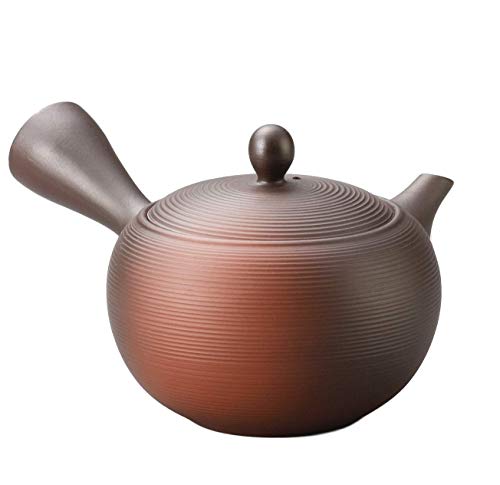

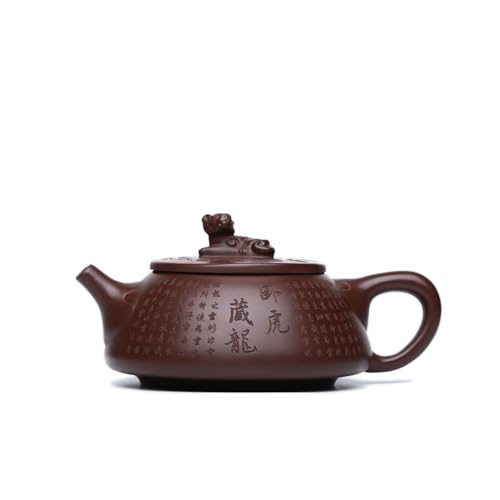

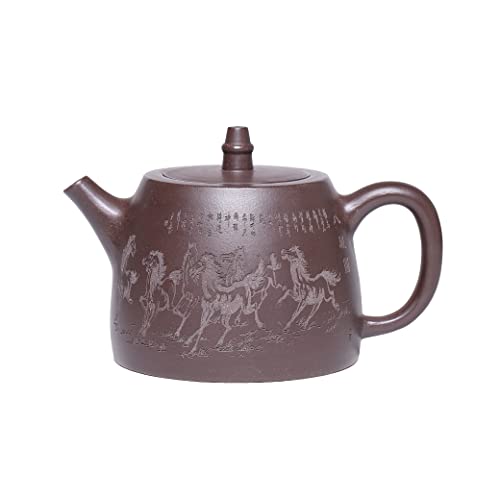


Quick Answer: The 3 Types Worth Considering
If you want a fast answer, start with clay type rather than shape or color. Unglazed Yixing style pots reward one dedicated tea and careful rinsing. Glazed stoneware pots handle mixed teas and busy family use with far less fuss. Small earthenware pots suit one or two people who want charm and low cost. Match the type to your routine first, then pick size and details.
Before You Buy: A Quick Checklist for Choosing a Teapot
Clay looks simple, but small details decide whether the best clay teapot for your kitchen becomes a daily favorite or a shelf ornament. Work through the points below in order, because size and clay type rule out more options than any decorative feature.
Size: Match It to Your Space and Household
Small pots of about 12 to 16 oz pour well for one person or a quiet cup for two. A mid size pot of about 24 to 32 oz suits most couples and small families, and it fits a standard counter without crowding. Large pots of about 40 oz and up serve four or more cups at once, yet they feel heavy when full and take more storage room. Count your usual cups honestly, and remember that a pot filled near the rim pours more cleanly than one filled to the top.
Which Clay Type Fits Your Routine
Unglazed clay is porous, so it slowly absorbs tea oils and should stay with one tea family, such as oolong or black tea. Glazed clay seals that surface, so one pot can move between herbal, green, and flavored teas without carrying old flavors along. Stoneware is dense and forgiving for daily use, while earthenware is lighter and more delicate. Porcelain and glass behave very differently, so treat them as separate paths rather than close substitutes.
Features Worth Paying For, and Ones to Skip
A snug lid, a spout that pours without dripping, and a handle that stays cool enough to lift are worth real money. A built in strainer or a removable infuser basket helps if you brew fine loose leaves, and readers comparing the best teapot for loose leaf tea options will notice how much basket depth changes cleanup. Skip ornate painted sets you will rarely use, tiny cups bundled to inflate the piece count, and warmers unless you truly sip slowly over an hour or more.
Lead and Cadmium Free Glazes
Bright glazes, especially deep reds and oranges on low cost imports, can contain metals you do not want near hot drinks. Look for a clear statement that the glaze is lead free and cadmium free, and favor makers who name the standard they test against. Unglazed interiors avoid glaze questions altogether, but they demand a trusted source because the clay itself touches your tea. If a listing says nothing about glaze safety at all, treat that silence as a reason to keep shopping rather than a minor gap.
Dishwasher, Microwave and Oven Safety
Most clay pots belong in the sink, not the dishwasher, because harsh detergents can dull glazes and seep into unglazed walls. Microwave use is also a poor fit, since uneven heating can stress the clay and any metal trim rules it out entirely. Clay teapots are brewers, not kettles, so keep yours off the stove and out of the oven unless the maker states otherwise in writing. Pour in water heated in a separate kettle, and your pot will avoid the thermal shock that causes fine cracks.
Set Size and Replacement Availability
A pot sold alone is often the smarter buy, because you can add cups you actually like later. Sets look generous in photos, yet one chipped cup can leave the rest unmatched if the pattern is discontinued. Check whether the maker sells the pot, lid, and infuser as separate replacements before you commit. A broken lid is the most common loss in home use, so easy lid replacement protects your purchase for years.
Realistic Budget Ranges
Under $20 usually buys simple earthenware or a small glazed pot with basic finishing, fine for a first try. About $20 to $40 is where sturdy stoneware and tidy infusers appear, and this band suits most homes well. Pots at about $40 to $80 bring finer clay, better lid fit, and cleaner pouring spouts. Over $80, you are paying for craft, rare clay, and hand finishing rather than better tea. Set your band before browsing, because photos make price gaps look smaller than they feel in daily use.
Three Clay Teapot Types Compared
Instead of ranking brands, compare the three clay families below. Each one brews the same leaves in a slightly different way, and each asks something different from you in care and patience.
Unglazed Yixing Style Pots for One Dedicated Tea
These small pots are the classic choice for drinkers who return to one tea again and again. The porous walls soften sharp edges in the cup over time and round out the flavor of oolong, black, and puerh teas. Sizes run small, often about 6 to 12 oz, because the style favors several short infusions of the same leaves. The trade off is discipline. You rinse with hot water only, never soap, and you accept that mint or spiced tea would haunt the clay for months.
Glazed Stoneware Pots for Everyday Family Use
Glazed stoneware is the workhorse of the group. The sealed surface shrugs off flavor changes, so Monday chamomile and Tuesday chai can share one pot after a normal wash. These pots come in the widest size range, hold heat well, and tolerate family handling better than thinner clays. Readers torn between clay and fired ceramics can see how the best ceramic teapot category overlaps here, since many stoneware pots sit in both camps. For most homes, this is the lowest stress place to start.
Earthenware Pots for Small Homes and Modest Budgets
Earthenware is fired at lower heat, so it feels light in the hand and often carries warm, rustic colors that suit country and cottage kitchens. It brews pleasant tea for one or two people and costs the least of the three families. The limits are real, though. Walls are more prone to chipping, heat retention fades faster, and a hard knock on a stone counter can end the pot. Choose earthenware for charm and value, and store it where heavy cookware will not crowd it.
How to Judge a Clay Teapot Without Guesswork
The criteria start with material honesty: the clay type, glaze, and interior finish should all be stated plainly. Next comes build quality you can check at home, meaning lid fit, spout alignment, and a handle anchored firmly at both ends. Weigh safety statements, size accuracy, and replacement support from the maker, using maker specifications and patterns in buyer feedback. A fuller teapot buying guide can help you apply the same checks to any material you are still considering.
What Clay Does Better, and Where It Falls Short
Clay holds heat gently and steadily, so a second cup stays warm without tasting stewed. Unglazed clay adds the seasoning effect no glass or steel pot can copy. Against that, clay chips, cracks under sudden temperature change, and rarely suits the dishwasher. If you value a clear view of blooming leaves, the best glass teapot styles win on looks while giving up warmth. Clay also asks you to heat water separately, since almost no clay pot belongs on a burner. For patient brewers, the flavor and feel repay that extra step.
Common Buying Mistakes to Avoid
- Buying a large pot for a one person habit, which leaves tea sitting and cooling while the pot feels awkward to lift.
- Using soap or scented detergent on an unglazed pot, which soaks into the walls and flavors later brews.
- Placing a clay pot on a stove burner to reheat tea, which risks cracks from direct and uneven heat.
- Ignoring lid fit in photos and reviews, even though a loose lid rattles, leaks heat, and can slide off while pouring.
- Choosing bright glazed imports with no safety statement, which saves a little money while leaving glaze content unknown.
Cost of Ownership and Care
Ownership costs stay low with clay. There are no filters to replace unless your infuser mesh tears, and a spare basket costs only a few dollars. Rinse unglazed pots with plain hot water and let them air dry with the lid off. Wash glazed pots with mild soap and a soft cloth, and follow the full steps in our notes on how to clean a teapot when stains build up. Store the pot dry, and never stack cups inside an unglazed pot, because trapped moisture can leave a musty smell.
Your Questions, Answered
What is the most reliable teapot brand?
Reliability in clay pots comes less from a famous name and more from steady production and honest materials. Long running potteries that publish glaze safety statements, sell replacement lids, and keep the same shapes in stock for years tend to serve owners best. A small studio pot can be superb, yet support ends if the maker stops. Check recent buyer feedback for cracks on arrival and lid fit, because packing and finishing consistency reveal more than heritage claims.
How do you clean a clay teapot?
Start by knowing your interior. Unglazed clay gets hot water rinses only, with loose leaves tipped out and the pot left open to dry. Glazed clay can take mild soap, but skip abrasive pads that scar the shine. For stubborn tea stains in a glazed pot, a paste of baking soda and water, left for an hour and rinsed well, lifts color without harsh chemicals. Never move a hot pot under cold tap water, because sudden cooling is a common cause of hairline cracks.
Is a teapot worth it if you mostly drink tea bags?
It can be, if you brew for two or more people at once. A pot keeps bagged tea hot through a meal and looks better on the table than mugs with tags hanging over the rim. If you drink one mug alone at your desk, a pot adds washing up without adding much pleasure. The honest measure is your table, not your tea shelf. Households that linger over breakfast gain the most.
How long does a clay teapot last?
A glazed stoneware pot used gently can serve for decades, and unglazed pots often outlive their first owner when handled with care. Lifespan depends on knocks, heat shocks, and storage far more than on the clay itself. Warning signs of the end are a crack that weeps during pouring, a spout chip that drips down the pot side, or a lid that no longer seats. None of these can be repaired safely for hot drinks, so replacement, not glue, is the right answer.
Are clay teapots worth it compared with glass or steel?
They are worth it when warmth and flavor matter more to you than convenience. Clay keeps tea at a steady sipping temperature and, when unglazed, gently shapes the taste of a favorite tea over months of use. Glass shows the leaves and washes clean in seconds, and steel survives travel and rough handling. None is best at everything, so the worth question is really about your habits. Daily loose leaf drinkers at home feel the clay difference most clearly.
Final Thoughts
Start with your routine, not with a photo. One tea brewed daily points to unglazed clay, mixed family teas point to glazed stoneware, and a small budget points to earthenware. Check the product table above, confirm size and safety details, and you will land on the best clay teapot for the way your home drinks tea.


