
Best Classic Running Shoes: Budget, Midrange, and Premium Picks for 2026
Disclosure: We may earn a commission when you buy through links on this page, at no extra cost to you. As an Amazon Associate I earn from qualifying purchases. Learn more

Compare the best classic running shoes at every price point. Learn what you get at budget, midrange, and premium levels and where spending more pays off.
Classic running shoes span a wide price range, and the most expensive pair is not always the smartest buy. Simple designs with proven cushioning can serve daily miles well, while higher prices should bring better foams, stronger uppers, and a more refined fit.
This guide explains best classic running shoes by budget tier instead of pushing specific models, so you can see what each level should include and where extra money stops helping. Start with the comparison table below, then use the tier and feature sections to set a budget that matches your weekly mileage.
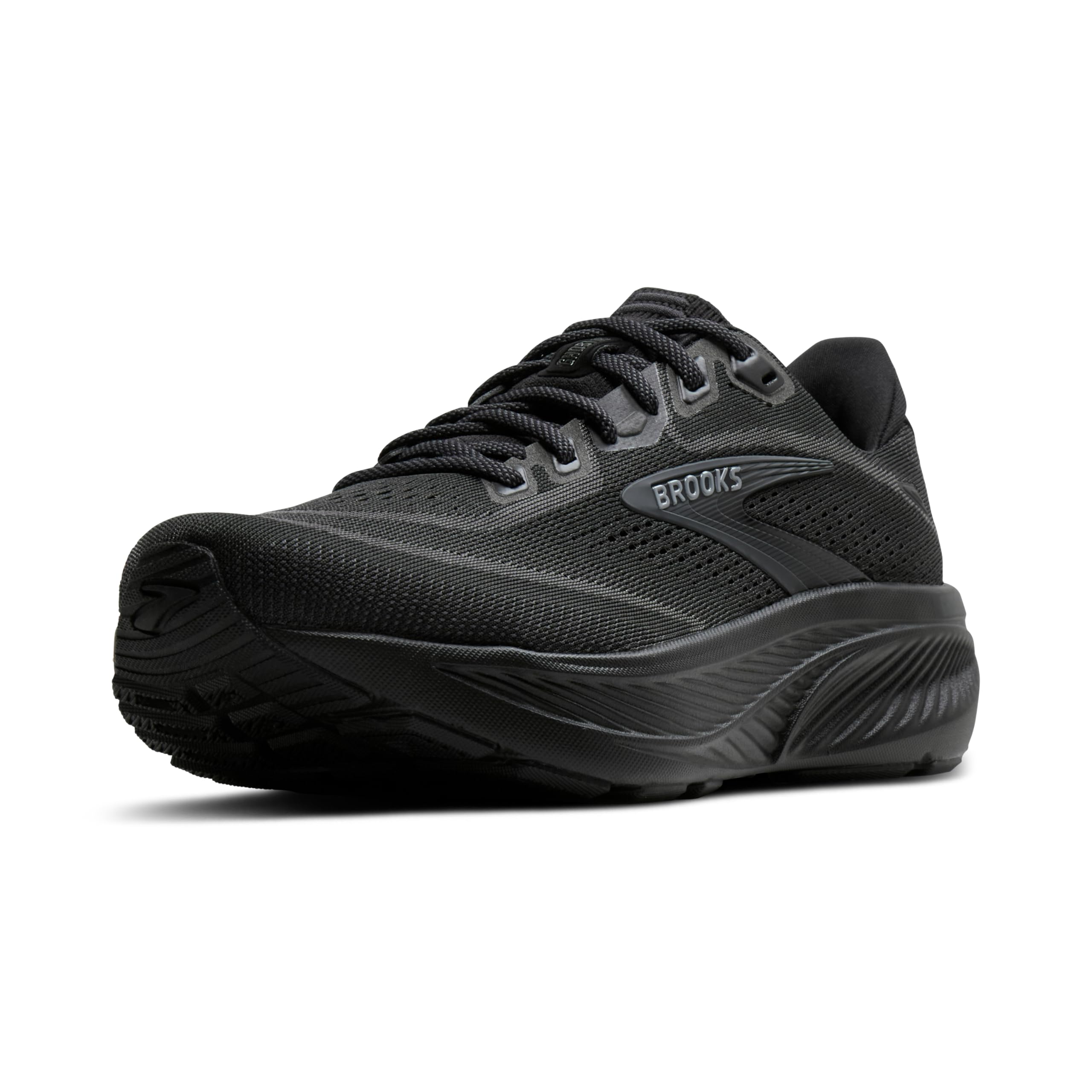
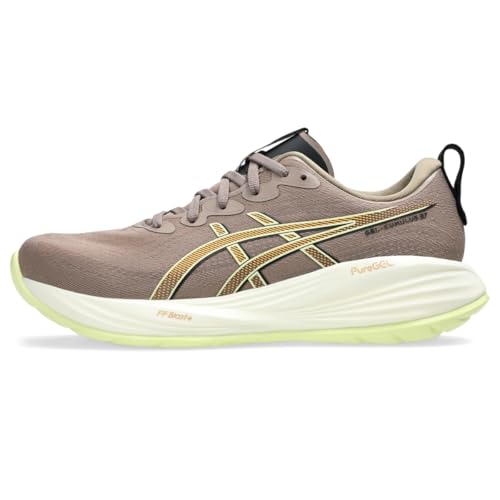

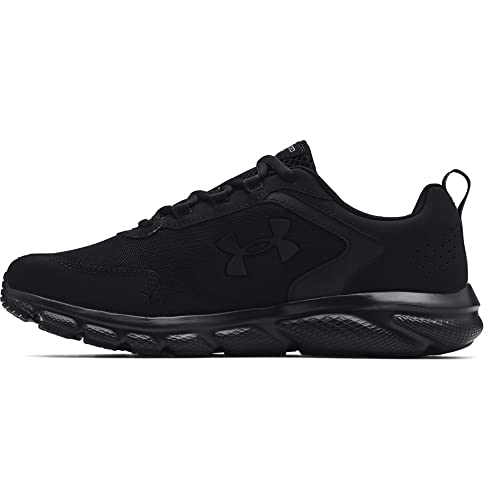

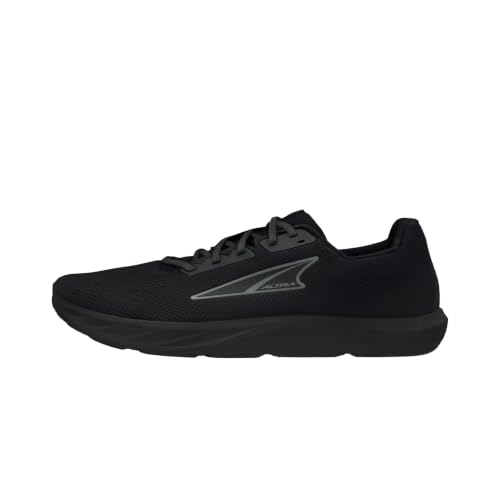


How to Judge Value at Each Budget Level
Use these criteria as a checklist when you shop any tier for the best classic running shoes. A shoe earns its price when the cushioning feels even, the upper holds your foot without pressure points, and the outsole grips the surfaces you run on most.
Budget Tier Criteria: What Matters Most
At the budget level, judge a shoe by basics done well. Look for a smooth ride without hard spots under the heel or forefoot, a breathable upper that does not rub, and enough rubber on the outsole to slow wear. You can accept a slightly heavier feel and simpler materials.
Pass on budget shoes with very thin outsoles or loose heels, because those flaws show up within weeks. A simple, well fitting budget shoe beats a fancy looking one that pinches.
Midrange Tier Criteria: The Balanced Choice
Midrange shoes should feel like a clear step up in foam quality and fit. Expect softer landings that still feel stable, an upper that adapts to your foot shape, and sizing that runs true for most runners. This tier should handle easy runs, long runs, and light workouts in one pair.
Judge value by versatility. If one midrange pair covers all of your weekly runs for about 300 to 500 miles, it often costs less per mile than rotating two cheaper pairs that wear out sooner.
Premium Tier Criteria: What Extra Money Should Buy
Premium pricing should buy measurable comfort: lighter weight, more responsive foam, a precise fit, and an outsole that lasts. Some runners also value one brand family and its consistent fit, and our guide to the best nike running shoes shows how a single brand line is usually structured across price levels.
Be strict here. If a premium shoe feels only slightly better in the store and you run a few miles a week, the upgrade will not change your training. Save the money for a second pair or for replacing shoes on time.
What Your Money Gets You at Each Price Tier
Prices below reflect typical United States retail ranges for classic styled daily trainers. Sales move shoes between tiers often, so judge the shoe itself rather than the tag alone. For a wider view of the category, our guide to the best running shoes covers modern designs as well.
Budget Tier: What to Expect
Budget shoes usually cost around $50 to $90. You get basic foam cushioning, a simple mesh or synthetic upper, and modest outsole coverage. They suit new runners, walkers who jog a little, and anyone who wants a spare pair for travel or the gym.
The trade offs are weight, durability, and a less polished ride on long runs. For runs under about 45 minutes, most runners find them perfectly workable, especially when the fit is right.
Midrange Tier: The Sweet Spot for Most Buyers
Midrange shoes usually cost around $90 to $140, and this is where most runners should shop. Foams feel more protective and lively, uppers use better engineered mesh, and outsoles carry more rubber in high wear zones. Fit options also improve, with more width choices.
If you run three to five days a week, this tier gives you the best mix of comfort, lifespan, and price. It is also the safest tier for a first serious pair, because fewer corners are cut.
Premium Tier: When Spending More Pays Off
Premium shoes usually cost around $140 to $200. The gains are lighter builds, refined cushioning that stays consistent late in a long run, and uppers that feel almost custom after a few outings. Some use advanced foams that return more energy with each step.
Spending more pays off for high mileage runners and for people whose feet ache in lesser shoes. It pays off least for short, casual runs, where midrange comfort already covers the need.
Features Worth Paying For (and Ones to Skip)
Waterproofing (Gore Tex and Membranes)
Waterproof membranes keep rain and puddle splash out, which helps on wet winter routes and slushy sidewalks. The cost is warmth and slower drying once water gets in over the collar. Most runners in mild climates do better with a breathable shoe and wool blend socks. If you often borrow shoes from other sports, our guide to the best tennis shoes for running explains why court shoes feel different on the road.
Upper Materials and Breathability
Engineered mesh is the classic choice because it is light, flexible, and quick to air out. Knit uppers feel sock like and suit wide feet, but they can stretch and offer less hold on turns.
Leather trimmed retro styles look great casually yet run warm and heavy. For pure running, breathable mesh wins. For a shoe that doubles as a daily walker, a sturdier upper may be worth the small weight penalty.
Fit, Sizing, and Toe Box
Measure your feet in the afternoon, when they are slightly swollen, and try shoes with your running socks. You want a thumb width of space in front of your longest toe and no pressure on the sides. Men comparing fits can start with our guide to the best male running shoes, while women can use our guide to the best ladies running shoes for width and sizing notes.
A roomy toe box helps on long runs as feet swell. If your heel slips, use the extra top eyelet to lock the laces before you change sizes.
Arch Support and Foot Type
Flat feet often feel steadier in shoes with gentle support under the arch and a firm heel counter. High arches usually prefer neutral shoes with generous cushioning, because the foot absorbs less shock on its own. Overpronation, where the ankle rolls inward, calls for guidance features rather than hard posts in most modern designs.
If you have ongoing foot, knee, or heel pain, talk with a clinician or a qualified shoe fitting professional before you rely on any shoe category to fix it.
Cushioning and Support
Neutral shoes suit runners whose feet roll evenly, while stability shoes add guidance for inward roll. Stack height describes how much foam sits under your foot, and heel to toe drop describes how much higher the heel is than the forefoot, often about 8 to 12 mm in classic trainers. Lower drops load the calves and Achilles more.
Choose cushioning by distance and surface. Softer, thicker midsoles protect joints on concrete, while firmer shoes feel more precise on tracks and treadmills.
Long Term Costs to Factor In
The shoe price is only part of the cost. Add replacement insoles if you use them, socks that prevent blisters, and a second pair if you run on back to back days, because rotating pairs lets foam recover and can extend total life. Most daily trainers need replacing after about 300 to 500 miles, so a runner covering 20 miles a week should budget for roughly two pairs a year. A clear warranty and an easy return window also have real value, since fit problems often appear only after several runs.
Frequently Asked Questions
How often should I replace my classic running shoes?
Replace them after about 300 to 500 miles, or sooner if the midsole feels flat and your legs feel unusually tired after normal runs. Calendar time matters less than mileage, but foam also ages in storage. A practical sign is uneven outsole wear combined with new aches. Keeping a simple mileage log in your phone makes the timing easy to judge.
Can I wear classic running shoes all day?
Yes, most people can, and the cushioning feels kind during long shifts on hard floors. Just know that all day walking still uses up the foam, so a pair you also train in will reach its mileage limit sooner. If you stand all day for work, consider keeping one pair for work and one for runs, which also lets each pair dry fully between uses.
How long is the break in period for classic running shoes?
Most modern classic trainers need little break in time, often just two or three short runs. The upper should feel comfortable from the first walk around your home. Persistent rubbing, numb toes, or heel slipping after a few outings usually means the size or shape is wrong rather than a shoe that needs more time. Do not debut any new pair on your longest run of the week.
Do I need waterproof classic running shoes?
You need them only if you regularly run in cold rain, snow, or wet trails and your feet get painfully cold. In warm rain, a breathable shoe that drains and dries fast is usually more comfortable. Waterproof shoes also suit walkers who cross wet grass daily. For occasional showers, quick drying socks and a spare pair of shoes at home solve the problem for less money.
Are expensive classic running shoes worth it?
They are worth it for high mileage runners who feel a real comfort gain and for people who need specific fit options like extra widths. They are rarely worth it for a few short runs per week, where a midrange shoe already provides the cushioning and support you use. Judge by cost per comfortable mile, and by whether your feet still feel fresh late in your longest weekly run.
Wrapping Up
Set your tier by mileage, then check fit, cushioning, and outsole grip in that order. Midrange shoes serve most runners best, budget shoes cover light schedules honestly, and premium shoes reward high mileage. Whichever tier you choose, the best classic running shoes are the ones you replace on time and forget about while you run. Compare your finalists against the product table above before you buy.


