Best Classic Pilot Watches: A First Time Buyer's Guide for 2026
Disclosure: We may earn a commission when you buy through links on this page, at no extra cost to you. As an Amazon Associate I earn from qualifying purchases. Learn more

A plain English guide to the best classic pilot watches for first time buyers, covering dials, movements, case sizes, straps, and common mistakes to avoid.
If you are buying your first pilot watch, the vocabulary alone can feel like a flight exam: bezels, lume, lug to lug, power reserve. Take a breath. The best classic pilot watches all descend from cockpit instruments built for one job, telling the time at a glance, and every spec on the listing exists to serve that job or to sell you something extra.
This guide starts with the basics, translates each key spec into plain English, and flags the rookie mistakes that waste money. Browse the comparison table below as you read, and by the final section you will know exactly which size, movement, and budget fit a first purchase you will not regret.







Classic Pilot Watches 101: The Basics
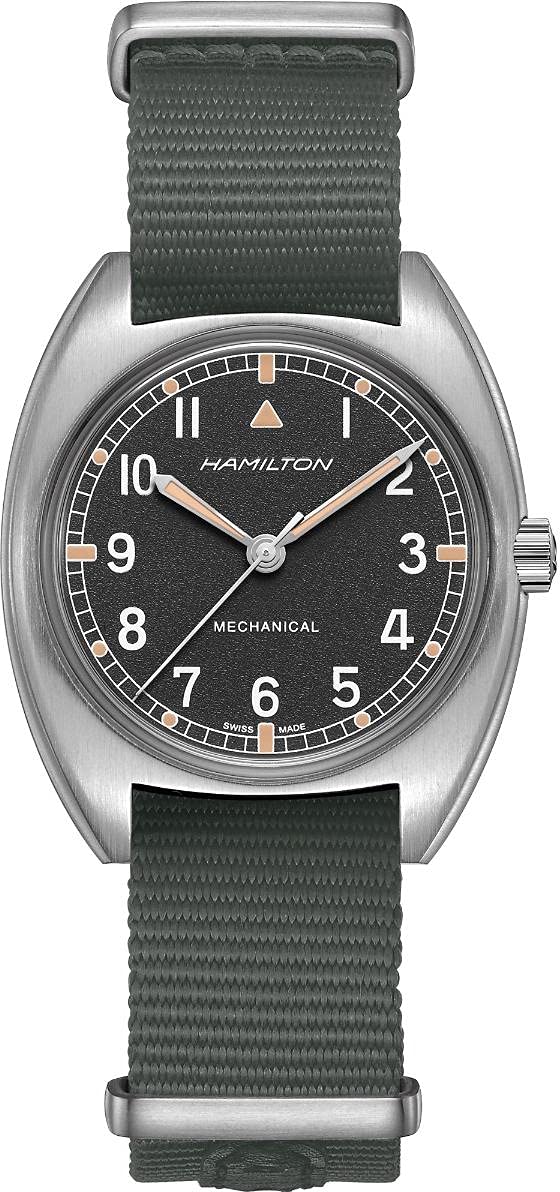
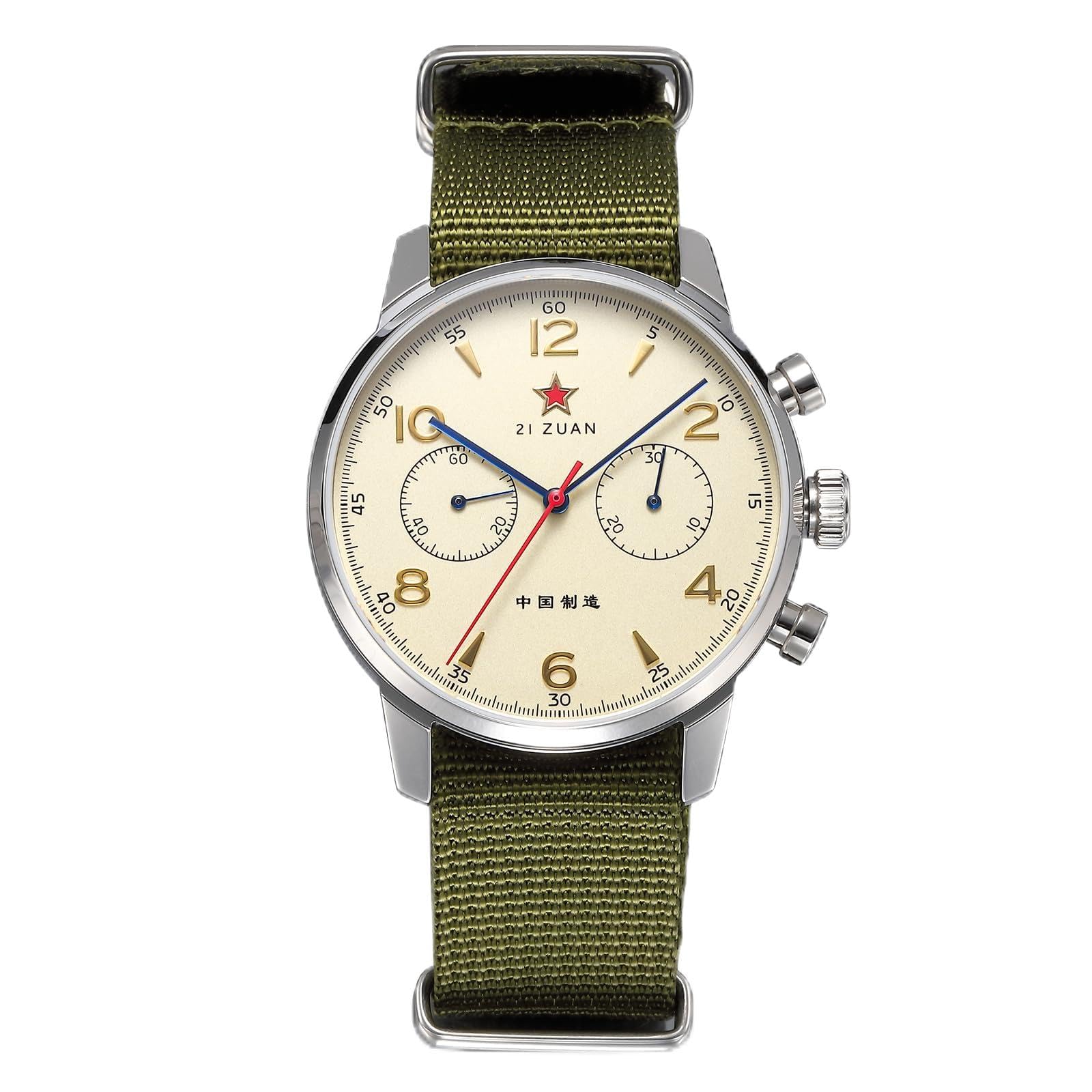
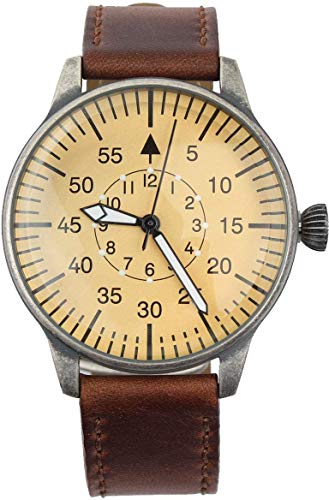
A classic pilot watch, often called a flieger after the early German designs, is a legibility tool. Expect a large, uncluttered dial, bold Arabic numerals or triangular markers, sword shaped hands filled with lume, and a crown big enough to grip with gloves. Early versions were huge because pilots wore them over flight jackets; modern versions shrink the same layout to everyday sizes.
Two dial layouts dominate the best classic pilot watches. One style favors clean Arabic numerals around the dial, while the other uses a triangle at twelve with simpler markers, a layout made for quick orientation. Neither is better; both read instantly, which is the point.
Under the dial sits a quartz, automatic, or solar movement, and on top sits a flat crystal, often with anti reflective coating so sunlight in a cockpit, or a car, does not wash out the time. Everything else, from leather straps with rivets to exhibition case backs, is heritage styling layered over that simple core.
Key Specs Explained in Plain English
Movement Type: Quartz, Automatic, Solar, and Smart
The movement is the engine. Quartz runs on a battery, keeps superb time, and costs the least, which makes it a stress free first buy. An automatic movement winds from your wrist motion, needs no battery, and adds mechanical charm plus a service bill every five to seven years.
Solar power charges a cell from light and removes battery changes for years. For a first pilot watch, quartz or solar gives you the classic look with almost zero upkeep, while automatic suits you if the machinery itself excites you.
Legibility and Style
Legibility is the whole identity of this watch type. Look for strong contrast, meaning bright markers on a matte black or deep blue dial, and lume that glows after light exposure so the dial reads at night. Hands should differ clearly in length and shape, so a half asleep glance cannot confuse hour and minute. Style wise, a pilot watch sits between tool and casual: it pairs with jackets, denim, and office casual wear, but its large dial and long lugs can overwhelm a slim dress shirt cuff.
Brand Reputation, Warranty, and Value
Established brands bring consistent quality control, available spare parts, and service centers you can reach from the United States. Aim for at least a two year warranty on a first purchase, and read how warranty claims are handled before you buy, not after something fails. Value in this category is strong in the midrange, where heritage inspired designs meet modern movements. Comparing across the wider best pilots watches category helps you see which brands specialize in aviation styles and which simply borrow the look.
Crystal and Case Materials
The crystal is the window over the dial. Sapphire is the premium choice and resists scratches for years of daily wear, mineral glass costs less and is fine for careful owners, and acrylic appears on some vintage style reissues and can be polished when scuffed.
Cases are usually stainless steel, sometimes with a brushed finish that hides wear. Case diameter is the headline number, but lug to lug length decides comfort, so look for that measurement too. Titanium cases cut weight on larger sizes if a steel 42 mm case feels heavy.
Strap and Bracelet Options
Classic pilot watches wear leather, traditionally thick brown leather with rivets near the lugs, echoing straps that once went over a flight jacket. Modern buyers often prefer slimmer leather, nylon for summer, or a steel bracelet for durability. A quick release strap has small levers on the spring bars, letting you swap straps by hand in seconds, which doubles the watch wardrobe value. Check the lug width, commonly 20 mm or 22 mm on pilot models, before ordering spares, and remember that a strap change is the cheapest way to refresh the whole look.
Smart and Fitness Features
A classic pilot watch normally has none of these, and that is fine. Some modern aviation styled models add GPS, altimeters, or heart rate sensors, but sensors are training aids, not medical devices, and they thicken the case and shorten battery life to days. If you need flight logging or health tracking, a dedicated smartwatch does it better. Most first time buyers are happier keeping the pilot watch purely for time, which also keeps the dial faithful to the clean layouts that made the type famous.
Rookie Mistakes to Avoid
- Buying too big. Vintage pilot watches were 55 mm tools worn over jackets. On a bare wrist, anything much past 42 mm with long lugs usually wears awkwardly, so measure before you buy.
- Ignoring lug to lug length. Diameter gets the marketing, but lug to lug decides whether the case overhangs your wrist. Keep it at or under your wrist width for a balanced look.
- Paying for water resistance you confuse with diving specs. Many pilot watches rate only 50 meters, fine for rain and splashes, because the big crown is built for grip, not for diving.
- Skipping the lume check. Weak lume defeats the purpose of this style. Look for generous luminous material on hands, numerals, and the twelve o clock triangle.
- Chasing heritage stories over fit. A famous backstory cannot fix a watch that feels wrong on your wrist. Fit, legibility, and movement upkeep should outrank romance on a first purchase.
Getting Started: Setup and First Use
When your watch arrives, charge or expose a solar model to bright light for a day, set the time by pulling the crown out and turning it, and push or screw the crown fully back in before any contact with water. If you chose an automatic, wear it for a full day or wind it gently by hand so the power reserve builds. Try the strap on both wrists if you are unsure of your preference, and check the lume by charging it under a lamp and stepping into a dark room.
Two habits protect the watch from day one. First, rinse it in fresh water after any saltwater exposure, even though pilot watches rarely swim, because salt attacks seals and leather alike. Second, mark your calendar: battery powered models need attention in two to three years, and automatics need professional service every five to seven years. Finally, store the watch away from speakers and magnetic clasps, since magnetism is a common and invisible cause of sudden fast running in mechanical movements.
As your taste develops, two directions open up. The broader best classic watches family shows how pilot designs sit beside dress and field styles, and men refining a traditional rotation often compare with the best watches for men classic selection. At the top end, the best luxury pilot watches demonstrate what finer movements and finishing add, while women seeking the same legible layout in smaller cases will find tailored options among the best classic women's watches.
FAQs
What case size fits my wrist?
For most wrists, 38 mm to 42 mm is the happy range for a pilot watch. Slim wrists under 6.5 inches should lean toward 36 mm to 39 mm cases with short lugs, while larger wrists can carry 43 mm or 44 mm. Ignore the oversized vintage sizes unless your wrist is genuinely broad. Trying a printed paper circle of the case size at home gives a surprisingly reliable preview before you order.
Is a smartwatch worth it over a classic watch?
A smartwatch earns its price if you depend on notifications, GPS, and health tracking daily. A classic pilot watch answers back with years of battery free or low upkeep running, a dial you can read in any light, and styling that will not age with software versions. If your main wish is a handsome, legible watch, the classic wins. If your wrist must work like a phone, choose smart and accept the charging routine.
How water resistant should a pilot watch be?
Fifty meters covers rain, splashes, and hand washing, which is all most pilot watches ever face. Choose 100 meters if you want to swim with it, and check whether the crown screws down, since a push in crown is the weak point on many aviation designs. Whatever the rating, keep leather straps out of the water and have seals checked on older watches before trusting the number printed on the dial.
Quartz or automatic: which is better for a first pilot watch?
Quartz is better for most first time buyers because it is accurate, affordable, and always ready to wear. Automatic is better if you are drawn to mechanical craft and will wear the watch most days to keep it wound. Quartz also allows thinner cases at low prices, while automatic brings a sweeping seconds hand many people love. There is no wrong answer, only a match or mismatch with your habits.
How long does a watch battery last?
A quartz pilot watch battery normally lasts two to three years, and solar models stretch far longer before their rechargeable cell needs attention. Some quartz movements signal a low battery by moving the seconds hand in jumps. Replace a fading battery promptly, because a leaking cell can destroy the movement, and ask the technician to check the case seals so water resistance survives the battery change intact.
The Bottom Line
For a first purchase, lock in three decisions: a case size that fits your wrist, a dial you can read at a glance with strong lume, and a movement whose upkeep matches your habits. Get those right and price tier becomes a simple matter of finishing. The best classic pilot watches reward restraint, not the longest spec list. Compare sizes and movements in the product table above, then buy the one that feels like a cockpit instrument you happen to wear.