
Best Classic Mens Watches 2026: Complete Buying Guide
Disclosure: We may earn a commission when you buy through links on this page, at no extra cost to you. As an Amazon Associate I earn from qualifying purchases. Learn more

Classic mens watches reward quiet design, readable dials, and proportions that suit many outfits. Learn movements, cases, and straps before you buy.
A classic men's watch earns its place by looking right with a suit on Monday and a flannel shirt on Saturday, and by still looking right ten years from now. The best classic mens watches share a short list of traits: a round or softly rectangular case between 36 and 41 mm, a dial with simple baton, Arabic, or Roman markers, slim hands you can read at a glance, and a strap or bracelet that can be swapped without tools.
This guide explains how to judge those traits on a real wrist, which movement suits your habits, and where the money goes at each price level. The comparison table below gathers current options in one place, and the sections that follow give you the checks to run before you order.

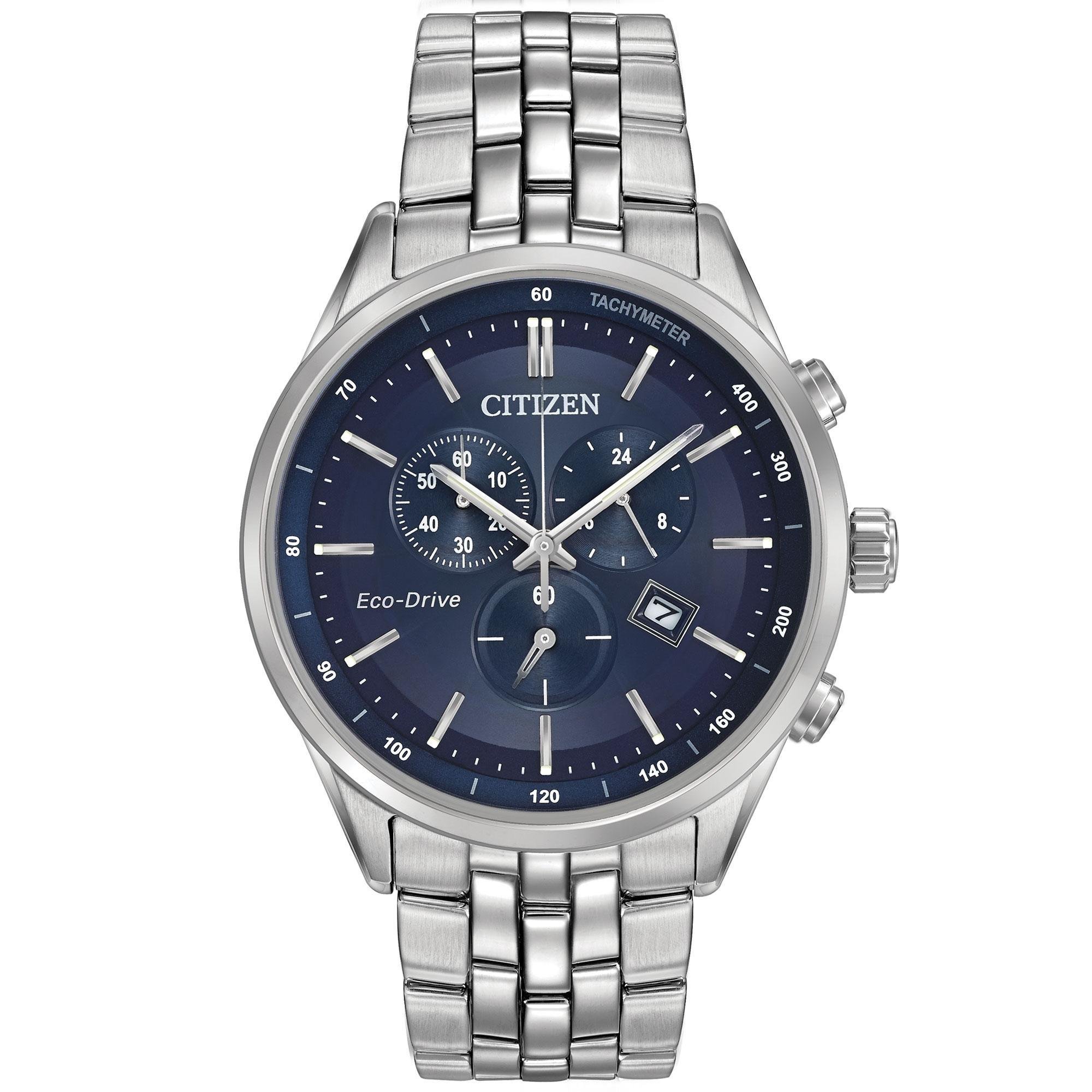


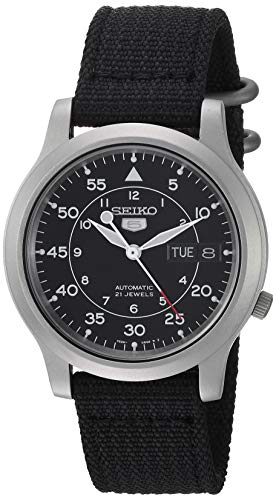

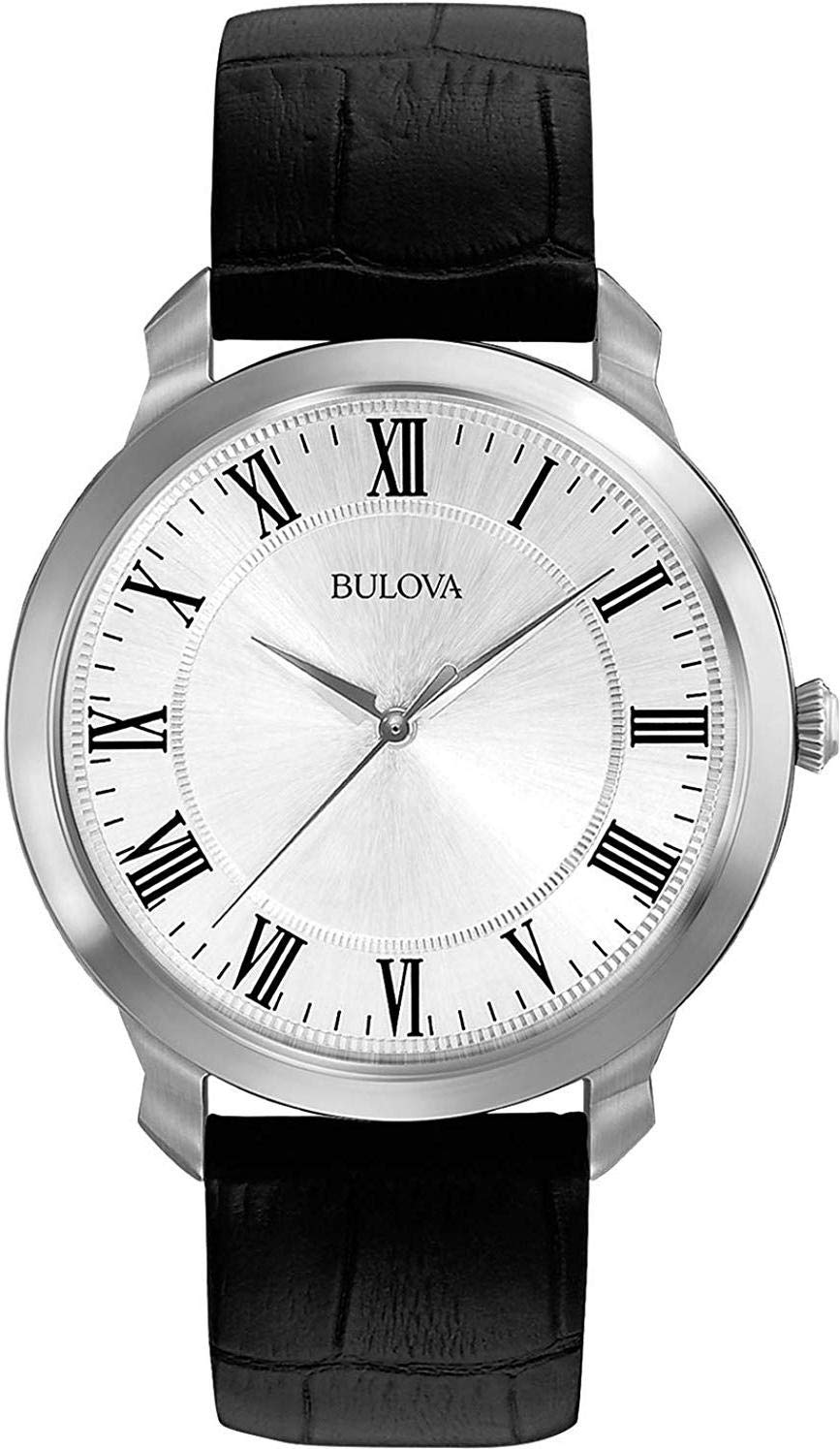
What Makes a Mens Watch Classic
Classic is not a brand or a price. It is a set of proportions and restraint that has stayed in style since the mid twentieth century. Dials stay uncluttered, with at most a date window or a small seconds dial.
Cases are steel, sometimes gold toned, with a mix of brushed and polished surfaces rather than bright chrome. Crowns are modest, bezels are thin or absent, and lugs curve down toward the wrist so the watch sits flat under a cuff.
The opposite signals are easy to spot once you know them: oversized cases past 44 mm, dials crowded with subdials that do nothing, loud logos, and colored rubber straps on a dress design. Those features date quickly. A watch that passes the classic check will still pair with a navy blazer long after the trend pieces have moved to a drawer.
Three Classic Styles Compared
Most classic mens watches fall into one of three families. Each suits a different wardrobe and routine, and the table below shows how they differ at a glance.
| Style | Typical case | Strengths | Watch out for |
|---|---|---|---|
| Dress watch | 36 to 40 mm, under 10 mm thick | Slides under a cuff, suits formal events | Low water resistance, leather dislikes rain |
| Field watch | 36 to 40 mm, matte steel | Legible Arabic numerals, tough, casual friendly | Can look too plain for black tie |
| Classic diver | 40 to 42 mm, rotating bezel | Swim ready, strong lume, one watch for everything | Thicker and heavier under a shirt cuff |
A dress watch is the purest classic. Think of a slim case, a white, cream, or black dial, and a leather strap in black or brown. It is the right choice if most of your week involves a collared shirt and you keep the watch away from water.
A field watch borrows from military issue pieces: bold numerals, a matte finish, and a canvas or leather strap. It reads clearly in poor light and shrugs off knocks, which makes it the better pick if your days mix office work with errands, travel, and weekends outdoors.
A classic diver keeps the timeless layout of a rotating bezel and luminous markers but in a tidy size. It is the one watch that handles a pool, a meeting, and a dinner, as long as you accept extra thickness. Readers weighing the broader category can also see our guide to the best classic watches for how these families overlap for men and women.
How to Choose Classic Mens Watches for Your Routine
Movement: Quartz, Automatic, or Solar
The movement decides how much attention the watch asks of you. Quartz runs on a battery, keeps time within seconds per month, and needs a new cell every two to three years. It also allows the slimmest cases, which is why many dress designs use it. If you rotate several watches or wear one only on weekdays, quartz is the calm choice.
An automatic movement winds itself from wrist motion and stores power for roughly 40 to 70 hours, depending on the caliber. You get a smooth sweeping seconds hand and no battery changes, in exchange for drift of a few seconds a day and a service every five to seven years that can cost around $150 to $300. Automatics suit men who wear one watch most days and enjoy the mechanical side of ownership.
Solar quartz sits between the two. Light charges a cell that can run for months in the dark, so battery changes disappear for a decade or more while accuracy stays at quartz level. It is a strong fit for a single watch worn daily by someone who never wants to think about upkeep.
Case Size, Thickness, and Lug to Lug
Diameter is the number on the listing, but two other measurements decide how a watch wears. Lug to lug length is the span from the top lug tips to the bottom ones, and it should stay inside the width of your wrist. A 40 mm watch with long straight lugs can overhang a 6.5 inch wrist, while a 41 mm watch with curved lugs may sit perfectly.
Thickness matters for cuffs. Under 10 mm slips beneath any shirt sleeve, 10 to 12 mm works with most, and anything past 13 mm starts to catch. Measure your wrist with a soft tape, note the lug to lug figure from the listing, and favor the smaller option when two sizes both look fine. Classic proportions reward restraint, and a slightly small watch looks far better than a slightly large one.
Dial, Crystal, and Case Finish
Legibility comes first. Hands should reach their markers, the minute track should be visible without squinting, and the date window, if present, should match the dial color so it does not look like an afterthought. White and cream dials read as traditional, black feels sharper and more modern, and deep blue bridges dress and casual wear.
The crystal is the window over the dial. Sapphire resists scratches from desks, door frames, and bags for years and is worth paying for on a daily watch. Mineral glass costs less and is fine for a watch worn carefully a few days a week.
Acrylic scratches easily but polishes back, which suits vintage reissues. For the case, 316L stainless steel is the standard, and a brushed finish hides small marks better than a fully polished one.
Straps and Bracelets
A strap changes the character of a watch more than any other part. Black leather is for suits and evenings, brown leather for everything else in the office, a steel bracelet for heat, water, and travel, and a nylon strap for weekends. A quick release strap system uses small levers on the spring bars so you can swap in seconds without tools.
Check the lug width before you buy spares. Common sizes are 18, 20, and 22 mm, and watches that use one of those give you hundreds of strap choices at around $20 to $80. A bracelet should have solid links, not folded ones that rattle, and a clasp with some micro adjustment so the fit stays right as your wrist swells through the day.
What Each Price Level Buys
Under about $150, expect a reliable quartz movement from a known maker, a steel or alloy case, mineral glass, and a strap you will probably replace. The look can be fully classic at this level if you choose a plain dial and a modest case. Our guide to the best inexpensive men's watches shows how far that budget stretches.
From about $150 to $500, sapphire crystal becomes common, cases gain better brushing and polishing, bracelets use solid links, and entry automatic movements from Japanese and Swiss makers appear. This is where most of the best classic mens watches for daily wear sit, because finish and price balance well. Readers who want to compare build quality across that range can see our guide to the best quality men's watches.
Above about $500, you pay for finer movements, applied markers, slimmer automatic cases, longer warranties, and service networks that will still support the watch decades from now. The jump in daily function is small, while the jump in finishing and pride of ownership is real. Those weighing that step can read our guide to the best men's luxury watches before deciding.
Common Mistakes to Avoid
- Buying by diameter alone and ignoring lug to lug length, which is what causes overhang on a narrow wrist.
- Choosing an automatic for a watch you will wear twice a month, then resetting it before every outing.
- Paying for 200 meters of water resistance on a dress watch you will never swim in, instead of paying for sapphire.
- Accepting a cheap folded link bracelet on an otherwise good watch, when a $30 strap would have fixed the feel.
- Picking a busy chronograph dial for formal wear, where a three hand layout always looks more correct.
Care That Keeps a Classic Watch Classic
Wipe the case and crystal with a soft cloth after warm days, and keep leather straps away from water, since soaked leather cracks and smells long before the case suffers. Rinse a bracelet watch in fresh water after swimming if its rating allows immersion, then dry it fully. Store the watch away from speakers, magnetic clasps, and tablet covers, because magnetism is the most common cause of a mechanical watch suddenly running fast.
Replace a quartz battery as soon as the seconds hand starts jumping in long steps, and have the seals checked at the same visit. Service an automatic every five to seven years, or sooner if the time drifts by more than a minute a week. Keep the box, papers, and spare links together, since they matter for service and for resale.
Frequently Asked Questions
What size classic watch suits most men?
Most wrists between 6.5 and 7.5 inches look balanced with a 38 to 40 mm case and a lug to lug length under 48 mm. Larger wrists carry 41 to 42 mm well. Thickness under 12 mm keeps the watch feeling classic rather than sporty. When in doubt, choose the smaller case.
Is a Seiko or a Citizen a good first classic watch?
Both brands make dependable classic designs at fair prices, with Seiko strong in entry automatics and Citizen strong in solar quartz. Either gives you a proven movement, a steel case, and a service network in the United States. Our guide to the best seiko men's watches covers the most popular classic models from one of them.
Leather strap or steel bracelet for daily wear?
A bracelet handles sweat, rain, and hand washing better and needs no replacement, while leather looks dressier but wears out in one to two years of daily use. Many men keep a bracelet on the watch for workdays and swap to leather for events, which is easy when the watch has quick release spring bars.
How water resistant should a classic mens watch be?
A 30 meter rating covers rain and hand washing, 50 meters covers daily life with the odd splash, and 100 meters covers swimming. Dress watches usually sit at 30 meters, and that is fine as long as you take the watch off before water. Ratings assume fresh seals, so have them checked at each battery change or service.
Quartz or automatic for a classic watch?
Quartz wins on accuracy, thinness, and low upkeep, and suits a watch worn a few days a week. Automatic wins on craft and a sweeping seconds hand, and suits a watch worn almost daily. Neither is wrong. Match the movement to how often the watch will be on your wrist.
Final Thoughts
Start with proportions, since a case that fits your wrist and slides under your cuff is what makes a watch look classic in the first place. Then choose the movement that matches your habits, insist on a readable dial, and pay for sapphire before you pay for extra features. Compare your shortlist in the product table above with those checks in mind, and the best classic mens watches for your wardrobe will stand out quickly.


