
Best Classic Hiking Boots: A First Time Buyer's Guide for 2026
Disclosure: We may earn a commission when you buy through links on this page, at no extra cost to you. As an Amazon Associate I earn from qualifying purchases. Learn more

Shopping for the best classic hiking boots for the first time? Learn fit, materials, traction, and care basics to choose with confidence on trails.
Buying trail boots for the first time can feel confusing, because every listing uses terms you may never have needed before. This guide explains best classic hiking boots in plain language, starting with what the word classic actually means and ending with the checks to make before you pay. You do not need any background knowledge to follow along.
Work through the sections in order and you will learn how fit, materials, traction, and support affect your feet on a real trail. As you read, use the comparison table below to see how the options you are considering differ on the features that matter most.
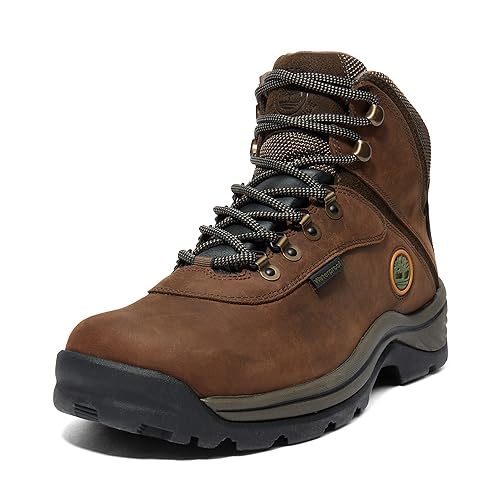


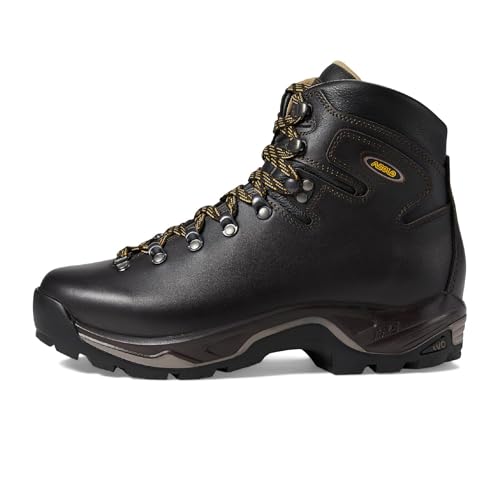
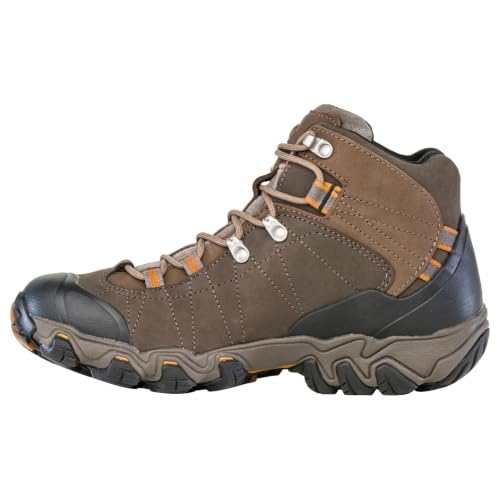


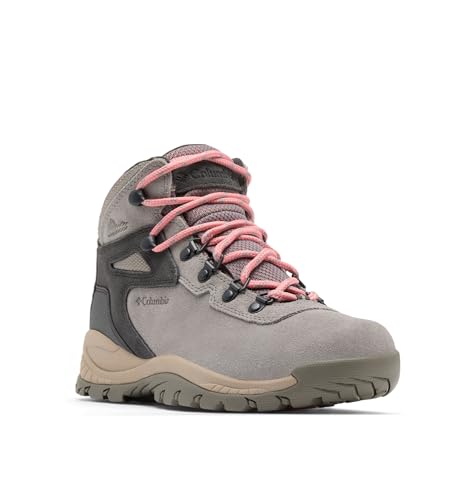

Classic Hiking Boots 101: The Basics
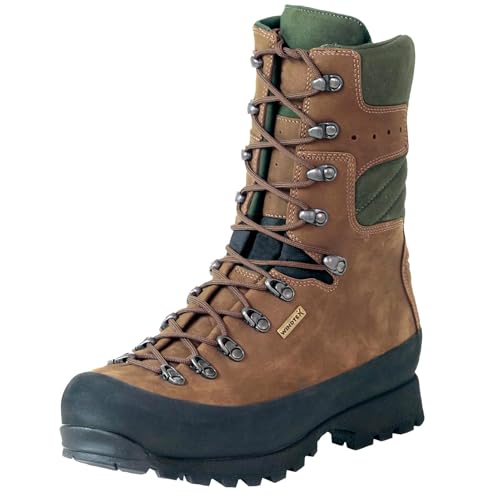
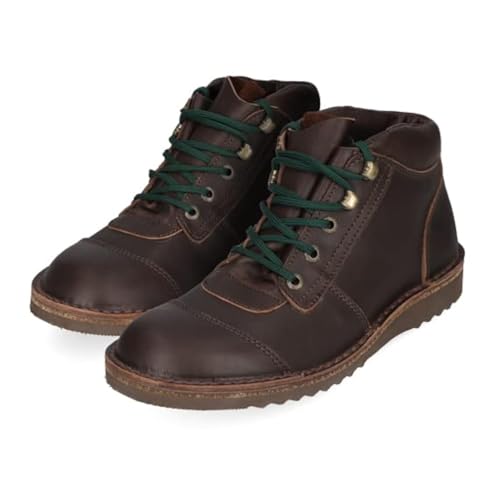
A classic hiking boot is a sturdy boot built for walking on rough ground, usually with a leather or leather and fabric upper, a collar that covers the ankle, and a firm rubber sole. The design has changed slowly over decades because it works well for carrying a pack over rocks, roots, mud, and uneven slopes.
That extra structure is the point. The tall collar helps steady your ankle on loose ground, the stiff sole spreads pressure from sharp stones, and thick upper materials shrug off brush and rock scrapes. If your walks are short and on smooth paths, you may prefer the lighter feel described in our guide to the best hiking shoes, where lightweight shoes make more sense. Save sandals and recovery footwear for camp, since open footwear gives your toes and ankles no trail protection.
Key Specs Explained in Plain English
Listings love technical words, but each spec answers a simple question about comfort, grip, or durability. The six topics below cover the terms you will see most often when comparing the best classic hiking boots, with guidance on what level to choose as a new buyer. You can compare your shortlist against each point using the product table above.
Fit, Sizing, and Toe Box
Fit matters more than any other feature, so measure both feet in the afternoon, when feet are at their largest after a day of standing and walking. Wear the hiking socks you plan to use, stand with your full weight on each foot, and check that you have about a thumb width of space in front of your longest toe. Your heel should stay seated when you walk, with only slight movement that a good lacing pattern can control.
The toe box is the room around your toes, and it should let your toes lie flat and spread a little without pressing the sides. Sizing differs between brands and between lasts shaped for different feet, so read the sizing notes for the best hiking boots for men and the best ladies hiking boots if you are unsure which range matches your foot shape.
Durability and Expected Lifespan
Durability describes how well a boot resists wear from miles, water, grit, and repeated flexing. Uppers cut from one piece of thick leather have fewer seams to fail, and strong stitching around the sole and toe area slows the splits that end the life of cheaper boots.
How long a pair lasts depends on your weight, your pack load, and the surfaces you walk on, since sharp rock and gritty sand wear rubber and leather faster than soft forest soil. A boot that is dried properly and kept clean will usually serve through many seasons of regular weekend use.
Outsole Traction and Terrain
The outsole is the rubber layer that touches the ground, and its grip comes from both the rubber compound and the shape of the lugs, which are the raised blocks in the tread pattern. Deep lugs of about 4 to 5 mm bite into mud and loose soil, while shallower and wider lugs feel steadier on rock slabs and hard packed paths.
Match the tread to the ground you expect most often. Aggressive tread on dry pavement wears quickly and can feel clumsy, while a smooth sole on wet roots or steep dirt gives you little warning before a slip. Stability also comes from how the sole resists twisting, since a sole that twists too easily lets your foot roll on off camber ground. A name such as Vibram signals specialist rubber, but the lug pattern still has to suit your terrain.
Upper Materials and Breathability
The upper is everything above the sole, and in classic boots it is most often full grain leather, nubuck, or suede, sometimes with fabric panels at the collar or tongue. Full grain leather is the toughest option and molds gradually to the shape of your foot, but it feels warm and needs conditioning to stay supple.
Fabric panels and mesh sections let heat and moisture escape, which feels welcome on summer trails, but they give less protection against scrapes and less support around the ankle. Breathability always trades against weather protection and durability, so think about your climate before you choose.
Waterproofing With Gore Tex and Other Membranes
A waterproof membrane is a thin layer inside the boot that blocks liquid water while letting some water vapor from sweat escape. Gore Tex is the best known membrane, but many brands use their own versions that work in a similar way. Boots with a membrane keep your feet dry through puddles, wet grass, shallow streams, and snow.
The trade off is warmth and drying time, because a membrane always breathes less freely than an open mesh upper, and a soaked lined boot dries slowly. If most of your hiking is in hot and dry country, a boot without a membrane may feel cooler and dry faster after a stream crossing. To compare treatments, coatings, and care products in more depth, see our guide to the best waterproofing for hiking boots before you decide how much protection you need.
Arch Support and Foot Type
Arch support is the shaping under the middle of your foot that helps spread your weight and limits how far your foot rolls inward as you walk. Flat feet often roll inward more, sometimes called overpronation, while high arches tend to feel stiff and place more pressure on the heel and the ball of the foot. The insole supplied with most boots is fairly flat, so many buyers swap it for a shaped insole that matches their arch height.
Cushioning in the midsole softens the impact of each step, and classic boots use firmer cushioning than running shoes so the foot stays stable under a pack. Heel to toe drop describes the difference in height between the heel and the front of the boot, and a modest drop feels natural to most new hikers. If you get persistent pain in your arches, knees, or heels, or numbness that keeps returning, stop and talk with a clinician or a qualified fitter about your personal needs before longer hikes.
Rookie Mistakes to Avoid
Most first time regrets come from a handful of avoidable errors rather than from choosing the wrong brand.
- Buying boots in your street shoe size without measuring, because hiking socks and swelling on long walks then leave your toes jammed against the front.
- Choosing a boot only by its looks, because a handsome leather boot with the wrong fit will still blister your heels within a few miles.
- Wearing brand new boots on a long hike first, because stiff leather that has not softened will rub hot spots into blisters.
- Ignoring the terrain you actually walk, because deep mud lugs on hard city paths wear fast and feel unstable underfoot.
- Storing boots while they are still damp, because trapped moisture weakens leather and glue and leaves a smell that never fully leaves.
Getting Started: First Steps and First Walks
When your boots arrive, inspect the stitching, eyelets, and soles, then wear them indoors with your hiking socks for an hour or two. Walk stairs, crouch, and stand on the edge of a step to feel for heel lift or toe pressure while returns are still easy. Lace from the bottom with even tension, snug the hooks around your ankle, and use the extra eyelet at the top if your heel still lifts, since a locked heel prevents most friction blisters.
Build up gradually with short flat walks before any climb, adding distance only when the previous walk left no sore spots. After each outing, loosen the laces, pull out the insoles, and air dry wet boots away from direct heat, because radiators and campfires can crack leather and weaken glue. Brush off dried mud, condition leather when it starts to look pale and dry, and store the pair in a cool and airy place.
Classic Hiking Boots: Your Questions Answered
New buyers tend to ask the same handful of questions, so here are direct answers that add detail beyond the sections above.
Can you wear classic hiking boots all day?
Yes, you can wear classic hiking boots all day once they are broken in and fitted well. A full day of standing on concrete at a fair or a work site feels harder than the same hours on a trail, because hard flat surfaces never vary the pressure on your feet. If your day mixes walking and standing, loosen the laces during seated breaks and change shoes in the evening so your feet can recover.
Do classic hiking boots need waterproof protection?
Classic hiking boots need waterproof protection only when your trails are regularly wet, muddy, or snowy. In desert country or on dry summer paths, the extra warmth of a membrane can leave your feet hotter and sweatier than a plain leather upper would. Shallow water that tops the collar will wet any boot from inside, so route choice matters as much as the lining. When wet trails are your normal plan, compare the options in our guide to the best waterproof hiking boots for models built around that use.
How long is the break in period for classic hiking boots?
The break in period for classic hiking boots usually takes several short walks spread over one to three weeks. Thick full leather boots sit at the longer end of that range, while boots with more fabric soften sooner because their panels flex from the first wear. Treat any single hot spot as a signal to stop, adjust your socks or lacing, and add tape before it becomes a blister. If a spot returns in the same place on every walk, the fit is wrong and more miles will not fix it.
How should classic hiking boots fit?
Classic hiking boots should fit snugly through the heel and middle of the foot, with clear space in front of your toes. A good in store check is to walk down a sloped ramp or a flight of stairs, because that mimics a trail descent and shows whether your toes strike the front. Your toes should never hit the end, even with a firm kick against the floor while standing. Try boots later in the day and bring your own socks, since thin dress socks hide pressure points that hiking socks reveal.
Are expensive classic hiking boots worth the cost?
Expensive classic hiking boots can be worth the cost if you hike often enough to use their stronger leather, better stitching, and resole options. A costly boot that can be resoled may work out cheaper per season than a basic boot replaced every couple of years, provided the fit suits you. Spend first on correct fit and suitable tread, and let price come after those two points are settled.
Wrapping Up
Start with fit, because no feature can rescue a boot that pinches or lets your heel wander. Next match the outsole tread to your usual ground, then choose upper materials and waterproofing that suit your climate rather than the wettest day you can imagine. The best classic hiking boots for you are simply the pair that meet those three checks at a price you accept.
Break your pair in with short walks, care for the leather after wet trips, and your boots should serve you for many seasons. When you are ready to choose, return to the product table above and compare your finalists against the specs explained in this guide.


