Best CLA Tablets in 2026: Which Type Is Right for You?
Disclosure: We may earn a commission when you buy through links on this page, at no extra cost to you. As an Amazon Associate I earn from qualifying purchases. Learn more

A clear buying guide to the best cla tablets, comparing formats, dose strength, label quality, and value so you can choose a style that fits your routine.
CLA products look similar on the shelf, yet the dose per tablet, the oil source, and the number of tablets you take each day can differ a lot. This guide compares the main formats side by side so you can judge the best cla tablets for your own routine instead of guessing from a front label.
You will learn how tablets compare with softgels and powders, which label details actually matter, and when a different supplement format makes more sense. Use the comparison table below to see typical styles at a glance, then read on for the details behind each row.


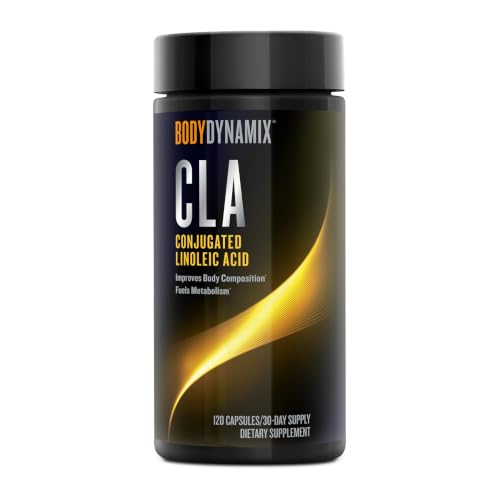
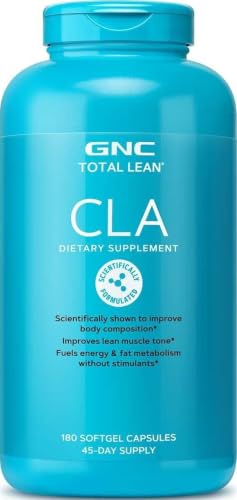
How CLA Tablets Compare to Other Options
CLA, short for conjugated linoleic acid, is a fatty acid most often made from safflower oil and sold as a daily supplement. No format changes what CLA is, but the format changes how much you take, how easy it is to swallow, and how simple it is to keep up with on busy days. The sections below compare the choices you are most likely to see.
CLA Tablets vs Softgels and Capsules
Most CLA on the market comes in softgels, because CLA is an oil and oil fits naturally inside a soft shell. Tablets are less common and usually contain CLA in a dried or bound form, so check how much actual CLA each tablet provides rather than the total tablet weight. A large softgel may deliver more CLA per piece than a small tablet, which means fewer pieces per day.
Tablets win on a few practical points. They have no soft shell to melt in a warm bag, they are easy to split your dose across the day, and they often suit people who dislike swallowing large softgels. Softgels win when you want a higher amount per piece and a smoother swallow. If daily count matters most to you, compare the serving math before you compare prices.
CLA Tablets vs Powder and Liquid Forms
Powders and liquids let you adjust the amount freely and can mix into a shake, which suits people who already blend a morning drink. The trade off is taste and effort. CLA oil has a mild but noticeable flavor, and a powder you dislike is a powder you will quietly stop using within a few weeks.
Tablets remove taste from the decision and travel well in a pill case. They also make your amount consistent from day to day, since each tablet is measured for you. Choose powder only if you truly enjoy shakes and want flexible dosing. For most people, a measured tablet or softgel is easier to keep consistent, and consistency is what any supplement routine depends on.
CLA Tablets vs Other Daily Supplements
CLA is often shelved beside fiber and collagen, but the three do different jobs, so one does not replace another. If gut regularity is your main goal, our guide to the best fiber tablets covers a more direct option for that purpose. If skin, hair, and joint support interest you more, see our guide to the best collagen tablets for how those products are judged.
Timing also sets CLA apart from many daily supplements. Most labels suggest taking it with food, and our guide to the best time to take cla tablets explains how meal timing affects comfort. Think of CLA as one optional piece of a routine built on food, movement, and sleep, not as a stand alone answer to any health goal.
Who Should Choose CLA Tablets?
Tablets suit adults who want a measured, tasteless, travel friendly way to add CLA to a routine they already keep. They fit people who take other tablets at breakfast, who dislike large softgels, and who prefer a product that stores well without refrigeration. A modest dose per tablet can also suit cautious starters who want to begin low and adjust slowly.
Other people should pause or choose differently. Anyone who is pregnant, breastfeeding, under 18, managing diabetes or liver concerns, or taking medicine that affects blood sugar should talk with a clinician before using CLA at all. If you want the highest amount per piece, softgels usually serve you better. If you struggle to swallow tablets, a capsule or powder is the kinder choice.
How to Choose the Right CLA Tablet
CLA Content and Dose Per Serving
Read the supplement facts panel, not the front of the bottle. Look for the amount of CLA per serving and the number of tablets in that serving, then work out the daily total the label suggests. Many products provide around 800 to 1000 mg of CLA per piece, but tablet products vary widely, so a low price can simply mean a low dose stretched across more tablets per day.
Also check the active isomer detail if the label lists it. Quality labels state the CLA amount clearly and name the percentage of active isomers. Vague wording such as a proprietary blend, with no amount per ingredient, makes honest comparison impossible. Walk away from any label that hides the one number you are paying for.
Source and Ingredient List
Most CLA comes from safflower oil, and some comes from sunflower oil. Either source can be fine, but the label should name it plainly. Then scan the rest of the ingredient list for things you may want to avoid, such as added stimulants, artificial colors, or sweeteners you do not need in a simple oil supplement.
A short ingredient list is a good sign here. Extra herbs and caffeine change how a product feels and who should take it, yet they are sometimes added so a brand can make louder claims. If you wanted plain CLA, buy plain CLA. If a product blends CLA with other actives, judge each added ingredient on its own merits and safety for you.
Third Party Verification, Labels, and Brand Transparency
Supplements are not approved before sale the way medicines are, so independent verification carries real weight. Look for a seal or statement from a recognized third party certification program, a lot number on the bottle, and a maker that lists a real address and contact route. These details suggest the company expects questions and stands behind its batches.
Be wary of claims that promise fast or dramatic weight change. CLA research in people shows modest and mixed results at best, and honest brands describe their product as support for a routine, not a shortcut. A label full of miracle language, with no dose detail and no certification information, tells you more about the marketing than about what is inside the bottle.
Tablet Size, Coating, and Daily Count
Comfort decides whether a routine survives the first month. Check the tablet size if the maker lists dimensions, and look for a smooth coating if you find plain tablets hard to swallow. Count the total tablets per day at the full suggested serving, then multiply by the number of bottles you would need each month, because that is your true ongoing cost.
A practical tip is to start with the smallest bottle that lets you judge comfort for two to three weeks. Note any stomach upset, reflux, or nausea, which are the most common complaints with CLA, and take tablets with food rather than on an empty stomach. If a format bothers you at a low amount, a larger bottle of the same format will not fix that.
Diet Fit and Allergens
Check whether the tablet is suitable for your way of eating. Some CLA tablets are plant based in source but use binders or coatings that matter to strict vegetarians, so read the full ingredient list rather than relying on a front label badge. Also look for allergen statements covering soy, milk, and gluten if any of those affect you.
Your wider diet matters more than the tablet itself. CLA appears naturally in meat and dairy foods in small amounts, and supplements add a larger, measured amount on top. Keep your expectations in line with that scale. A tablet can support a balanced eating pattern, but it cannot cancel out a pattern that works against your goals.
Picking the Right CLA Tablets for Different Uses
Match the product to the job you actually have. For simple daily use beside a normal breakfast, a standard tablet with a clear dose and a short ingredient list is enough. For travel, choose a sturdy bottle and a format that tolerates heat in a bag. For a tight budget, compare cost per gram of actual CLA across brands rather than cost per bottle, since serving sizes differ.
Best CLA Tablets for Women: Which Type Works Best
The phrase best cla tablets for women mostly points to fit and comfort rather than a different ingredient. Women choosing CLA often prioritize a smaller tablet that is easy to swallow, a dose they can start low with, and a label free of added stimulants. Anyone who is pregnant, planning pregnancy, or breastfeeding should skip CLA unless a clinician advises otherwise, since safety data for those stages is limited.
Setup and Care Tips
Store the bottle in a cool, dry place away from direct sun, and keep the lid closed so tablets do not pick up moisture from a steamy bathroom. A weekly pill case helps you see at a glance whether you took the day amount, which prevents accidental double doses. Set a phone reminder tied to a meal for the first two weeks until the habit sticks.
Give any new routine a fair window, such as eight to twelve weeks of steady use alongside your normal food and activity habits, before you judge it. Stop and seek medical advice if you notice warning signs such as yellowing skin, dark urine, unusual fatigue, or ongoing stomach pain. Supplements can interact with medicines, so tell your clinician and pharmacist about CLA if your prescriptions change.
Frequently Asked Questions
How long should a cla tablet routine last?
Most people who try CLA review their routine after about eight to twelve weeks. That window is long enough to judge comfort, cost, and whether the habit fits your life. There is no requirement to take CLA forever, and long term use is a decision to revisit with your clinician, especially if your health status or medicines change during that time.
Should I buy tablets or softgels?
Choose based on dose per piece and swallowing comfort. Softgels usually carry more CLA oil per piece, so the daily count is lower. Tablets are tasteless, sturdy for travel, and easy to divide across meals. Compare the total daily CLA amount and the monthly cost of each format, since a cheaper bottle with a weaker dose is rarely the better value.
Can cla tablets help me lose weight on their own?
No supplement, including CLA, causes meaningful weight loss on its own. Studies in people show small and inconsistent effects, and results depend far more on overall food intake, activity, and sleep. Treat CLA as optional support beside those basics. Be skeptical of any seller promising fast results, and talk with your clinician about a full plan if weight change is your main goal.
How much cla do I need each day?
Follow the serving on the product label, since products differ and more is not automatically better. Start at the low end of the label directions, take it with food, and watch how your stomach responds. Your clinician can advise a sensible amount for you, particularly if you take medicine for blood sugar or blood pressure.
Are there side effects I should watch for?
The most common side effects are digestive, such as nausea, loose stools, and stomach discomfort, and they often ease when CLA is taken with food. Stop use and seek prompt care for warning signs such as yellowing eyes, severe stomach pain, or an allergic reaction with swelling or trouble breathing. People with liver concerns or diabetes should get medical advice before starting, not after symptoms appear.
Final Thoughts
Judge CLA products on three things above all: the real CLA amount per day, a short and clear ingredient list, and signs of honest verification and labeling. Match the format to your comfort, since the product table above only helps if the style you choose is one you will actually take. When you are ready to choose the best cla tablets for your routine, compare the options in the product table above with those three checks in hand, and talk with your clinician about your personal needs before you start.