
Best Collagen Tablets: A Buying Guide for 2026
Disclosure: We may earn a commission when you buy through links on this page, at no extra cost to you. As an Amazon Associate I earn from qualifying purchases. Learn more

Compare the best collagen tablets by label reading, form, routine fit and safety notes.
Collagen tablets promise simple support for skin, joints, and everyday wellness, but labels vary widely and the science is less simple than marketing suggests. This guide to best collagen tablets explains how to read labels, compare forms, and fit a tablet into a routine you can actually keep. The comparison table below gives a quick side by side view of common tablet types, and the sections that follow explain what each label detail means.
A tablet is only useful if it suits your diet, your budget, and your health situation. Some tablets include added vitamins or sweeteners, some are made from animal sources, and some are large or hard to swallow. Read on to learn how to compare options without relying on bold claims, and when to talk with a clinician or pharmacist before you start.





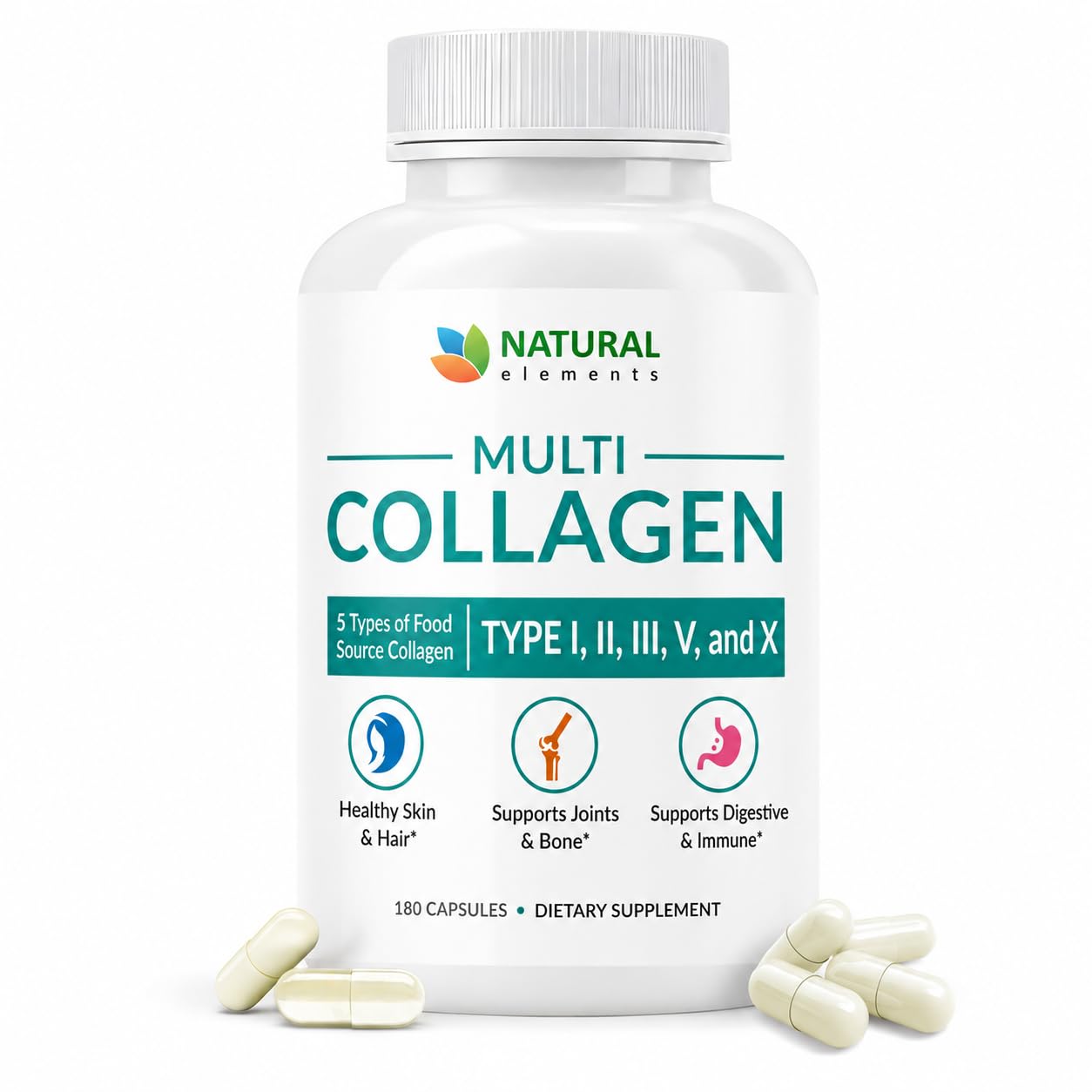

What the Best Collagen Tablets Are and Are Not
Collagen is a protein found in skin, tendons, and cartilage, and collagen tablets usually supply collagen peptides or related ingredients in tablet form. The body breaks down protein from food and supplements into building blocks, so a tablet does not travel intact to a specific joint or to the skin. Claims that a tablet targets one area directly should be treated with caution, since the body distributes nutrients more broadly.
Tablets differ from powders and liquids mainly in convenience and dose control. A tablet gives a fixed amount per pill, which suits people who prefer a simple routine, while powders allow flexible amounts but need mixing. Neither form is automatically better, and the right choice depends on whether you will actually take it regularly, whether you can swallow tablets comfortably, and whether the label fits your dietary needs.
Reading the Label Without Getting Misled
Start with the supplement facts panel, not the front of the bottle. Check the amount of collagen per serving, how many tablets make one serving, and what else is included, such as vitamin C, sweeteners, binders, or flavourings. A bottle that looks inexpensive per bottle can be costly per serving if the serving is three or four large tablets a day.
Look for the collagen source, such as bovine or marine, and check for allergen notes if you have fish, shellfish, or other sensitivities. Third party verification seals can add confidence, but they do not prove a product works for a specific outcome. Be wary of labels that promise dramatic results, use vague terms like premium blend without amounts, or hide the collagen amount behind a proprietary blend with no breakdown.
Form, Size, and Daily Routine Fit
Tablet size and count shape whether a routine lasts. Large tablets can be hard to swallow, and a routine that needs four tablets a day is easy to abandon. If swallowing is a problem, ask a pharmacist about smaller tablets or other forms, rather than forcing a routine that causes discomfort. A simple routine you keep for months matters more than a complex routine you abandon in a week.
Timing claims deserve a careful look. Some labels suggest taking collagen on an empty stomach or at a specific time of day, but general guidance is to follow the label and your own tolerance. If a tablet upsets your stomach, try taking it with food and talk with a pharmacist if the problem persists. Keep tablets in a cool, dry place, and check expiry dates, since old tablets can lose quality and become harder to use.
Diet, Budget, and Realistic Expectations
Collagen tablets are not a substitute for a varied diet, sleep, sun protection, or joint friendly movement. Protein from food, fruits and vegetables, and overall nutrition support the same tissues that collagen supplements claim to support. If your diet is already varied, a tablet may add little, and if your diet is limited, a broader conversation with a clinician about nutrition is more useful than a single supplement.
Budget matters because collagen tablets are a recurring cost. Compare cost per serving, not cost per bottle, and decide how long you are willing to try a product before judging it. Keep a simple note of what you hope to notice, such as skin comfort or joint comfort during daily activity, and review it after a set period. If you notice no change, stopping is a reasonable choice, and you should not feel obliged to continue because you already spent money.
Safety Notes and When to Ask a Professional
Supplements can interact with medicines, affect people with certain health conditions, and cause stomach upset or allergic reactions. Pregnant or breastfeeding people, people with kidney or liver conditions, people who take regular medicines, and people with fish or other allergies should talk with a clinician or pharmacist before starting collagen tablets. Bring the bottle or a photo of the label to that conversation, since the full ingredient list matters.
Stop and seek advice if you notice a rash, swelling, stomach pain that persists, or any symptom that worries you. Do not increase the dose beyond the label in the hope of faster results, since more is not always better with supplements. A clinician can help you weigh possible benefits against risks for your situation, and can suggest whether a different approach, such as diet changes or physical therapy for joint comfort, would suit you better.
Related Guides to Compare
For timing questions, the guide to best time to take collagen tablets covers when people usually take them, while best collagen supplement tablets looks at the wider supplement tablet range. The guide to best time to drink collagen tablets explains dissolved tablet routines, and best marine collagen tablets covers tablets made from marine sources for readers who prefer that option.
A Final Check Before You Decide
When you compare collagen tablets, also check how the product is stored and shipped, since heat and moisture during storage can affect tablet quality. A bottle with a tight seal, stored in a cool dry place at home, keeps tablets in better condition than a bottle left in a humid bathroom. Check the expiry date before buying in bulk, since a large bottle that expires before you finish it wastes money.
It also helps to decide in advance how you will judge results. Pick one or two simple observations, such as skin comfort or joint comfort during a regular activity, and note them weekly. Vague impressions are easy to misread, while a short written note over eight to twelve weeks gives a clearer picture. If you see no change, stopping is reasonable, and you can discuss other options with your clinician.
Frequently Asked Questions
Do collagen tablets work for skin and joints?
Research on collagen peptides shows mixed results, and benefits vary by person, dose, and study design. Some people report small improvements in skin or joint comfort, while others notice no change. Treat bold promises with caution, keep expectations modest, and judge a product by your own experience over a set period rather than by marketing claims alone.
How many tablets should I take each day?
Follow the label serving for the specific product you buy, since servings range from one tablet to several tablets a day. Do not exceed the label dose without professional advice. If the serving feels hard to manage, a different product with a simpler serving may suit you better than forcing a routine you will abandon.
Are marine collagen tablets different from bovine tablets?
Marine collagen usually comes from fish skin and scales, while bovine collagen comes from cattle. The source matters most for allergies, diet preferences, and religious or ethical reasons, rather than as a guarantee of better results. Check allergen labels carefully if you have fish allergies, and choose the source that fits your diet and tolerance.
Can I take collagen tablets with other supplements?
Many people take several supplements, but combinations can interact or duplicate ingredients such as vitamin C or other additives. Show a clinician or pharmacist the full list of products you take, including the label details, before adding a new tablet. This step is especially important if you take prescription medicines or have a health condition.
When should I stop taking collagen tablets?
Stop and seek advice if you develop a rash, swelling, persistent stomach pain, or any worrying symptom. Also reconsider use if you notice no benefit after a reasonable trial period, if the cost becomes a burden, or if your health situation changes. A clinician can help you decide whether to continue, switch, or stop.
Final Thoughts
Choosing collagen tablets is mostly about label honesty, routine fit, and realistic expectations. Compare cost per serving, check the source and added ingredients, and choose a tablet size and schedule you can keep. The product table above can help you compare tablet types side by side.
Talk with your clinician or pharmacist before you start, especially if you take medicines or have a health condition, and stop if you notice worrying symptoms. The right best collagen tablets for you are the ones that fit your diet, your budget, and your health situation, not the ones with the boldest claims.


