
Best City Snow Boots by Budget for 2026
Disclosure: We may earn a commission when you buy through links on this page, at no extra cost to you. As an Amazon Associate I earn from qualifying purchases. Learn more

See what the best city snow boots offer at each price tier, which upgrades matter for slush, salt, and icy sidewalks, and which extras you can skip.
City winter walking is its own problem: cleared pavement one block, ankle deep slush at the curb, then a polished station floor that punishes the wrong outsole. Prices for the best city snow boots run from under $50 to well past $250, and the gap is not just branding. This budget guide shows what each tier actually delivers, so you can spend on warmth and grip instead of decoration.
Scan the comparison table below for the price bands, then read on for the trade offs that decide whether a pair earns its place by your door.
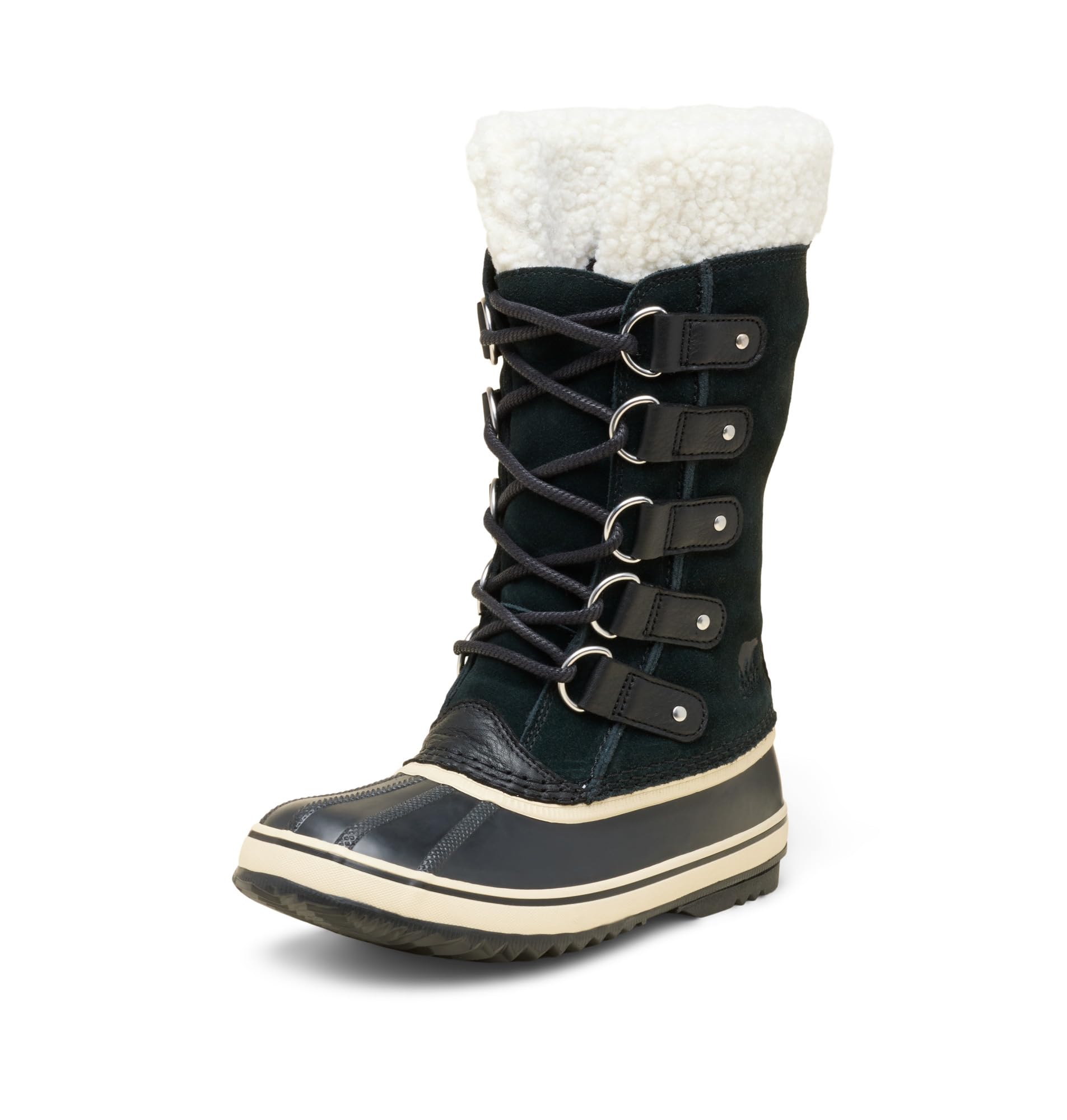

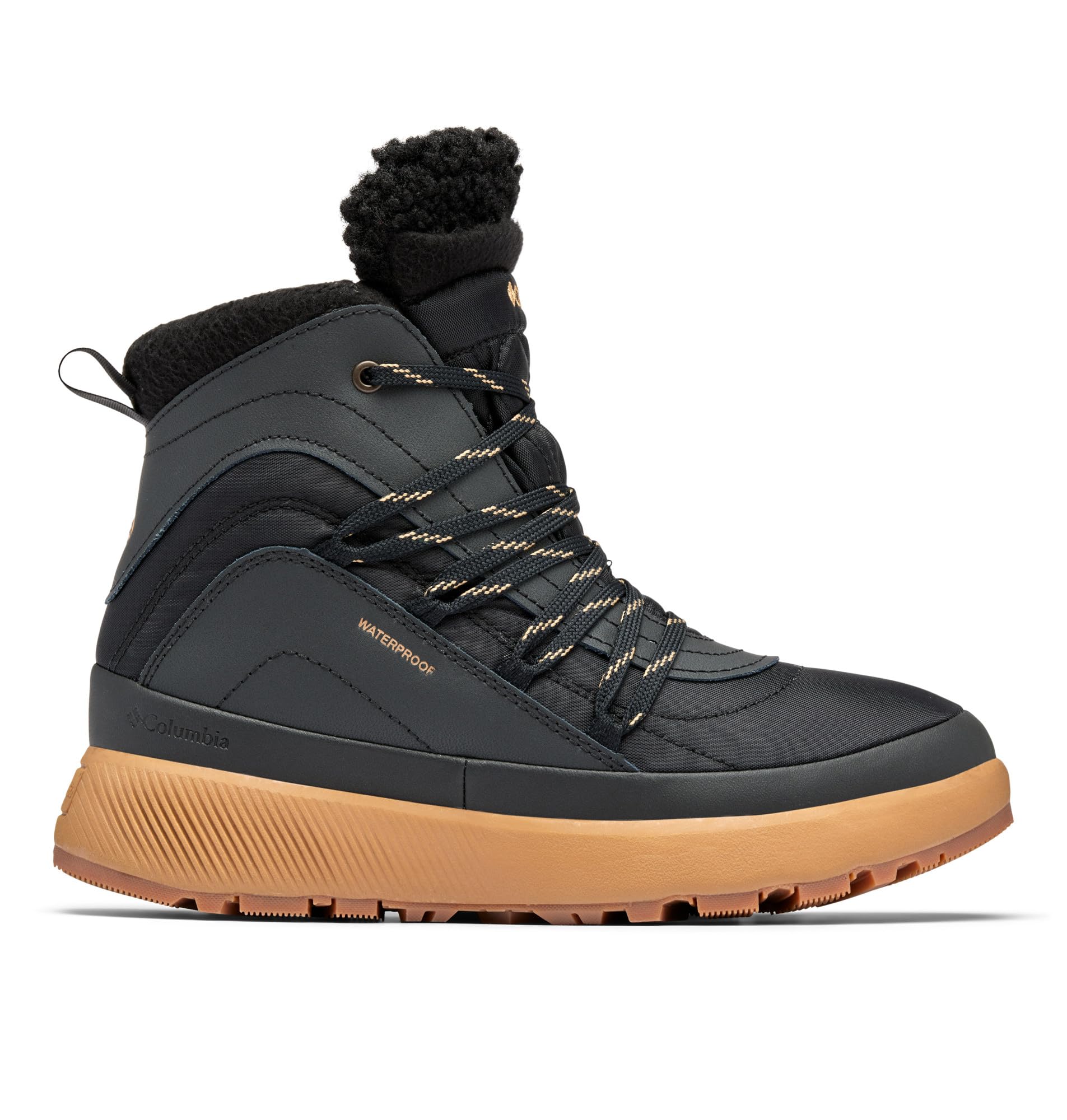
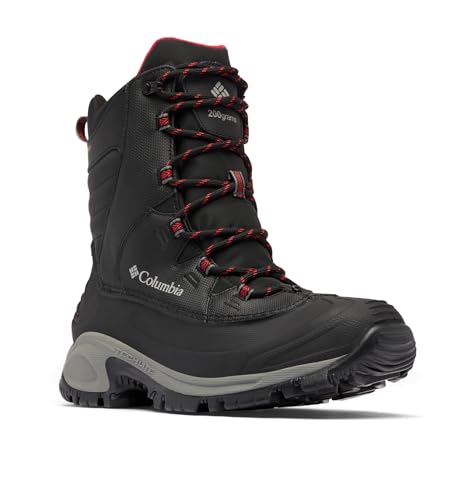


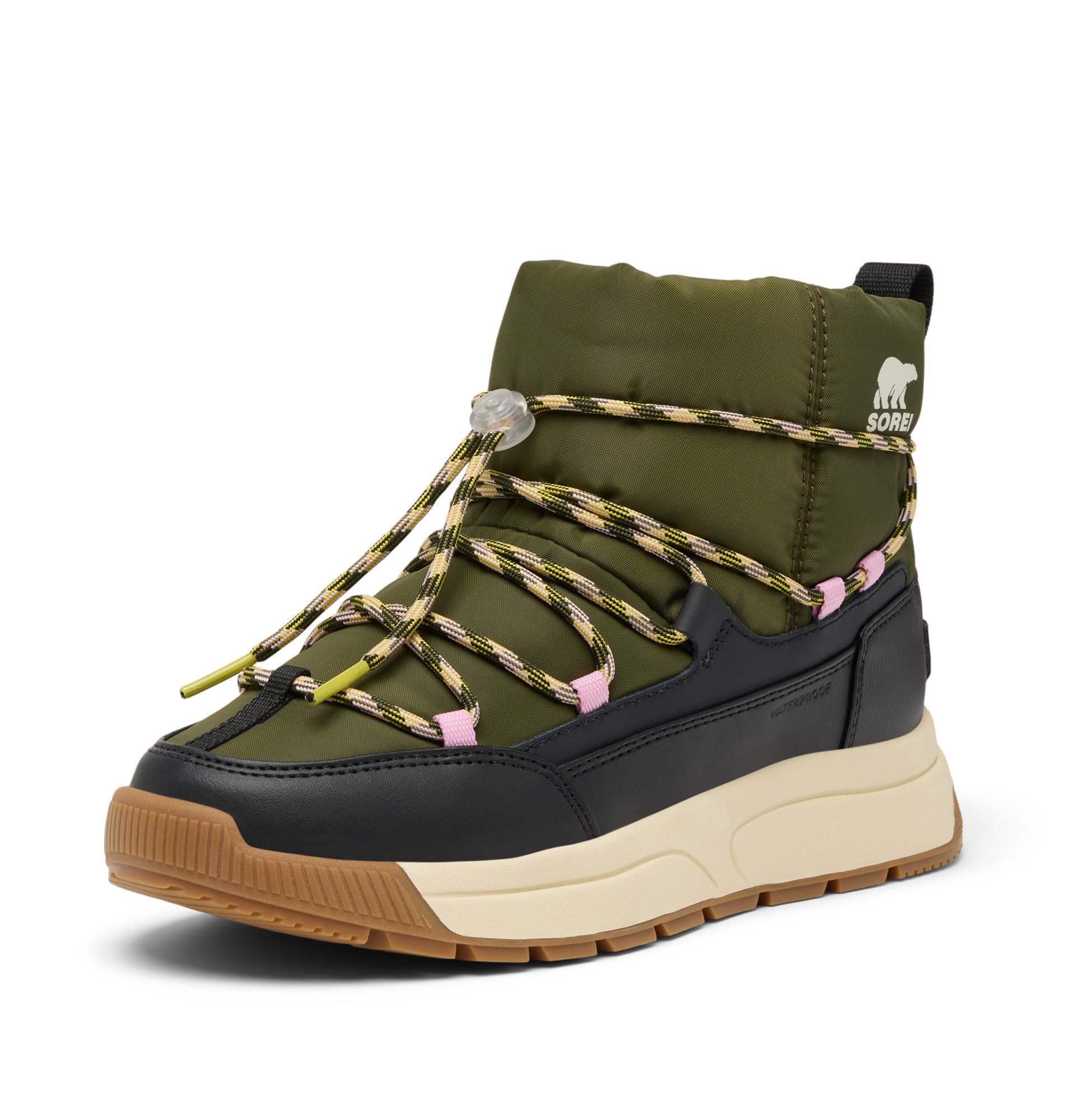
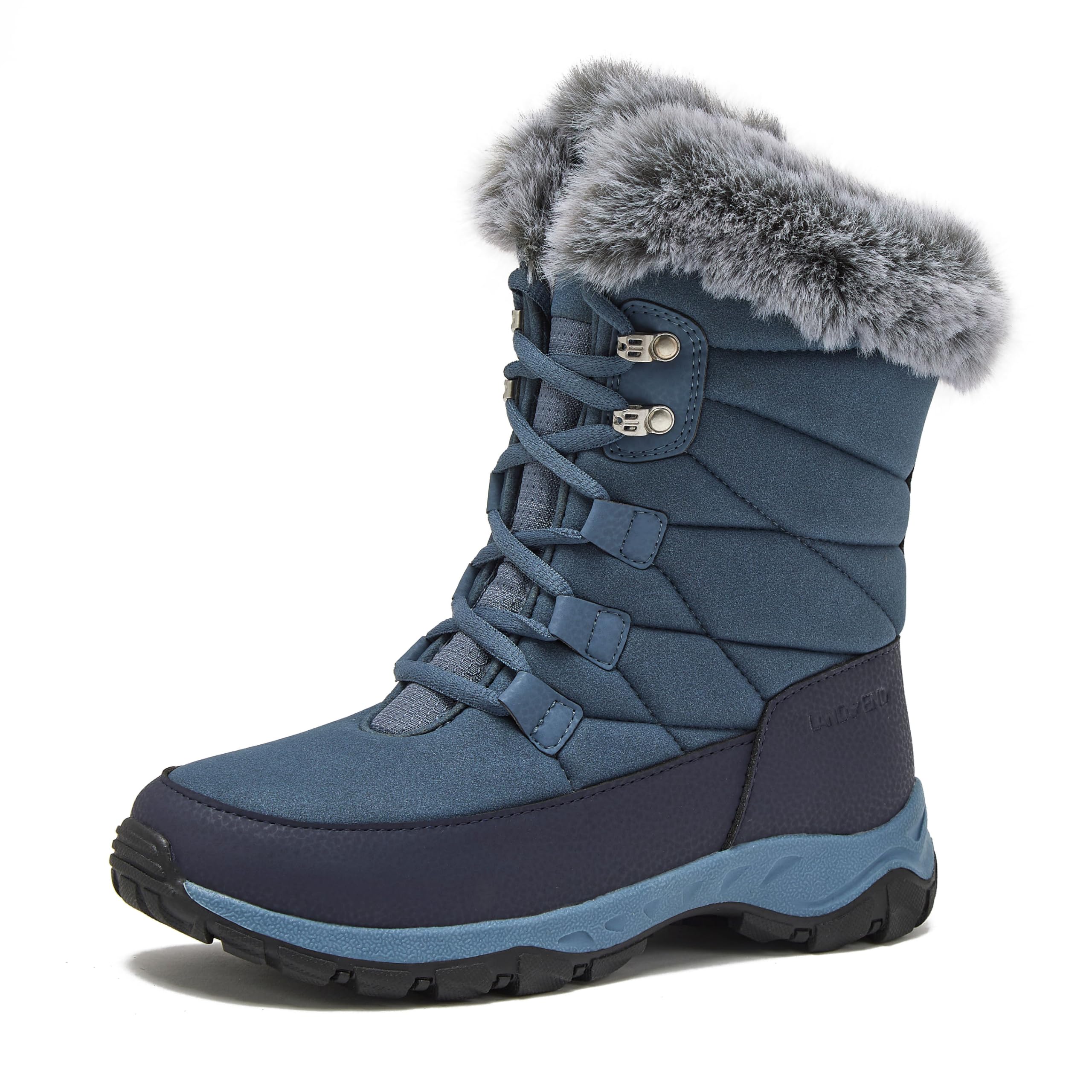
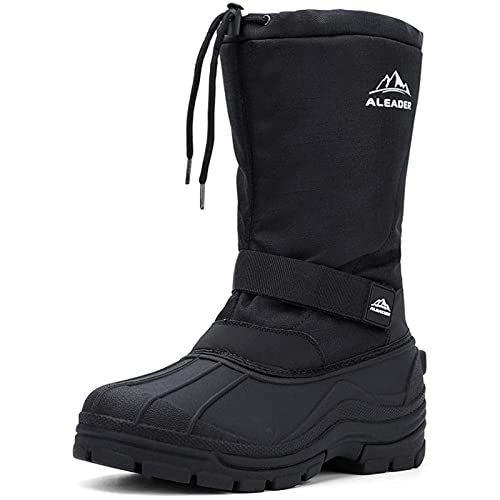


What Your Money Gets You at Each Price Tier
Spending About $50 to $90: The Essentials
Budget pairs cover the basics: a waterproof shell or treated upper, light insulation, and a lugged rubber outsole. They handle short walks, school runs, and occasional storms well. Expect thinner linings, simpler closures, and soles that wear faster on daily pavement. For a second pair kept at the office or for a mild winter city, this tier is a sensible spend.
Spending About $90 to $160: Where Daily Commuters Land
The middle band adds sealed seams, warmer insulation, better arch support, and outsoles shaped for mixed ice and slush. Hardware improves too, with sturdier eyelets and zips that survive daily use. Most full season city walkers should shop for the best city snow boots here first, since the comfort gains over budget pairs show up within a week of commuting. Readers focused only on walking routes can compare the best snow boots for city walking for mileage oriented picks within these tiers.
Spending About $160 to $300: Built for Harsh Winters
Premium city boots bring full grain leather or advanced synthetic uppers, high insulation ratings, and replaceable or long wearing outsoles. Fit options widen as well, with more half sizes and widths. The extra money pays off when winters are long, wind is constant, and one pair must last several seasons. In milder cities, much of this tier is more boot than the sidewalk demands.
Features Worth Paying For (and Ones to Skip)
Waterproofing and Sealed Seams
Slush puddles at crosswalks are the true trial of a city boot, and they attack seams and zips first. A waterproof membrane with sealed seams keeps meltwater out far better than a sprayed coating, which wears off. This upgrade is worth paying for in the midrange tier and up. In very cold, dry cities, waterproofing matters less than insulation, so rank it below warmth there.
Insulation and Warmth Ratings
Insulation is usually described by weight, such as 200 or 400 grams, and more is not always better. Standing on a platform in wind calls for more insulation than walking briskly, because moving feet generate heat. Ratings are comfort guidance, not a promise, and no boot can guarantee warm feet or prevent cold injury in extreme weather. Choose the rating for your coldest routine wait, not your coldest possible day.
Traction on Ice, Slush, and Smooth Floors
Deep lugs shed slush, but grip on glare ice comes from rubber compound and tread pattern, not lug depth alone. Look for wide, varied lugs and a compound that stays flexible in the cold. Even the best tread cannot promise you will never slip, so shorten your stride on ice regardless of the boot. Commuters crossing metal grates and tile should favor flatter contact areas over aggressive mountain style lugs.
Fit, Sizing, and Toe Box
Try boots late in the day, when feet are slightly swollen, and wear the socks you will actually use. Thick winter socks often mean going up half a size, and a roomy toe box lets toes move, which helps warmth. Heel lift inside the boot causes blisters on long walks, so the heel should feel held while the toes stay free. Anyone unsure of the basics can start from the broader guide to the best snow boots before narrowing to city models.
Weight, Flex, and the Extras to Skip
A heavy boot tires legs on a long commute, while a very soft boot can feel unstable on uneven ice. Midweight pairs with a flex point at the ball of the foot suit most city use. Skip paying extra for decorative faux fur trim, fashion heels, and extreme temperature ratings meant for arctic work if your winter is sidewalks and stations. Spend that money on fit and tread instead.
Closures and Daily Convenience
Closure style decides how a boot fits into a rushed morning. Laces give the most adjustable fit and hold the heel best on long walks, but they are slow with gloves on. Side zips and pull on styles trade some adjustability for speed, which matters when a train is coming. Check that a zip has a storm flap behind it, since an exposed zip is a common leak point in slush. Glove friendly pull loops at the heel look minor in the store and feel essential by January.
Long Term Costs to Factor In
The purchase price is only part of the cost. Salt eats leather and stitching, so a protector spray at about $10 to $15 and regular rinsing extend a pair well beyond one season. Insoles wear out before uppers do, and replacements at about $15 to $30 restore comfort cheaply. Resoleable premium boots cost more to repair but can outlast two midrange pairs. Warranty terms vary widely, so keep the receipt and check coverage before the first storm, not after a seam fails.
City Snow Boots: Your Questions Answered
How often should city snow boots be replaced?
Most daily wear pairs last about two to four winters before the tread smooths or the lining packs down. Check the outsole each fall: once the lugs at the heel and ball look flat, grip on ice drops sharply. Waterproofing failure is the other common end point, since wet feet on a commute cannot be fixed with thicker socks. Occasional wear pairs can last far longer in storage.
Can city snow boots be worn all day indoors?
They can, but heavily insulated pairs often feel hot and stiff during a full day at a desk. Many commuters keep indoor shoes at work and treat the boots as transport, which also keeps meltwater off office floors. If you plan to stay in them, choose the lower insulation rating and a breathable lining. Your feet will thank you by the afternoon either way.
Are expensive city snow boots worth the money?
They are worth it when one pair must handle a long, cold season of daily walking, because better materials and fit hold up under that use. For short walks in a mild winter city, the premium tier mostly buys capacity you will never use. A useful measure is your weekly winter mileage: high mileage justifies the spend, low mileage does not. Fit still matters more than price at every tier.
How long is the break in period for city snow boots?
Most modern pairs need only a few short outings, roughly a week of normal walks, before the upper and insole settle to your foot. Stiff leather models can take two to three weeks. Wear new boots on short errands first rather than a full commute, and address any rubbing spot early with thicker socks or a fit adjustment. Pain that keeps returning is a fit problem, not a break in problem, so see a doctor if it persists.
Do city snow boots need to be waterproof?
In slushy cities, yes, because curb puddles soak untreated uppers in seconds and stay wet all day. In cold, dry cities where snow stays powdery, water resistance plus strong insulation can be enough. Zips and lace eyelets are the usual leak points, so check how they are shielded. Travelers comparing deep snow destinations, such as the best snow boots for new york city, face the same slush math and should rank waterproofing high.
The Bottom Line
Decide your tier by weekly mileage and winter severity, then put fit, sealed waterproofing, and cold friendly tread ahead of looks. The product table above lines up the best city snow boots by price so you can match a pair to your commute. Buy for the sidewalk you actually walk, and the boots will earn their cost every storm.


