
Best Boots for City Walking: A Complete Buying Guide for 2026
Disclosure: We may earn a commission when you buy through links on this page, at no extra cost to you. As an Amazon Associate I earn from qualifying purchases. Learn more

Compare the best boots for city walking by fit, cushioning, grip, and weight, with clear sizing, waterproofing, and care guidance for daily miles.
City miles add up quietly. A commute on foot, a lunch walk, errands after work, and a weekend of exploring can pass ten thousand steps on concrete, brick, tile, and asphalt. Pavement is flat but unforgiving, and a boot built for rough trails often feels stiff and heavy on sidewalks. Choosing the best boots for city walking means matching cushioning, grip, and fit to hard surfaces and long days, and the comparison table below lays out the key specs side by side.
This guide explains what actually matters on pavement, from outsole grip on wet crosswalks to toe box room for feet that swell by evening, plus guidance on sizing, weight, waterproofing, and care.


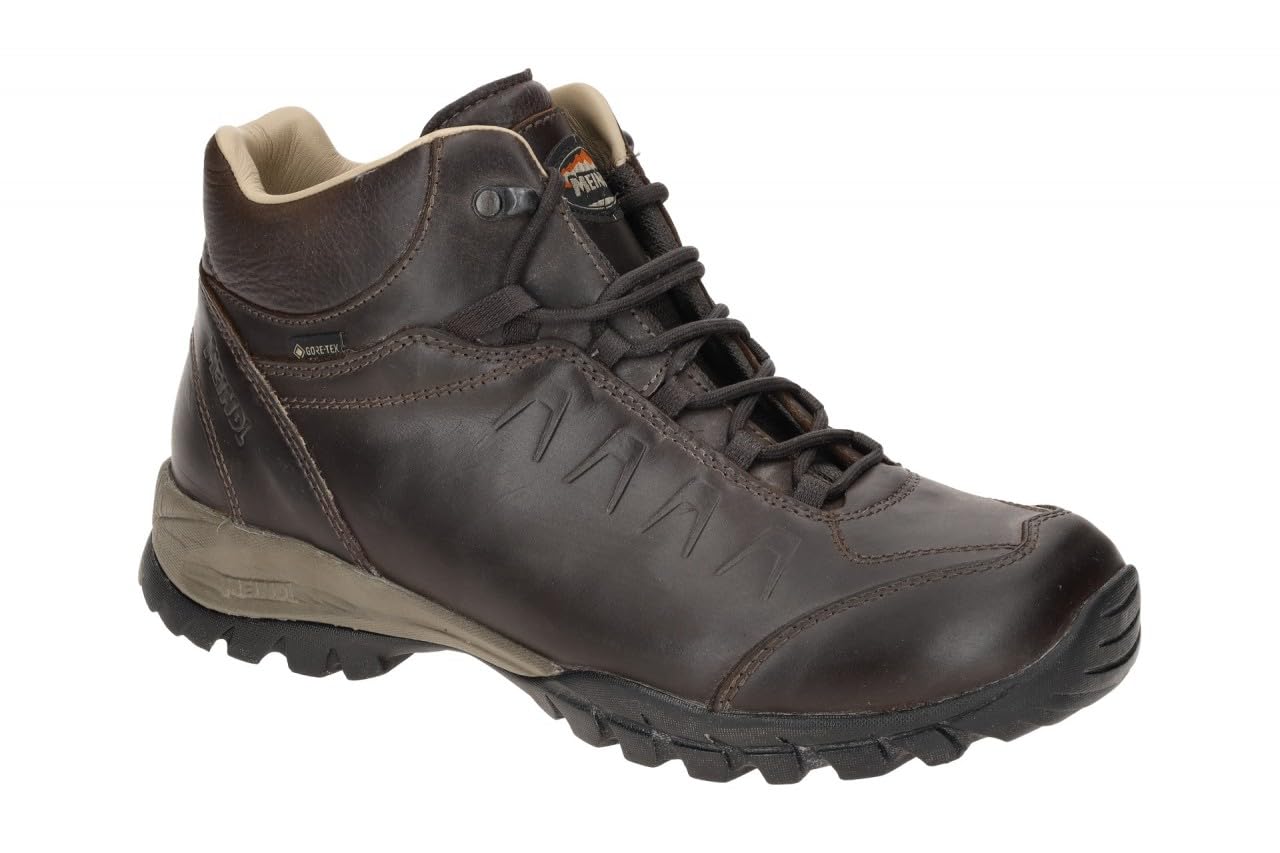


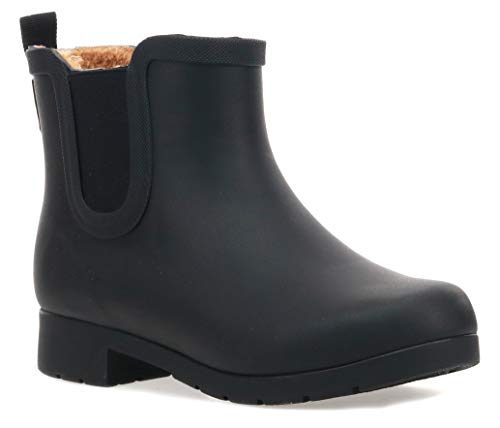
Who Should Buy City Walking Boots?
Boots earn their place in the city when you want ankle coverage, weather protection, or a polished look that a sneaker cannot give. If your routes are short and the weather stays mild, a lighter shoe may suit you better, and you can see our guide to the best walking shoes for that option. The three groups below gain the most from a boot built for pavement.
Daily Commuters Who Walk to Work
You cover one to three miles each way, often in clothes that need to look tidy at the office. A city boot in smooth leather pairs with trousers in a way a trail boot never will. Prioritize a cushioned midsole for concrete, a rubber outsole that grips wet stone and painted crosswalks, and a padded collar, because ankle rubbing on a rushed morning walk can turn a short commute into a sore day.
Travelers Exploring a City on Foot
Sightseeing days can mean six to ten miles over cobblestones, museum floors, and subway stairs, often in one pair of shoes that must work with every outfit you packed. Choose a neutral color, moderate cushioning, and an upper that handles a surprise rain shower. Pack a pair you have already broken in, never a brand new pair. For hot weather trips where closed boots feel stifling, see our guide to the best sandals for city walking for open options with real support.
Workers on Their Feet All Day
Retail staff, couriers, security guards, and market vendors mix walking with long stretches of standing on tile and concrete. For you, cushioning that stays supportive late in a shift matters more than a soft feel in the store. Look for a firm heel counter, a replaceable insole, a slip resistant tread pattern, and a roomy toe box for feet that swell during double shifts.
How to Choose: A Buying Guide for City Walking Boots
The product table above is a useful starting point, but specs only help when you know how each one feels on pavement. Work through the factors below in order, because fit comes first, then cushioning and grip, then weather protection.
Features That Matter for City Walking
Pavement returns more impact to your legs than dirt or grass, so midsole cushioning does real work with every step. Foam that feels soft at first touch but packs down fast is a poor bargain, so favor midsoles described as responsive or resilient. The outsole should use a grippy rubber compound with many small edges rather than deep trail lugs, which feel squirmy on smooth stone. A heel to toe drop of about 4 to 10 mm suits most walkers, with lower drops feeling more natural and higher drops easing strain on tight calves. When you compare the best boots for city walking side by side, these specs predict comfort better than styling does.
Fit, Sizing, and Toe Box
Measure and try on boots late in the day, when your feet are at their largest. You want about a thumb width of space ahead of your longest toe, because feet lengthen slightly under load during long walks. The toe box should let your toes lie flat and spread, not taper into a point that squeezes them together. Your heel should stay seated with minimal lift, since heel slip causes blisters. Sizes vary between brands, so check the size chart against your foot length in centimeters, and consider a wide width if standard pairs pinch the forefoot.
Weight and Flexibility
Every extra ounce rides on your feet thousands of times a day, so weight compounds quickly on city routes. Many comfortable city boots weigh about one to one and a half pounds per boot, and pairs built like lightweight shoes feel noticeably fresher by mile five. A good city boot bends at the ball of the foot where your foot naturally bends, while the midfoot stays stable when you twist it gently by hand. Very stiff soles belong on mountain trails and usually feel clumsy and tiring on flat pavement.
Durability and Expected Lifespan
For daily walkers, a realistic lifespan is about 300 to 500 miles before the midsole loses its spring, even when the upper still looks fine. Pavement abrasion wears outsoles fastest at the heel and under the ball of the foot, so check those zones monthly. Full grain leather uppers generally outlast thin synthetic ones, and stitched soles on some styles can be resoled by a cobbler. A commuter walking three miles a day can reach the end of a midsole life in well under a year.
Break In Period and Comfort Out of the Box
Soft uppers of fabric or supple leather often feel good within a few short walks, while stiff full grain leather boots may need two to three weeks of gradual wear. Start with walks of twenty to thirty minutes, then add distance every few days. Mild stiffness is normal, but sharp rubbing, numb toes, or pain that changes how you walk are signs of a poor fit rather than a pair that needs more time.
Arch Support and Foot Type
Feet with low arches tend to roll inward as they tire, a pattern called overpronation, and they usually do best with firmer arch support and a stable heel. High arches absorb less shock on their own and often prefer more cushioning underfoot. If your shoes wear evenly, a neutral design with moderate support is the sensible starting point. Removable insoles let you add aftermarket support if the stock insole feels thin. Persistent foot pain, numbness, or swelling that does not fade overnight is a sign to talk with a clinician or podiatrist rather than shopping for a different boot.
Waterproofing and Wet Weather
A waterproof membrane such as Gore Tex keeps rain and puddle splash out, which matters for commuters who cannot choose their weather. The trade off is airflow, because membranes make a boot less breathable and slower to dry once water gets in over the collar. For light drizzle, water resistant leather is often enough and feels cooler. For steady downpour, a dedicated rubber boot handles standing water better, and you can see our guide to the best rain boots for city walking for that style.
Cold slush asks for more than waterproofing alone. Insulation, a taller shaft, and a tread that bites into packed snow make a true winter tool, and our guide to the best winter boots for city walking covers those colder demands in depth.
Types of City Walking Boots
Most city boots fall into three support styles, and knowing which one matches your feet narrows the field quickly. Deep snow is a separate job, and if your winters bring regular storms, see our guide to the best snow boots for city walking for taller insulated options.
Neutral Boots
Neutral shoes and boots provide cushioning without corrective support features, letting your foot move in its natural pattern. They suit walkers whose ankles stay upright and whose old shoes wear evenly across the heel. Neutral models often feel lighter and more flexible, and they pair well with custom insoles.
Lightweight Boots
Lightweight boots trim bulk with fabric or mesh uppers, thinner midsoles, and minimal hardware. They feel closer to trainers than to traditional boots, which makes them a favorite for travel and warm climates. The compromise is protection and lifespan, since thin uppers scuff more easily and lighter foams pack down sooner under daily mileage.
Stability and Support Boots
Stability designs add firmer foam or a supportive post on the inner side of the midsole to slow inward rolling of the foot. They help walkers with low arches who finish long days with tired ankles or sore knees. They weigh a little more than neutral models, and walkers who do not overpronate may find the firm inner edge intrusive, so careful fit testing matters most here.
Tips to Get the Most From Your Boots
A few simple habits extend both comfort and lifespan.
- Rotate two pairs. Alternating pairs gives the midsole foam a full day to recover its shape, which keeps cushioning consistent and extends the life of each pair.
- Air dry away from heat. Wet boots should dry at room temperature with insoles removed, because radiators and direct heat can crack leather and warp adhesives.
- Lace for the job. Snug lacing through the top eyelets locks the heel on downhill streets, while looser forefoot lacing gives swollen evening feet room.
- Clean off salt and grit. Winter salt dries out leather and corrodes eyelets, so wipe boots down after slushy walks.
- Refresh the insole first. A worn insole is often the real reason an older boot feels flat, and replacing it costs far less than a new pair.
Leather uppers benefit from conditioner applied every few months in thin coats. Suede and nubuck need a soft brush instead, plus a protective spray renewed each wet season. Store boots upright with shoe trees inside so the toe box keeps its shape.
Common Mistakes to Avoid
- Buying for looks alone leaves you with a tapered toe box that squeezes your toes on every long walk.
- Sizing up to fix a narrow fit creates heel slip, and that friction turns into blisters within a few miles.
- Wearing brand new boots on a travel day risks blisters that can spoil the rest of your trip.
- Choosing deep trail lugs for pavement makes the boot feel unstable on wet tile and wears the lugs down fast.
- Keeping one pair in daily service without rest days crushes the midsole foam and shortens the life of the boot.
Frequently Asked Questions
What features matter most in boots for city walking?
Cushioning, grip, and fit matter most once a boot fits well. A resilient midsole absorbs the repeated impact of concrete, a rubber outsole with many small edges holds on wet stone and tile, and a roomy toe box prevents end of day soreness. Shoppers often overlook collar padding, which decides whether the ankle bone rubs raw on longer routes.
How often should you replace boots for city walking?
Replace them when the cushioning feels dead rather than by a set date, because a midsole can be worn out while the upper still appears new. If a familiar route now leaves your joints achy, or the heel tread has worn smooth on one side, the pair has done its work. Keeping a simple note of your weekly mileage in a phone app helps you spot the decline before soreness does.
How long is the break in period for new city walking boots?
Most city walking boots settle in within one to three weeks of short, gradually longer walks. Soft fabric uppers may need only a few outings, while stiff leather takes the longest. A useful test is a staircase at a station or office, since stairs reveal heel slip and toe crowding faster than flat ground. If pain appears in the same spot on three separate walks, exchange the pair instead of hoping it will stretch.
Can you wear city walking boots all day?
Yes, a well fitted pair with real cushioning can carry you through a full day of mixed walking and standing. The key detail is what happens after hour six, when feet have swollen and foam has warmed and softened slightly. Boots with a removable insole handle this best, because you can add a thin cushioned insert for the evening. A plain leather pair in black or dark brown also passes in most offices.
Are expensive city walking boots worth the money?
They can be, when the higher price buys better foam, sturdier leather, and construction a cobbler can repair. Many solid city boots cost under $250, while pairs under $100 usually give up either outsole rubber quality or upper materials. Paying more mainly makes sense if you walk daily, because the cost per mile drops fast at high mileage. Weekend walkers often get full value from a mid priced pair and careful attention to fit.
Do you need waterproof boots for city walking?
You need them only if you regularly walk through rain, slush, or puddled streets and cannot change shoes at your destination. In mostly dry climates, a breathable upper will feel better for far more days of the year. One middle path is a waterproof pair for the wet season and a breathable pair for summer, rotated as the weather turns. Waterproofing also slows drying, so a soaked pair may still be damp the next morning.
Final Thoughts
Start with fit, then weigh cushioning and grip against the weather you actually walk in, and let styling come last. The product table above pulls the leading options into one view so you can compare weights, drops, and materials at a glance. Choose the best boots for city walking for your routes and your feet, break them in gradually, and they will carry you through thousands of city blocks. Prices and availability can change, so check the product page before ordering.


