Best Beach Sandals: How to Choose Grip, Support and Fit for 2026
Disclosure: We may earn a commission when you buy through links on this page, at no extra cost to you. As an Amazon Associate I earn from qualifying purchases. Learn more

Best beach sandals compared by grip, footbed support, straps and drying speed, with types and care tips for every kind of beach day.
A beach sandal has a harder job than an ordinary summer sandal. It meets hot sand, salt water, wet decks and a long walk back to the car, often in the same afternoon. The best beach sandals grip when wet, dry fast, stay on your foot in the surf and feel comfortable from the first step. This guide explains what to check so you can read the product table below with clear priorities.
Think about your typical beach day before you look at styles. A short stroll from the hotel, a full day of wading and a long boardwalk walk each reward different features.


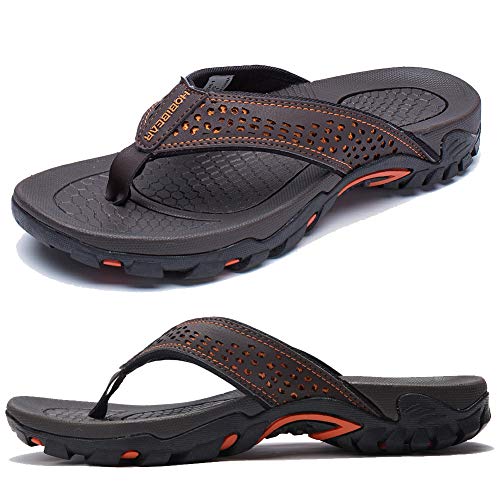


Who Should Buy Which Beach Sandals
Casual Beachgoers Who Mostly Sit and Swim
A simple flip flop or slide with a cushioned footbed is enough. Choose soft straps that do not rub between the toes, a sole thick enough to block hot sand, and a design you can rinse clean in seconds.
Walkers Who Cover Real Distance
Long shoreline and boardwalk walks call for a sport or supportive sandal with an adjustable heel strap, a contoured footbed and a durable rubber sole. Our guide to the best sandals for beach walking goes deeper on stride friendly shapes.
Waders, Boaters and Rock Pool Explorers
If your feet spend hours in water or on slippery surfaces, pick a water sandal with a secure heel strap and a lugged outsole. For the wettest use, see our guide to the best waterproof beach sandals.
Key Features to Compare
Traction on Wet Surfaces
Look at the sole before the straps. Smooth foam slides skid on wet tile, boat decks and algae covered rock, while rubber outsoles with siping (thin slits that open as you step) or shallow lugs grip far better. Match the tread to the slipperiest surface on your usual route, not the easiest.
Footbed Shape and Cushioning
A gently contoured footbed spreads pressure over the whole foot, while a flat slab of foam tires the foot on hard boardwalks. Firm, resilient foam holds its shape longer than very soft foam, which can compress flat within a season of heavy use.
Straps and Fit
Adjustable straps over the midfoot and heel keep the sandal in place when a wave pulls at it. Your heel should sit fully on the footbed, your toes should not hang over the front edge, and nothing should rub when the strap is wet. Try sandals late in the day when feet are largest from heat.
Materials and Drying Speed
Rubber, EVA foam and synthetic webbing rinse clean and dry within an hour in sun and breeze. Leather looks smart but absorbs water, darkens and stiffens as it dries, so keep leather pairs for dry sand and town days.
Weight and Packability
Light sandals are easier to walk in on soft sand and pack flat in a tote. Very thin soles, however, pass hot pavement and sharp shells straight to the foot, so balance weight against protection.
Types of Beach Sandals Compared
| Type | Best For | Strength | Trade Off |
|---|---|---|---|
| Flip flops | Short walks and pool decks | Light, cheap, easy to pack | Little support, toe gripping on long walks |
| Slides | Quick trips from towel to water | Easy on and off, cushioned | Can slip off in water or on slopes |
| Sport sandals | Walking, wading and rough ground | Adjustable fit, grippy soles | Heavier and slower to dry |
| Supportive arch sandals | Long days on your feet | Contoured footbed, firm heel cup | Higher price, needs a short break in |
Most people are well served by a sport or supportive sandal for active days and a simple slide for relaxing ones. If you shop for women's styles in particular, our guide to the best beach sandals women's focuses on fit differences and strap placement.
What Your Money Buys
Basic flip flops and slides cost about $10 to $25 and suit occasional trips. Pairs in the $25 to $60 range usually add better foam, stronger strap anchors and real tread, which is where most regular beachgoers should shop. Above that, you pay for denser footbeds, adjustable multi point straps and longer wear, which makes sense if you walk the shore weekly.
Choosing Sandals for Different Beaches
Soft, deep sand favors light sandals with secure straps, because heavy pairs tire the legs quickly and loose ones fill with grit. Pebbly or rocky shores need thicker soles and a heel strap, since sharp stones press through thin foam and a wave can pull a slide off. Boardwalk heavy beaches reward strong wet grip, because painted wood and tile are slippery when damp.
If you visit varied beaches, choose a versatile sport style with moderate cushioning, a grippy rubber outsole and a heel strap, and keep a cheap slide for the sand. One well chosen pair usually serves better than a drawer of novelty styles.
Common Mistakes to Avoid
- Buying on looks alone and ignoring the outsole leaves you sliding on wet surfaces.
- Choosing a size by your shoe size without checking the brand chart gives a pair that rubs or slips off.
- Wearing leather straps in water makes them stiffen and crack after repeated soaking.
- Wearing a brand new pair on a long first walk finds the rub points the hard way.
- Ignoring return terms on a pair you plan to wear daily leaves you stuck with a poor fit.
Care and Maintenance
Rinse sandals in fresh water after beach days to clear salt, sand and sunscreen, which break down foam and straps. Dry them in shade, because a hot car or direct heat can warp the soles. Brush grit out of the tread and the strap joints before storing them flat.
Rotate two pairs if you wear sandals daily so each pair can dry and recover. Retire a pair when the tread smooths out, the footbed stays flat after rest or straps stretch loose.
FAQ
How should beach sandals fit?
Your whole foot should rest on the footbed with a small margin at the heel and toes, and the straps should hold the sandal securely without squeezing. If you have to curl your toes to keep it on, the style or size is wrong.
Are flip flops a good choice for the beach?
They are fine for short walks and pool decks, but they offer little support and make your toes grip with every step. For longer walks, choose a sandal with a heel strap and a contoured footbed.
Do I need waterproof sandals?
You need water friendly materials rather than a waterproof label. Rubber, EVA foam and synthetic straps shed water and dry quickly, which is exactly what beach use demands.
How long do beach sandals last?
A decent pair lasts one to three seasons depending on use. Foam that stays compressed, smooth tread and stretched straps all mean it is time for a new pair.
Can I wear beach sandals all day?
Supportive sport styles handle a full day that mixes sitting and walking. Thin flat styles tire the feet after a few hours on pavement, so build up wear time with any new pair. If you have ongoing foot pain, ask a clinician which kind of footwear suits you. For a trip that mixes beach and town, see our guide to the best sandals for beach vacation.
Final Thoughts
Check traction first, then footbed support and strap fit, and let price follow how often you will wear them. Use the product table above to compare styles against your own beach routine.
The best beach sandals are the ones you stop noticing: they grip on wet ground, dry before the drive home and stay comfortable from the first step to the last.