
Best City Boots for Winter: A Practical Checklist for 2026
Disclosure: We may earn a commission when you buy through links on this page, at no extra cost to you. As an Amazon Associate I earn from qualifying purchases. Learn more

Choose the best city boots for winter with a clear checklist for waterproofing, traction, fit and warmth on daily streets, commutes, slush and heated offices.
City winter asks a lot from one pair of boots. You cross slushy corners, wait on cold platforms, climb wet stairs, and then sit in a heated office. The best city boots for winter handle all of that without feeling stiff on flat pavement.
This guide uses a simple checklist instead of hype. You will check traction, waterproofing, fit, warmth, and support in a clear order, then match those points to your commute. Start with the comparison table below, then judge each pair with confidence.


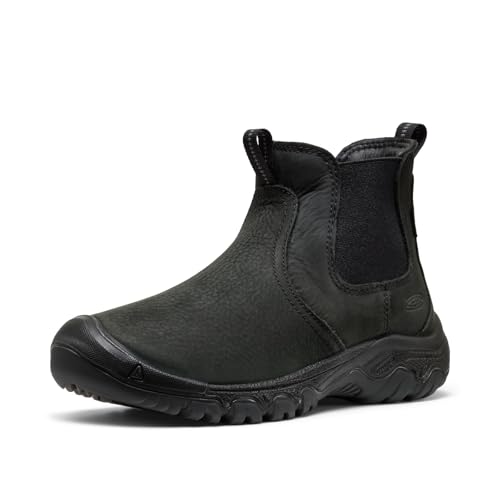
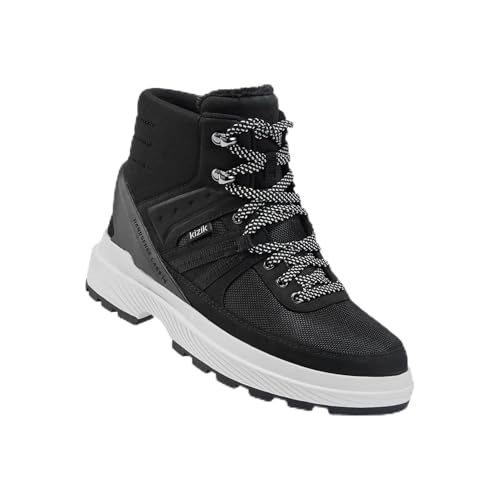

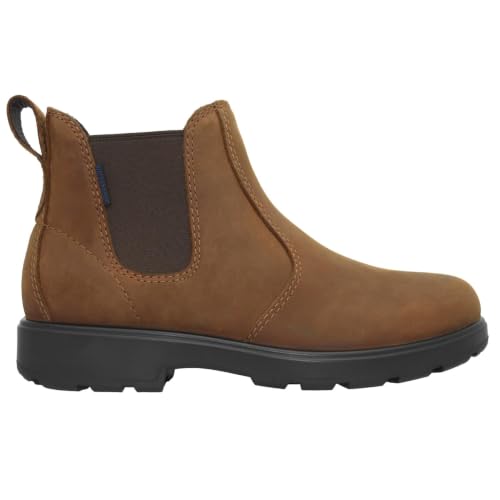

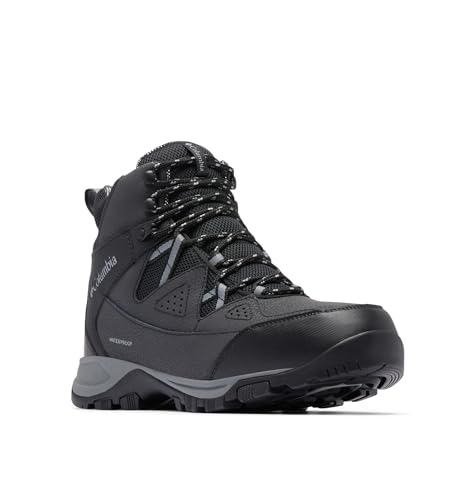

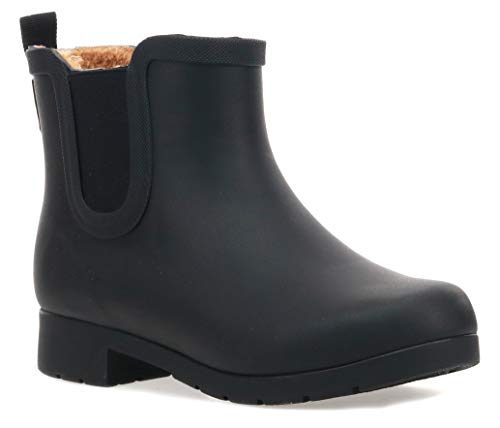
Key Features to Compare for City Boots
The best city boots for winter differ from deep snow boots in one key way. Most of your miles are on plowed sidewalks, wet tile, and salted asphalt, not in fresh powder. That means a flexible sole, steady grip on slick ground, and warmth that still feels fine indoors matter more than height or heavy lugs.
If your winter includes rural driveways or regular deep snow, your needs shift toward taller and heavier designs. In that case, see our guide to the best winter boots, and keep this checklist for your city pairs.
Features That Matter for Winter Streets
Traction starts with the outsole. Look for soft rubber that stays flexible in cold air, plus many small edges and shallow channels that push slush and water away from the sole. Very deep lugs can feel clumsy on tile, so a moderate tread pattern usually suits pavement better.
Warmth comes from insulation and from dry feet, not from bulk alone. Light insulation suits active walkers and heated transit, while heavier insulation suits long waits outdoors. Treat brand temperature guidance as a rough guide, since your socks and activity level change the result.
Fit, Sizing, and Toe Box
Measure your feet late in the day, when they are at their largest, and wear the socks you plan to use all winter. Your heel should stay put when you walk, while your toes need room to spread without pressing the front on a gentle slope. A roomy toe box helps here and leaves space for warmer socks.
Try both boots, walk on a hard floor, and climb a few stairs before you decide. Fit the larger foot first, since feet often differ a little in length. Readers comparing women's fits, which often run narrower through the heel, can also see our guide to the best women's winter boots for city walking for walking focused fit notes.
Waterproofing and Membranes
True waterproof boots use a membrane inside the upper plus sealed seams, so meltwater stays out when you step into a puddle or stand in slush. A water resistant coating is different. It sheds light spray and brief rain, but it can soak through during a long wet commute.
Coverage matters too. Water enters over the top when the shaft sits low, so note the shaft height before you buy. Waterproof layers also hold heat and moisture in, which brings a tradeoff with breathability.
Upper Materials and Breathability
Full grain leather resists scuffs and salt, and it shapes to your foot over time, though it needs care to stay supple. Suede looks softer and weighs less, but it marks easily and needs protection before wet use. Synthetic panels and knit collars cut weight and flex well at the ankle, yet they offer less support on uneven ground.
Breathability decides how the boot feels once you step indoors. A breathable lining lets sweat vapor escape, so your feet stay drier on a train or in an office. If your day mixes cold streets with warm rooms, a lighter upper often feels better than the warmest heavy build.
Cushioning and Support on Pavement
Concrete returns more impact to your legs than soil or snow, so cushioning matters on every block. A foam midsole that feels soft but not mushy will protect your heels. Too much softness can feel unstable on wet tile, so look for a sole that feels steady when you stop fast.
Heel to toe drop is the height difference between the heel and the forefoot. A higher drop shifts some load toward the front of the foot and can ease calf strain, while a lower drop feels flatter. Match the feel to your usual shoes, since a big sudden change can bother your feet.
Arch Support and Foot Type
Arch support should match your foot shape. Flat feet often do better with gentle structure and stability through the midfoot, so the boot does not roll inward with each step. High arches often need more cushioning under the heel and forefoot, since pressure gathers in smaller areas.
A removable insole is a real plus. It lets you add your own support, adjust volume with thicker socks, and air the insole out at night. If you have ongoing foot pain, numbness, or a condition that affects circulation, talk with your clinician about your personal needs before you rely on any boot for long daily wear.
How to Choose City Boots for Your Commute
The product table above gives you the short list of specs. This section turns those specs into choices based on how you move through the city.
Choosing Boots for Long City Walks and Transit
If you walk to a station or cover many blocks at lunch, weight and flex matter as much as warmth. A lighter boot with a sole that bends at the forefoot will tire your legs less over a full day. Steady grip on wet stone steps and painted crosswalks matters too, since those surfaces turn slick with very little ice.
For walking specific traits, see our guide to the best winter boots for city walking. Men who log long daily distances may also want the sizing notes in our guide to the best men's winter boots for city walking, since longer sizes can vary in volume between brands.
Choosing Boots for Wet Commutes and Slush
Wet commutes reward easy care. Smooth leather or coated uppers wipe clean, while deep fabric panels can hold grit and dry slowly overnight. A gusseted tongue, attached to the upper on both sides, helps keep slush and grit out at messy corners.
Think about your worst corner, not your average block. If your route forces you through standing meltwater at curbs, choose full waterproofing and a shaft that clears that depth. If your streets drain well, a lighter water resistant pair may serve you better indoors.
Choosing Boots for Office Wear and Long Standing
Many city boots need to pass at work too. A clean profile, dark sole, and simple hardware suit most offices, and a side zip speeds up the morning change. For standing jobs, place cushioning and a stable base above style, since hard floors punish thin soles by midday.
Men who need one pair to cover the commute and the workday can see our guide to the best men's winter boots for city for office friendly styles and fit notes. Check the boot with your usual work pants, since shaft width decides whether fabric sits inside or outside the boot.
Quick Buyer Checklist
Run through these questions before you order. A good pair should earn a yes on the points that match your streets, your commute length, and your indoor time.
- Does the outsole use flexible rubber with many small edges for wet pavement?
- Is the waterproofing a full membrane with sealed seams, not only a surface coating?
- Does the shaft height clear the slush depth on your usual route?
- Can your toes spread and move while you wear your thickest winter socks?
- Does the heel stay in place on stairs without lifting or rubbing?
- Will the insulation feel comfortable once you sit indoors for an hour?
- Can you remove the insole to add your own support or adjust the fit?
- Does the style work with the clothes you wear most winter days?
Red Flags to Watch For
Weak city boots often look fine in photos. These warning signs help you spot pairs that will disappoint once the first storm and freeze cycle arrive.
- Vague warmth claims with no insulation type or weight listed, so you cannot compare the pair with others.
- A smooth or shiny sole with almost no tread edges, which can skate on wet tile and packed snow.
- Waterproof claims with no mention of sealed seams, which often means the upper sheds spray but leaks at the stitching.
- A very short return window or warranty for a boot sold for daily winter use, which suggests low confidence in the build.
- Many reviews that praise the look but mention sizing swings between colors, which points to uneven quality control.
One more sign deserves care. If a listing leans on fashion photos and says little about the sole, the lining, or the membrane, treat the missing detail as a cost. Clear information is part of what you are paying for.
Care and Maintenance for City Boots
Salt is the main enemy of city boots. Brush off dry salt and grit after each wear, then wipe the uppers with a damp cloth to lift the residue before it dries into the material. For leather, work in a conditioner once clean and dry, since salt and indoor heat pull moisture from the hide.
Dry wet boots at room temperature with the insoles removed and the shafts open. Keep them away from radiators and direct heat, which can crack leather and weaken adhesives. Stuffing the toe with paper helps hold the shape and draws out moisture, and rotating two pairs gives each pair a full day to dry.
Store your boots upright in a cool dry place once the season ends, clean and fully dry. Check the outsole each fall for worn edges, cracks, and loose stitching, and repair small issues early.
Frequently Asked Questions About City Boots
What features matter most in city boots for winter?
Traction and waterproofing matter most, because slick pavement and slush cause most problems. Start with the outsole, then confirm full waterproofing, then choose insulation for your climate. If your budget is tight, follow that same order, since a warm boot that slips or leaks will still ruin a commute, while a steady dry boot with light insulation can gain warmth from better socks.
How often should you replace city boots for winter?
Replace city boots for winter when the tread edges look smooth, the midsole feels flat and hard, or water gets in after the boots have dried fully. A simple home check helps. Press a thumbnail into the midsole foam. If it feels dense with almost no spring, the cushioning has faded, even if the upper still looks good.
How long is the break in period for city boots for winter?
The break in period for city boots for winter is usually a few short wears over about one week for leather styles, and often just a day or two for soft synthetic styles. Build up gradually. Wear the boots at home first, then on one short trip, then on your full commute. This schedule lets stiff spots soften without risking blisters on a long day.
How should city boots for winter fit?
City boots for winter should fit snug through the heel and midfoot, with clear space in front of your longest toe. Check the fit on an incline or a set of stairs. Your toes should not bang the front as you step down, and your heel should not lift enough to rub, since that mix predicts blisters on longer walks.
Can you wear city boots for winter all day?
Yes, you can wear city boots for winter all day when the weight, cushioning, and indoor warmth suit your routine. The indoor half of the day is the real challenge. If your feet overheat at your desk, open the laces a little, choose thinner socks for office hours, or keep lighter shoes at work on warm days.
Final Thoughts
Start with traction, waterproofing, and fit, and let the rest follow. The right pair grips wet pavement, keeps slush out, leaves room for winter socks, and still feels fine indoors. Use the checklist above to judge each option in the product table above against your own route and routine.
When a pair passes those checks, the best city boots for winter choice becomes simple. You get one dependable pair that covers the commute and the workday, without a closet full of single purpose footwear.


