
Best Circular Saw Under $100: Budget Buying Guide for 2026
Disclosure: We may earn a commission when you buy through links on this page, at no extra cost to you. As an Amazon Associate I earn from qualifying purchases. Learn more

The best circular saw under 100 dollars for home projects: corded sidewinders, bare tool cordless saws and mini saws compared on power, depth, weight and value.
A tight budget does not have to mean weak cuts or a saw you replace next year. The best circular saw under 100 dollars for most home jobs is a full size corded model that cuts framing lumber and plywood cleanly, while lighter cordless and mini models suit smaller work. The comparison table below groups the main types by power, runtime, and handling so you can match a type to your projects before you spend anything.
Start with the work you actually plan to do. Cutting sheet goods, trimming deck boards, and breaking down lumber for shelves all ask different things of a saw, and this guide explains what the budget buys you and what it leaves out.
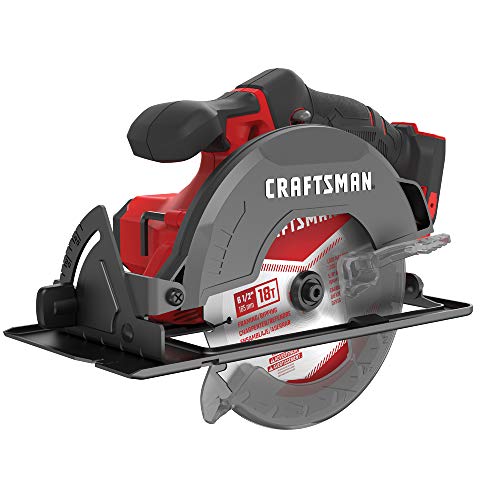


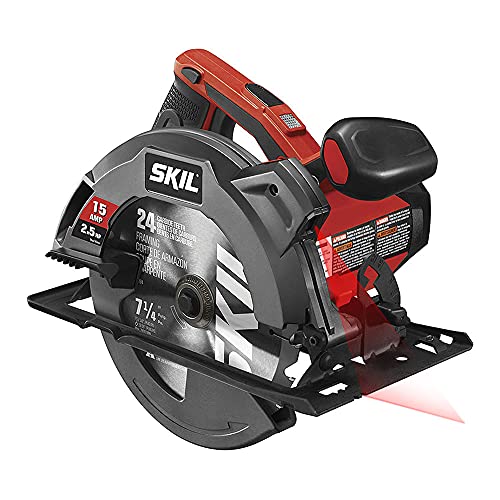
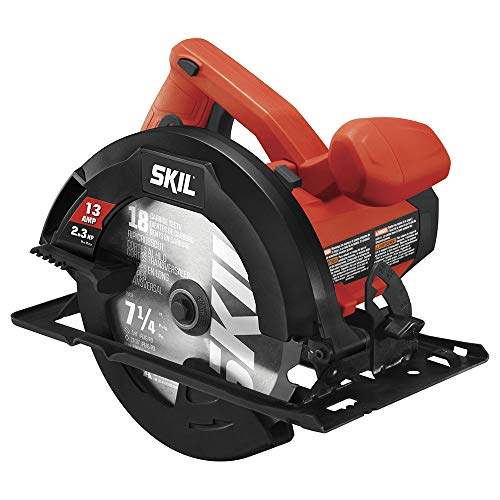


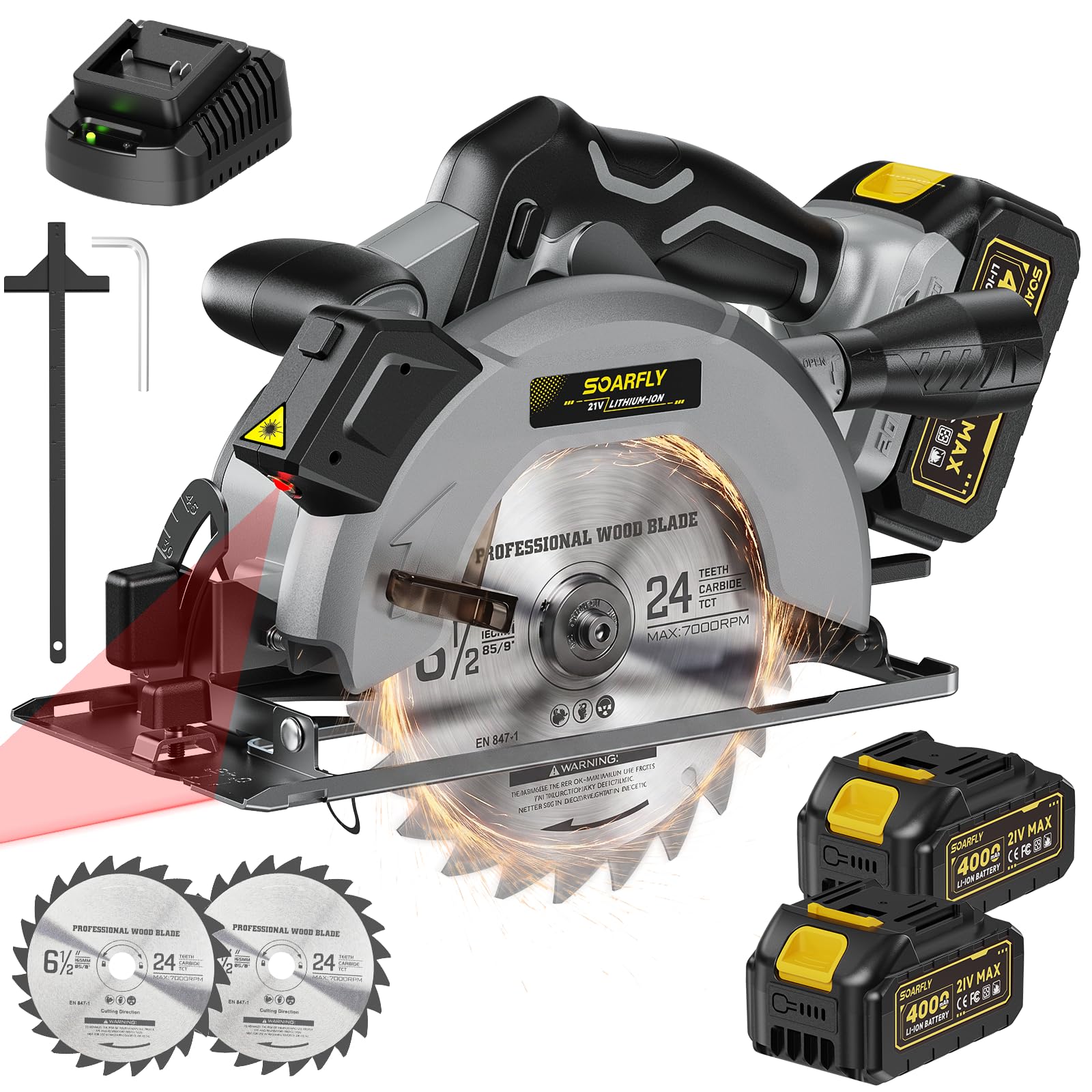
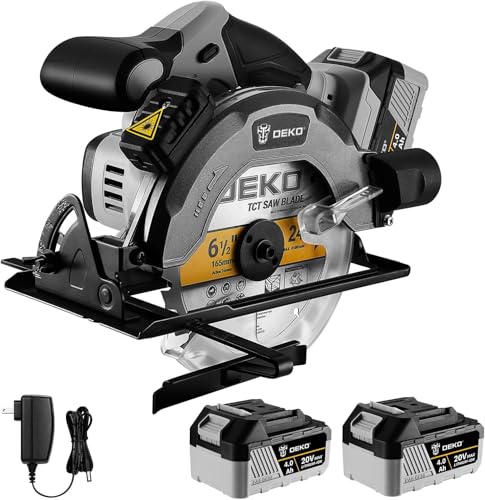
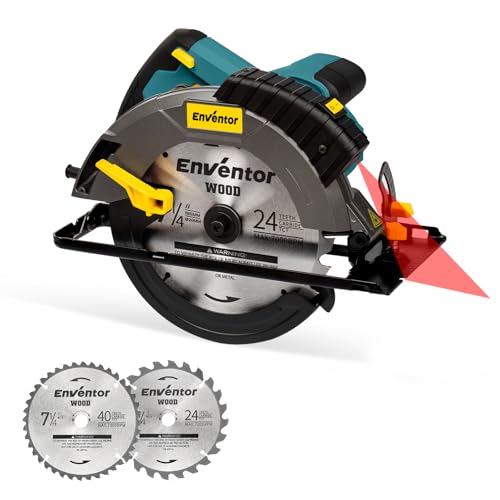
Types at a Glance
Three types cover nearly every home project at this price. A corded 7 1/4 inch sidewinder is the default choice for power and depth. A cordless 6 1/2 inch saw adds freedom from outlets but needs a battery budget.
A mini saw around 4 1/2 inches handles thin stock and tight spaces, yet it cannot replace a full size saw for thick lumber. Our overview of the best circular saw options shows how these budget types sit within the wider market.
Three Types of the Best Circular Saw Under 100 Dollars
The Workhorse Type: Corded 7 1/4 Inch Sidewinder
A corded sidewinder gives you the most cutting ability per dollar, because none of your budget goes to batteries or a charger. Look for a motor rated around 13 to 15 amps, a bevel capacity of at least 45 degrees, and a base plate that feels rigid at its edge. This type rips plywood, crosscuts two by fours, and cuts decking without pausing to swap a pack. The trade off is the cord, so route it behind you and keep it clear of the blade path.
The Bare Tool Type: Cordless 6 1/2 Inch Saw on a Platform You Own
A cordless saw only stays under budget when you already own a compatible battery and charger. Sold as a bare tool, a 6 1/2 inch model can fit the budget and still cut two by fours and plywood for shelving, trim, and small repairs. Its smaller blade gives less depth, so thick beams and steep bevels in dense stock are beyond it. If you must buy a battery kit as well, the total can nearly double, and the corded type above then delivers more saw for the same money.
The Compact Type: Mini Saw for Thin Stock and Tight Spaces
A mini circular saw earns its place when most of your cuts are in plywood, laminate flooring, or thin boards. The small blade and compact body let you work in a closet, inside a cabinet opening, or along a floor where a full size saw feels clumsy. Many mini models also include a laser guide or a rip fence at this price.
Depth is the hard limit, since most cut only about an inch deep. Our roundup of the best mini circular saw models explains that niche in more detail.
How the Categories Were Chosen
Budget saws are grouped here by the factors that change your results most: power and cutting depth, runtime or cord access, weight and grip comfort, build quality of the base and guard, and warranty length. The groupings rest on manufacturer specifications and buyer feedback about common faults.
How to Choose the Right Circular Saw
Size and Form Factor
Blade size sets your maximum depth of cut. A 7 1/4 inch blade cuts through two by material in one pass at 90 degrees and still handles most 45 degree bevels, which makes it the safest single choice. A 6 1/2 inch blade trims weight for cordless models, while mini blades trade depth for control. Also consider grip angle and which side the blade sits on, since blade left models let right handed users see the cut line more easily.
Type: Sidewinder, Worm Drive, and Track Saws
Nearly every saw under $100 is a sidewinder, with the motor beside the blade in a compact, lighter layout that balances power, weight, and price well for home use. A true worm drive saw, with more torque at lower speed, almost never fits this budget new, so treat any such claim with care. Track saws add a guided rail for dead straight cuts, but the rail alone pushes past this price. Our comparison of the best worm drive circular saw designs covers that layout if you later raise your budget.
Power, Speed, and Cutting Capacity
Corded power is listed in amps, and about 13 to 15 amps is the healthy range at this price. Cordless power depends on battery voltage and motor design, so judge it by the stock it can cut without bogging down. No load speed around 5,000 to 5,800 rpm is typical and plenty for lumber and plywood with the right blade. Check depth at 45 degrees as well as at 90, since bevel depth is always less and limits work in thick boards.
Features Worth Paying For
A laser guide sounds helpful, yet a clear notch on the base and a visible cut line matter more once sawdust starts flying. A rip fence earns its keep when you cut repeated strips of equal width from plywood, and an electric brake stops the blade sooner after you release the trigger. Blade quality changes results most of all. Many budget saws ship with a coarse framing blade, so plan on a finer tooth blade for plywood if you want clean edges with less splintering.
Cordless vs Corded
Corded saws deliver full power for as long as you work, weigh less without a battery, and cost less for the same cutting ability. If most projects happen in a garage, driveway, or yard near an outlet, corded is the rational budget pick, and our guide to the best corded circular saw options covers that route in depth. Cordless saws win on convenience for cuts far from an outlet, but one small battery may cover only a handful of cuts in thick stock before it needs a recharge.
Battery Platform
A battery platform is a family of tools sharing the same packs and chargers. If you already own tools from one platform, a bare tool saw from that family is often your cheapest cordless path, and buying into a new platform for one budget saw rarely pays. Check pack size too: a 2 amp hour pack keeps weight down but runs out sooner, while a 4 amp hour pack roughly doubles working time.
Brushless Motors
A brushless motor uses electronic control instead of carbon brushes, which reduces wear parts and often improves runtime on cordless tools. At this price it appears mostly in bare tool cordless saws from larger platforms. The benefit is real but modest for occasional home use, so do not sacrifice blade size or base quality just to get the label. Brushed motors remain fine for corded saws, where runtime is unlimited and brushes last for years of weekend projects.
Accessories and Warranty
Useful accessories include a rip fence, a carrying case, a vacuum port, and a spare blade suited to your main material. Confirm which items are in the box, because budget listings often show accessories sold separately. Warranty length at this price is commonly one to three years for home use. Keep your receipt, since proof of purchase date is what starts the coverage clock.
How Much Should You Spend?
Under about $50, expect a basic corded saw with a thinner base, fewer adjustments, and a coarse blade. Between about $50 and $100, you gain stronger motors, better bases, easier bevel adjustments, and extras like an electric brake on some models. Above about $100 to $200, gains shift toward brushless cordless models and lighter metal parts. Those are nice upgrades, not necessities, and the money saved at this tier can buy better blades and safety gear instead.
What You Get and Give Up Under $100
You get a saw that handles the core home workload: plywood for shelves and cabinets, framing lumber for repairs, deck boards, and trim stock. Straight cuts with a guide, bevels for basic joinery, and enough power for steady progress are all realistic at this price.
You give up refinement rather than basic ability. Expect more vibration, a guard that may feel sticky on angled cuts, weak dust collection, and adjustments that need a firmer hand. Cordless runtime is the sharpest limit.
A miter saw makes repeated crosscuts faster and more square, but it stays on a bench and cannot rip a plywood sheet. Our guide to circular saw vs miter saw trade offs explains when each tool earns its space, which can stop you buying the wrong saw entirely.
Safety Basics for Budget Saws
Lower price must never mean lower care. Wear eye protection on every cut, and let the blade guard move freely without pinning it back. Support sheet goods on both sides of the cut so the offcut cannot pinch the blade, since a pinch is a common cause of kickback.
Unplug a corded saw or remove the battery before any blade change. New users will find step by step guidance in our article on how to use a circular saw.
FAQ
What is the best circular saw under $100 for a first time homeowner?
Choose a corded 7 1/4 inch sidewinder with a motor near 15 amps and a base that sits flat on a table. That type cuts every material a new homeowner is likely to meet, from shelving plywood to fence boards, without battery costs. Spend part of the savings on a fine tooth blade and a straight edge guide, since those two items improve results more than any upgrade to the saw itself.
Can you get a good circular saw for under $100?
Yes, as long as good means accurate and durable enough for home projects rather than daily trade use. Budget saws share motors and blades similar to pricier models, and the savings come from materials and finish. Check the base for flatness and the guard for smooth movement on arrival, because those two checks catch most weak units.
How long does a circular saw last?
A budget saw used on weekend projects can last many years, often a decade or more, if the blade stays sharp and the vents stay clear of dust. Dull blades are the hidden strain, since they force the motor to work harder and run hotter on every cut. Store the saw dry, coil the cord loosely, and replace a blade that burns wood or leaves heavy marks instead of pushing it further.
Is a circular saw worth it if you already own a jigsaw?
Yes, because the two tools divide work by cut shape. A jigsaw follows curves and cutouts, while a circular saw makes long straight cuts quickly and with a cleaner edge. If your projects involve plywood sheets, flooring, or framing lumber, the circular saw finishes in minutes what a jigsaw does slowly and with more blade wander.
How do you clean a circular saw?
Unplug the saw or remove its battery, then brush dust from the vents, guard, and base with a stiff brush or compressed air. Resin builds up on the blade during lumber cuts, so remove the blade and clean it with blade cleaning solution or warm soapy water, then dry it fully. A drop of light oil on the guard pivot keeps its movement smooth. Never wash the motor housing itself.
What makes a circular saw brand reliable at this price?
Reliability at this price shows up as parts availability, warranty support, and consistent build quality rather than a famous name. A maker that sells replacement guards, brushes, and blades for years after purchase is safer than one with no parts catalog. Read recent buyer reports for patterns, such as repeated base defects, instead of single complaints.
Final Thoughts
For most readers, the product table above points to the right answer: a corded 7 1/4 inch saw delivers the most cutting power and depth that the best circular saw under 100 dollars can buy, while cordless and mini types serve narrower needs. Pick the type that matches your projects, spend the leftover budget on a good blade and eye protection, and your saw will serve you well.


