
Best Circular Saw Under $200: Buying Guide for 2026
Disclosure: We may earn a commission when you buy through links on this page, at no extra cost to you. As an Amazon Associate I earn from qualifying purchases. Learn more

The best circular saw under 200 dollars compared by type: corded sidewinders, cordless kits and compact saws, with power, runtime, weight and warranty notes.
A circular saw is often the first power saw a homeowner buys, and the budget end of the market is crowded with saws that look similar on paper but feel very different in use. Picking the best circular saw under 200 dollars comes down to matching power, blade size, and power source to the work you plan to do.
This guide compares the main types in this price range on power and performance, battery platform and runtime, and day to day handling. The comparison table below sums up the key differences, and the sections that follow explain what each spec means in practice.


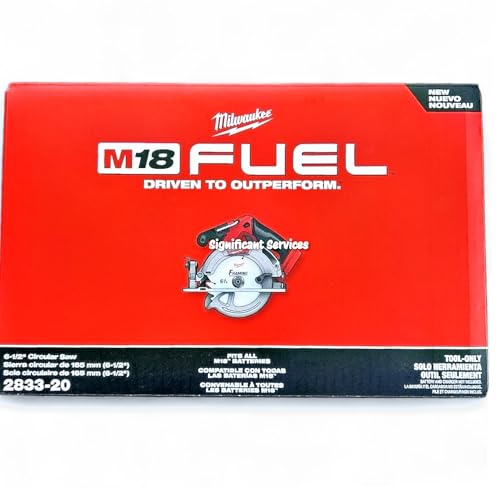

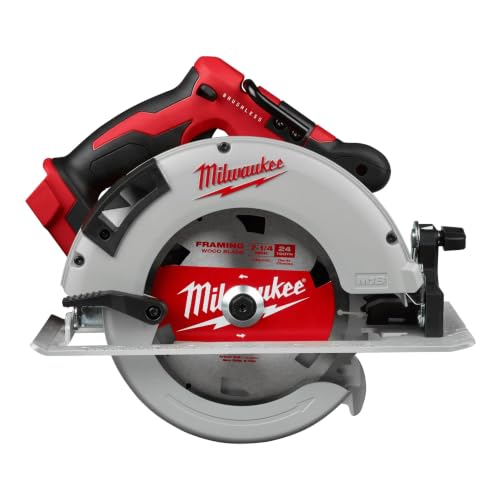
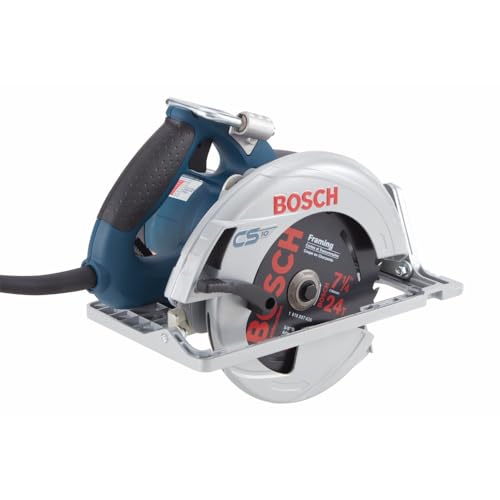


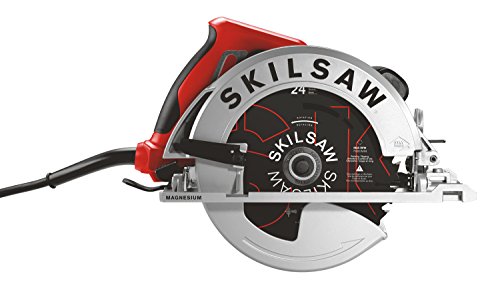
Circular Saw Types You Can Get in This Price Range
Under the 200 dollar mark you will find three broad types of saw. Each suits a different mix of cutting depth, portability, and workload, so decide which type fits your projects before comparing specs.
Full Size Corded Sidewinder Saws
A corded sidewinder with a 7.25 inch blade is the classic budget choice, and it remains the strongest value for steady workshop and site work. The motor sits beside the blade, which keeps the saw compact and light enough for long sessions overhead or on a ladder. Because it plugs in, power never fades mid cut, and you never wait on a charger. For a full overview of what the wider market offers beyond this budget, see our guide to the best circular saw options at every price.
Cordless Saws on a Shared Battery Platform
Cordless models in this range usually run a 6.5 inch or 7.25 inch blade and are sold either with a battery and charger or as a bare tool. They shine when you cut in yards, on roofs, or anywhere an extension cord is a nuisance. Runtime depends heavily on battery capacity, so a kit with a larger battery often matters more than a small gain in motor speed.
Compact and Mini Saws
Compact saws use blades around 4.5 inches and are built for thin stock such as plywood, laminate flooring, and trim. They are light, easy to guide with one hand on the grip, and simple to store in an apartment or small garage. The trade off is depth of cut, since a small blade cannot pass through thick framing lumber in one go. Our roundup of the best mini circular saw models covers this smaller format in more detail.
Key Features to Compare
Power and Cutting Performance
On a corded saw, power is listed in amps, and most full size models in this range draw about 13 to 15 amps, enough to rip plywood and cut 2 inch framing lumber without bogging down. Cordless saws are compared by voltage platform and blade speed under load, so look at stated cutting capacity rather than one speed figure. Depth matters too: a 7.25 inch blade typically cuts about 2.5 inches deep at 90 degrees, clearing a 2 by 4 with room to spare.
Battery Platform and Runtime
If you go cordless, the platform decision outlasts the saw itself, because the same batteries will power your drill, impact driver, and future tools. A kit that includes two batteries lets you cut while the spare charges, which keeps a full day of framing or deck work moving. Smaller single battery kits cost less up front but can leave you waiting during long ripping sessions.
Ergonomics and Weight
Weight ranges from about 7 pounds for compact cordless models to about 11 pounds for corded worm drive designs, and that gap is obvious after an hour of cutting. Look at grip shape and whether the blade sits on the left or right of the motor, because blade position decides which side you stand on to see the cut line. A saw that feels balanced with the battery fitted will track straighter than a lighter saw that pulls to one side.
Durability and Warranty
A stamped steel shoe flexes and can bend out of square, while a cast magnesium or aluminum shoe stays flat and slides more smoothly across sheet goods. Guards should snap back crisply, and the bevel and depth levers should lock without play, since loose settings drift mid cut and spoil accuracy. Warranty length in this range is commonly one to three years.
How to Choose the Right Circular Saw
Size and Form Factor
Start with the thickest material you cut often. If nearly all your work is plywood, decking boards, and 2 inch lumber, a 7.25 inch blade covers everything with depth to spare, including bevels. A 6.5 inch cordless blade still cuts 2 inch stock at 90 degrees but runs out of depth sooner on steep bevels.
Mini saws suit sheet goods and flooring only. A compact body is easier to control for smaller hands, while a full size body gives more grip area on long rips.
Drive Type: Worm Drive vs Sidewinder
In a sidewinder, the motor shaft drives the blade directly, which makes the saw lighter and shorter. In a worm drive, gears turn the power 90 degrees, placing the motor behind the blade and producing more torque for dense or wet lumber. Worm drive saws cost more, and only a few sit under 200 dollars. The worm drive vs sidewinder comparison explains the handling differences in full.
Cordless vs Corded
Corded saws deliver full power all day for about half the price of a comparable cordless kit, and they never need charging, which suits a fixed workshop or a long framing session. Their limits are reach and cord management, since a cord can snag on sheet edges. Cordless saws trade some of that steady power for freedom of movement, and modern brushless motors have narrowed the gap for typical home projects. If most of your cutting happens in one place, our look at the best corded circular saw options is a useful next read.
Brushless Motors
A brushless motor adjusts power electronically instead of through carbon brushes, so it runs cooler, wastes less battery, and has no brushes to replace. On a cordless saw that means more cuts per charge, especially in thick stock where a brushed motor heats up and slows. Brushless models sit near the top of this budget, so weigh the premium against how often you cut.
Features Worth Paying For
An electric blade brake stops the blade quickly when you release the trigger, which improves both safety and pace on repeated cuts. A laser guide or a bright LED aimed at the cut line helps you start on the mark, though neither replaces a straightedge for long rips. A rip fence that stores on the saw body guides narrow cuts without extra clamps, and a dust port that fits a shop vacuum keeps the cut line visible on plywood. Skip bundled blade assortments, since one good blade suited to your material matters more.
How Much Should You Spend?
Under about $50 you get a basic corded saw suited to occasional cuts in thin stock, with a stamped shoe and modest power. Between about $100 and $150, saws gain cast shoes, better guards, and enough power for regular remodel work. Near the top of the range, about $150 to $200 buys a brushless cordless kit with a decent battery, or a corded saw with a brake and magnesium shoe. Spending within the best circular saw under 200 range only pays off if the step up buys a feature you will use, such as the brake or a second battery.
What You Get (and Give Up) Under $200
At this budget you get a saw that handles the large majority of home and light site work: breaking down sheet goods, framing walls, cutting decking, and trimming doors. Build quality is generally honest, with metal shoes and reliable guards on the better models, and cordless runtime now covers a day of intermittent cutting.
What you give up is refinement. Dust collection is basic, bevel scales can be stamped rather than etched, and kit batteries tend to be the smaller capacity versions. Pro grade saws above this range add smoother shoe glide and more accurate bevel stops. For most homeowners those gains are nice rather than necessary, which is why this price band sells so well.
Common Mistakes to Avoid
- Buying a mini saw for framing work, because its shallow depth of cut leaves you flipping thick lumber to finish the cut.
- Choosing a cordless kit with one small battery for all day ripping, because you will spend the afternoon waiting on the charger.
- Ignoring blade position, because a saw that hides the cut line from your natural stance leads to wandering cuts.
- Using the coarse blade bundled in the box for finish cuts, because it tears plywood veneer and leaves rough edges.
- Skipping eye and hearing protection, because a circular saw throws chips fast and runs loud enough to damage hearing over time.
- Forcing a dull blade through wet lumber, because the extra push raises the risk of kickback, which is when the saw jumps back toward you.
Care and Maintenance
Brush or blow dust out of the motor vents and guard after each session, since packed dust makes the lower guard sluggish, and a guard that fails to snap closed is a safety problem, not a nuisance. Check the blade for missing teeth and resin build up, and clean pitch off with a blade cleaner so the saw cuts without burning the wood. Store cordless batteries indoors at a partial charge rather than fully drained.
If the guard sticks or the blade wobbles, stop using the saw and have it serviced. Good technique matters as much as upkeep, so review how to use a circular saw before your first big project.
FAQ
What is the best circular saw under $200 for a first time buyer?
For a first saw, a corded 7.25 inch sidewinder is the simplest answer, because it needs no batteries, delivers full power, and costs the least to own. Choose one with a cast shoe and an electric brake if the budget allows. If you already own cordless tools on one platform, a cordless kit on that platform is the smarter first buy, since shared batteries lower your total cost.
Can you get a good circular saw for under $200?
Yes. This is the price band where saws stop feeling like compromises for home use. You get enough power for framing lumber and sheet goods, metal shoes that stay flat, and guards that work as they should.
What you mostly miss compared with pricier saws is refinement, such as finer bevel scales and better dust ports. For remodels, decks, and furniture projects, a well chosen saw here is not a step down.
How long does a circular saw last?
A budget circular saw used for home projects commonly lasts many years, because the motor and gears see far fewer hours than on a trade site. The parts that age first are the blade, the guard spring, and on brushed motors the carbon brushes, all of which are replaceable. Cordless batteries usually fade before the saw itself wears out.
Is a circular saw worth it if you already own a miter saw?
Yes, because the two saws divide the work. A miter saw excels at accurate crosscuts on boards that fit its capacity, while a circular saw handles full sheets of plywood and long rips that no miter saw can take. The circular saw vs miter saw breakdown shows which cuts belong to each tool.
How do you clean a circular saw?
Unplug the saw or remove the battery, then brush dust from the vents, guard, and shoe with a soft brush or compressed air. Wipe the blade with a cloth dampened with blade cleaner to lift resin, and dry it fully before refitting. A drop of light oil on the guard pivot keeps it snapping shut. Never wash the motor housing with water.
Final Thoughts
The right choice in this range starts with the type: a corded sidewinder for steady power at the lowest cost, a cordless kit if you value freedom of movement, or a compact saw for sheet goods and flooring. Match blade size to your thickest regular cut, treat the battery platform as a long term decision, and let the product table above guide your final comparison. Chosen that way, the best circular saw under 200 dollars is simply the one whose strengths line up with the work on your list.


