
Best Circular Saw Under $50: Budget Buying Guide for 2026
Disclosure: We may earn a commission when you buy through links on this page, at no extra cost to you. As an Amazon Associate I earn from qualifying purchases. Learn more

The best circular saw under 50 dollars for home repairs: corded full size saws, compact saws and bare tool cordless options compared on depth, shoe and value.
Finding a saw that cuts straight and still fits a tight tool budget can feel harder than the project itself. At this price, listings often look similar, yet small differences in blade size, motor strength, and guard design change how the saw feels in use. If you want the best circular saw under 50 dollars for home repairs and basic building work, focus on fit for your material first and extras second. The comparison table below sums up the main types.
This guide shows what this budget can deliver, which types suit which jobs, and which features deserve your money.


The Three Types at a Glance
Under this budget, your choice is really among three broad types. Each handles a different kind of work, and picking the wrong type matters more than a slightly stronger motor within the right type.
- Corded full size saws: the strongest option for sheet goods and framing lumber, with steady power near an outlet.
- Compact and mini saws: lighter and easier to guide on thin stock, but with a shallower depth of cut.
- Cordless tool only options: sold without a battery and charger, and only sensible if you already own a matching battery.
If your projects center on plywood, shelving, and occasional lumber, the corded full size type is usually the safest starting point. If most cuts are short and in thin material, a compact saw may serve you better and tire your arm less.
Three Types Worth Considering Under This Budget
Corded Full Size Saws for General Cutting
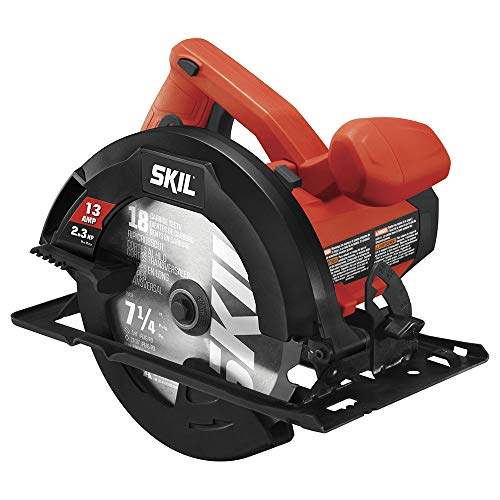
A corded saw with a seven and one quarter inch blade is the workhorse of this price range. It delivers the same power at the end of a long cut as at the start, with no battery to watch, and that blade size gives enough depth for common lumber and sheet goods. The trade off is the cord itself, which you must keep clear of the cut line. For garage and yard projects near an outlet, that limit is minor, and this type gives you the most cutting ability for the money.
Compact and Mini Saws for Light Work
Compact saws use a smaller blade, often around four and one half inches, and a body you can guide with more control on thin panels, flooring, and trim stock. Their lower weight helps when you make many short cuts in a row. The limit is depth, since a small blade cannot pass through thick lumber in a single pass.
If your work stays thin and you value control over raw depth, this type fits well. Our guide to the best mini circular saw covers that smaller format in more detail.
Cordless Options and Their Limits at This Price
A cordless saw listed under $50 almost always means the tool alone, with no battery and no charger in the box. That can still be a fair deal if you already own batteries from the same platform. If you would need to buy a battery and charger as well, the true total moves well past this budget, and a small battery also drains fast in thick stock. Add up everything you need and compare that total with a corded option before you decide.
How the Saws Under $50 Were Compared
Listings were compared on maker specifications, buyer feedback, and the buying factors that matter most at this price. Power and performance come first, since a saw that stalls in plywood fails at its main job. Battery platform and runtime follow for cordless models, then ergonomics and weight for control, durability, and warranty terms. A best circular saw under 50 dollar pick on paper means little if the shoe is loose or the guard sticks, so simple designs with common blade sizes and clear manuals rank higher.
What is included in the box also counts, since a blade and rip fence lower the cost of getting started.
How to Choose the Right Circular Saw
Size and Form Factor
Blade size sets both depth of cut and the weight you carry through every cut. A seven and one quarter inch blade handles the widest range of home work, and blades for it are sold almost everywhere. A six and one half inch blade trims some weight and suits cordless bodies, while mini saws trade depth for control on thin stock. Think about the thickest material you cut often, and choose the smallest size that clears it in one pass, so the saw stays lighter for the work you do most.
Type
Most saws in this range are sidewinder designs, with the motor sitting beside the blade, which keeps the saw shorter and lighter for general home use. A worm drive design places the motor behind the blade, giving strong torque for dense lumber, but it adds weight and usually costs more than this budget allows. If you want that layout, read our guide to the best worm drive circular saw to see what the step up involves.
Features Worth Paying For
A laser guide can help you follow a marked line, but only if it stays aligned with the blade, and a pencil line plus a straight edge is often just as accurate. A rip fence earns its place if you cut repeated strips of the same width from sheet goods. The blade in the box matters too, since a coarse blade suits framing while a finer tooth count leaves a cleaner edge on plywood. Spend first on a solid shoe, a guard that moves freely, and clear depth and bevel scales, since you use those on every cut.
Cordless vs Corded
Corded power is steady, simple, and cheaper to buy, which is why most saws under this budget plug in. You never pause to swap a battery, and the saw weighs less without one. The cost is freedom of movement, plus the care needed to route the cord away from the blade path.
For a first saw on a tight budget, our guide to the best corded circular saw shows why the plug in route often wins on value. Choose cordless only when you already own the platform or truly need to cut far from power.
Battery Platform
If you go cordless, the battery platform matters more than the saw itself. Batteries are not shared across brands, so a saw is only a bargain if it matches batteries and a charger you already own. Check the amp hour rating of your packs, since a small pack that works fine in a drill may fade quickly in a saw. Also confirm that new packs for that platform are still sold, so a worn pack does not strand the saw later.
Brushless Motors
Brushless motors control power electronically instead of through carbon brushes, which can mean less heat, less upkeep, and more cuts from the same battery in cordless tools. In corded saws at this price, brushless designs are rare, and a brushed motor is normal and perfectly serviceable. Do not stretch your budget chasing this one feature if it means giving up a better shoe or a needed battery. Balance the motor type against the whole package.
Accessories and Warranty
The right blade for your material improves results more than most built in extras. Keep a general purpose blade for lumber and a finer blade for plywood and laminate, and store spares flat and dry. A clamped straight edge helps long cuts stay true.
Warranty terms in this class are often short, so read what is covered and whether wear parts are excluded. Keep your receipt and note where service is handled, since mailing a heavy saw for repair can cost as much as the tool itself.
How Much Should You Spend?
Under $50, expect a basic corded saw or a compact model with honest limits, suited to home projects rather than daily trade use. About $50 to $100 usually buys a stronger motor, a sturdier shoe, and a better included blade. About $100 to $200 opens up cordless kits with a battery and charger, plus features such as electric brakes. Match spending to how often you cut, since a saw used a few weekends a year does not need trade level build.
What You Get and Give Up Under $50
You get a saw that can break down sheet goods, trim lumber to length, and handle the cutting behind most shelving, fencing, and repair projects. With a sharp blade and a clamped guide, results can be clean and accurate. This is the core promise of the best circular saw under 50 dollar class, and for many homes it is enough.
What you give up is refinement. Expect more vibration, scales that take a moment to read, a shoe that needs a check for square before fine work, and a guard you should check by hand before each use. Cases are rarely included, dust control is basic, and bevel capacity may stop at common angles.
Before you buy, compare your short list with the wider field in our guide to the best circular saw, to see what extra money adds. The comparison in circular saw vs miter saw can help you check whether a different saw type fits your job better. Finally, read our walkthrough on how to use a circular saw before your first cut, since safe setup matters more than any single feature.
FAQs
What is the best circular saw under $50?
For most buyers it is a corded saw with a seven and one quarter inch blade, a shoe that sits flat, and a guard that snaps back without sticking. That mix covers the widest range of home cuts for the money. If your work is mostly thin panels, a compact model may suit you better. Check that a usable blade is included.
Can you get a good circular saw for under $50?
Yes, if good means reliable cutting for home projects rather than daily job site use. Look for honest motor ratings, common blade sizes, and a manual that lists service parts. One quiet sign of quality is a sturdy strain relief where the cord leaves the handle, since cords often fail at that flex point first.
How long does a circular saw last?
A home use saw can serve for many years when it is stored dry, kept free of packed dust, and fitted with a sharp blade. The parts that age first are usually the cord, the motor brushes, and the lower guard spring. If the guard starts to return slowly, stop and have it serviced rather than pinning it back, since that guard shields you from the blade when you set the saw down.
Is a circular saw worth it?
It is worth it if you cut sheet goods or lumber more than a few times a year, since it turns slow hand sawing into quick, straight cuts you control. Renting or borrowing makes more sense for a single project. Owners also gain the option to break down large sheets at home, which helps when a panel will not fit in your vehicle at full size.
How do you clean a circular saw?
Unplug the saw or remove the battery, then brush loose dust from the guard, shoe, and motor vents with a soft brush. Wipe resin from the blade with a cloth and a mild cleaner made for blades, and dry it fully before refitting. Avoid spraying liquid into the vents. A drop of light oil on the guard pivot, wiped almost dry, keeps the guard moving freely.
What is the most reliable circular saw brand?
No single brand owns reliability at this price, since low cost lines vary from model to model even within one maker. Judge a listing by its warranty length, the availability of spare blades and brushes, and whether the maker publishes a service network you can reach. A plain saw with easy parts support will usually outlast a feature rich model that no local shop can repair.
Final Thoughts
Start with the type that fits your material, then compare shoe quality, guard action, and what is included in the box. For most homes, a corded full size saw is the best circular saw under 50 dollars you can choose, giving steady power and a common blade size at a fair price. Look back at the product table above, check the total cost including any blade or battery you still need, and buy the saw that matches your planned work.


