
Best Circular Saw for Woodworking: Buying Guide for 2026
Disclosure: We may earn a commission when you buy through links on this page, at no extra cost to you. As an Amazon Associate I earn from qualifying purchases. Learn more

The best circular saw for woodworking compared by type: full size sidewinder, compact and worm drive saws, with base plate, blade, battery and budget advice.
A circular saw can break down sheet goods faster than almost any other shop tool, yet the wrong one leaves rough edges, wanders off your line, and bogs down in hardwood. The best circular saw for woodworking is the one with enough power for clean cuts, a flat and true base plate, and a blade and guide setup that suits the furniture and cabinet work you actually do. This guide compares saw types by power and performance, battery platform and runtime, and control at the cut line, and the comparison table below sums up the main types side by side.


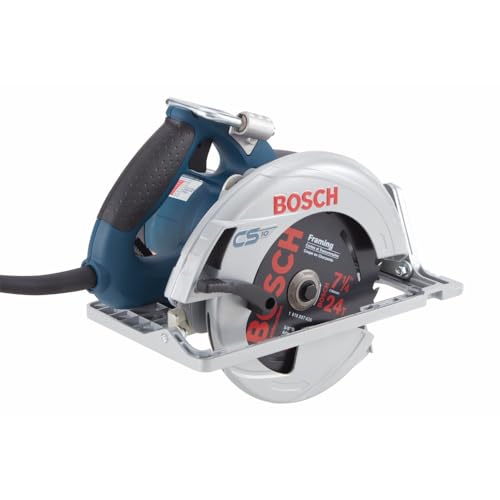
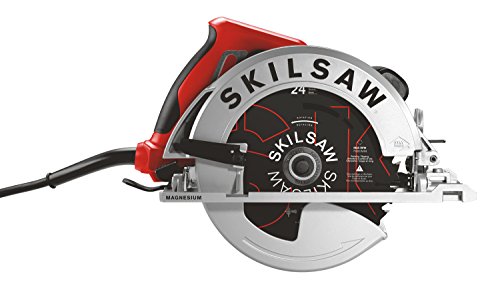

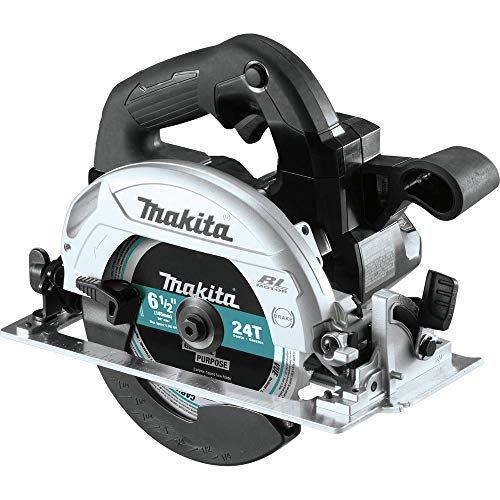
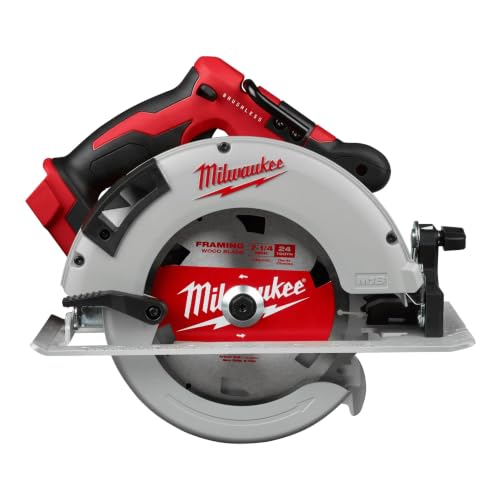


Saw Types at a Glance for Woodworking
Three saw types cover nearly every woodworking task. A standard sidewinder in the 7 1/4 inch size is the general purpose choice, light enough for one handed guidance along a straight edge and strong enough for plywood and hardwood boards alike. A compact or mini saw handles thin stock and tight spaces where a full size saw feels clumsy.
A worm drive saw delivers higher torque for long rip cuts in thick or wet lumber, at the cost of extra weight. If you are still deciding between tool categories, our overview of the best circular saw options explains where this tool fits in a shop lineup.
Three Saw Types Compared for Woodworking
The Full Size Sidewinder for General Shop Work
This is the type most woodworkers should own first. The motor sits beside the blade, which keeps weight low and the body compact, and the 7 1/4 inch blade cuts deep enough to slice through two sheets of 3/4 inch plywood stacked together. Paired with a fine tooth blade and a clamped straight edge, it produces edges clean enough for glue ups on many projects. Its main limit is torque: on long rips in thick oak or maple, feed the saw steadily and let the blade keep its speed rather than forcing the cut.
The Compact Saw for Thin Stock and Tight Spaces
A compact saw with a 4 1/2 inch or 5 1/2 inch blade earns its place when you trim plywood panels or work inside a cabinet carcass where a big saw will not fit. It is easy to guide with one hand while the other holds the workpiece, and the shallow cut depth is a safety plus on thin sheet goods. The trade off is capacity, since thick hardwood sits beyond its reach. Our guide to the best mini circular saw covers this class in more depth.
The Worm Drive Saw for Long Rips and Thick Stock
Worm drive saws place the motor behind the blade and use gearing that trades some speed for notably more torque. That torque keeps the blade moving through long rip cuts in thick hardwood and glued up panels without the stalling you may feel from a lighter saw. The blade sits on the left side on most models, which gives a right handed user a clear view of the cut line.
The cost is weight, often several pounds more than a sidewinder. The dedicated roundup of the best worm drive circular saw models compares this type on its own.
How the Types Above Were Chosen
Five criteria matter for woodworking rather than rough framing alone: power and performance in hardwood and sheet goods, battery platform and runtime for cordless models, ergonomics and weight during guided cuts, durability of the base plate and depth adjustments, and warranty terms. The judgments here rest on manufacturer specifications and patterns in buyer feedback.
How to Choose the Right Circular Saw for Woodworking
Size and Form Factor
Blade size sets both cut depth and handling. A 7 1/4 inch blade is the woodworking standard because it cuts about 2 3/8 inches deep at 90 degrees and about 1 3/4 inches at a 45 degree bevel, which covers 2 inch lumber and angled joinery cuts. A 6 1/2 inch blade trims a little depth but gives a lighter cordless saw that still handles plywood and 2 inch stock at 90 degrees.
Mini saws below that size suit thin panels only. A flat, rigid shoe also tracks a straight edge more truly than a stamped plate that flexes.
Saw Type and Drive Style
Beyond the three types above, the drive style shapes how a saw feels in the cut. Sidewinders spin the blade directly from a motor mounted alongside it, so they are lighter and usually cost less. Worm drive gearing multiplies torque and stretches the body longer, which some users find steadier on long rips. Blade side also matters: a left side blade puts the cut line in view for right handed users, while a right side blade keeps the motor weight over the supported side of the workpiece.
Features Worth Paying For
For woodworking, three features repay their cost quickly. A laser guide or a bright line light helps you start a cut on your mark, though a clamped edge guide should still do the real steering. A rip fence that locks square lets you repeat narrow cuts without measuring each one.
Blade quality matters most of all: a 40 tooth or 60 tooth fine finish blade leaves far smoother edges in plywood and hardwood than the coarse framing blade many saws ship with, so budget for a good woodworking blade from the start. Electric brakes and dust ports also earn their keep.
Cordless vs Corded Power
Cordless saws free you from dragging a cord across sheet goods, and modern brushless models rip plywood all day on a pair of large batteries. Corded saws deliver constant full power with no runtime limit, weigh less, and cost less for the same cutting ability. For a small shop where the saw mostly works near an outlet, corded remains the value pick, and our roundup of the best corded circular saw options focuses on that class. Choose cordless when you break down sheets outdoors or already own batteries on a platform.
Battery Platform
With cordless saws, the platform decision outlasts the saw itself. Batteries are the expensive part, so a saw that shares packs with your drill and impact driver saves real money and keeps fewer chargers on the bench. Look at amp hour ratings for runtime: a compact 2.0 Ah pack feels light but fades fast in hardwood, while a 5.0 Ah or larger pack sustains long rip sessions. Confirm replacement packs are easy to find before committing.
Brushless Motors
A brushless motor adjusts power delivery electronically instead of through carbon brushes, which brings three practical gains: more runtime per charge, stronger torque under load, and no brushes to wear out and replace. In woodworking terms, the saw holds blade speed more evenly through a long cut, so the surface comes out smoother with fewer burn marks in cherry or maple. Brushless models cost more upfront, but the runtime and low upkeep usually justify the step up.
Accessories and Warranty
The right accessories turn a circular saw into an accurate woodworking system. A track adapter or a long straight edge guide converts freehand cuts into repeatable, furniture grade results, and a decent carry case protects the base plate from knocks that would throw it out of square. On warranty, look for at least a three year limited warranty on the tool and clear terms on batteries, and keep your receipt, since coverage on wear parts like brushes and guards is usually shorter.
How Much Should You Spend?
Under $50, expect basic corded or compact saws suited to occasional plywood cuts and home repairs; accuracy aids are minimal, so pair one with a good blade and a clamped guide. In the about $100 to $200 range you find the sweet spot for most woodworkers: full size corded sidewinders and entry cordless brushless saws with rigid base plates and electric brakes. Above about $200, you pay for worm drive torque, premium cordless kits with large batteries, and finer adjustments that hold their settings.
What Matters Most in a Circular Saw for Woodworking
Woodworking asks more of a circular saw than job site cutting does. Accuracy comes first: the base plate must sit flat, the blade must run square to the shoe, and the bevel scale must read true, because a degree of error shows up as a gap in a glued panel. Clean edges come second, and they depend on blade choice and steady feed rate more than on motor size.
Our head to head on circular saw vs track saw explains when a guided track system beats a freehand saw for cabinet work, while a table saw still wins for narrow repeated rips. A good circular saw fills the space between: portable, accurate enough with a guide, and ready for sheet goods too large for a table saw.
FAQs
What is the best circular saw for woodworking?
For most shops, a full size 7 1/4 inch sidewinder with a rigid base plate and a fine finish blade covers the widest range of woodworking tasks. Add a clamped straight edge and it handles sheet goods, crosscuts, and rips with results close to a track saw. Pick a worm drive instead if you rip thick hardwood often, or a compact saw if most of your work is thin panels and trim.
What should I look for in a circular saw for woodworking?
Start with a base plate that sits dead flat on a known straight surface, then check that the depth and bevel locks hold firm without tools slipping. A clear view of the blade line, a guard that retracts smoothly without snagging on thin offcuts, and a dust port that fits your vacuum hose all matter in daily use. Finally, confirm the arbor size matches common woodworking blades, usually 5/8 inch, so upgrades are easy to find.
How long does a circular saw last?
A well kept circular saw commonly serves ten years or more in a home shop. The parts that age first are brushes on brushed motors, blade guards with tired springs, and base plates bent by drops. Storing the saw so the plate stays flat, keeping the blade clean, and replacing a dull blade instead of forcing cuts all extend its life. Heavy daily trade use shortens that span, while weekend woodworking stretches it well past a decade.
Is a circular saw worth it for woodworking?
Yes, if you work with sheet goods or rough lumber that is awkward to move across a table saw. Breaking a full plywood sheet down to near final size makes every later step safer and more accurate, and the saw costs far less than the machines it supports. It will not replace a table saw for fine joinery, but as the tool that turns big stock into manageable pieces, it earns its shelf space quickly.
How do you clean a circular saw?
Unplug the saw or remove the battery, then take off the blade and soak it in a blade cleaning solution or warm water with a little dish soap, scrubbing pitch from the teeth with a nylon brush. Wipe the guard and base plate with a dry cloth, blow dust from the motor vents with low pressure air, and check that the guard snaps back freely before refitting the blade. Resin buildup is the main cause of rough, burning cuts, so clean blades cut like new ones. Our step by step on how to use a circular saw covers safe handling before and after each cut.
What is the most reliable circular saw brand?
Reliability tracks less with the badge and more with the service network and parts supply behind it. Brands with long running platforms tend to keep blades, guards, and brushes available for years, and wide dealer networks make warranty service painless. Read recent buyer feedback for patterns rather than single complaints, and choose a platform you can get serviced locally. A mid priced saw with ready parts support usually outlasts a premium orphan.
Final Thoughts
Match the saw type to your work and the rest falls into place: a full size sidewinder for general shop duty, a compact saw for thin stock, or a worm drive for heavy ripping. Spend your budget on a rigid base plate, a good fine finish blade, and a guide you trust, and the best circular saw for woodworking for your bench will deliver clean, square cuts for years. Check the product table above before you decide.


