
Best Circular Saw for Plywood: Buying Guide for 2026
Disclosure: We may earn a commission when you buy through links on this page, at no extra cost to you. As an Amazon Associate I earn from qualifying purchases. Learn more

The best circular saw for plywood cuts clean edges: compare saw types, fine finish blades, shoe rigidity, cordless runtime and support setups for full sheets.
Plywood looks simple to cut until the top veneer chips, the line wanders, or the sheet binds halfway through a long rip. The right saw gives you a straight cut with a clean edge you can glue, paint, or leave visible. This guide helps you find the best circular saw for plywood for your shop, and the comparison table below sums up the main types on power and performance, battery platform and runtime, and ergonomics and weight.
Blade choice, support, and steady control matter as much as raw power. For a broader view first, see our guide to the best circular saw.


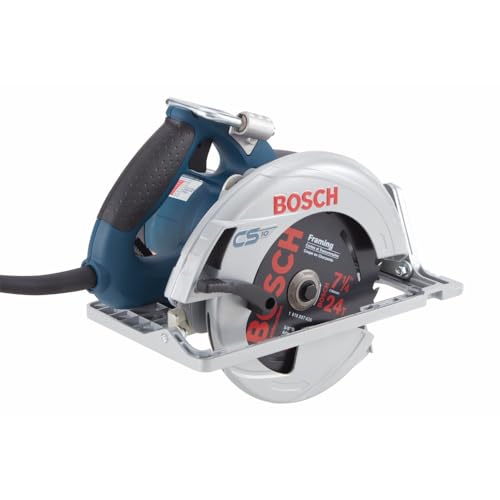


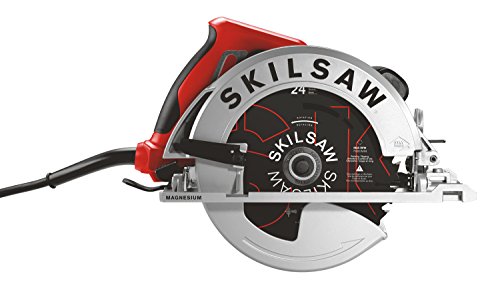


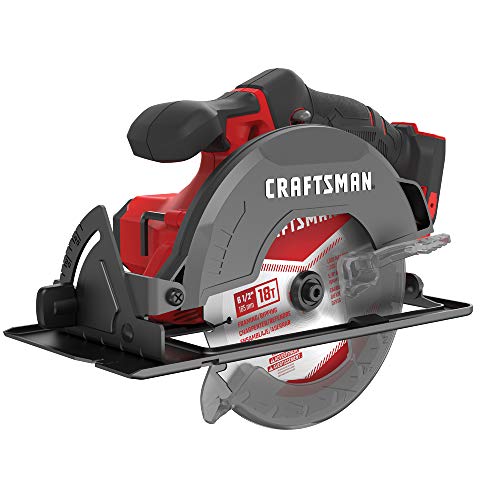
Types Compared at a Glance
Three saw types cover almost all plywood work. A standard 7.25 inch sidewinder is the most versatile choice for full sheets, with depth for two layers at once and enough power for thick hardwood plywood. A compact 6.5 inch cordless saw is lighter and easier to guide along a straightedge, and it handles single sheets with ease. A worm drive saw adds torque for long rips, though it weighs more and tires your arm sooner on repeated cuts.
How the Types and Criteria Were Chosen
The criteria are ranked by what changes cut quality in plywood most. Power and performance come first, since a saw that slows in dense plies will wander and burn the edge. Battery platform and runtime come next, followed by ergonomics and weight, base plate durability, and warranty support. The points draw on maker specifications and buyer reports about splintering and tracking.
Who Should Buy Which Circular Saw for Plywood?
Cabinet and Furniture Builders
You cut hardwood plywood and veneered panels where a chipped edge ruins visible work. Prioritize a rigid shoe that stays flat, tracking that does not flex against a straightedge, and smooth power that does not surge at the start of a cut. A standard or compact saw with a fine finish blade will serve you best, since most of your cuts happen at a comfortable height on sawhorses or a workbench.
Home Remodelers Cutting Full Sheets
You break down 4 by 8 foot sheets for subfloors, shelving, and storage builds, often in a driveway or garage. You need depth and power for long rips without stopping, plus a saw you can lift onto a sheet many times a day. A standard 7.25 inch sidewinder, corded or cordless, fits this work well and also handles framing lumber when a project calls for it.
Small Shop Owners With Limited Space
You store tools in a tight corner and often cut on a folding table or on foam board on the floor. A compact saw earns its place here. It stores easily, feels less tiring on short cuts, and still cuts single sheets cleanly with the right blade. If storage is your main limit, look at the best mini circular saw styles as well.
How to Choose the Right Circular Saw for Plywood
Size and Form Factor
Blade diameter sets cutting depth. A 7.25 inch saw cuts about 2.5 inches deep at 90 degrees, enough for two sheets at once. A 6.5 inch saw cuts a little over 2 inches deep, enough for one sheet plus a sacrificial board below it.
Sidewinder saws place the motor beside the blade for low weight and a compact body. Worm drive saws place the motor behind the blade, giving a longer body and a view of the cut line from the left side.
Power and Performance
For corded saws, look at amps. Models around 15 amps hold speed well in dense plywood. For cordless saws, look at reports of slowdowns in thick material.
Steady speed matters more than peak speed, since a saw that holds its pace leaves a smoother edge and puts less heat into glue lines. Depth settings should lock firmly, and you should set depth so the teeth extend only a small amount below the sheet to reduce chipping and exposed blade.
Blade Choice for Clean Edges
The blade decides edge quality more than the saw does. For plywood, choose a fine finish blade with a high tooth count, often 40 to 60 teeth on a 7.25 inch blade. More teeth take smaller bites and leave a smoother veneer edge.
Keep a dedicated plywood blade separate from your framing blade so it stays sharp. A thin kerf blade also helps cordless saws, since it removes less material and asks less of the motor on each pass.
Cordless vs Corded Power
Cordless saws free you from dragging a cord across a wide sheet, where it can catch on a corner and pull the saw off line. Corded saws give steady power for long sessions and cost less for the same cutting ability. If you cut all day in one shop, a look at the best corded circular saw models may save you money on batteries. Cordless users should plan on two packs for sheet work and keep spares warm in cold weather for full runtime.
Battery Platform and Brushless Motors
Staying on a battery platform you already own saves real money, since bare saws cost far less than full kits. Small packs run out fast in a full size saw, while larger packs add weight and change balance. Brushless motors help cordless saws hold speed in dense glue lines and need less service over time. On a corded saw used for short cuts, that gain is smaller.
Ergonomics and Weight
You guide the saw by hand for the full length of every cut, so weight and grip shape shape your results. A saw around 7 to 9 pounds feels manageable for most people on sheet goods. Look for a front handle that lets you steer without twisting your wrist, and check that you can see the guide notch clearly. Check that notch against a real cut, since a notch that reads off will mislead you until you learn its offset.
Features Worth Paying For
An electric brake stops the blade quickly, which helps when you make many short cuts in a row. A dust port that fits a shop vacuum keeps the cut line visible and reduces fine dust. A laser guide helps on freehand cuts but adds little with a straightedge, so treat it as a bonus.
For demanding long cuts, the best worm drive circular saw style offers torque and durability worth paying for, if you accept the extra weight. Spend first on shoe quality and dust control.
Accessories, Warranty, and How Much to Spend
Budget for a clamp on straightedge, rigid foam to support panels flat, painter tape for delicate veneers, and a fine finish blade from day one. A warranty of at least one year is standard, and longer motor coverage helps heavy users. On price, expect about $50 to $100 for a basic corded saw, about $100 to $200 for stronger motors and cordless bare tools, and over about $200 for brushless kits and premium worm drive builds. Fund the blade and support setup first if money is tight.
What Matters Most in a Circular Saw for Plywood
Clean edges come from a system, not a single spec. Support the sheet fully so it cannot sag or pinch the blade. Cut with the good face down on most saws, since teeth exit at the top and chip that face more.
Use tape along the line on fragile veneer, score delicate panels with a knife, and feed at a steady pace. Our breakdown of circular saw vs track saw explains when a guided rail system earns its higher cost for cabinet work instead.
Technique protects you as well as the wood. Clamp the sheet and the guide before you start, keep both hands gripping the saw until the blade stops, and stand to the side of the cut line. If a cut binds, stop, let the blade halt, and fix the support instead of pushing harder.
Common Mistakes to Avoid
- Cutting on a sagging sheet, which pinches the blade and leaves a wandering, burned edge.
- Using a coarse framing blade on veneered panels, which chips the top face along the whole cut.
- Setting the blade far deeper than the sheet, which adds tear out and exposes more blade than needed.
- Forcing the feed rate when the saw slows, which overheats the blade and can trigger kickback.
- Skipping eye and hearing protection because plywood seems like a light material.
- Trusting the guide notch without a trial cut, which bakes a small error into every project.
How to Make Your Circular Saw Last Longer
Clean the blade often, since glue and resin from sheet goods coat the teeth and make a sharp blade cut like a dull one. Remove the blade, soak it in blade cleaner or a mild detergent solution, scrub with a soft brush, and dry it fully. Wipe dust from the motor vents and the lower guard pivot after each session, since packed dust can make the guard stick open. For stance and handling basics, review how to use a circular saw before your first full sheet session.
Store the saw with the guard closed and the cord or battery removed. Check the shoe for bends after any drop, since a bent shoe will never track straight. Replace a frayed cord at once rather than taping it.
FAQ
What is the best circular saw for plywood?
For most people it is a 7.25 inch sidewinder paired with a fine finish blade, since that mix balances depth, weight, and cost for full sheets. Choose a compact cordless model if you cut single sheets and value low weight. Choose a worm drive model if long rips in thick stock fill your week. The saw body matters less than blade quality and full support under the panel on every cut.
What should I look for in a circular saw for plywood?
Start with a flat and rigid shoe, firm depth locks, and a clear view of the guide notch. Then check motor strength for the material you cut most, and confirm the saw accepts common fine finish blades in its size. One point buyers miss is guard action. A lower guard that snaps back smoothly protects you during the angled starts that sheet work sometimes needs, so check its movement before you commit.
How long does a circular saw last?
A well kept saw often serves for many years of home use, and job site saws can also last when owners clean and store them dry. Blades are the consumable part and may need replacing after months of regular sheet work, sooner if you cut dirty or reclaimed panels. The most common early failures are a damaged cord and a bent shoe from a drop, both of which careful storage prevents.
Is a circular saw worth it for plywood projects?
Yes, if you build with sheet goods more than once or twice a year. Your own saw lets you break down full sheets in the driveway so they fit your vehicle and shop, and it saves repeated store cutting fees. It also gives you control over blade choice, since store saws may use a coarse blade. Renting suits a single weekend project.
How do you clean a circular saw?
Unplug the saw or remove the battery first. Brush loose dust from the housing, vents, and guard, then wipe the shoe with a dry cloth. Clean the blade separately as described in the care section, and add one step many owners skip. Check the arbor and blade washers for packed resin, since buildup there can make the blade sit slightly off true and wobble during a cut.
What is the most reliable circular saw brand?
No single brand wins for every buyer, and reliability claims without data behind them are not worth much. Judge a maker by warranty length, ease of getting parts such as guards and shoes, and local service support. A saw you can repair with common parts will outlast a fancier saw with scarce parts.
Final Thoughts
Match the saw type to your sheets, your space, and how often you cut, then invest in a fine finish blade and a solid straightedge. Those additions do more for edge quality than any single spec on the box. Use the product table above to compare types side by side, and pick the best circular saw for plywood that you will handle with confidence on a full sheet.


