
Best Circular Saw for Framing: Buying Guide for 2026
Disclosure: We may earn a commission when you buy through links on this page, at no extra cost to you. As an Amazon Associate I earn from qualifying purchases. Learn more

The best circular saw for framing compared by type: sidewinder, worm drive and compact cordless saws, with bevel depth, weight, battery platform and price.
Framing asks more of a saw than occasional cuts in sheet goods. You cut framing lumber again and again, often at an angle, often while standing on a ladder or leaning over a stack of studs. A saw that feels fine for two cuts can slow you down across a full wall or a roof. Choosing the best circular saw for framing means matching power, depth, weight, and cut line visibility to the work you actually do each day.
This guide compares saw types rather than naming individual models, and it focuses on power and performance, battery platform and runtime, and ergonomics and weight. Use the comparison table below to line up the main types, then read the sections that follow for the details behind each spec. If you want the wider category view first, see our guide to the best circular saw before you narrow your choice to framing.
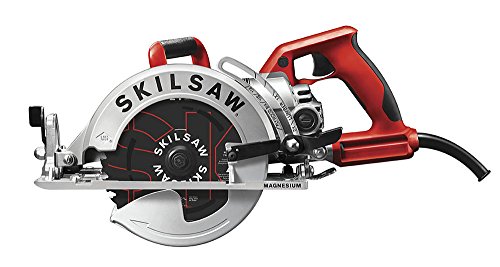


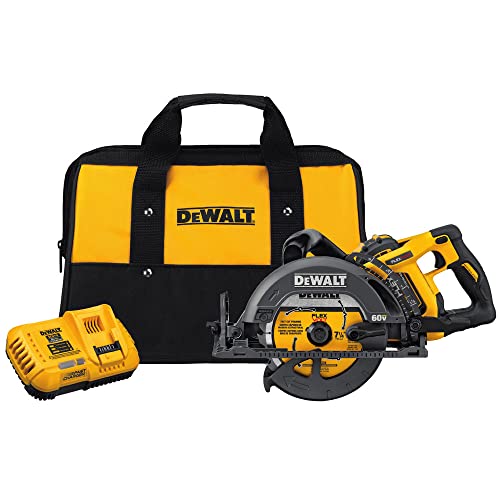
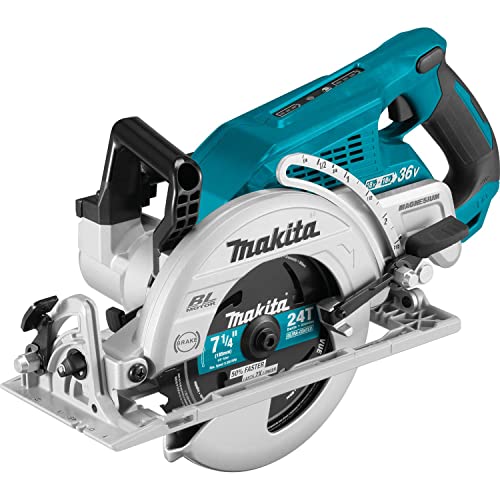

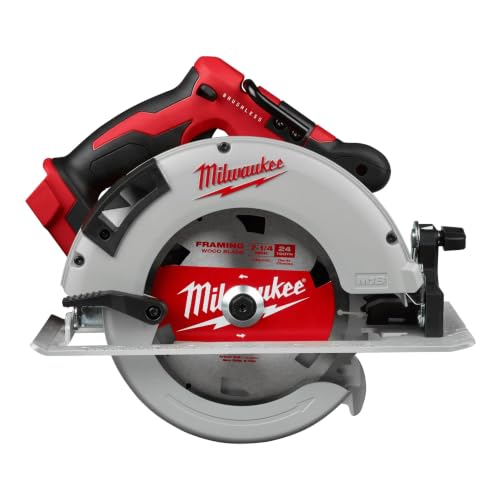

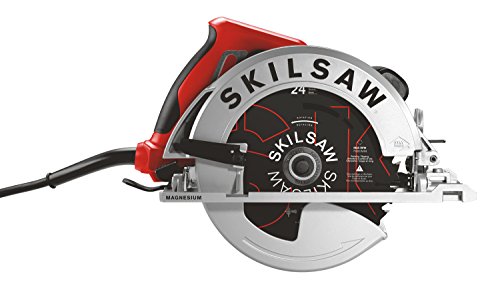

The Short List at a Glance
For framing, the short list comes down to three types rather than three brands. A sidewinder is the general purpose choice for most crews and most wall work. A worm drive saw suits long rips and dense lumber where torque matters most. A compact cordless saw handles short cuts and blocking where a full size saw is more trouble than the cut itself.
Three Types to Compare for Framing
Sidewinder Saws for General Framing Work
A sidewinder places the motor beside the blade, which keeps the saw shorter and usually lighter than a worm drive design. That balance helps when you carry the saw between cuts or cut studs to length all morning. Most sidewinders use the common 7 1/4 inch blade size, so blades are easy to find at any supply store. For wall framing and general site work, this type covers the widest range of tasks.
Worm Drive Saws for Torque and Sight Lines
A worm drive saw places the motor behind the blade and uses gears to deliver strong torque at a lower blade speed. The longer body gives you a different view of the cut line, and many framers prefer that view for long rips and for cuts in dense or wet lumber. The trade off is weight, since this type can tire your arm during overhead work. If that layout suits your style, compare options in our guide to the best worm drive circular saw.
Compact Cordless Saws for Tight and Quick Work
A compact cordless saw uses a smaller blade, often 6 1/2 inch, and trades some cutting depth for low weight and easy handling. It shines for trimming blocking and making short cuts where a full size saw feels clumsy. Depth is the limit to respect, since a smaller blade may not finish a thick cut at a steep bevel in one pass. Treat this type as a second saw for most crews.
How to Evaluate a Circular Saw for Framing
Start with the lumber you cut most. A saw that powers through dry studs may still bog down in wet or dense stock, so motor strength under load matters more than a top speed figure alone. Next, weigh runtime against weight if you choose cordless, since a larger battery adds pounds you lift with every cut.
Then check a sturdy shoe, a guard that moves freely, and controls you can adjust while wearing gloves. Finally, confirm the warranty terms.
How to Choose the Right Circular Saw for Framing
Size and Form Factor
Blade size sets your maximum depth of cut, and framing lumber sets the bar. A 7 1/4 inch blade cuts through nominal 2 inch lumber at 90 degrees and still finishes the same stock at a 45 degree bevel in one pass. A 6 1/2 inch blade cuts the same lumber square, but it can fall short on bevel cuts in thicker stock. Form factor matters too, since a longer saw tracks well on rips while a shorter saw turns more easily in tight bays between joists.
Type
Beyond the three types above, you will see track saws and mini saws in the same store aisle, and neither is built for framing speed. A track saw gives clean cuts in sheet goods but slows down repeated crosscuts. A mini saw lacks the depth for bevel cuts in framing lumber. Drive layout also shapes feel, and our comparison of worm drive vs sidewinder explains how motor position changes balance and torque.
Features Worth Paying For
A rafter hook earns its cost the first time you hang the saw on a top plate instead of setting it on the ground. An electric brake stops the blade sooner after each cut, which helps when you make hundreds of cuts and move quickly between them. A clear dust blower keeps the cut line visible without extra effort from you. A laser guide sounds useful, but daylight on a framing site often washes it out, and a rip fence only helps if you rip narrow stock often enough to use it.
Cordless vs Corded Power
Corded saws deliver steady power all day and weigh less, since they carry no battery, but the cord can snag on lumber stacks. Cordless saws free you to cut anywhere on the site and remove a tripping hazard from walkways. Their limit is runtime, which drops faster in cold weather and during long rips. Many crews keep one of each, and our guide to the best corded circular saw covers the corded side in detail.
Battery Platform
If you already own cordless tools, staying on the same battery platform saves money and keeps every pack in rotation. Check how many amp hours the packs you own provide, since a compact pack that suits a drill may fade quickly in a saw under load. Look at how many batteries and chargers a full day of framing would need, including a spare charging while you work. Also confirm that the saw you want is sold as a bare tool, because that option costs less when you already own suitable packs.
Brushless Motors
A brushless motor adjusts power delivery electronically instead of passing current through carbon brushes. In practice, that design tends to run cooler, waste less battery charge as heat, and deliver steadier torque when a cut gets demanding. It also removes brush replacement from your maintenance list.
Brushless models usually cost more up front, so the value depends on how often you cut. A crew sawing daily gains more from the efficiency than a homeowner framing one shed each summer.
Accessories and Warranty
Budget for the items the saw needs from day one, including a framing blade with fewer teeth for fast cuts in lumber and a case or bag that protects the shoe from bending in transit. A sturdy storage setup matters, since a bent shoe will throw every cut off square. Read the warranty for what it covers on the motor and the gear housing, and check whether service requires shipping the saw away. Before your first project, read a walkthrough of how to use a circular saw to set depth and bevel safely.
How Much Should You Spend?
Expect basic corded and compact cordless saws at about $50 to $100, suited to light framing and occasional projects. The middle band, about $100 to $200, is where most full size framing saws sit, with stronger motors, better shoes, and features such as an electric brake. Above about $200, you mostly pay for brushless motors, larger battery kits, and worm drive designs. Spending more does not fix a poor match, so choose the type and size first and let price settle the final pick.
What Matters Most in a Circular Saw for Framing
Framing differs from finish work in one key way, since speed and repeat accuracy matter more than a polished edge. You need bevel capacity for rafter and header cuts, with clear angle marks you can set fast and trust. You need a shoe that stays flat and locks square, because a small error repeats across every stud in a wall. You also need controls placed for gloved hands, a guard that retracts smoothly when you start a cut at an angle, and enough power to keep blade speed steady in knots and dense grain.
Weight shapes your day more than any single spec. A heavier saw can feel stable on long rips, yet the same saw punishes you on ladder work and overhead cuts. Balance matters as much as the number on the scale, since a saw that hangs evenly from your grip takes less effort to guide. Think about which hand you cut with as well, because blade position decides whether you see the cut line directly.
FAQ
What is the best circular saw for framing?
For most people, a full size sidewinder with a 7 1/4 inch blade is the safest single choice, since it balances depth, weight, and blade availability. Choose a worm drive design instead if most of your work is long rips or cuts in dense lumber and you prefer its sight line. Your dominant hand also plays a part, because blade side decides how easily you see the line, a detail many buyers only notice after the first day of cutting.
What should I look for in a circular saw for framing?
Look first at the shoe, since a thick, flat shoe made of magnesium or sturdy aluminum resists bending when the saw gets knocked around on site. Check that the depth and bevel levers lock firmly and do not creep during a cut. Confirm the blade wrench stores on the saw itself, so changes in the field do not send you back to the truck. These small hardware points separate saws that stay accurate for years from saws that drift out of square.
How long does a circular saw last?
A framing saw can serve for many years, and the parts that usually end its life are worn motor brushes on brushed models, a tired blade guard spring, and a shoe bent by a hard drop. Cordless models add one more limit, since battery packs lose capacity over time even when the saw itself stays sound. Storing the saw dry and off the ground slows corrosion on the shoe and guard. Replacing a dull blade on time also protects the motor from strain.
Is a circular saw worth it for framing?
Yes, if you frame more than a single small project, because the saw replaces slow hand cutting and handles studs, plates, joists, and sheathing with one tool. Renting can suit a single weekend job, yet rental cost adds up across a remodel with several framing stages. Ownership also means the saw is ready for small cuts that appear without warning. For one tiny repair, renting remains the cheaper path.
How do you clean a circular saw?
Unplug the saw or remove the battery, then brush loose dust from the guard, the shoe, and the motor vents with a dry brush or low pressure air. Wipe pitch and resin from the blade area with a cloth, and check that the lower guard snaps back fully once clean, since buildup can make it sluggish. Never wash the saw with water, and keep solvents away from the motor housing. A clean guard that moves freely is a safety feature, not just good housekeeping.
What is the most reliable circular saw brand?
No single brand wins for every buyer, and reliability on a framing site depends as much on service as on the saw itself. Check whether parts such as guards, shoes, and switches are easy to order for the model you choose, and whether a service center sits near you. A brand with a wide dealer network gets you back to work sooner after a repair. Long warranty support on the motor and gear housing is a stronger signal than a famous name alone.
Final Thoughts
Match the saw to your lumber, your site, and your hands, and the right choice becomes clear. A sidewinder covers most framing, a worm drive rewards long and heavy cuts, and a compact cordless saw earns its keep as a second tool. Return to the product table above to compare types against the criteria in this guide, and use our notes on how to choose a circular saw if you are still weighing the wider category. Chosen well, the best circular saw for framing will cut straight and feel balanced for years.


