
Best Circular Saw for DIY Projects: Buying Guide for 2026
Disclosure: We may earn a commission when you buy through links on this page, at no extra cost to you. As an Amazon Associate I earn from qualifying purchases. Learn more

The best circular saw for diy work compared by type: cordless and corded sidewinders and compact saws, with notes on depth, weight, batteries and budget bands.
A circular saw is often the first power saw a homeowner buys, and the choice can feel crowded. Blades, voltages, weights and motor styles all compete for your attention before you have cut a single board. This guide narrows the field to the best circular saw for diy projects, meaning weekend work like shelving, deck repairs and framing a garden shed. The comparison table below sums up the main saw types.
Instead of naming specific models, this article compares saw types and the criteria that separate them, such as power, battery runtime, weight and cutting depth. That way you can match any saw against the needs of your own project list. For the wider category view, start with our guide to the best circular saw options for every kind of user.

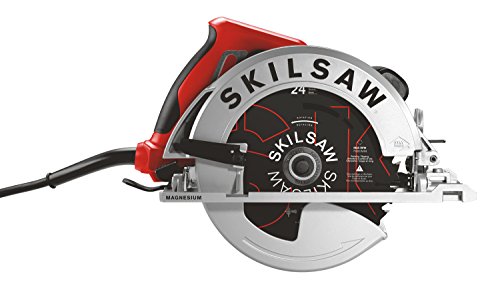
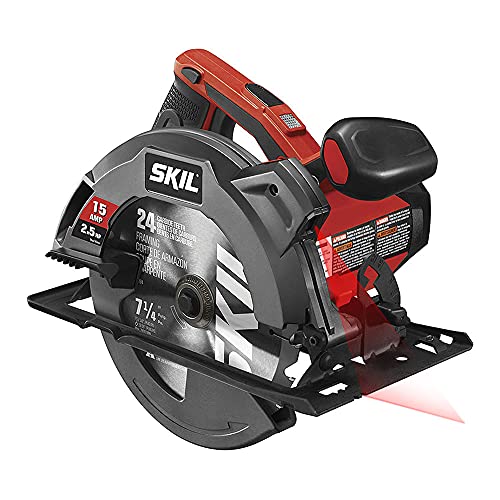
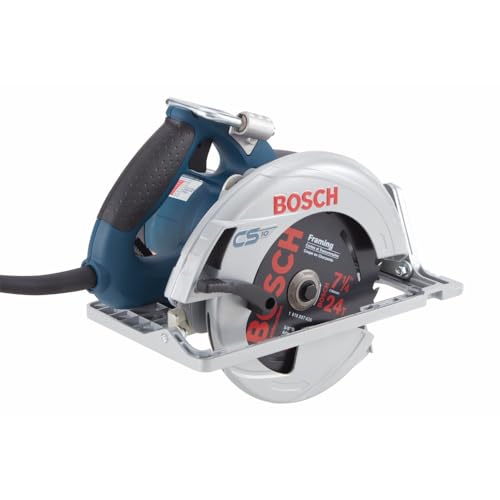

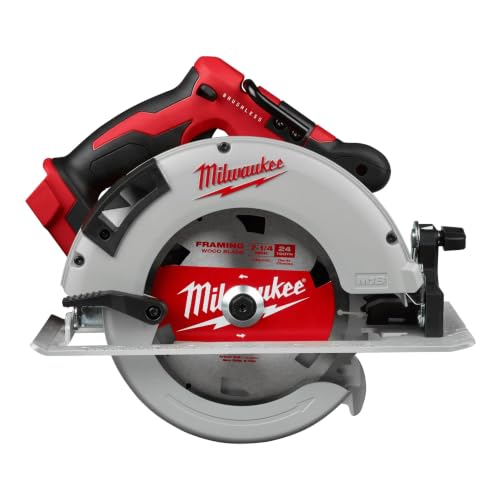


Saw Types Compared for DIY Work
Three saw types cover nearly every project. A full size cordless sidewinder is the most versatile choice, a corded sidewinder delivers steady power for long sessions, and a compact mini saw handles light sheet goods and tight spaces. The right pick depends on your cutting habits.
Full Size Cordless Sidewinder Saws
This is the default recommendation for most households. The motor sits beside the blade, which keeps the saw light and easy to steer. A seven and one quarter inch blade cuts through two inch lumber in a single pass, so framing, plywood and decking are all within reach.
Cordless freedom matters because projects move around the house and yard. The trade off is runtime, since a long ripping session can drain a small battery pack.
Corded Sidewinder Saws
A corded saw trades freedom of movement for unlimited runtime and a lower price at the same power level. If your projects happen in a garage or workshop with outlets nearby, the cord is a small inconvenience. Corded models also weigh a little less because no battery adds mass at the back. They suit long days of repeated cuts, such as breaking down many sheets of plywood for built in cabinets.
Compact and Mini Saws
Compact saws use smaller blades, often four and one half inches, and weigh far less than full size models. That makes them appealing for overhead cuts, small hands and quick trim jobs where a big saw feels clumsy. Their shallow depth limits them to sheet goods, flooring and single boards.
Shoppers curious about this format can compare the best mini circular saw options before deciding. For most users a mini saw works best as a second saw.
How the Criteria in This Guide Were Chosen
The criteria below come from manufacturer specifications, common buyer questions and the demands of typical home projects. Power and cutting performance come first, because a saw that bogs down in plywood will frustrate a new owner quickly. Battery platform and runtime come next for cordless models, followed by ergonomics and weight, since a saw that tires your arm gets used less. Durability, guard design and warranty coverage round out the list.
How to Choose the Right Circular Saw for DIY
The sections below walk through each buying factor in the order most shoppers meet them. Work through them with your next few projects in mind. A fuller walkthrough of the same decision process appears in our guide on how to choose a circular saw.
Size and Form Factor
Blade size sets cutting depth, and cutting depth decides which materials you can finish in one pass. A seven and one quarter inch blade typically cuts about two and three eighths inches deep at ninety degrees, enough for two inch framing lumber and most sheet goods. A six and one half inch blade cuts a little shallower but trims weight, which helps at awkward angles or above shoulder height. Bevel cuts reduce depth further, so check the rating at forty five degrees if you plan angled cuts in thick stock.
Saw Type and Motor Layout
Sidewinder saws place the motor beside the blade, giving a light, balanced tool that most DIY users find easy to control. Worm drive saws put the motor behind the blade and deliver more torque, which helps in dense or wet lumber but adds noticeable weight. Track saws run on a guide rail for very straight, clean cuts in sheet goods, though they cost more and cut shallower. For general home use the sidewinder layout remains the practical middle ground.
Features Worth Paying For
A few features genuinely help a home user. An electric brake stops the blade quickly after you release the trigger, which shortens the risky seconds while the blade spins down.
A blade guard that retracts smoothly matters because a sticky guard tempts people into unsafe workarounds. Dust ports that fit a shop vacuum keep cut lines visible in a garage. A laser guide or an LED light is pleasant but less important than a rigid base plate that stays square. Spend first on the brake, the guard and the base plate.
Cordless vs Corded Power
Cordless saws win on convenience. You can cut in a driveway, on a roof or at the far end of a yard without hunting for an outlet or dragging an extension cord. Runtime is the limit, and heavy ripping drains packs fastest.
Corded saws never slow down mid project and usually cost less for the same cutting power, which is why the best corded circular saw models stay popular with workshop based builders. If your projects cluster in one work space, corded power is hard to beat on value.
Battery Platform
Buying a cordless saw also means buying into a battery platform, and that choice follows you for years. If you already own cordless drills or other tools, staying on the same platform lets every battery fit every tool, which saves real money. Look at the amp hour rating on the pack, since larger packs run a saw far longer between charges. A two battery kit with a fast charger keeps a big project moving while one pack charges.
Brushless Motors
Brushless motors control power electronically instead of through carbon brushes, and the difference shows up in two ways DIY users care about. The saw adjusts output to the load, so it pulls harder in dense lumber and sips power in thin stock, stretching runtime. There are also no brushes to wear out and replace, which removes one common maintenance task.
Brushless models cost more up front. If you expect to cut often or keep the saw for many years, the extra cost is easier to justify.
Accessories and Warranty
Budget for the extras a saw needs from day one. A rip fence helps repeat straight cuts along a board edge, a carrying case protects the base plate in storage, and spare blades in different tooth counts cover both framing and finish work. A general purpose blade with about twenty four teeth suits rough cuts, while a fine blade with sixty or more teeth leaves cleaner edges in plywood. Warranty length varies widely, from one year to several, and longer coverage signals maker confidence.
How Much Should You Spend?
DIY circular saws fall into three rough price bands. Under about $100 you get basic corded models and entry cordless saws sold without batteries, fine for light and occasional cutting. Between about $100 and $200 sits the range most homeowners should target, with stronger motors, better base plates and, for cordless kits, two batteries included.
Above about $200 you pay for brushless motors, premium build and pro level runtime. The middle band removes most frustrations that make cheap saws unpleasant to use.
What Matters Most in a Saw for DIY Projects
DIY use has a pattern that pro use does not. Projects arrive in bursts, the saw may sit in a cabinet for a month, and the person holding it is still building skill. That pattern favors a saw that is forgiving to handle.
Moderate weight, a comfortable grip and a clear view of the blade line matter more than raw torque you will rarely use. A saw that feels secure in your hands also keeps cuts straighter.
Versatility matters too, since a household saw meets plywood one weekend and pressure treated decking the next. Our comparison of circular saw vs miter saw designs explains where a miter saw takes over for repeated cross cuts at fixed angles. A circular saw stays the better first purchase because it rips, cross cuts and bevels with one tool. Pair it with a straight edge guide and you can break down full sheets accurately without a table saw.
Safety habits belong here because new users underestimate them. Always let the blade reach full speed before it touches the wood, support sheet goods so the offcut cannot pinch the blade, and wait for the blade to stop before setting the saw down. If the guard sticks or the blade wobbles, stop using the saw until it is repaired. Our step by step guide on how to use a circular saw covers stance, clamping and cut setup in detail.
FAQ
What is the best circular saw for DIY?
For most households it is a full size cordless sidewinder with a seven and one quarter inch blade, moderate weight and a battery platform you can grow with. That combination handles framing, sheet goods and decking without a cord. One detail buyers overlook is charger speed, since a slow charger can stall a weekend project while you wait. If you mostly work in one garage, the corded equivalent costs less.
What should I look for in a circular saw for DIY?
Start with cutting depth at both ninety and forty five degrees, then check weight with the battery fitted, not the bare tool weight makers often quote. Confirm the base plate is cast or heavy stamped metal and locks square without play. Also look at where the blade sits relative to your dominant hand, because blade visibility changes with saw layout. A saw you can see clearly along the cut line will cut straighter than a stronger saw that hides the blade.
How long does a circular saw last?
A decent DIY saw often serves ten years or more, because home use adds up to far fewer cutting hours than job site work. The parts that age first are usually the brushes on brushed motors, the battery packs on cordless models and the guard spring. Storing the saw dry and off a cold concrete floor slows corrosion on the base plate. If cutting power fades, try a fresh blade before blaming the motor, since dull blades cause most slow cuts.
Is a circular saw worth it?
Yes, for anyone who cuts lumber or sheet goods more than a few times a year. It replaces slow handsaw work and handles jobs a miter saw cannot, such as ripping a full plywood sheet or trimming a door in place. The value grows if you already own batteries on the same platform, because the bare tool price drops sharply. Renting still makes sense for a single one day project, but regular remodel plans repay the purchase quickly.
How do you clean a circular saw?
Unplug the saw or remove the battery, then brush sawdust from the guard, vents and base plate with a stiff brush. Resin buildup on the blade comes off with a blade cleaning solution and a short soak, followed by a careful dry. Never hose the tool down or spray cleaner into the motor vents. While cleaning, spin the blade by hand with gloves on and listen for rough bearing noise, which is cheaper to catch early.
What is the most reliable circular saw brand?
No single brand wins for every buyer, and reliability claims are hard to verify across models. A more useful measure is support. Favor makers that sell replacement guards, brushes and base plates for years after a model launches, and that honor warranties through local service centers. Long parts availability keeps a saw working long after a cheaper tool with no parts support becomes scrap.
Final Thoughts
Choosing the best circular saw for diy work comes down to matching saw type to your habits. Pick the cordless sidewinder if your projects move around the house, the corded model if you cut in one place for long stretches, and a compact saw only as a light duty partner. Use the product table above to compare types against your project list, and weigh depth, weight and battery platform before brand.


