
Best Circular Saw for Beginners: Buying Guide for 2026
Disclosure: We may earn a commission when you buy through links on this page, at no extra cost to you. As an Amazon Associate I earn from qualifying purchases. Learn more

The best circular saw for beginners is one you can hold steady and stop fast. Compare sidewinder, compact cordless and mini saws, brakes, blades and budgets.
A circular saw is often the first power saw a new woodworker buys, and the choice can feel risky when every model lists amps, volts, and blade sizes you have not learned yet. The best circular saw for beginners is not the most powerful one on the shelf. It is the one you can hold steady, see the cut line clearly, and stop quickly when a cut goes wrong.
This guide compares the main saw types by power, weight, and ease of control, so you can match a saw to your first projects, and the comparison table below sums up the key differences. For the wider picture across every experience level, our guide to the best circular saw models covers the full range, while this one narrows the field to the formats that suit learning hands: standard sidewinder saws, compact cordless saws, and small mini saws.
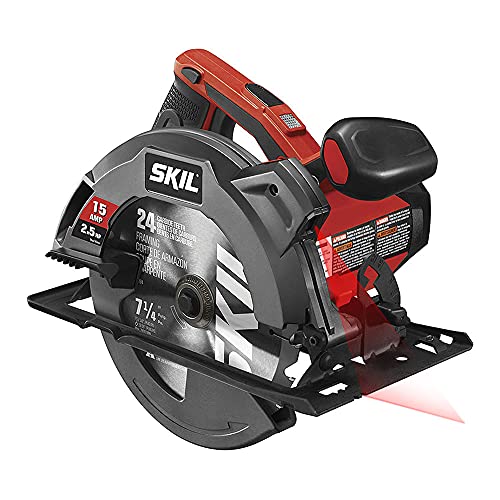

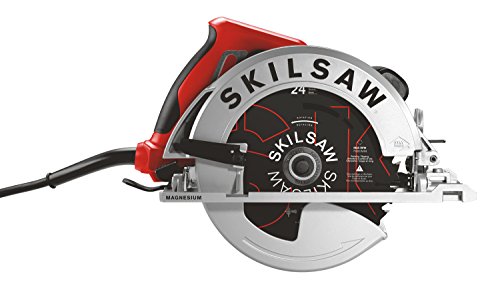
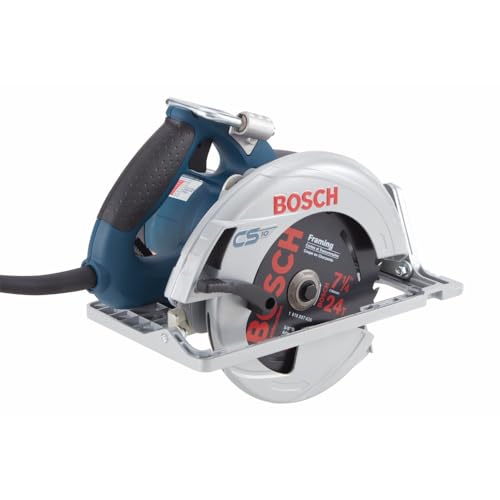

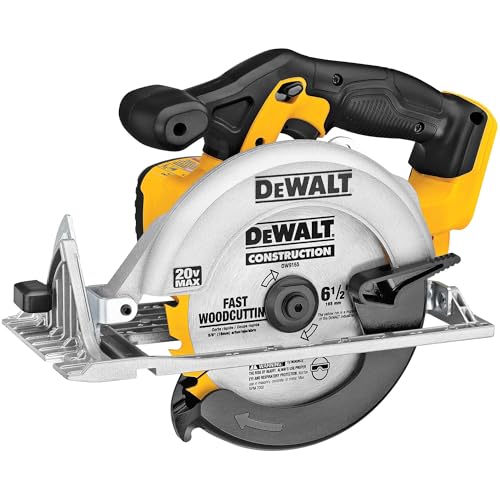


Circular Saw Types Compared for New Users
Rather than ranking individual models, it helps to compare the three formats a beginner is most likely to meet, by the jobs each handles and the drawback to accept.
Full Size Sidewinder Saws
A sidewinder mounts the motor beside the blade, which keeps the saw short, light for its power, and simple to service. With a 7 1/4 inch blade it cuts through two by lumber in one pass and handles sheet goods, deck boards, and framing offcuts without strain. For most beginners this is the default choice, since the weight stays manageable during long rip cuts and the layout is the one most tutorials assume.
Compact Cordless Saws
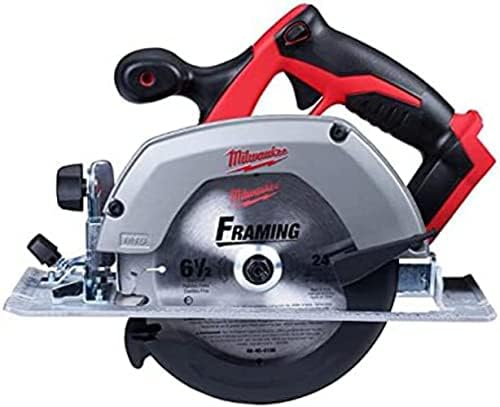
Compact cordless models use a 6 1/2 inch blade and run on a battery pack, so you can trim a fence board or break down plywood in the driveway with no cord to manage. They weigh less than full size saws, which reduces arm fatigue while you build steady technique. Cutting depth is the trade off: a smaller blade may need two passes on thick stock, and runtime depends on the battery you own.
Mini Circular Saws
Mini saws use blades around 4 1/2 inches and are built for thin material: laminate flooring, plywood panels, tile backer board, and plastic sheet. Their small body keeps the blade easy to see and the cut easy to guide. If small stock is your main work, the best mini circular saw formats cut with less fuss than a full size tool. They are not a substitute for a standard saw, though, because the shallow depth cannot handle framing lumber in one pass.
What to Look For in a Beginner Saw
The criteria here put control ahead of raw power. Cutting depth and motor strength are weighed against weight and balance, since a saw you can hold level makes straighter cuts than a stronger saw that pulls your wrist down. Clear sight lines to the blade, adjustments you can set without tools, and safety parts that work smoothly also count, such as a guard that retracts without sticking and an electric brake that stops the blade fast. Warranty length and parts availability round out the list, drawn from maker specifications and patterns in buyer feedback.
How to Choose the Right Circular Saw for Beginners
The sections below walk through each decision in the order it matters. If you want a broader framework that applies to every shopper, our walkthrough on how to choose a circular saw covers the full decision process. Here the focus stays on what changes when the hands holding the saw are new.
Size and Form Factor
Blade size sets cutting depth. A 7 1/4 inch blade typically cuts about 2 1/2 inches deep at 90 degrees, enough for two by lumber and stacked sheet goods. A 6 1/2 inch blade cuts about 2 1/4 inches, still fine for most stock, in a lighter body.
Form factor matters just as much: a saw that feels balanced when you lift it by the main handle will track straighter than one that tips forward. Hold display models if you can, and check that your fingers reach the trigger without stretching.
Saw Types Explained
Beyond the three formats above, you will see worm drive saws and track saws in stores. A worm drive puts the motor behind the blade with gearing that delivers high torque, but the saw is long and heavy, which makes it tiring while you learn. A track saw runs along a rail for very straight cuts in sheet goods, yet it costs more and cuts shallower than its size suggests. Treat both as later upgrades once your standard saw feels routine.
Features Worth Paying For
An electric brake tops the list, stopping the blade within a couple of seconds after you release the trigger instead of letting it spin down slowly. A laser guide or a simple LED light helps you follow a pencil line, though the notches on the shoe are the reference to trust. A rip fence that slides into the shoe keeps repeat cuts parallel to an edge.
Look for depth and bevel levers you can move with one hand, and a blade wrench that stores on the saw. Skip bundled extras like extra blades of low quality; one good blade beats three poor ones.
Cordless vs Corded
Corded saws give steady power for as long as you work and cost less for the same cutting strength, but the cord can snag on a sheet edge and pull the saw off line, a real hazard while you are learning. Cordless saws remove that risk and move anywhere, at the price of battery management and higher cost. If your projects happen near an outlet and run long, start with our look at the best corded circular saw options. If you work in yards or sheds, cordless freedom usually wins.
Battery Platform
Buying a cordless saw also buys you into a battery family. The pack that powers your saw can later run a drill, a sander, or a work light from the same maker, which spreads the cost of batteries and chargers across several tools. Check the amp hour rating: higher numbers mean longer runtime between charges, at more weight on the saw. If you already own a cordless drill, a saw on the same platform saves you a second charger and spare pack.
Brushless Motors
Brushless motors control power electronically instead of through carbon brushes that wear down. In practice you get longer runtime from the same battery, steadier speed when the blade meets a knot, and no brushes to replace later. The cost is a higher price at the shelf.
For occasional weekend projects, a brushed motor is honest value. If the saw will anchor a growing cordless collection, brushless is the version you will not outgrow quickly.
Accessories and Warranty
Budget for a few extras from the start: safety glasses, hearing protection, a clamp or two, and a straight edge guide for long cuts. A spare blade suited to your material, such as a fine tooth blade for plywood, prevents torn edges. On warranty, most makers cover the tool for about three years, with batteries often covered for a shorter term. Register the purchase, keep the receipt, and confirm that service centers exist in your region before you commit.
How Much Should You Spend?
Under about $50 you find basic corded saws and bare cordless tools without a battery; they cut, but expect plainer adjustments and shorter warranties. Around $100 to $150 is the comfort zone for beginners, bringing electric brakes, better sight lines, and a battery and charger in cordless kits. Near $200 and above, you pay for brushless motors and magnesium parts that cut weight. The middle band usually serves a learner better than stretching to the top.
What Matters Most in a Circular Saw for Beginners
Safety and control decide whether a first saw builds skill or bad habits. Kickback, where the blade binds and the saw jumps toward you, is the main risk, and it drops sharply when you support the workpiece on both sides of the cut, set the blade depth just below the material, and let the saw reach full speed before it touches wood. Stand to the side of the cut line, and keep both hands gripping the tool until the blade stops.
Before every session, check that the lower guard springs back over the blade the moment you lift the saw from a cut, and never tie or wedge it open. Wear eye and hearing protection, and unplug the saw or remove the battery before changing blades. If a cut starts to wander, stop, back out, and reset rather than forcing the saw sideways. Our step by step guide on how to use a circular saw walks through stance, setup, and your first straight cuts.
It also helps to know what a circular saw is not for. Crosscuts on narrow boards are safer and squarer on a miter saw, and our comparison of circular saw vs miter saw explains where each tool takes over. A beginner saw earns its keep on rip cuts and sheet breakdown, and forcing it into finish carpentry roles is where frustration starts.
FAQs
What is the best circular saw for beginners?
For most new users it is a standard 7 1/4 inch sidewinder, corded or cordless, with an electric brake and a weight you can hold steady at chest height for a full minute. That format covers the widest range of first projects without demanding the arm strength a worm drive needs. Choose cordless if you already own batteries on a platform; choose corded if you want the lowest cost per cut and work near power.
What should I look for in a circular saw for beginners?
Start with the shoe. A flat, rigid shoe that sits square on the board matters more than extra motor power, since a rocking base makes every cut drift. Then check that the depth scale is stamped in numbers you can read at a glance, that the bevel stops click firmly at 45 degrees, and that the cord or battery sits where it will not block your view of the front notch.
How long does a circular saw last?
A homeowner saw used on weekend projects commonly serves ten years or more, with the blade, the cord, and the brushes wearing out long before the motor does. Cordless models add one limit: battery packs slowly lose capacity after several years of charge cycles, and replacement packs stay available only while the maker supports the platform.
Is a circular saw worth it for a beginner?
Yes, if your project list includes cutting plywood to size, trimming deck boards, or breaking down lumber that a store cut station cannot finish for you. It turns full sheets into project parts at home, a job no handsaw does quickly. If you only hang pictures and assemble flat pack furniture, rent one first and buy once a real project is scheduled.
How do you clean a circular saw?
Unplug the saw or remove the battery, then brush packed sawdust out of the guard track and motor vents with a stiff brush. Resin builds up on the blade and makes it cut like a dull one, so remove the blade and soak it in warm soapy water, scrub with a nylon pad, and dry it fully before refitting. Wipe the shoe with a lightly oiled cloth so it glides, and never use compressed air near the switch, which can drive grit deeper inside.
What is the most reliable circular saw brand?
Reliability tracks less with the badge than with how a maker supports its tools: length of warranty, spare parts that stay in stock, and service centers you can actually reach. Long established tool makers tend to hold parts for older models longer. Whichever badge you pick, a model with a published parts diagram and a three year warranty is a safer bet than a bargain tool with neither.
Final Thoughts
The right first saw keeps the cut line visible, the weight manageable, and the blade quick to stop. Match the format to your projects, spend into the middle price band, and treat the guard and brake as non negotiable. When you are ready, the best circular saw for beginners for your bench is waiting in the product table above, and a few practice cuts on scrap will teach you more than any spec sheet.


