Best Chukka Boots: A Complete Buying Guide for 2026
Disclosure: We may earn a commission when you buy through links on this page, at no extra cost to you. As an Amazon Associate I earn from qualifying purchases. Learn more

Compare the best chukka boots by material register, fit at the heel, soles and price bands, with plain guidance on break in, waterproofing and everyday care.
A chukka is the in between boot: higher than a shoe, lower and lighter than a tall boot, and at home with everything from jeans to a soft suit. That range is exactly what makes choosing one confusing, because the same shelf holds casual suede pairs and polished dress pairs that behave very differently. This guide explains how to compare best chukka boots by register, fit, and sole, so the pair you buy matches the life you will actually wear it in.
The comparison table below groups the main classes by material, sole, and price band. Read it alongside the buying guide sections that follow, which cover the register question first, then fit at the heel, waterproofing, break in, and the sole choices that decide where a chukka can go.




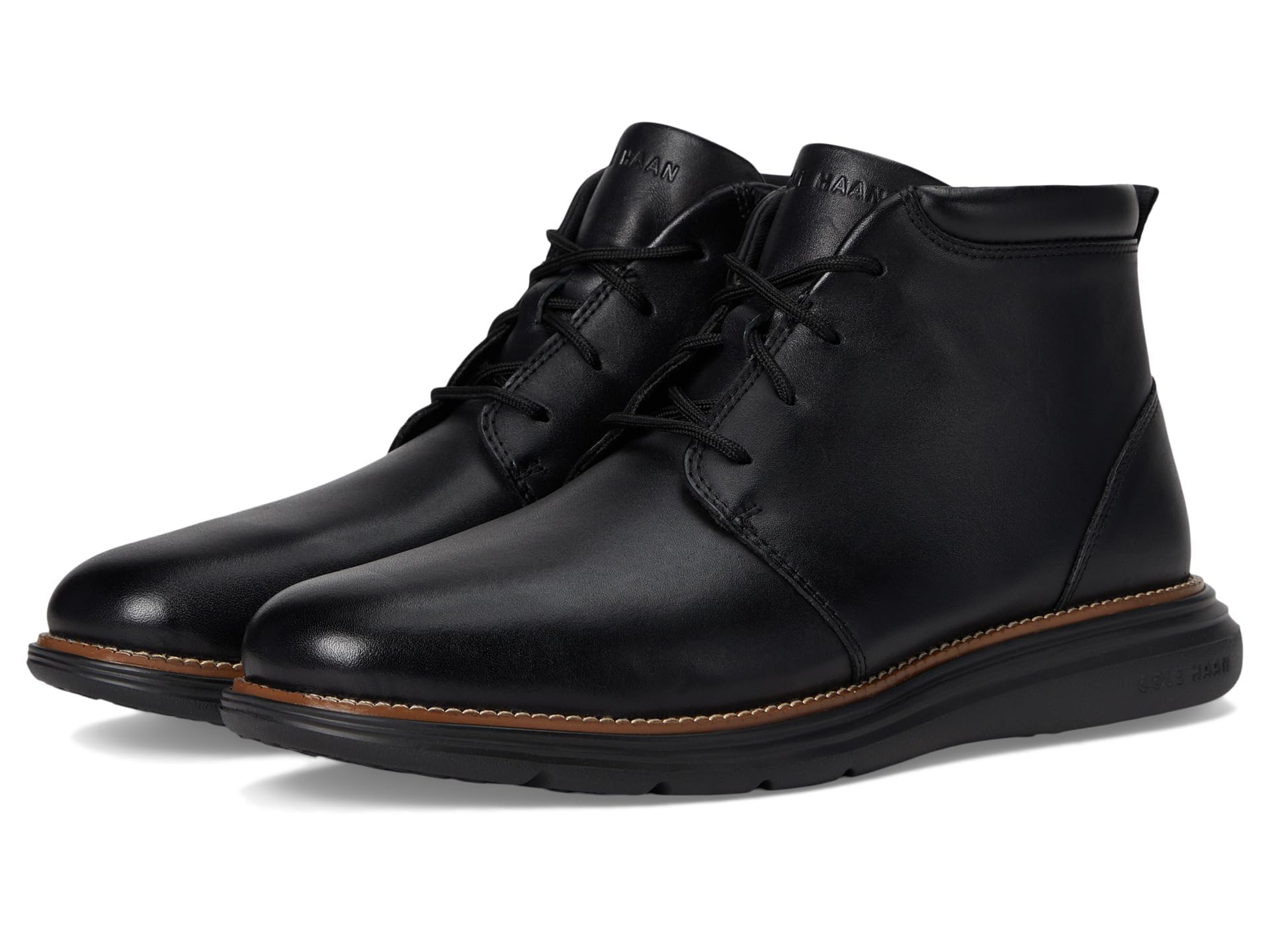
Chukka Types and Price Bands at a Glance
Suede Casual Chukkas
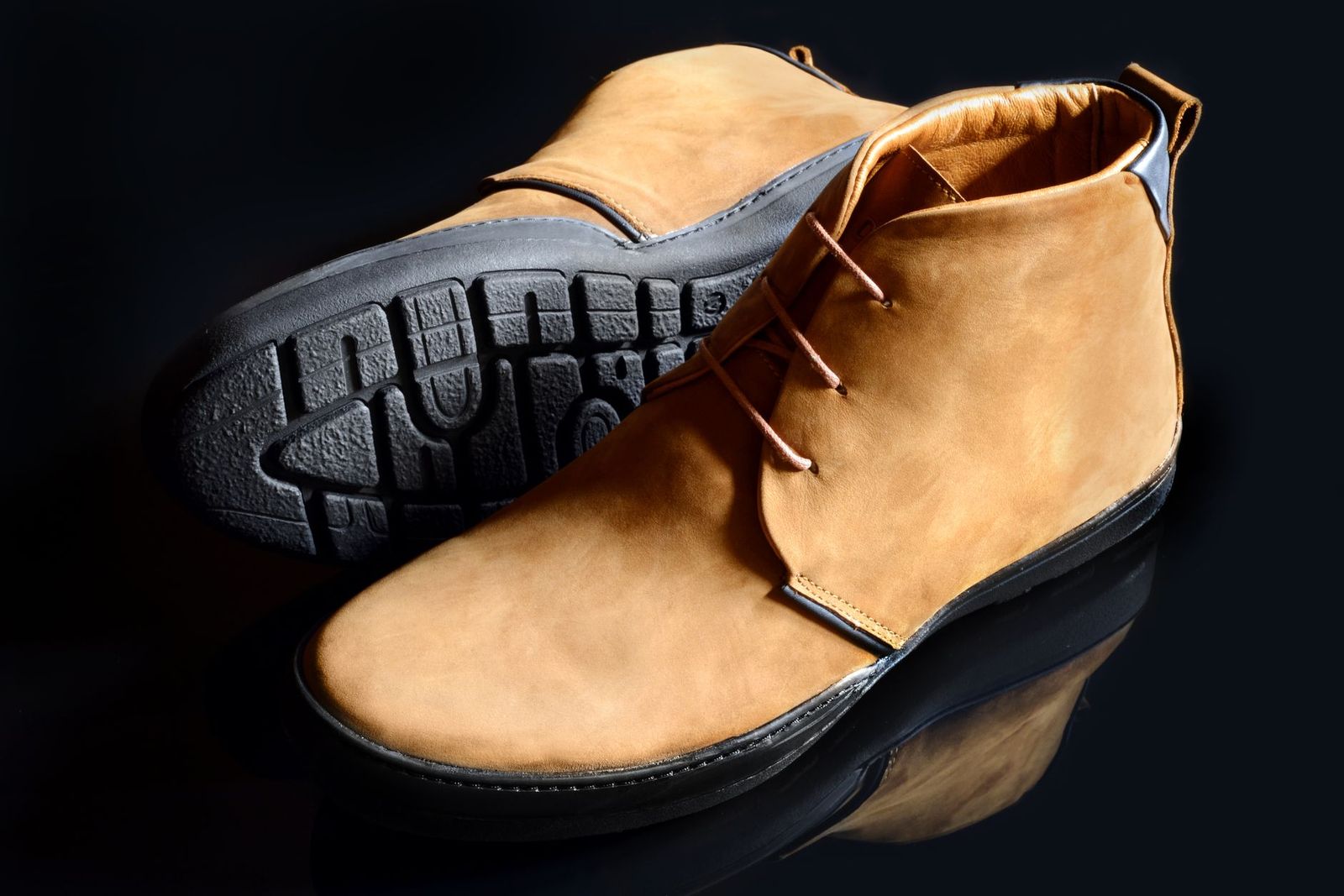
The classic casual chukka is suede with a soft crepe or rubber sole, and it is the easiest pair to wear with jeans, chinos, and cords. Suede hides scuffs well and asks for a brush and a protective spray rather than polish. Most casual pairs sit in the entry and middle bands, about $70 to $160, and guides to best suede chukka boots cover this register in depth. The trade is wet weather: untreated suede marks in rain and needs drying time.
Smooth Leather Dress Chukkas
A smooth leather upper on a slimmer sole moves the chukka into dress territory, where it pairs with trousers, blazers, and unstructured suits. The shape is cleaner, the toe is usually a touch narrower, and the sole may be leather or thin rubber. These pairs cluster in the middle and upper bands, about $150 to $300, and the best dress chukka boots are the comparison set if your wardrobe leans formal. They reward polish and shoe trees, and they are wasted on muddy ground.
Rugged and Work Ready Chukkas
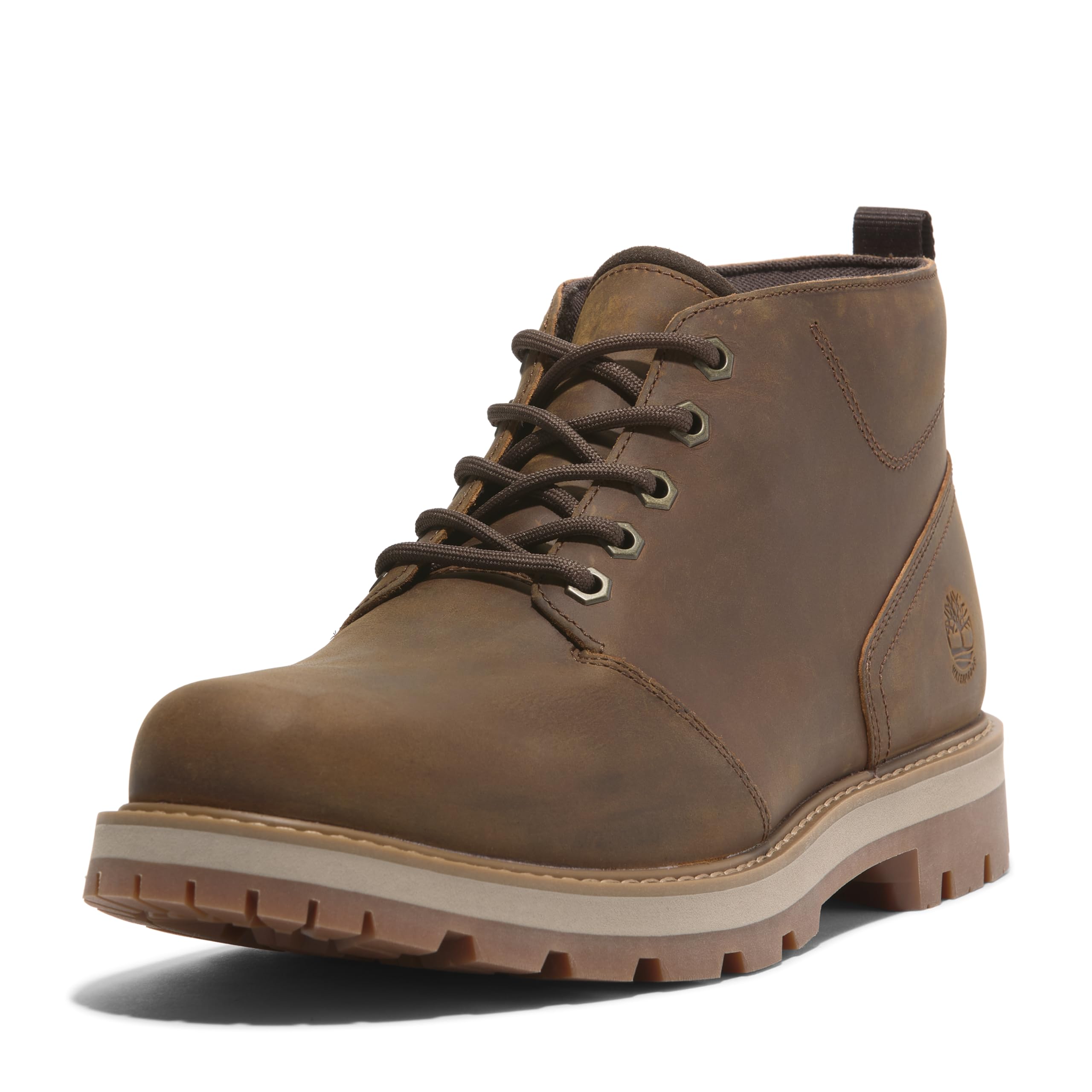
A third class keeps the ankle height but borrows from work boots: thicker leather, a lugged sole, and sometimes a safety toe or electrical rating for job sites. These are the chukkas for buyers who want one pair to survive a workshop, a yard, and a commute. Expect about $100 to $220, and expect more weight than the casual class. If your day is mostly on your feet at work, start from the best work chukka boots and check the ratings your employer requires.
How to Choose the Best Chukka Boots: Buying Guide
Upper Materials and the Dress Register
Start with the register box, because material class decides how formal a chukka can be. Suede reads casual, smooth full grain leather reads dressy, and rough or waxy leathers sit between the two. The same boot shape in suede and in polished leather lands in different outfits, so choose the material for the most formal setting you genuinely need, not the one you imagine once a year.
Material also decides upkeep and weather tolerance. Suede needs a brush and spray and forgives scuffs; smooth leather needs cream or polish and shows scratches until you treat them; waxy leathers shrug off light rain and ask for little. Breathability follows the same order, with unlined suede the coolest in summer and lined leather the warmest in winter. Lines written for men follow the same register rules, and the best men's chukka boots show the full spread of materials in one place.
Fit, Sizing, and Toe Box
Ankle boots hold your foot differently from tall boots, and the difference decides fit. A chukka has less shaft to grip the leg, so fit at the heel decides everything: the heel should sit snug with almost no lift when you walk, because a loose heel in a low boot becomes blisters within a day. Measure and try boots in the afternoon, when feet are at their largest, and wear the socks you plan to use.
The toe box should let toes lie flat and spread a little, with about a thumb of space past the longest toe. Chukkas are often built on a dress last that runs narrow, so wide footed buyers should look for a wide fitting rather than sizing up, since extra length without width just moves the crease onto the toes. When in doubt between sizes, take the pair that holds the heel and gives the toes room, and remember that leather gives a little across the width but never in length.
Waterproofing and Membranes
Most chukkas are fair weather boots, and waterproof versions are a specific class rather than a standard feature. A waterproof membrane keeps rain and puddles out and is worth having if your commute is wet, but it breathes less than an unlined boot and can feel warm indoors. Sealed seams and a gusseted tongue matter as much as the membrane itself, because water enters at the joins first.
Be honest about the use. Occasional drizzle is handled by waxy leather and a spray; daily wet pavements justify the membrane class covered among best waterproof chukka boots. No chukka is a rain boot, though: the ankle opening sits below puddle splash height on a bike or a curb, so deep standing water will find its way in whatever the label says.
Break In Period and Comfort Out of the Box
Leather chukkas need a break in period, usually a handful of short wears rather than one long day. Wear new pairs around the house and on short walks first, and save the full day out for the third or fourth wearing. Suede and soft unlined pairs often feel right immediately, while stiff smooth leather and thick soles take longer and may press the ankle bone until the collar softens.
Comfort here is fit and comfort only: a well fitted chukka should need no heroics, and pain is information. Sharp rubbing that cuts skin means the fit is wrong, not that you must endure it, and foot pain that persists once the boots are broken in means a clinician is the right next step rather than another insole. Rotate two pairs if you wear chukkas daily, since a rest day lets the lining dry and the foam recover.
Outsole Traction and Terrain
The sole decides where the boot can go, and there are three broad classes. Crepe soles are soft, quiet, and grippy on dry pavement, but they wear fast and slip on wet smooth stone. Smooth leather soles look the dressiest and are the least forgiving on rain or ice, so they belong to dry days and indoor settings. Rubber lug soles give the most traction on wet streets, gravel, and light trails, at the cost of a chunkier look.
Match the sole to your ground rather than your outfit alone. A commuter on wet city pavement wants rubber with real tread; an office worker who drives wants the slim leather or thin rubber profile; a buyer walking a dog on park paths wants lugs. Heel height also plays a part: a low stacked heel keeps the boot stable and dressy, while a taller work heel changes the feel for long standing days.
Arch Support and Foot Type
Most chukkas ship with a flat, thin insole that offers little shaping, so treat arch support as something you add rather than something included. A removable insole is the feature to look for, because it lets you swap in a cushioned or shaped insert that suits your feet. Flat feet and high arches both change how pressure spreads, and an insert that matches your foot type makes a bigger comfort difference than the boot class itself.
Keep expectations plain, though. An insert can improve comfort for ordinary walking and standing, but footwear is not a treatment: ongoing arch pain, heel pain, or numbness that persists belongs with a clinician, who can say whether you need something made for your feet. For everyday use, judge support after a full day on your feet, not in the shop, because thin insoles often feel fine for ten minutes and tired by evening.
Types of Chukka Boots
Desert Style Chukkas
The desert style is the original pattern: two or three eyelets, an unlined suede upper, and a crepe sole. It is the lightest and most casual type, quick to pull on and forgiving in fit. The limits are weather and formality: it marks in rain and never dresses up. Buyers who want one pair for travel and weekends usually land here.
Dress Chukkas on Slim Soles
Dress chukkas use smooth leather, a sleeker last, and a thin leather or rubber sole. They sit comfortably under tailored trousers and read almost like a dress shoe with ankle coverage. The trade is grip and ground clearance, so they suit offices, events, and dry pavements rather than rough ground. They also show their quality in the finish, which is why the class costs more.
Lug Sole Chukkas
Lug sole chukkas pair the ankle height with a work boot bottom: deeper tread, a sturdier welt, and often a thicker leather upper. They handle wet leaves, gravel, and site visits that would defeat a crepe sole, and they last longer between resoles. The cost is weight and a rugged look that stops short of formal wear. For mixed indoor and outdoor days, this is the most forgiving type.
Setup and Care Tips
- Lace for the heel: snug the top eyelet firmly so the foot stays back in the boot; a loose top eyelet is the usual cause of heel slip.
- Air dry away from heat: wet boots should dry at room temperature with paper inside, never on a radiator, which cracks leather and warps soles.
- Brush and spray suede: a stiff brush lifts the nap, and a water and stain spray renewed each season keeps marks from setting.
- Condition smooth leather: cream or conditioner every few months stops the upper drying and cracking at the flex points.
- Rotate pairs: a rest day between wears lets lining moisture escape and roughly doubles the life of foam insoles.
- Watch the sole: resole or replace when tread smooths at the heel and ball, because worn soles slip long before the upper wears out.
FAQs
How often should I replace my chukka boots?
Replace chukka boots when the sole is worn smooth, the upper cracks at the flex points, or the heel counter collapses so the boot no longer holds your foot. For a pair worn several days a week, that is often about two to four years, though quality leather pairs can be resoled and last far longer. A useful extra check is comfort: when a once comfortable pair starts tiring your feet by midday, the internal cushioning has usually packed down.
Can I wear chukka boots all day?
Yes, most people can wear chukka boots all day once they are broken in and the fit is right. Start with shorter days, choose a sole that suits your ground, and rotate pairs if you wear them daily. One point worth adding is socks: a cushioned wool or blended sock changes all day comfort more than most buyers expect, and it also manages the moisture that makes a good fit feel bad by afternoon.
How should chukka boots fit?
Chukka boots should hold the heel snugly with almost no lift, leave about a thumb of space past your longest toe, and let toes lie flat without squeezing. Try them in the afternoon with your usual socks, and walk on a hard floor, not just carpet. Remember that the ankle opening gives less adjustment than a tall boot, so a heel that slips in the shop will not settle later; it will rub, and the answer is a different size or last.
How long is the break in period for chukka boots?
The break in period for most leather chukka boots is about three to five short wears, or roughly a week of normal use, before the leather softens around the ankle and the insole takes the shape of your foot. Suede pairs may need only a wear or two. A practical tip: keep a pair of plasters in your bag during the first week, because a small hot spot caught early never becomes a blister, and if rubbing still cuts the skin after two weeks, the fit is wrong.
Are expensive chukka boots worth it?
Expensive chukka boots are worth it when the price buys better leather, a resoleable construction, and a sole you can replace, because those are the parts that decide how long the pair lasts. Above the middle band you pay increasingly for finish and brand rather than function. Judge by construction instead of the label: a stitched welt and full grain leather at a fair price will outlast a glued sole at twice the money, and fit still matters more than either.
The Bottom Line
Decide the register first, then the fit, then the sole. Pick the material for the most formal setting you truly need, make sure the heel holds with room at the toes, and match the sole class to your ground. Use the product table above to compare the classes against your budget, and remember that a resoleable pair in the middle band is often the longest lasting buy.
The best chukka boots for you are the pair whose register matches your wardrobe, whose fit needs no enduring, and whose sole suits the streets you walk. Buy for the life you have, break them in gently, and they will cover more of your week than almost any other boot you own.