
Best Christmas Tree Skirts: A Sizing & Style Guide
Disclosure: We may earn a commission when you buy through links on this page, at no extra cost to you. As an Amazon Associate we earn from qualifying purchases. Learn more

If your tree looks almost finished but something under the branches still feels off, the culprit is usually a bare stand or an uneven gap of floor peeking through. Finding the best christmas tree skirts for your setup comes down to two things most shoppers overlook: getting the size right and choosing a fabric that fits how you actually use your tree. Skirt size has almost nothing to do with how tall your tree is, and picking a fabric because it looked good in a photo can backfire once it is sitting under a real or artificial tree with presents piling on top. In this guide, you will learn how to measure your tree correctly, which fabrics hold up best in everyday use, how a skirt compares to a tree collar, and how to keep one from sliding out of place once the season gets busy.
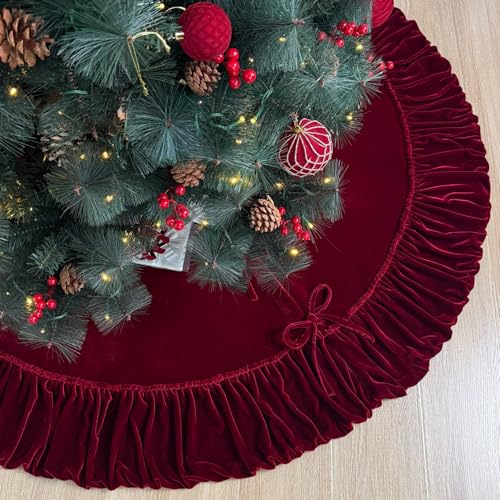
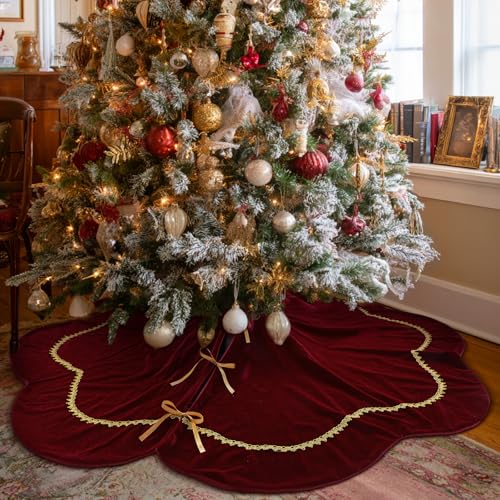

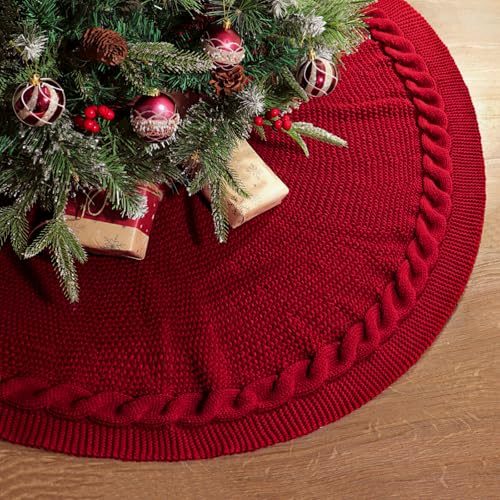

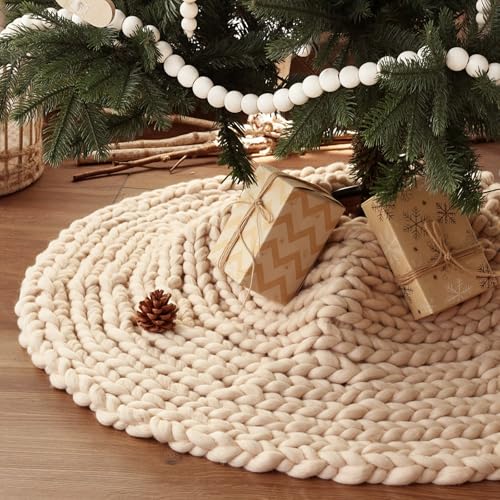
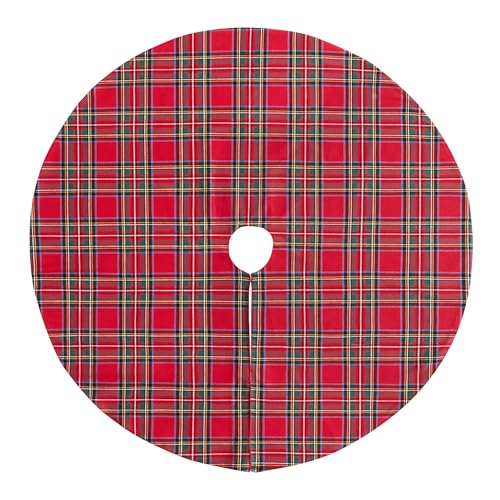
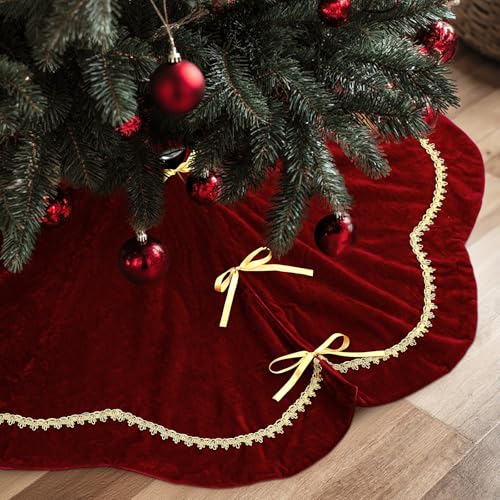
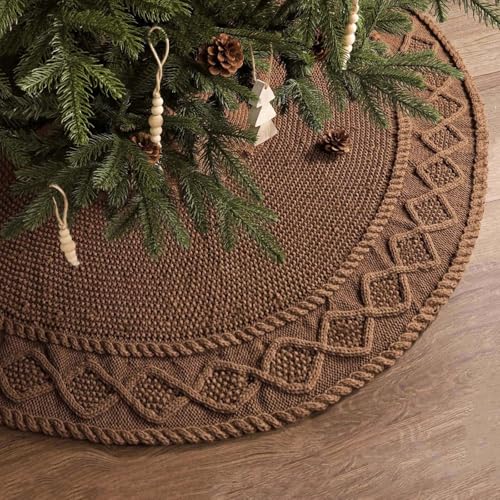
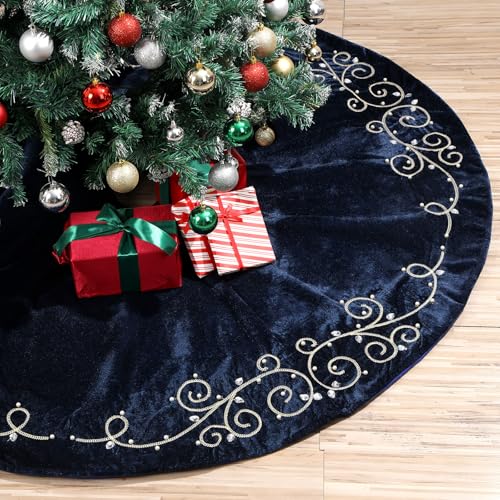
Getting the Size Right for Your Tree
Skirt sizing trips up more shoppers than any other part of the decision, mostly because it is easy to assume you should match the skirt to your tree's height. You should not. The measurement that actually matters is how far the bottom branches spread out, since that is the area the skirt needs to cover.
Measure the Branch Spread, Not the Height
Stand back and look at your tree's widest point, usually the lowest layer of branches, and measure straight across. A good rule of thumb is to choose a skirt that is a few inches wider than that measurement so it covers the stand completely without leaving gaps at the edges. If you want a more dramatic, fuller look with room for a deep pile of gifts, size up further. If you prefer something that sits neatly under the tree without spilling into the room, stay closer to the branch spread itself or even slightly under it.
General Size Ranges to Start From
- Tabletop or small trees under 4 feet: roughly 18 to 22 inches across
- Trees in the 4 to 5 foot range: roughly 24 to 36 inches across
- Trees between 5 and 7.5 feet: roughly 38 to 60 inches across
- Larger trees above 7.5 feet: 60 inches or more, sometimes custom sized
These ranges are a starting point, not a hard rule. A narrow, sparse tree and a full, wide-branched tree of the same height can need noticeably different skirt sizes, so always confirm with an actual measurement before you buy.
Picking a Fabric That Matches Your Look (and Your Life)
Once size is settled, fabric is what determines how the skirt actually holds up through weeks of foot traffic, pets, and gift wrapping. Think about how your household actually uses the space around the tree, not just how the fabric photographs.
Faux Fur and Plush Fabrics
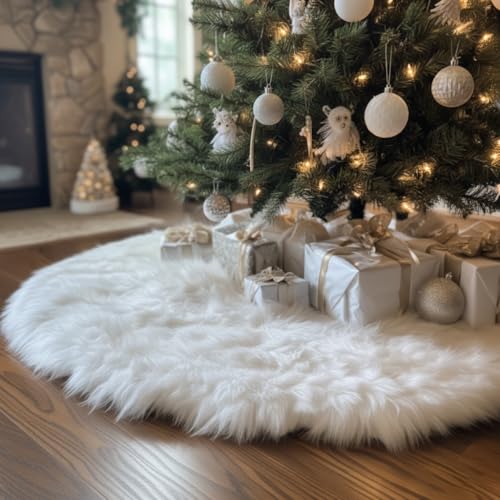
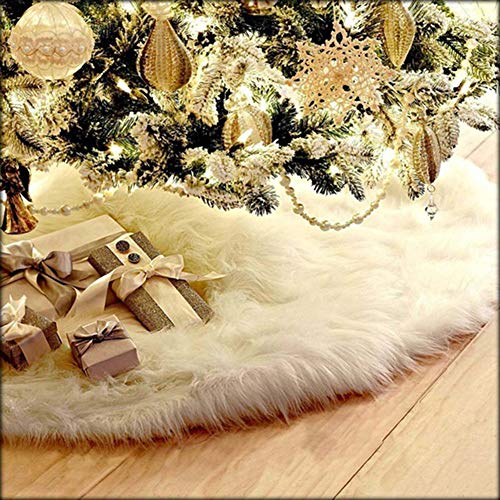
Faux fur and other plush materials give a soft, cushioned look that pairs well with a cozy, layered holiday style, and they hide a stand's hard edges better than thinner fabrics. The tradeoff is that plush fibers can shed a little over time and are not always machine washable, so check care instructions if you expect spills or a real tree dropping needles and sap onto it.
Burlap, Felt, and Quilted Cotton
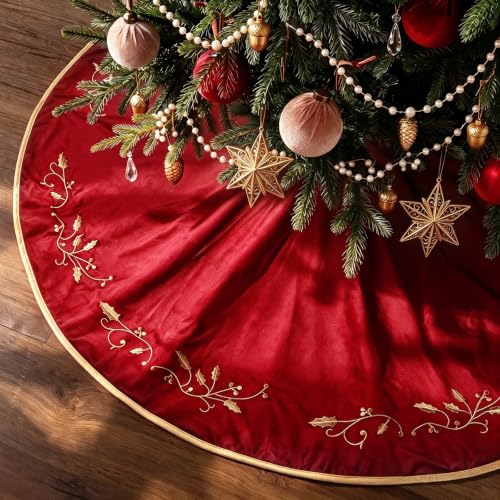
Burlap brings a rustic, textured look that pairs naturally with a farmhouse or vintage theme, though raw edges can fray with repeated use unless they are finished or sealed. Felt holds a clean shape, resists fraying, and is easy to spot clean, which makes it a practical pick if you want something low maintenance. Quilted cotton tends to be the most traditional option, often reversible, and generally the easiest of the group to wash and store flat between seasons.
If you have a real tree, keep in mind that a skirt's job is mostly visual, catching stray needles and softening the look of the stand, not creating a fully sealed barrier against water or sap. If floor protection is your main concern rather than appearance, that is a separate problem a decorative skirt alone will not fully solve. Whatever fabric you land on, it is worth thinking about how it will sit alongside other decor choices, like your tree topper or the trim you use lower on the branches, so the whole look feels intentional rather than mismatched.
Tree Skirt or Tree Collar: Which Fits Your Space
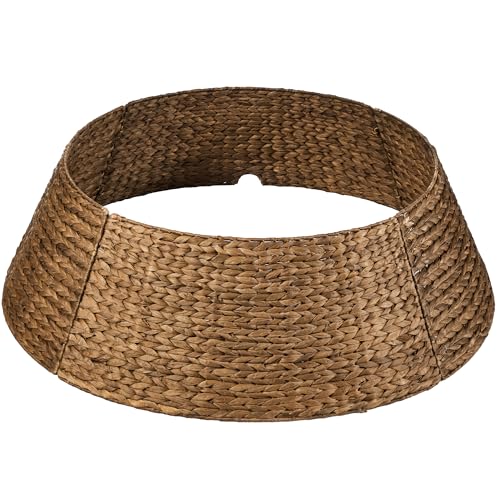
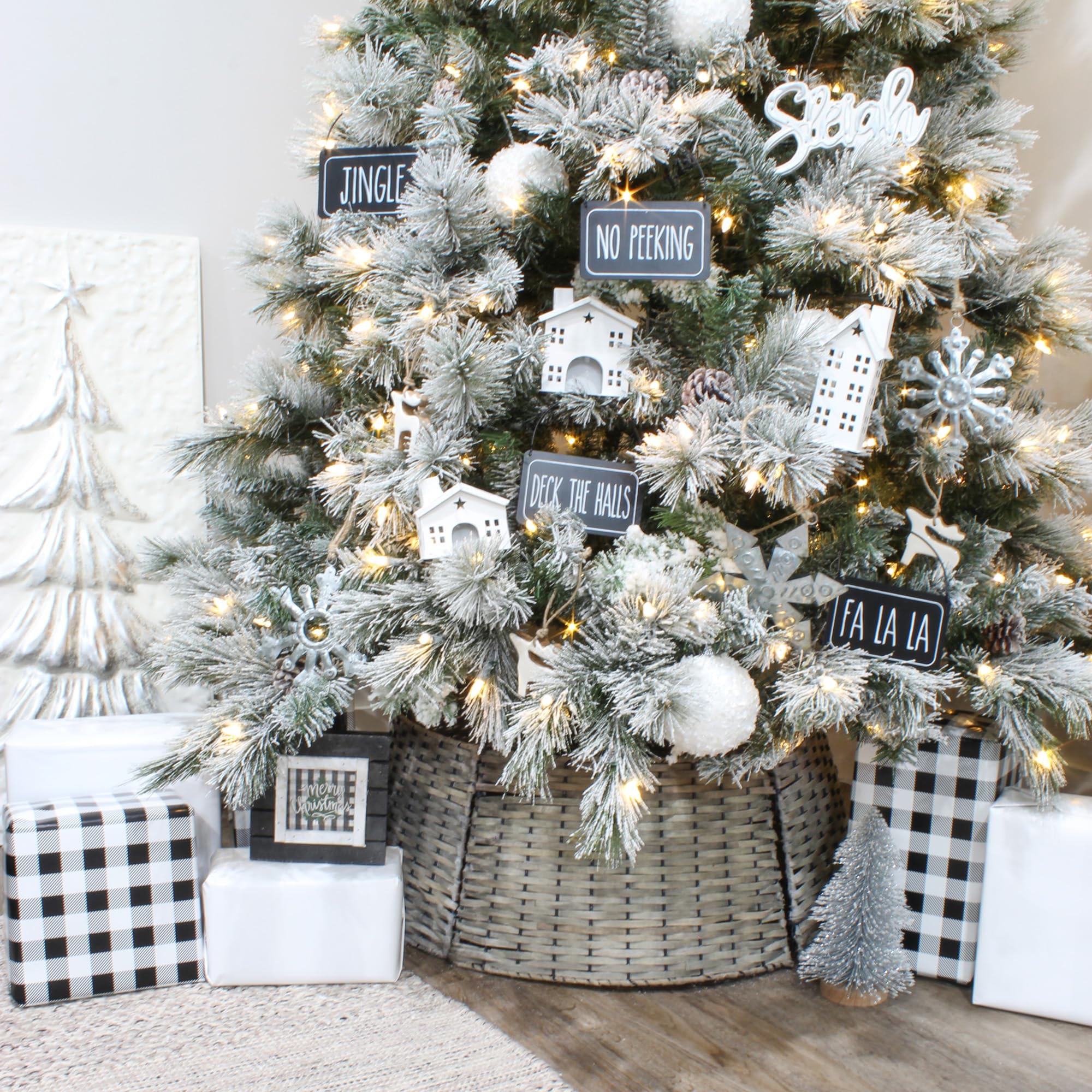
Tree collars have become a common alternative to the traditional skirt, and it is worth understanding the difference before you buy either one. A collar is a structured piece that wraps vertically around the trunk and stand, sitting close to the tree rather than spreading out across the floor. That gives it a clean, streamlined look with no wrinkling or bunching to fuss with, and it keeps a compact footprint in smaller rooms.
A skirt works differently. Because it lies flat and spreads outward, it covers more floor area around the base, which makes it better at catching dropped needles from a real tree and at visually filling the space when a lot of gifts are stacked underneath. It also tends to be more forgiving if you are using a particularly bulky or oddly shaped heavy duty tree stand, since the fabric simply drapes over whatever is underneath instead of needing to fit a specific trunk width. If your priority is a polished, minimal look in a tight space, a collar may suit you better. If you want maximum coverage, a softer traditional look, or a spot to catch mess from a real tree, a skirt is usually the more practical choice.
Getting It On (and Keeping It in Place)
Most skirts are built with an opening, often called a keyhole or slit, that lets you slide the fabric around a tree that is already standing rather than needing to lift the whole tree to put it on. Once it is positioned, the two edges typically close with ties, hook and loop fasteners, or snaps, so the stand stays hidden and the fabric lies flat.
Keeping it that way through weeks of foot traffic is a separate challenge. Skirts can shift, bunch up, or gap open, especially in busy households or homes with pets that treat the area under the tree as their own space. A few small adjustments help: center the skirt carefully when you first place it, tuck the closure edge slightly under the surrounding fabric rather than leaving it exposed, and let the weight of a few wrapped gifts hold the corners down instead of leaving them loose. Many people also use the skirt's edge to tuck away loose cords from string lights, which keeps the area looking tidy and gives the fabric a little extra weight to stay put. If you are also decorating with something like tinsel that tends to shed strands, a skirt underneath helps catch the stray pieces before they scatter across the floor.
Frequently Asked Questions
What size tree skirt do I need for my tree?
Measure the width of your tree's lowest branches, not its height, and choose a skirt a few inches wider than that spread. Among best christmas tree skirts, the ones that look intentional rather than makeshift are almost always sized off branch width, not the height listed on the box.
What is the difference between a tree skirt and a tree collar?
A skirt is a flat piece of fabric that spreads out across the floor around the tree base, while a collar is a structured piece that wraps vertically around the trunk itself. Collars sit closer to the tree with a smaller footprint, while skirts cover more floor space and hide a wider area.
What material is best for a christmas tree skirt?
It depends on your priorities. Faux fur gives a plush, cozy look but can shed slightly, felt is durable and low maintenance, burlap adds rustic texture but can fray, and quilted cotton tends to be the easiest to wash and store.
How do you put a tree skirt on around a tree that's already set up?
Most skirts have a slit or keyhole opening that lets you wrap the fabric around the trunk without lifting the tree. Slide it into place, center it around the stand, and close the opening with the ties, hook and loop fasteners, or snaps built into the fabric.
How do you keep a tree skirt from sliding or bunching up?
Center it carefully when you first set it down, tuck the closure edge under the surrounding fabric, and let a few wrapped gifts weigh down the corners. Skirts made from heavier fabric also tend to hold their position better than very lightweight ones.
Can a tree skirt be used with an artificial tree?
Yes. Tree skirts work with both real and artificial trees, and sizing works the same way in either case, based on the spread of the bottom branches rather than the type of tree.
How do you clean and store a christmas tree skirt?
Shake off loose debris outdoors first, then follow the fabric's specific care instructions since materials vary widely; many can be gently machine washed, while delicate or embellished skirts may need spot cleaning or a trip to the dry cleaner. Let it dry flat and store it folded or rolled in a way that avoids sharp creases before next season.
Making Your Final Choice
A tree skirt earns its place the moment it hides a bare stand and pulls the whole base of the tree together. Start with an accurate measurement of your tree's branch spread, pick a fabric that matches how your household actually lives around the tree, and decide whether a flat skirt or a structured collar fits your space better. Among the best christmas tree skirts, size and fabric matter far more than color or trim, so get those two details right first and the rest of your decorating will look considerably more finished.