
Best Heavy Duty Christmas Tree Stands: What to Look for Before You Buy
Disclosure: We may earn a commission when you buy through links on this page, at no extra cost to you. As an Amazon Associate we earn from qualifying purchases. Learn more
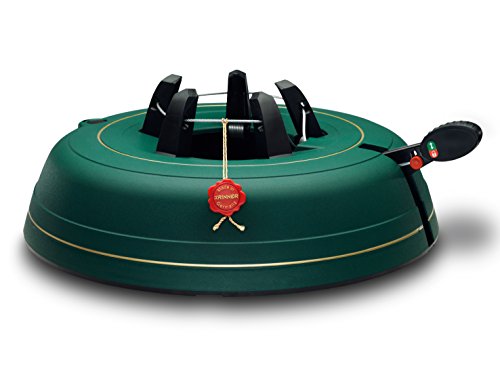
Nothing ruins a holiday evening faster than hearing a crash from the living room and finding your tree flat on the floor, ornaments scattered across the carpet. If you have ever set up a tall, full tree only to watch it lean, wobble, or tip within a few days, the stand was probably the problem, not the tree. Finding the best heavy duty christmas tree stands means looking past the price tag on the box and understanding what actually keeps a heavy tree upright for weeks at a time. In this guide, you will learn what separates a genuinely sturdy stand from a flimsy one, how to size a stand to your specific tree, and how to set it up so it stays straight through the whole season.


What Actually Makes a Tree Stand Heavy Duty
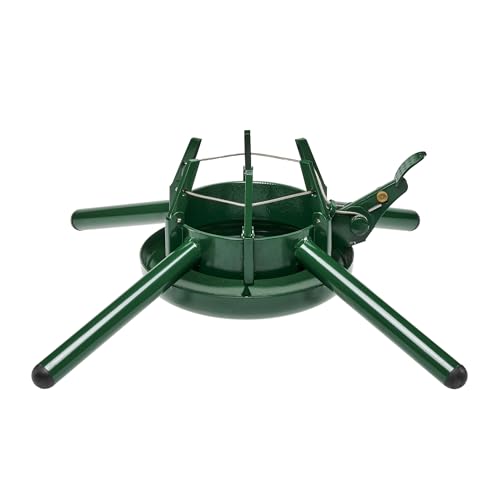
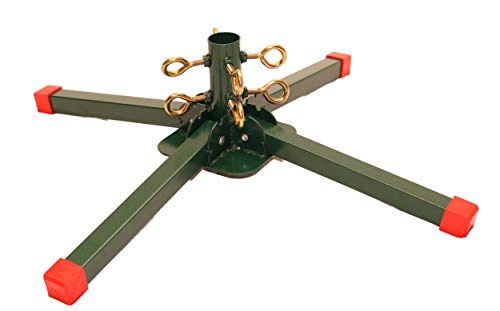
The label "heavy duty" gets used loosely, so it helps to know what it should actually mean before you shop. A genuinely heavy duty christmas tree stand comes down to three things working together: the material it is built from, how it grips the trunk, and how wide its base sits on the floor.
Construction material and how it holds up under load
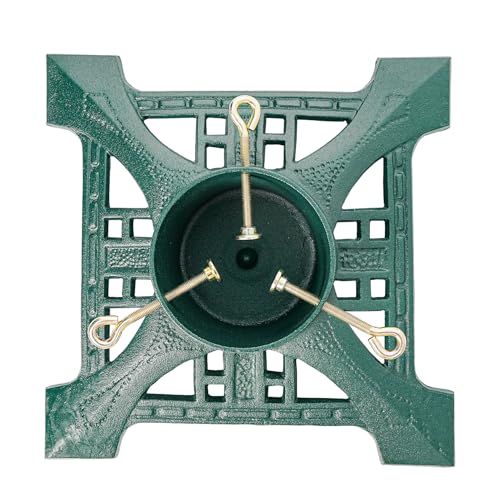
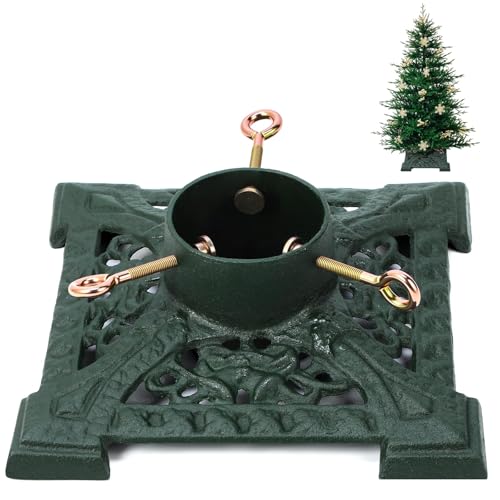
Welded or powder-coated steel is the standard for stands built to hold large or full trees. Steel resists bending under the constant outward pressure a heavy trunk puts on the frame, and a good powder coat keeps rust from forming where water splashes during refills. Lighter stamped metal or thin plastic can hold a small tree just fine, but under a tall, heavy tree those materials tend to flex, and a stand that flexes is a stand that eventually leans. Some premium designs pair a steel base with hardwood legs, which adds mass low to the ground exactly where you want it for stability.
The trunk-clamping mechanism
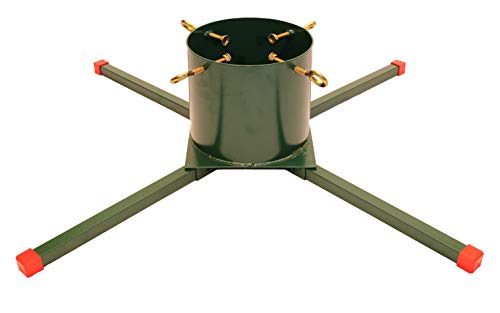
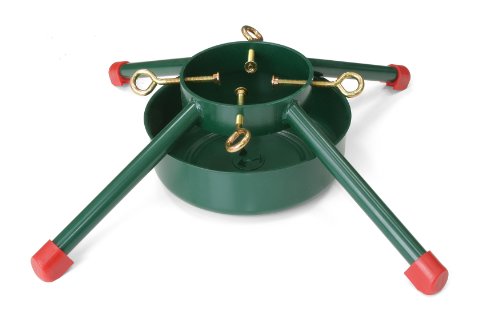
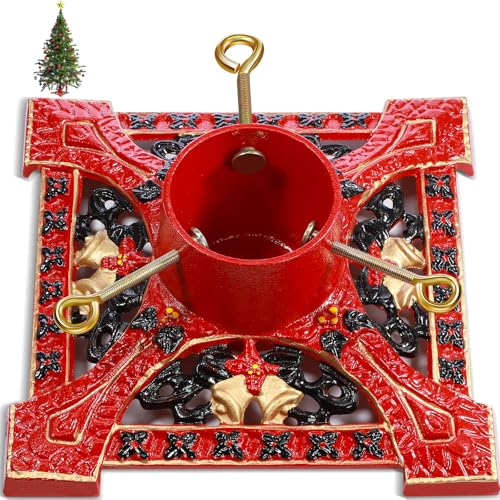
Look closely at how the stand actually grips the trunk. Most rely on either several bolts or eye screws tightened by hand around the base of the trunk, or a single cam-lock or foot-pedal mechanism that pulls multiple grips tight at once. Whichever style you choose, the important number is how many contact points press against the trunk. More contact points spread the pressure evenly, which keeps the tree centered instead of pushing it off to one side.
Base footprint and leg design
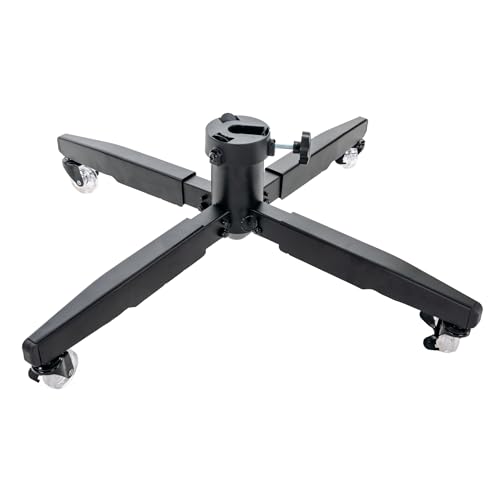
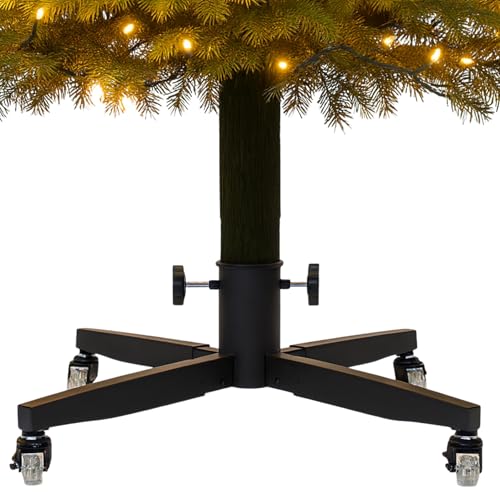
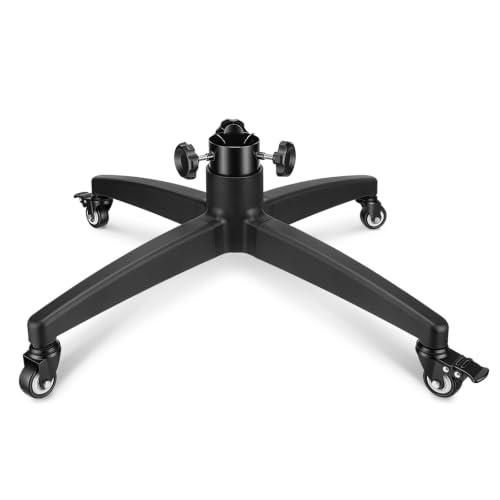
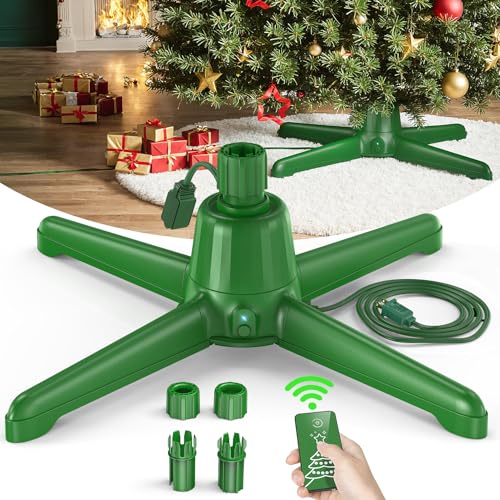
A tree stand's tipping resistance comes almost entirely from how wide its legs spread, not from how heavy the stand itself feels in your hands. Stands built for large trees typically have a wider leg span than standard models, and many use four independent legs rather than a single molded base, since four points of contact resist wobble on uneven flooring better than a solid disc.
Matching Stand Capacity to Your Tree's Real Size
A stand only performs as well as its rated capacity matches your actual tree, so sizing correctly matters more than any other single decision in this guide.
Measuring trunk diameter correctly
Before you shop, measure your tree's trunk diameter at the point roughly six inches above where it will sit in the stand, since trunks taper and the base is usually the widest point. Compare that number against the stand's maximum trunk capacity rather than its advertised tree height, because two stands rated for the same height can accept very different trunk thicknesses depending on how their clamps are built.
Why base width matters more than most buyers realize
A common rule of thumb is that a stand's base diameter should equal roughly twenty percent of the tree's total height. A seven-foot tree, for example, does best with a base that spans somewhere around sixteen to seventeen inches across. If you have a full, wide tree or one that is unusually tall for its trunk thickness, sizing up to the next base width is worth the extra cost, since an undersized base is one of the most common reasons a tree topples days after setup.
Getting a Large Tree Locked In Straight the First Time
Even a genuinely heavy duty stand will lean if it is not set up correctly, and getting a big tree straight the first time saves you from having to redo the whole process later.
Multi-bolt systems vs single-cable/foot-pedal systems
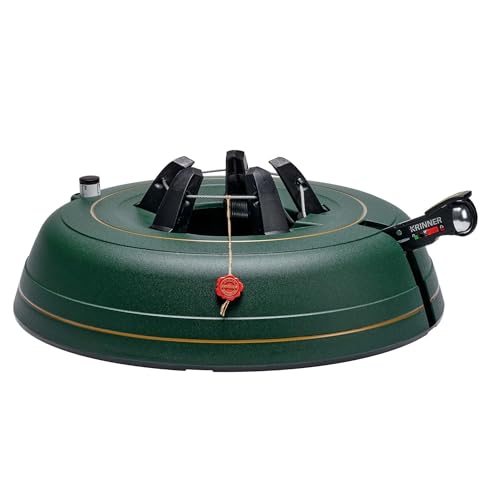
Traditional stands ask you to crawl underneath the tree and tighten each bolt by hand, alternating sides so the trunk stays centered as you go. It works, but it is awkward with a large tree and easy to get uneven if you rush it. Newer designs use a single cable or foot-pedal mechanism that tightens several grips at once with even pressure, which is worth the extra cost if you regularly put up a tall or heavy tree and dread the crawling-underneath part of setup.
Letting the tree settle before final tightening
Get the tree roughly centered and upright, then step back and check it from two different angles across the room rather than just from directly in front. Let the branches relax for a day before final adjustments, since a freshly cut or freshly unboxed tree often settles and shifts slightly as the branches drop into place. A quick re-tightening after that settling period catches the small lean that would otherwise go unnoticed until it gets worse.
Keeping a Big Tree From Tipping Once It's Up
Getting the tree standing straight is only half the job. Larger trees stay vulnerable to tipping for the entire season if you skip a few basic stability habits.
Weight distribution as you decorate
Heavier ornaments and any bulky decorations belong lower on the tree and closer to the trunk, not out on the tips of the upper branches where they act like a lever. This applies to string lights as well, since bunching heavy light sets near the top shifts the tree's center of gravity in a way that a stand alone cannot fully compensate for. Spreading weight evenly, especially near the base, keeps the tree balanced no matter how sturdy the stand underneath it is.
Extra stabilization for very tall or top-heavy trees
For trees over roughly eight feet, or any tree that already feels top-heavy once decorated, a stand alone may not be enough. A short length of clear fishing line run from a branch to a wall hook or ceiling anchor, kept out of sight among the branches, adds real insurance against a bump or a curious pet knocking things over. Checking that the floor underneath the stand is actually flat, and using thin shims under one leg if it is not, prevents the slow lean that uneven flooring causes over the first week.
Real Trees vs Artificial Trees: Does the Stand Need to Change
Not every heavy duty stand is built with the same tree type in mind, and this is worth sorting out before you buy.
What a live tree needs that an artificial one doesn't
A real tree needs a water reservoir large enough to keep the cut trunk hydrated, since a dried-out trunk becomes a fire hazard and drops needles fast. Larger real trees can drink close to two gallons of water in the first day or two after setup, so a reservoir with a clear water-level window saves you from guessing when it needs a refill.
What matters more for artificial trees
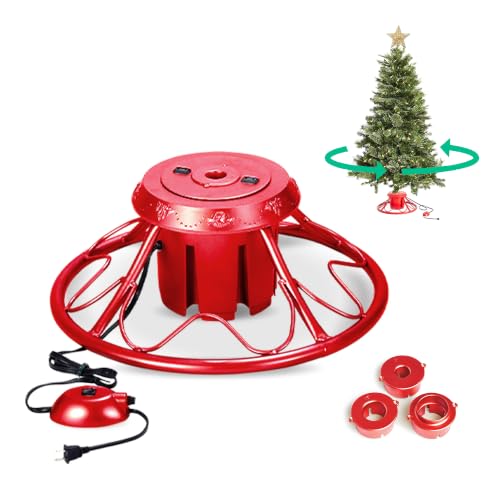
Artificial trees do not need a water reservoir at all, so the priority shifts almost entirely to base weight and leg width, since a fake trunk is often lighter and more uniform than a real one and relies more heavily on the stand's own mass and footprint for stability. Some heavy duty stands are built specifically around a weighted base rather than a water tank for exactly this reason, which is worth checking if you already know you are buying for an artificial tree.
Frequently Asked Questions
How heavy of a tree can a heavy duty stand hold?
It depends on the specific model, but most heavy duty stands are rated for trees up to twelve to sixteen feet tall with trunk diameters up to around six or seven inches. Always check the manufacturer's listed trunk capacity rather than assuming "heavy duty" means unlimited.
What trunk diameter do I need to measure before buying?
Measure the trunk about six inches above where it will sit inside the stand, since this is usually close to the widest point. Compare that measurement to the stand's maximum trunk capacity, not just the tree height it claims to support.
Do heavy duty tree stands work for artificial trees?
Yes, and many are designed with both tree types in mind. Just confirm the stand's base or pole design matches your artificial tree's trunk shape, since some fake trunks are segmented or shaped differently than a natural one.
How much water does a large real tree need each day?
A large tree can absorb close to a gallon or more of water in the first day and continue drinking steadily afterward. Checking the reservoir daily for the first week is the safest habit, since a dry reservoir speeds up needle drop and increases fire risk.
Are metal tree stands really more durable than plastic ones?
Metal, particularly welded or powder-coated steel, generally resists bending and cracking better under a heavy trunk's constant pressure. Higher-end plastic stands have closed the gap somewhat, but for very large or heavy trees, metal construction remains the safer bet.
How do I stop my tree from leaning a few days after setup?
Let the tree settle for about a day after initial setup, then re-tighten the trunk grips, since branches shift as they relax. Also check that the floor under the stand is level, since even a small dip or bump can cause a slow lean over the following days.
Can a heavy duty tree stand be used outdoors?
Some are, but you need to check the product specifications first, since not every stand's materials and reservoir are built to handle outdoor temperature swings and exposure. A stand rated specifically for outdoor use will typically note it directly in the product details.
Making Your Decision
A heavy duty christmas tree stand earns that label through its base width, its trunk-clamping system, and the material it is built from, not just its price. Measure your tree honestly, size the stand to its actual trunk diameter and height, and give the tree a day to settle before you call the setup finished. Get those basics right and your tree will still be standing straight on the last day of the season, not just the first.