
Best Chopping Board Sets 2026: Complete Buying Guide
Disclosure: We may earn a commission when you buy through links on this page, at no extra cost to you. As an Amazon Associate I earn from qualifying purchases. Learn more

Compare the best chopping board sets by material, size, grip, and care so kitchen prep stays safe, organized, and easy every day.
Choosing best chopping board sets is easier when you start with how you actually cook, because the comparison table below shows the main options side by side. A good set gives you a board for vegetables, one for bread, and a separate board for raw meat or fish, which helps you keep flavors apart and reduces cross contamination in a busy kitchen.
Board sets also save storage space compared with buying large single boards one at a time, and they often include a mix of sizes so small jobs do not require a heavy board. Think about your counter space, your knife collection, and how often you cook for a crowd before you decide on a material or a number of boards.


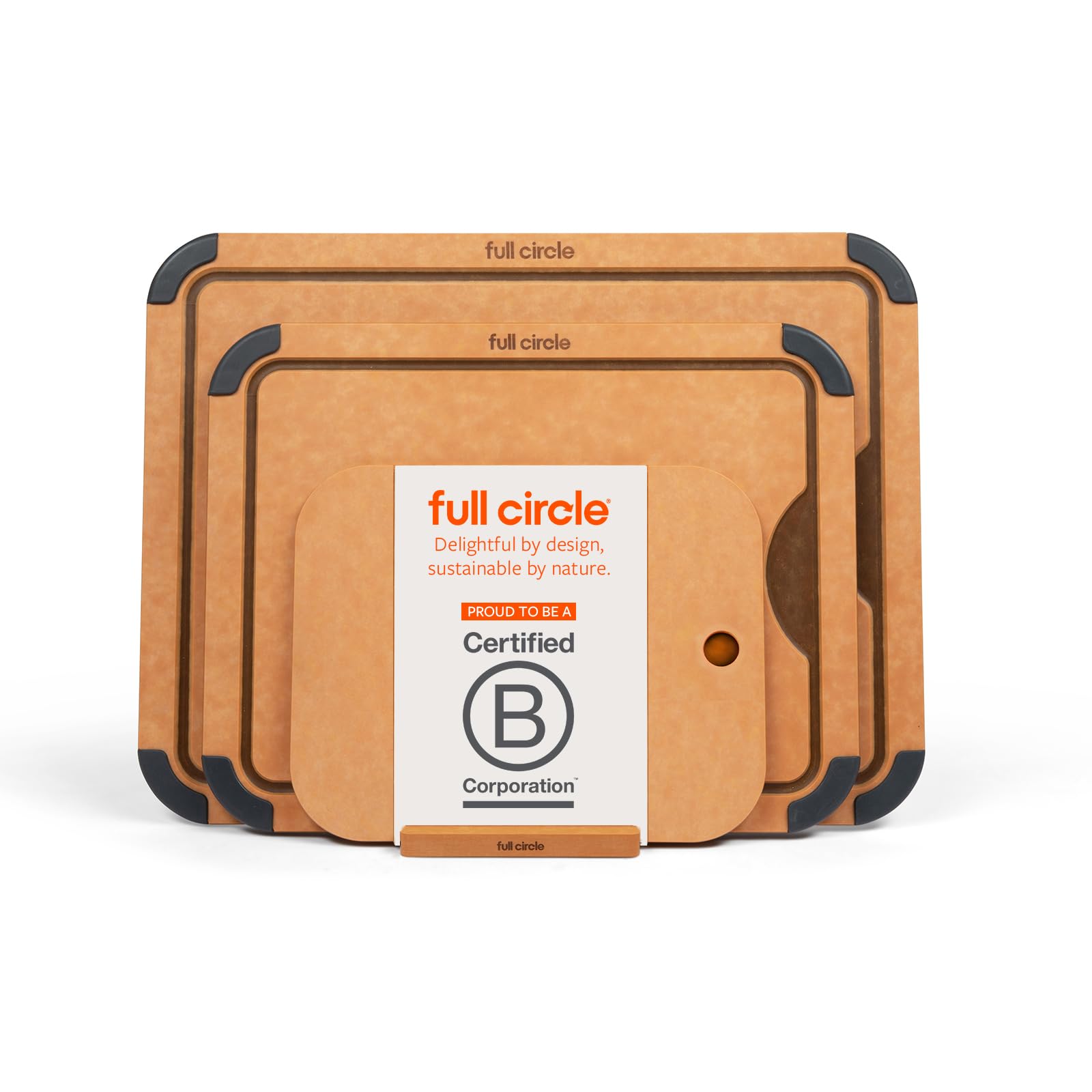
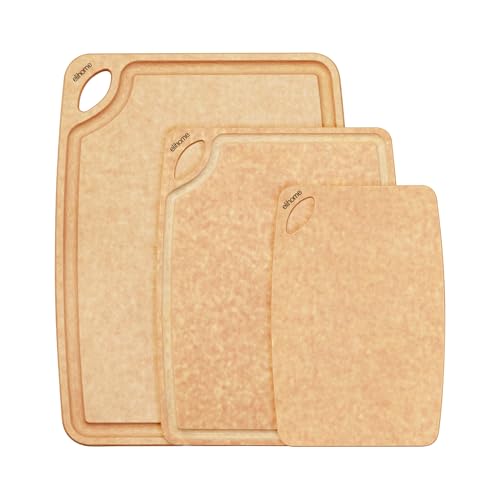
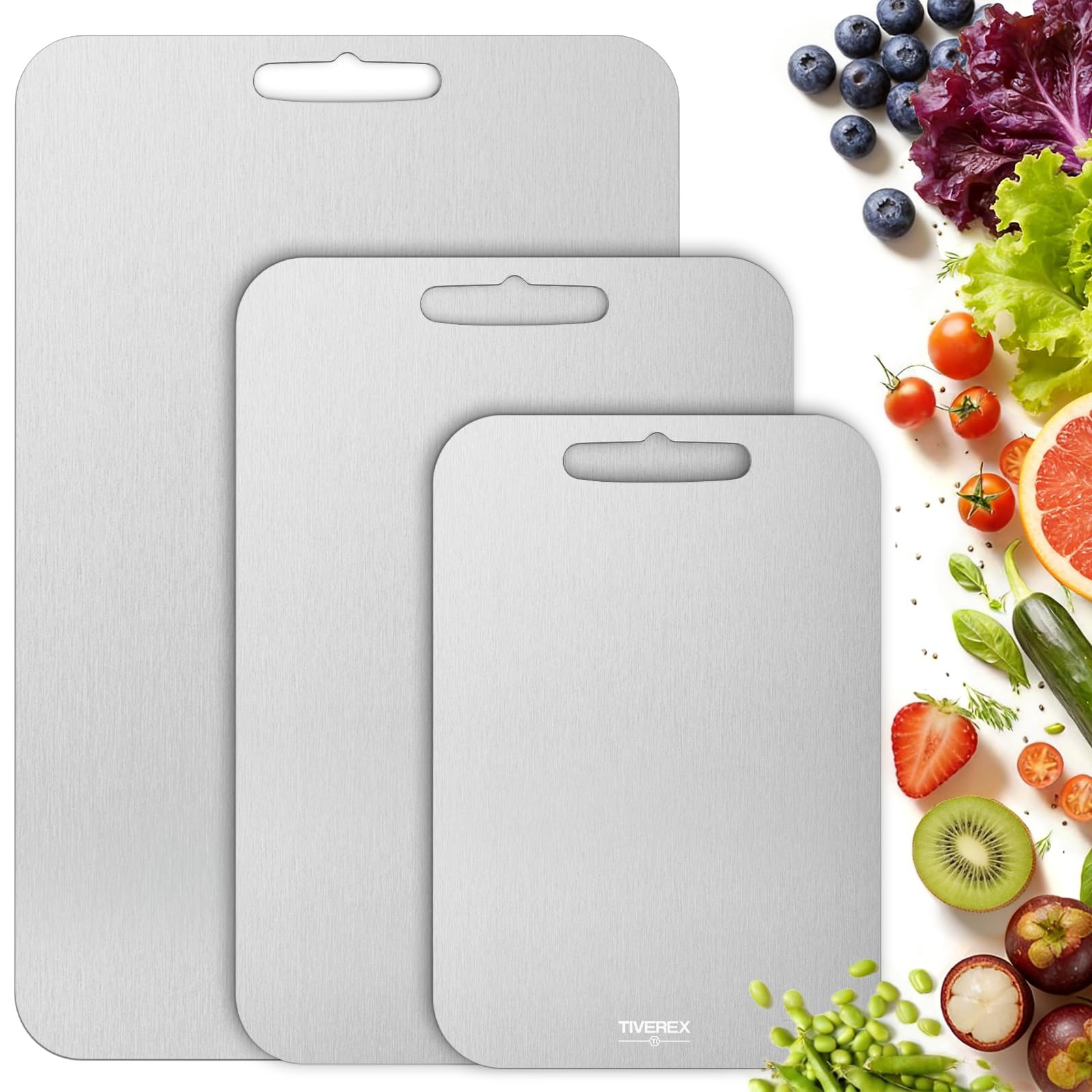
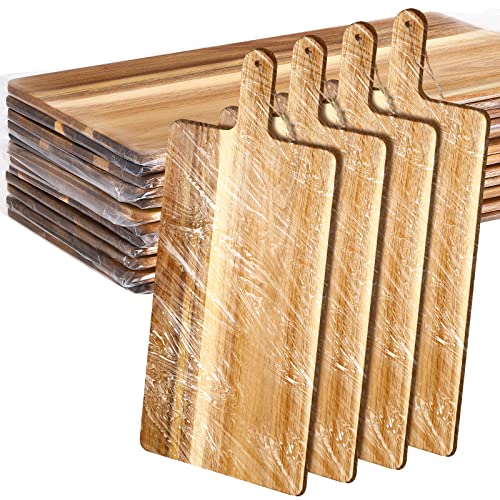


This guide walks through wood, plastic, bamboo, and composite boards, explains what each material does well, and shows how to judge thickness, grip, and care. By the end, you should be able to pick a set that fits your kitchen routine without paying for features you will rarely use.
Types of Board Sets Compared
Wood boards are prized for a warm look and a surface that is kind to knife edges, and many cooks like how they feel under a knife during long prep sessions. Hardwood boards can last for years when they are oiled and kept dry, but they need more care than plastic and they should not be soaked for long periods. Bamboo boards are lighter and often firmer, so they suit cooks who want a wood look with less upkeep, although very hard bamboo can be tougher on fine knife edges.
Plastic boards are light, easy to wash, and simple to color code, which makes them a practical choice for households that want a separate board for meat, fish, and produce. They can show knife marks over time, and deep grooves can trap food, so replace a plastic board when cuts become hard to clean. Composite boards made from pressed fibers offer a middle ground, with a firm surface, good stain resistance, and a weight that feels stable on the counter.
- Wood sets: warm, knife friendly, and long lasting with regular oiling and careful drying after washing.
- Bamboo sets: light, firm, and easy to move, best for cooks who want a natural look with simpler daily care.
- Plastic sets: light, affordable, and easy to color code for meat, fish, vegetables, and bread.
- Composite sets: dense, stain resistant, and stable, a good choice for heavy daily chopping.
- Mixed sets: combine a large wood board for general prep with smaller plastic boards for raw meat and fish.
What Matters Most in the Best Chopping Board Sets
Size matters more than most buyers expect, because a board that is too small forces food off the edge and makes chopping feel cramped. A large board of about 18 inches long suits most kitchens, while a medium board is handy for quick jobs such as slicing fruit or herbs. Thickness also affects stability, since a thin board can flex or slide, while a thicker board stays put and gives your knife a steady surface.
Look for a juice groove if you often cut tomatoes, melons, or roast meat, because the groove catches liquid before it reaches the counter. Non slip feet or a grippy base help on smooth counters, and a handle or hanging hole makes storage easier in a small kitchen. Rounded corners are easier to wipe clean and less likely to chip than sharp corners.
- Size range: at least one large board for main prep plus one medium board for small jobs.
- Thickness: a thicker board feels more stable and is less likely to warp with regular use.
- Grip: rubber feet, a textured base, or a damp cloth underneath stops sliding while you cut.
- Juice groove: useful for juicy fruit, tomatoes, and carved meat, but it reduces the flat cutting area.
- Storage: a stand, a slot in a drawer, or a hanging hole keeps boards dry and easy to reach.
Who Should Buy Which Set
Families who cook most nights benefit from a set of three or four boards, because separate boards for meat, vegetables, and bread keep prep organized and reduce washing between tasks. If you cook mainly simple meals, a two board set may be enough, with one board for produce and one for everything else. Small households and renters often prefer a compact set that stacks neatly and fits in a standard drawer.
Serious home cooks who sharpen their own knives usually prefer wood or composite boards, because those surfaces protect a fine edge during long sessions. Cooks who value easy cleaning and quick turnaround may prefer plastic, especially when raw meat is on the menu several times a week. If you bake often, add a board that you reserve for bread and pastry so dough does not pick up onion or garlic flavors.
Care, Hygiene, and Storage
Good hygiene starts with using separate boards for raw meat and fish, and washing boards promptly after use with hot soapy water. Wood boards should be dried upright so air reaches both faces, and they benefit from a light coat of food safe board oil when the surface looks dry or pale. Plastic boards can go in a dishwasher if the maker allows it, but hand washing usually keeps them flatter for longer.
Store boards upright or in a rack rather than stacked flat while damp, because trapped moisture can lead to odors and warping. Sanding a wood board lightly can remove shallow marks, while a plastic board with deep grooves should be replaced. Keep a board for bread apart from boards used for strong flavored foods, and label boards if other people in the household share the kitchen.
Budget and Common Mistakes
Prices for board sets range from about $20 to $120, with plastic sets at the lower end and large hardwood sets at the higher end. A mid priced set often gives the best balance of size, thickness, and durability for everyday cooking, while a very cheap thin set may warp or slide. Spending more makes sense if you chop daily and want boards that will last for many years with proper care.
A common mistake is buying a set based on looks alone and ending up with boards that are too small for a whole chicken or a large melon. Another mistake is soaking wood boards or leaving them in a sink, which can cause cracks and warping. Check the care instructions before you buy, and measure your counter and storage space so the largest board fits comfortably.
For related kitchen choices, see best cutting board sets for single board options, best cheese board sets for serving boards, and best charcuterie board sets for boards made for sharing platters.
A Final Check Before You Order
Before you order, measure your largest knife and your most used pan, because a board should be longer than the knife blade you use for chopping and wide enough to hold ingredients without crowding. Place a cutting mat or a piece of paper on the counter in the size of the largest board, and check that you can still move around it comfortably while cooking. That simple test prevents a common disappointment, where a beautiful set arrives and the main board feels too large for the kitchen or too small for the job.
Next, check storage with the same care, because boards that live in a damp pile will warp and smell, while boards stored upright will dry properly. Count your drawer depth, shelf height, and rack space, and confirm that the largest board fits with room for air to circulate. If storage is tight, a compact set with a stand may work better than a large set that must be stacked flat in a cupboard.
Finally, read the care instructions for each material in the set, and be honest about how much upkeep you will do every week. Wood needs oiling and careful drying, plastic needs replacement when grooves deepen, and composite boards need prompt washing to avoid stains. A set that matches your real routine will last longer and feel better to use than a set chosen only for its appearance in a photo.
Frequently Asked Questions
How many boards should a set include?
A set of three boards covers most kitchens well, with one board for vegetables, one for bread, and one for raw meat or fish. A fourth board is useful if you often prepare fish separately or if you want a small board for fruit and herbs. Larger sets can be handy for big families, but they need more storage space and they can be harder to keep dry.
Is wood or plastic better for everyday use?
Wood is kinder to knife edges and looks good on the counter, but it needs oiling and careful drying to stay in good shape. Plastic is lighter, easier to wash, and simple to replace when it becomes deeply scored. Many cooks keep both types, using wood for vegetables and bread and plastic for raw meat, which balances care, hygiene, and knife protection.
How do I stop a board from sliding?
Place a damp cloth or a non slip mat under the board, or choose a board with rubber feet for a steady base. A board that is thick and heavy also slides less than a thin light board. If the counter is wet, dry it first, because even a grippy base struggles on a slick surface, and check that the board sits flat without rocking.
Can I use the same board for meat and vegetables?
It is safer to use separate boards for raw meat and fish and for ready to eat foods such as salad and bread. Washing between tasks helps, but a dedicated meat board reduces the chance of cross contamination, especially in a busy kitchen. Color coding makes the rule easy to follow for everyone who cooks in the household.
When should I replace a chopping board?
Replace a plastic board when deep knife grooves make it hard to clean or when it warps and rocks on the counter. Replace a wood board when cracks, deep stains, or a persistent odor remain after cleaning and sanding. A board that feels rough, holds food in grooves, or no longer sits flat is past its best and should be retired.
Final Thoughts
The right set balances material, size, and care, and it should match how often you cook and how much storage you have. Start with your most common tasks, choose boards that stay stable and are easy to clean, and keep raw meat separate from ready to eat food.
When you compare best chopping board sets in the product table above, look for a practical mix of sizes, a surface that suits your knives, and care instructions you are happy to follow every week.


